
Think about the last time you watched a blockbuster movie in your native language. Maybe it was an animated feature or a superhero epic. The characters felt real. The jokes landed. You didn't just watch the film; you experienced it. Now imagine that same movie with flat, generic voice acting that sounded like it was recorded in a vacuum. The magic disappears. This is the difference between basic translation and true global localization. For major franchises, getting this right isn't just a nice-to-have-it’s the single biggest factor in whether a film succeeds or flops overseas.
In 2025 and heading into 2026, the international box office accounts for roughly 70% of total revenue for major studio releases. Studios are no longer treating foreign markets as an afterthought. They are investing heavily in tailored voice casting and culturally specific marketing to capture these audiences. But why does this matter so much? And how do studios actually pull it off without breaking the bank?
The Myth of "Universal" Storytelling
There is a persistent belief in Hollywood that if a story is good enough, it will translate automatically. This is dangerously wrong. Humor, emotion, and cultural references are deeply local. A joke about American high school football might confuse viewers in Tokyo or Berlin. A subtle emotional beat in a dialogue-heavy scene might get lost if the voice actor doesn't understand the cultural nuance behind the words.
Consider the concept of "high-context" versus "low-context" cultures. In low-context cultures like the United States, communication is direct. In high-context cultures like Japan or many parts of Latin America, meaning is often implied through tone, silence, and social hierarchy. If a franchise simply translates the script word-for-word, they miss the subtext. True localization requires rewriting scripts to preserve the *intent* and *emotion*, not just the literal meaning.
This is where voice casting becomes critical. You can’t just hire the cheapest available voice talent. You need actors who embody the cultural spirit of the character while resonating with local audiences. When done correctly, the audience forgets they are watching a dubbed version. They believe the character was born speaking their language.
Voice Casting: Beyond Translation
Many people think dubbing is just about matching lip movements. While technical synchronization (lip-sync) matters, the real secret sauce is vocal performance. Let’s look at how top franchises approach this.
| Market | Casting Approach | Cultural Adaptation Level | Typical Outcome |
|---|---|---|---|
| Japan | A-List Celebrity Voice Actors | High (Script Rewrites) | Strong Brand Loyalty |
| Germany | Professional Theater Actors | Medium (Literal + Nuance) | High Critical Acclaim |
| Latin America | Regional TV Stars | Very High (Slang/Humor) | Viral Social Engagement |
| France | Artistic Interpretation | Medium (Subtitles Preferred) | Niche but Devoted Audience |
In Japan, voice acting (seiyuu) is a massive industry. Fans follow voice actors as closely as on-screen stars. When Disney or Marvel casts a Japanese voice for a new hero, they don’t pick a random reader. They cast a beloved idol or a respected drama star. This creates a halo effect. Fans buy tickets because they want to hear *that* voice, even if they’ve seen the trailer. It turns the movie into an event.
In contrast, German audiences value authenticity and dramatic weight. Here, studios often cast seasoned theater actors who can deliver lines with gravitas. The goal isn’t necessarily to make the character funny or trendy, but to make them believable. If a villain sounds silly in German, the entire tension of the film collapses.
Then there’s Latin America, particularly Mexico and Brazil. These markets respond incredibly well to humor and warmth. Successful franchises here often hire local television comedians or popular influencers for voice roles. The scripts are adapted to include regional slang and inside jokes. This makes the film feel like it was made *for* them, not just sold *to* them. The result? Word-of-mouth spreads faster, and repeat viewings increase.
Marketing That Speaks Local
Great voice work means nothing if the marketing campaign feels foreign. Global localization extends beyond the audio track into every touchpoint of the brand experience. This includes posters, social media ads, influencer partnerships, and even release dates.
Take the example of release timing. In the US, superhero movies often drop in summer. But in China, the Lunar New Year period is the most lucrative window for family-friendly blockbusters. Releasing a franchise film during this window, with localized marketing that emphasizes family values and luck, can double opening weekend numbers compared to a standard Q3 release.
Social media strategy also varies wildly. On TikTok, short-form video content drives buzz in Southeast Asia and Europe. In China, platforms like Weibo and Douyin require completely different creative assets. Studios now employ local digital teams who create region-specific memes, challenges, and behind-the-scenes content. These aren’t translated from the US campaign; they are original creations designed to go viral within that specific cultural ecosystem.
Influencer marketing is another key lever. Instead of sending a global press kit, studios partner with local creators who have deep trust with their communities. A gaming streamer in South Korea promoting an animated action film will frame the conversation differently than a mom-blogger in Italy promoting a family comedy. Authenticity wins. Audiences can smell a forced corporate campaign from miles away.
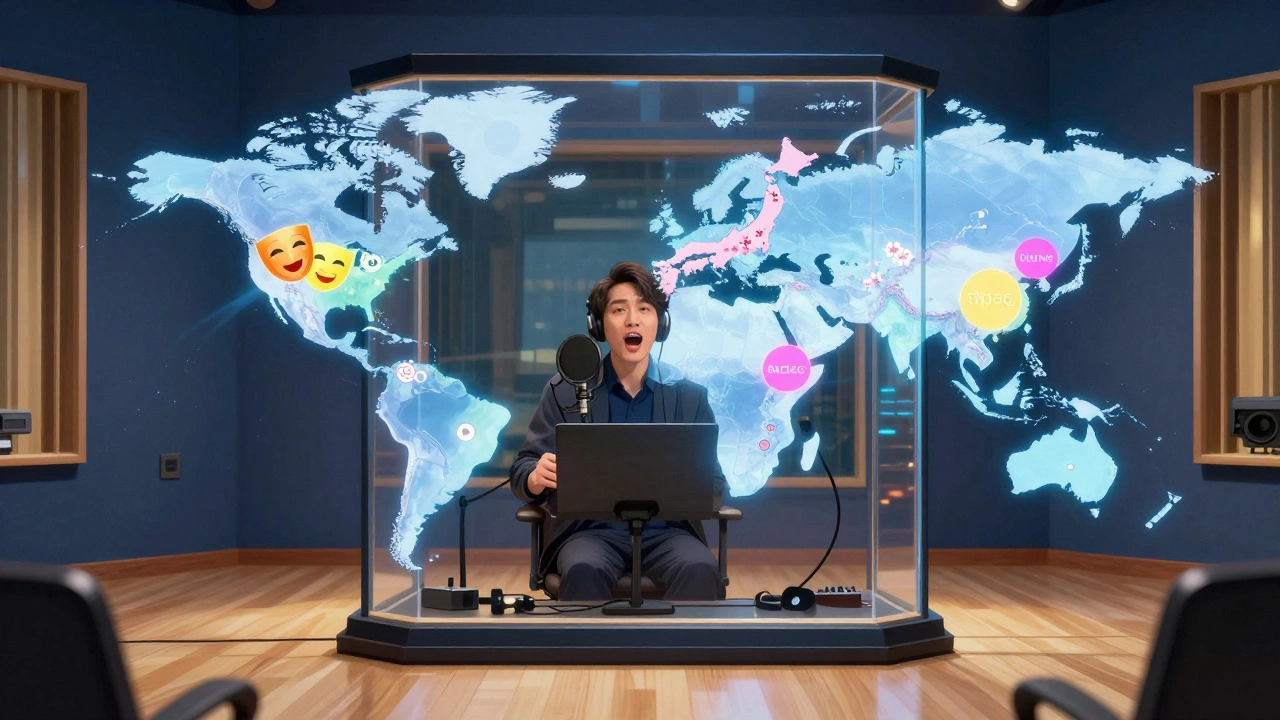
The Financial Impact of Localization
Let’s talk numbers. Investing in high-quality localization costs more upfront. Hiring A-list voice talent, rewriting scripts, and creating custom marketing assets adds millions to the budget. However, the return on investment (ROI) is substantial when measured against international box office performance.
- Higher Opening Weekends: Films with tailored voice casting see 15-25% higher opening weekend attendance in key non-English markets.
- Longer Legs: Localized films hold their box office better week-over-week because word-of-mouth is stronger.
- Merchandise Sales: Characters that resonate locally drive higher toy and apparel sales. Kids want to be the hero they can understand emotionally.
- Brand Equity: Consistent quality builds trust. Audiences start expecting excellence from the franchise, reducing risk for future sequels.
Conversely, poor localization can sink a franchise. Remember the backlash when certain animated films used mismatched voices that aged characters incorrectly or delivered lines with the wrong emotional tone? Those negative reviews spread instantly on social media, damaging the brand’s reputation for years. In the age of instant connectivity, one bad dub can become a global meme-and not in a good way.
Challenges in Execution
Despite the clear benefits, executing perfect localization is hard. Coordination across dozens of countries, languages, and cultural norms requires immense logistical skill. Studios must balance consistency with creativity. Too much deviation from the original script risks confusing fans who know the source material. Too little adaptation risks alienating local viewers.
Another challenge is timing. Dubbing takes time-often months. With tight release schedules, studios sometimes rush the process, leading to lower quality. To combat this, forward-thinking studios begin localization planning during pre-production, not post-production. They involve local directors and writers early in the script development phase. This ensures that cultural nuances are considered before the final cut is locked.
Technology is also changing the game. AI-driven tools can now assist with initial translations and even generate rough voice drafts. However, human oversight remains essential. AI lacks the emotional intelligence to deliver a nuanced performance or craft a culturally relevant joke. The best approach combines AI efficiency with human artistry.
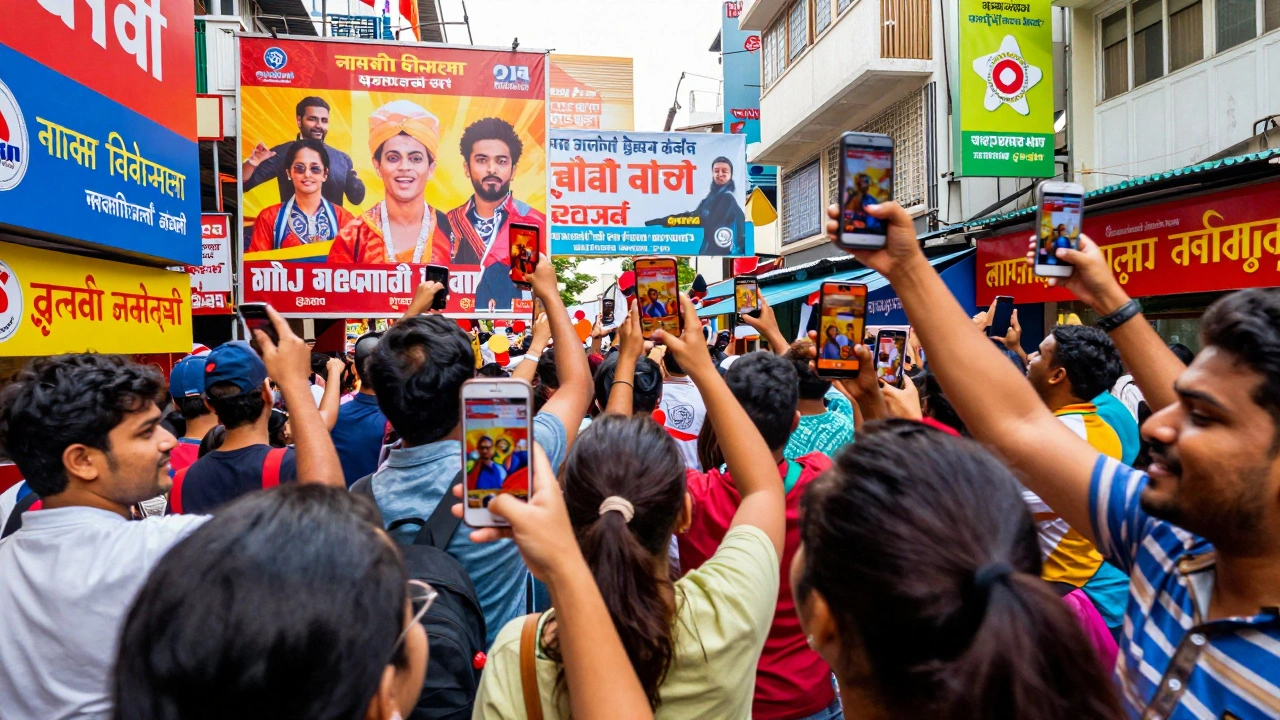
Case Study: Success in Diverse Markets
Look at how major animation studios handle their latest releases. One recent fantasy adventure film saw its highest per-screen average in India, not the US. Why? Because the Indian dub featured Bollywood stars known for their powerful vocal ranges and dramatic flair. The marketing campaign highlighted themes of destiny and family duty, which resonate deeply in Indian culture. The film wasn’t just a movie; it was a cultural celebration.
Similarly, a sci-fi franchise found unexpected success in South Korea by partnering with K-pop idols for voice roles. The crossover appeal brought in young adults who wouldn’t normally watch sci-fi. The social media buzz generated by these celebrities drove ticket sales far beyond traditional demographics.
These examples prove that localization isn’t a one-size-fits-all solution. It requires deep respect for each market’s unique preferences. When studios treat local audiences as partners rather than consumers, everyone wins.
Future Trends in Global Localization
As we move further into 2026, several trends are emerging. First, hyper-localization is becoming the norm. Instead of grouping all Spanish-speaking countries under one banner, studios are creating separate dubs for Spain, Mexico, Argentina, and Colombia. Each has distinct accents, slang, and cultural references. Ignoring these differences is no longer acceptable.
Second, interactive content is rising. Video games and immersive experiences are blending with film franchises. Voice actors are now expected to perform in multiple mediums simultaneously. This requires versatile talent who can adapt their performances for different formats.
Third, sustainability is entering the conversation. Virtual production and remote recording setups allow voice sessions to happen globally without flying talent around the world. This reduces carbon footprints and speeds up workflows. Studios are building virtual soundstages where directors in Los Angeles can collaborate with actors in Seoul in real-time.
Why is voice casting more important than subtitles for box office success?
While subtitles preserve the original performance, they create a barrier to entry for casual viewers, especially children and older adults. Voice casting removes this barrier, allowing audiences to fully immerse themselves in the story without reading. Studies show that dubbed films generally outperform subtitled ones in mass-market box office returns because they appeal to a broader demographic.
How much does professional localization cost compared to standard translation?
Professional localization, including script adaptation, A-list voice talent, and local marketing, can cost 3-5 times more than basic translation and dubbing. However, this investment typically yields a significantly higher ROI due to increased ticket sales, merchandise revenue, and long-term brand loyalty in international markets.
Can AI replace human voice actors in the future?
AI can assist with initial drafts and minor adjustments, but it cannot replicate the emotional depth, cultural nuance, and spontaneity of human performance. Audiences connect with humans, not algorithms. For major franchises aiming for emotional resonance, human voice actors remain irreplaceable.
What is the biggest mistake studios make in international marketing?
The biggest mistake is assuming a global campaign works everywhere. Using the same posters, slogans, and influencers across all regions ignores cultural differences. Successful marketing is hyper-local, addressing specific values, humor, and trends relevant to each country.
How do studios choose voice actors for different regions?
Studios collaborate with local casting directors who understand the cultural landscape. They look for actors who match the character’s energy and age, but also consider popularity and fan base. In some markets, celebrity status drives ticket sales, so A-list names are prioritized over pure vocal similarity.







Comments(9)