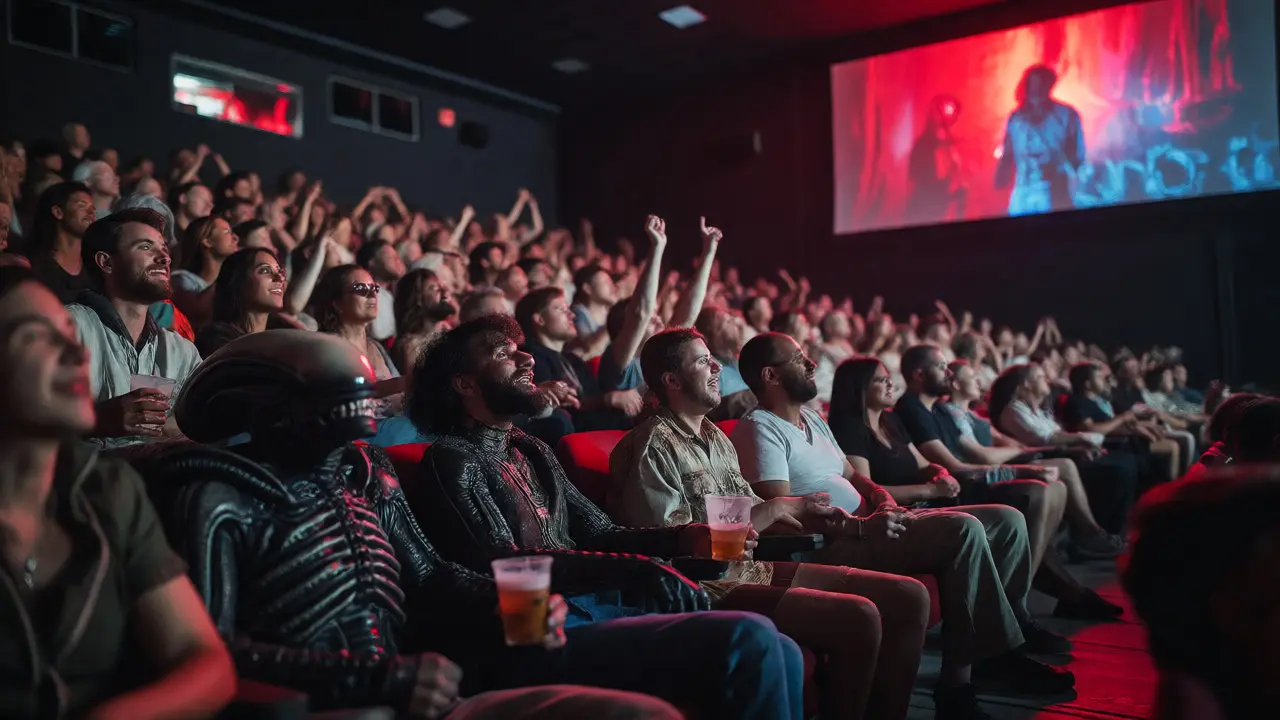
You know that feeling when you’re sitting in a dark theater, the air conditioning is blasting just enough to keep the sweat off your forehead, and the audience around you is holding its breath? That electric tension isn’t just about the movie on screen. It’s about where you are. For fans of horror and science fiction films, standard film festivals can feel like wearing a tuxedo to a barbecue. You want the grit, the gore, the lasers, and the people who actually get why a zombie apocalypse plot hole matters. That’s where genre festivals come in. They aren’t just screenings; they’re pilgrimages.
| Festival Name | Location | Primary Focus | Best For |
|---|---|---|---|
| Fantastic Fest | Austin, TX | Action, Horror, Sci-Fi | Industry networking & midnight madness |
| Sitges Film Festival | Sitges, Spain | Fantasy & Horror | European premieres & cosplay culture |
| Toronto After Dark | Toronto, Canada | Thriller, Horror, Action | North American distribution deals |
| Neuchâtel International Fantastic Film Festival | Neuchâtel, Switzerland | Sci-Fi, Fantasy, Weird | Art-house genre crossovers |
The Appeal Beyond the Screen
Why drive across the country or fly overseas for these events? It’s simple: community. In mainstream festivals, if you talk about practical effects versus CGI during lunch, people look at you weird. At a genre festival, that conversation is the main event. These gatherings create a safe harbor for enthusiasts who love the macabre and the futuristic. You’ll meet directors who spent three years building animatronic monsters, actors who survived on protein shakes while hanging from wires, and fans who have memorized every line of dialogue from obscure 1980s slashers.
The atmosphere is distinct. Take Fantastic Fest in Austin, Texas. It’s held in September, right after the heat breaks slightly, but the energy remains intense. The festival blends Hollywood glamour with underground grit. You might see a major studio executive sipping a beer next to a cosplayer dressed as a xenomorph. This mix attracts distributors looking for the next big hit. If you’re an indie filmmaker with a low-budget creature feature, this is where you pitch. The crowd here doesn’t just watch; they participate. Screaming at the screen, cheering for kills, and debating theories in the lobby until 3 AM is part of the package.
Europe’s Dark Heart: Sitges
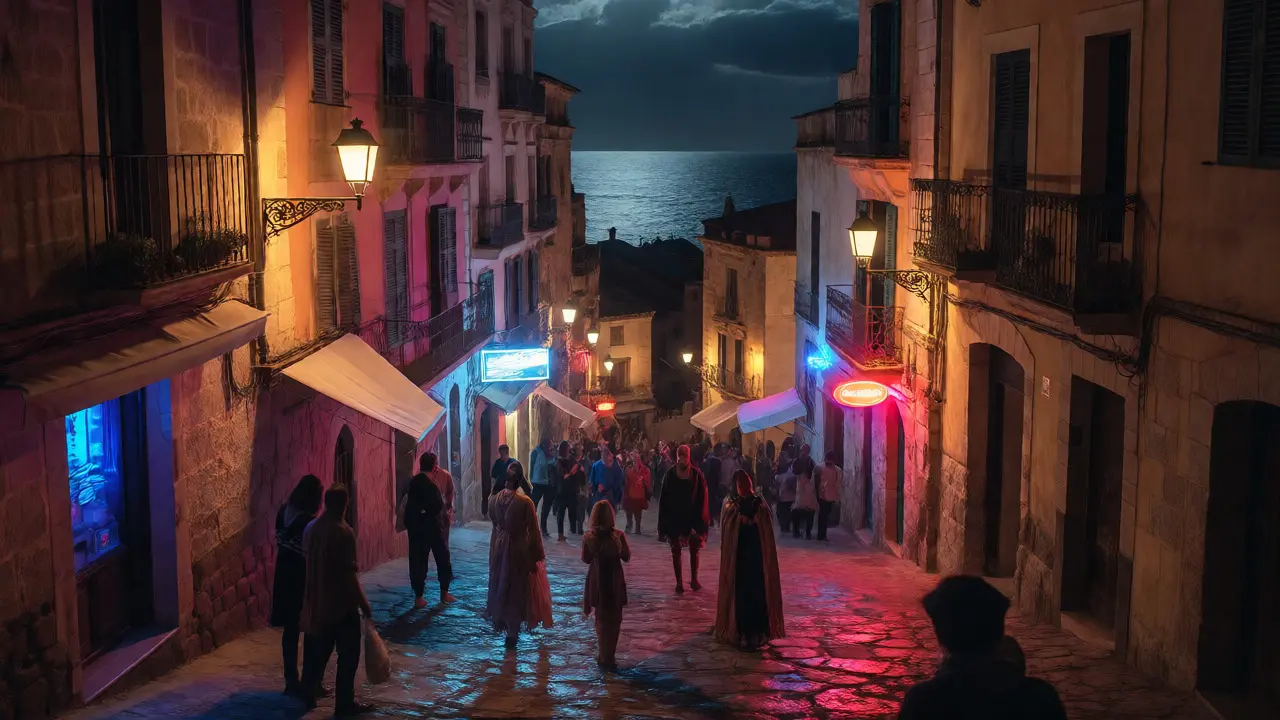
If Austin is the party, Sitges Film Festival in Spain is the ritual. Held annually in October on the Mediterranean coast, it’s one of the oldest and most prestigious genre festivals in the world. Founded in 1967, it has a history that predates many modern franchises. What makes Sitges unique is its integration with the town itself. The entire coastal village transforms. Bars stay open late, streets fill with costumes, and the local population embraces the chaos rather than shunning it.
Sitges focuses heavily on international cinema. While Hollywood dominates US festivals, Sitges showcases films from Asia, Latin America, and Eastern Europe. You’ll find Korean thrillers, Japanese anime features, and Spanish psychological horrors that never made it to North American theaters. The jury awards, particularly the Méliès d’Or, carry significant weight in the European market. Winning here can launch a director’s career globally. For viewers, it’s an education in global fear. You realize that what scares a person in Seoul might differ from what terrifies someone in New York, yet the core human anxieties remain the same.
The Art-House Edge: Neuchâtel and Others
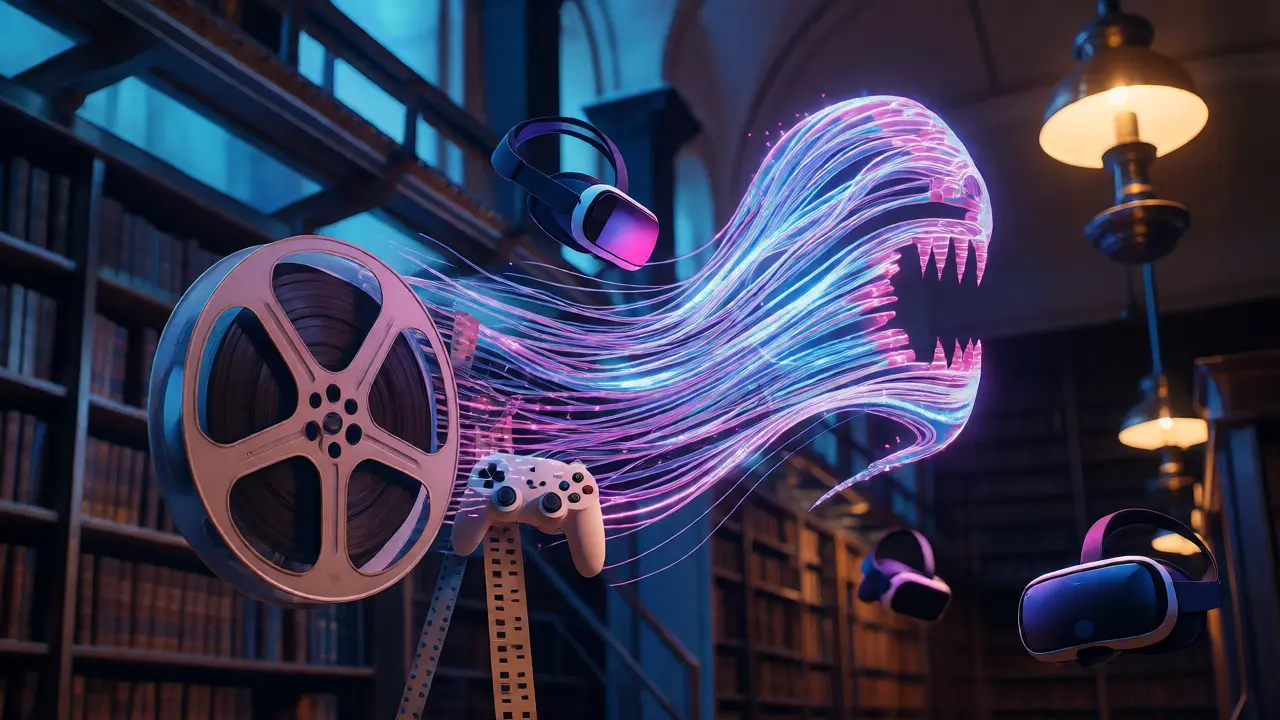
Not all genre festivals are about jump scares and explosions. Some focus on the weird, the surreal, and the experimental. Neuchâtel International Fantastic Film Festival (NIFFF) in Switzerland exemplifies this approach. NIFFF treats genre cinema as serious art. Their program includes not just movies, but video games, virtual reality experiences, and academic panels discussing the sociology of monsters.
This festival appeals to a different demographic. Here, you’ll find students studying media theory alongside hardcore collectors. The programming often highlights works that blur the line between documentary and fantasy. Imagine a film about urban legends presented with the rigor of an ethnographic study. NIFFF also hosts the "GEEK" section, which explores digital culture, showing how gaming narratives influence modern filmmaking. If you’re tired of the same old slasher formulas, this is where you go to expand your palate. It challenges the notion that genre films are lesser art forms.
North America’s Hidden Gems
Beyond the giants, there are smaller festivals that punch above their weight. Toronto After Dark (though its format has evolved) historically served as a crucial bridge between Canadian production talent and international buyers. Similarly, festivals like Shriekfest in Los Angeles provide a platform for female filmmakers in horror, a sector that has historically been male-dominated. Shriekfest specifically curates films directed by women, ensuring diverse perspectives on fear and survival.
These smaller events offer better access. At Fantastic Fest, getting a selfie with a star is tough. At Shriekfest, you might end up having dinner with the director. The intimacy fosters genuine connections. For aspiring creators, attending these niche festivals is often more valuable than trying to network at larger, impersonal events. You learn the business side-how to secure distribution, how to handle sales agents, and how to market a niche product without losing your soul.
How to Make the Most of Your Trip
Going to a genre festival requires strategy. First, book accommodations early. Cities hosting these events sell out fast, especially near the venues. Second, plan your schedule but leave room for spontaneity. Q&A sessions often reveal more than the films themselves. Directors might share behind-the-scenes secrets about how they created a specific effect or why they chose a particular ending.
- Prioritize Premieres: World premieres generate buzz. Being there first means you’re part of the initial reaction wave.
- Engage with Cosplayers: Don’t just take photos. Ask about their builds. Many use 3D printing or foam crafting techniques that intersect with film production methods.
- Attend Panels: Look for discussions on practical effects, sound design, or financing indie horror. These are goldmines for knowledge.
- Network Authentically: Avoid handing out business cards immediately. Talk about the films you both loved. Build rapport first.
Food is another critical aspect. Genre festivals often partner with local breweries or food trucks that offer themed menus. Trying a "blood sausage" or a green-colored cocktail adds to the immersion. It’s a multisensory experience. The smell of popcorn mixes with the scent of latex costumes and the hum of excited chatter.
The Future of Genre Cinema
As streaming platforms flood the market with content, physical festivals become more important. They filter the noise. Curators select only the best, saving you time. Moreover, the rise of VR and AR technologies means festivals are evolving. Some now include immersive experiences where you walk through a haunted house designed by a famous director. This blurring of lines between viewer and participant defines the future of entertainment.
For horror and sci-fi fans, these festivals are sanctuaries. They validate our passions. In a world that often dismisses genre films as B-movies, these events declare them essential. They prove that stories about aliens, ghosts, and mutants explore the deepest parts of the human condition. So, pack your bags, buy your tickets, and prepare to scream, laugh, and cheer. The monsters are waiting.
What is the biggest horror film festival?
While size varies by metric, Fantastic Fest in Austin, Texas, is widely considered the largest genre-focused festival in North America due to its high volume of industry attendees and premiere screenings. However, Sitges in Spain is arguably the most prestigious internationally, with a longer history and stronger focus on artistic merit.
Do I need to speak Spanish to attend Sitges?
No, you do not. Most films shown at Sitges are subtitled in English or Spanish, and many staff members speak English. The festival caters heavily to international tourists, so signage and information are available in multiple languages, primarily English and Spanish.
Are genre festivals suitable for families?
It depends on the specific screening. Many festivals have family-friendly blocks featuring animated sci-fi or light fantasy films. However, the majority of horror selections are rated R or unrated, containing strong violence or language. Always check the age rating before bringing children.
How much does it cost to attend Fantastic Fest?
Passes typically range from $200 to $500 USD depending on whether you want single-day access or full-festival passes. Individual tickets are usually cheaper but sell out quickly. Prices may vary year-to-year based on demand and special guest appearances.
Can I submit my own film to these festivals?
Yes, most major genre festivals accept submissions via platforms like FilmFreeway. Submission fees generally range from $40 to $80. Deadlines are strict, often closing several months before the festival dates. Early bird discounts are common, so planning ahead saves money.


Comments(7)