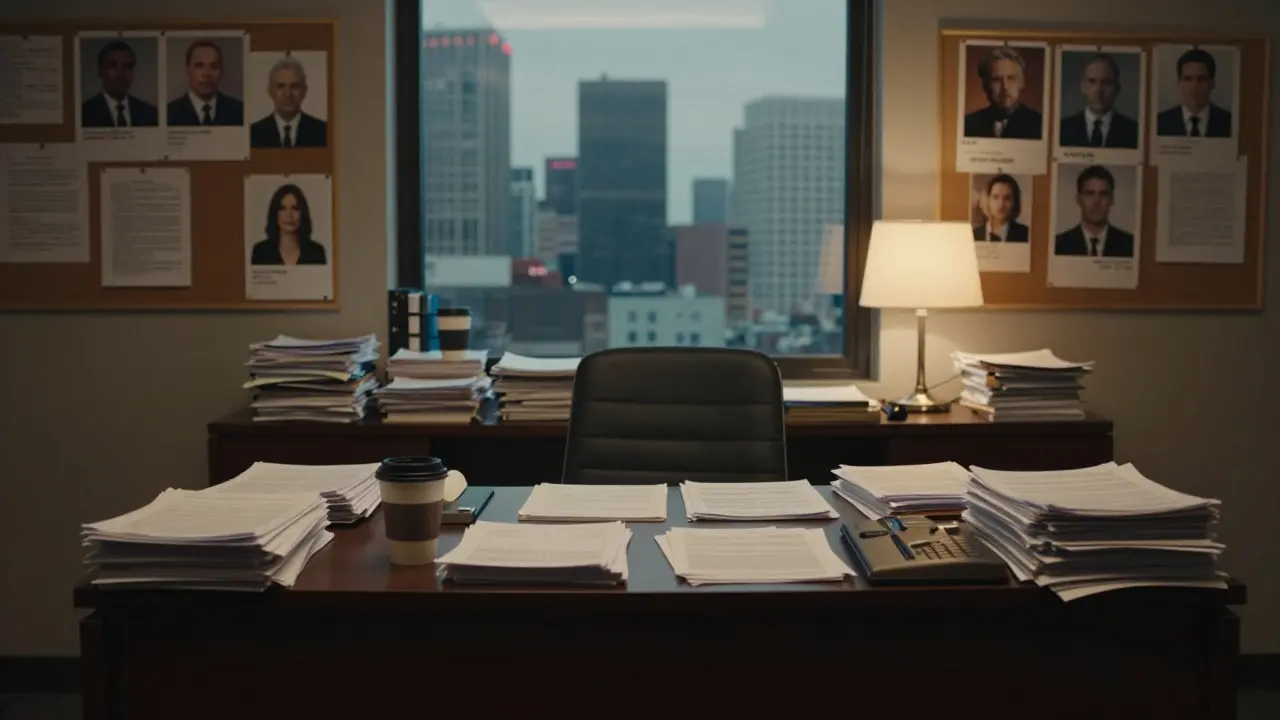
Ever wonder why that specific actor got the lead role in your favorite movie? It’s rarely about who is the most famous or who has the best social media following. The real magic happens behind closed doors, orchestrated by Casting Directors are specialized professionals who identify, evaluate, and select actors for roles in film, television, and theater. They act as the bridge between the director’s vision and the available talent pool, often working with hundreds of candidates to find the one person who fits the character perfectly. The job isn’t just about picking pretty faces. It’s a high-stakes logistical and creative operation. A single major feature film might involve over 50 speaking roles and thousands of background extras. Managing this requires a deep understanding of performance, budget constraints, and industry politics. If you’ve ever watched an audition tape or read a script breakdown, you’re seeing the output of their work. But how does it actually happen? Let’s break down the machinery that turns a page of text into a living, breathing character on screen.
The Role of the Casting Director vs. The Director
Many people assume the director picks the actors. While the director has final say, they usually don’t have the time to watch every single audition. That’s where the casting director steps in. Think of them as the gatekeepers. They review initial submissions, shortlist the top contenders, and schedule the actual meetings with the director and producers. Directors focus on the artistic interpretation of the scene. They want to know if the actor can deliver the line with the right emotion. The casting director, however, looks at the bigger picture. Can this actor carry a two-hour runtime? Do they have the stamina for a grueling shoot schedule? Are they easy to work with? These practical questions often weigh just as heavily as the artistic ones. This partnership is crucial. A great director with a bad casting choice can ruin a film. Conversely, a skilled casting director can elevate a solid script by finding an unexpected gem who brings something new to the table. You see this dynamic clearly in productions like those handled by major agencies such as CAA (Creative Artists Agency), which represents many top-tier talent and facilitates these high-level negotiations.Step-by-Step: How the Selection Process Works
The journey from script to signed contract follows a strict hierarchy. Skipping steps can derail a production, so the process is rigid but necessary.- Script Breakdown: Once the script is locked, the casting director analyzes every character. They create a detailed profile for each role, including age range, physical traits, and psychological depth. This document becomes the blueprint for the search.
- Talent Search: For lead roles, the team reaches out to known agents. For supporting parts, they might open the floor to open calls or check databases of previously seen actors. Background artists are often sourced from local pools to save money.
- Initial Auditions: Actors submit self-tapes or attend live readings. The casting team watches dozens of these daily. Most actors never get past this stage. The goal here is to filter out those who don’t fit the basic requirements.
- Callback Rounds: The top 10-20 names move to the next level. Here, actors meet the director. They perform key scenes, often improvising to test chemistry with other cast members already selected.
- Screen Tests: For leads, the studio requests video recordings. These are filmed under controlled conditions to see how the actor looks on camera. Lighting, lens choice, and framing all matter here. A great live performer might not translate well to digital sensors.
- Negotiation and Signing: Once the choice is made, lawyers step in. Contracts are negotiated, insurance is secured, and the actor is officially booked.
The Chemistry Read: More Than Just Vibes
You’ve probably heard the term "chemistry read." It sounds vague, but it’s a critical technical step. When two characters interact heavily, the director needs to see if the actors generate natural energy together. It’s not just about whether they like each other personally; it’s about whether their performances complement or contrast effectively. For example, in a romantic drama, you need tension. In a buddy cop comedy, you need comedic timing. The casting director schedules these paired auditions specifically to observe this dynamic. Sometimes, the individual performances are good, but the pair feels flat. In those cases, they might swap one actor out entirely, even if that actor was perfect for the solo scenes. This is why casting is a puzzle, not just a lineup.
Budget Constraints and Union Rules
Artistic preference doesn’t exist in a vacuum. Money dictates reality. SAG-AFTRA is the trade union representing actors and media performers in North America, setting minimum pay scales, working hours, and pension contributions. Hiring a non-union actor saves money upfront but limits distribution options. Many streaming platforms require union coverage for certain tiers of content. Therefore, the casting director must balance star power with salary caps. A breakout star might cost $5 million, while a rising talent might cost $50,000. The difference impacts the entire production budget, potentially affecting visual effects or location shoots. Additionally, there are legal considerations. If a role requires a specific demographic representation, diversity mandates from studios or networks can influence the shortlist. This isn’t just political correctness; it’s often a contractual requirement for funding. The casting director ensures compliance while still finding the best performer for the part.Common Myths About Getting Cast
Let’s bust a few myths that persist in the industry.- "It’s all about connections."> True, but only to get the door opened. Connections get you the audition. Performance gets you the job. No agent will push a client who bombs the room repeatedly.
- "Height matters more than talent."> While height charts exist for ensemble casts, close-ups erase physical differences. A 5'4" actor can play a commanding figure if the direction supports it. Versatility beats static metrics.
- "If you don’t hear back, you were rejected."> Not necessarily. Sometimes budgets shift, or a lead falls out, reopening the process. Keep your materials fresh and stay active.

Tools and Technology in Modern Casting
The pandemic accelerated the adoption of digital tools. Platforms like Stage 32 allow directors to share scripts securely and receive self-tapes directly. This global reach means a director in Los Angeles can cast an actor based in London without flying anyone out initially. However, this also floods the system with submissions. Casting directors now use AI-assisted filtering tools to tag videos by age, gender, and skill set, reducing manual review time. Despite the tech, the human element remains. Algorithms can’t judge nuance. Only a human eye can spot the spark that makes a character believable.| Stage | Primary Goal | Key Participants | Typical Duration |
|---|---|---|---|
| Script Breakdown | Define character profiles | Casting Director, Director | 1-2 Weeks |
| Open Calls/Self-Tapes | Mass screening of talent | Casting Team, Actors | 2-4 Weeks |
| Callbacks | Chemistry and director interaction | Director, Producers, Actors | 1 Week |
| Screen Tests | Visual verification on camera | Studio Executives, Director | 2-3 Days |
Frequently Asked Questions
Do casting directors have the final say?
Usually, no. They recommend the top choices, but the director and producers make the final decision. However, if the casting director strongly opposes a pick, it often signals a problem that may be resolved before signing.
How long does the casting process take for a main role?
For a lead role in a feature film, it typically takes 4 to 8 weeks. Smaller projects or indie films might move faster, while big-budget blockbusters can spend months securing top-name stars.
What is a screen test?
A screen test is a recorded performance shot on professional camera equipment. It allows the studio to see how the actor looks in different lighting and angles, ensuring they fit the visual style of the film.
Can actors get cast without an agent?
Yes, especially for background roles or small indie projects. However, for significant speaking roles, agents are almost always required to handle contracts and negotiate fees, particularly for union work.
Why do some actors fail chemistry reads?
It often comes down to energy mismatch. One actor might be too dominant, overpowering the other, or both might lack the specific emotional dynamic the director wants. It’s not personal; it’s about narrative function.






Comments(7)