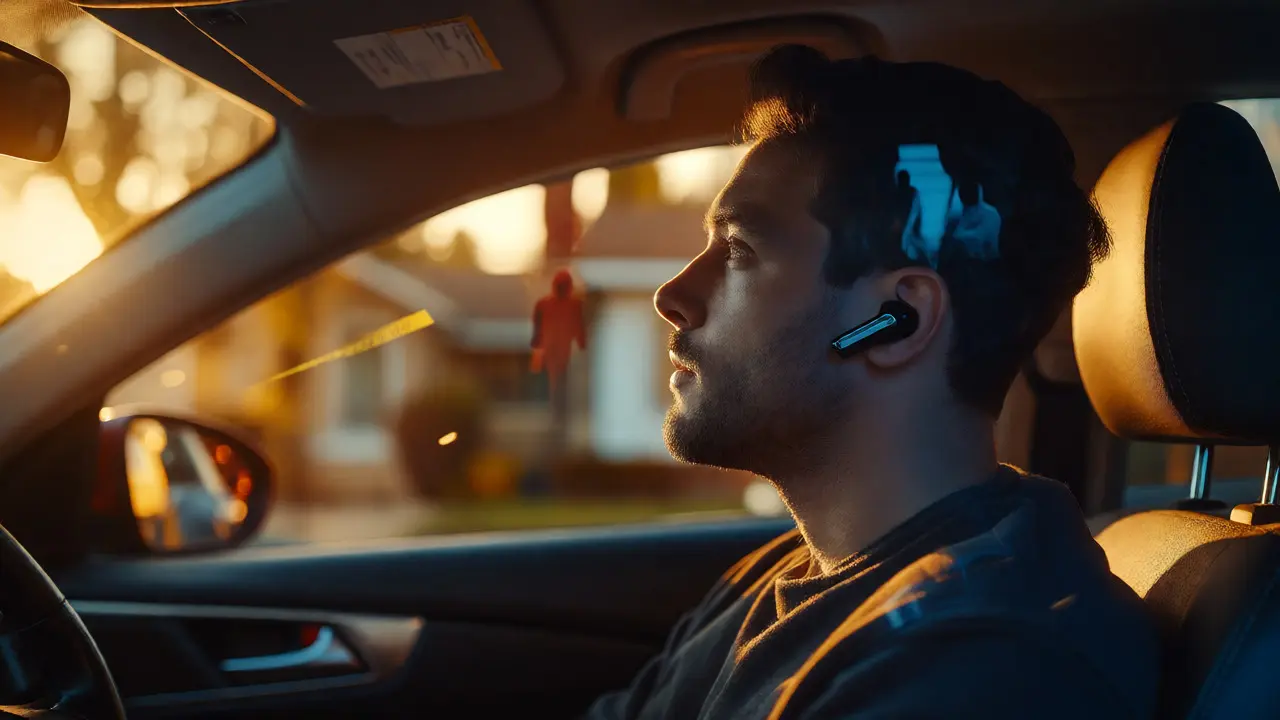
You’re driving to work, listening to a gripping true-crime series or a deep-dive history podcast. The narrative is so vivid you can see the scenes in your head. Then, six months later, you see that same story on a streaming platform as a high-budget limited series or a feature film. It’s not just coincidence; it’s a deliberate industry shift. We are living through the golden age of audio-to-visual adaptation, where the intimacy of spoken word is being translated into the spectacle of cinema.
This isn’t new-radio dramas became TV shows decades ago-but the scale and speed have changed. In 2026, studios aren't just looking for existing books or comics. They are mining digital media archives for proven audiences. Why? Because a podcast with two million downloads proves people care about the characters before a single frame is shot. That’s risk mitigation at its finest. If you’re wondering how a voice recording becomes a blockbuster, or why your favorite YouTube essayist is suddenly writing screenplays, here is the breakdown of this evolving landscape.
The Economics of Proven Engagement
Hollywood is terrified of original ideas. Not because they’re bad, but because they’re unproven. When a studio buys the rights to a hit podcast, they aren’t buying a script; they are buying data. They know exactly who the audience is, what themes resonate, and which plot twists generate the most social media chatter. This reduces the marketing spend significantly. Instead of explaining what the movie is about, marketers simply say, "It’s based on the podcast everyone is talking about."
Consider the financial model. A successful mid-tier podcast might cost $50,000 to produce per season. Acquiring those rights might cost $100,000-$500,000 depending on the host's leverage. Compare that to acquiring a novel from a bestseller list, which can run into seven figures, or developing an original screenplay from scratch, which involves years of development hell. The ROI potential is immediate because the fanbase exists on day one. Studios like Netflix and Amazon Prime Video have created dedicated divisions solely for scouting audio properties, treating them as pre-tested IP (Intellectual Property).
True Crime: The Gateway Drug
If there is one genre that paved the way, it’s true crime. Shows like Serial didn’t just popularize podcasts; they proved that audio could sustain long-form tension without visuals. When Serial was adapted, it wasn’t just a retelling; it validated the format. Now, every major streaming service has a pipeline for true-crime audio adaptations.
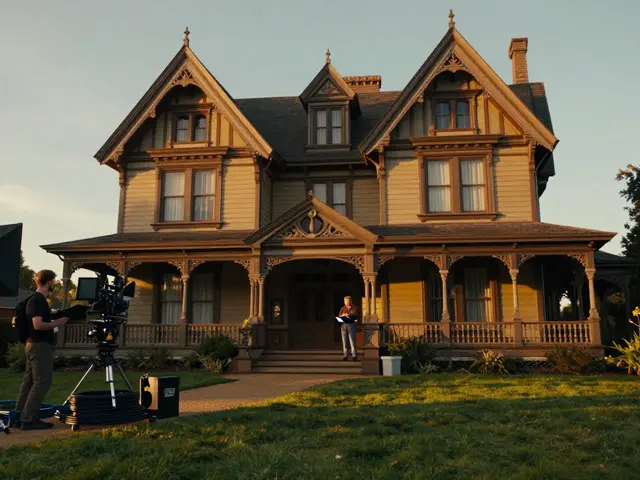
The challenge here is visual translation. Audio relies on imagination. Visuals force specificity. If a podcast describes a suspect as "tall and menacing," the listener imagines their own version. The film must cast a specific actor, build a specific set, and choose a specific lighting scheme. This often leads to friction between purists and filmmakers. However, the most successful adaptations lean into the documentary style, using archival footage and reenactments that mirror the investigative tone of the original audio. They don’t try to be Hollywood blockbusters; they try to be immersive documentaries.
| Source Type | Audience Certainty | Production Cost | Adaptation Difficulty |
|---|---|---|---|
| Best-Selling Novel | High | Very High ($1M+) | Moderate (Visualizing prose) |
| Hit Podcast | Medium-High | Low-Medium ($100k-$500k) | High (Lack of visual cues) |
| Viral TikTok Thread | Low-Volatile | Low (<$50k) | Very High (Short attention span) |
| Original Screenplay | None | Variable | High (Unproven concept) |
Beyond True Crime: Fiction and Comedy
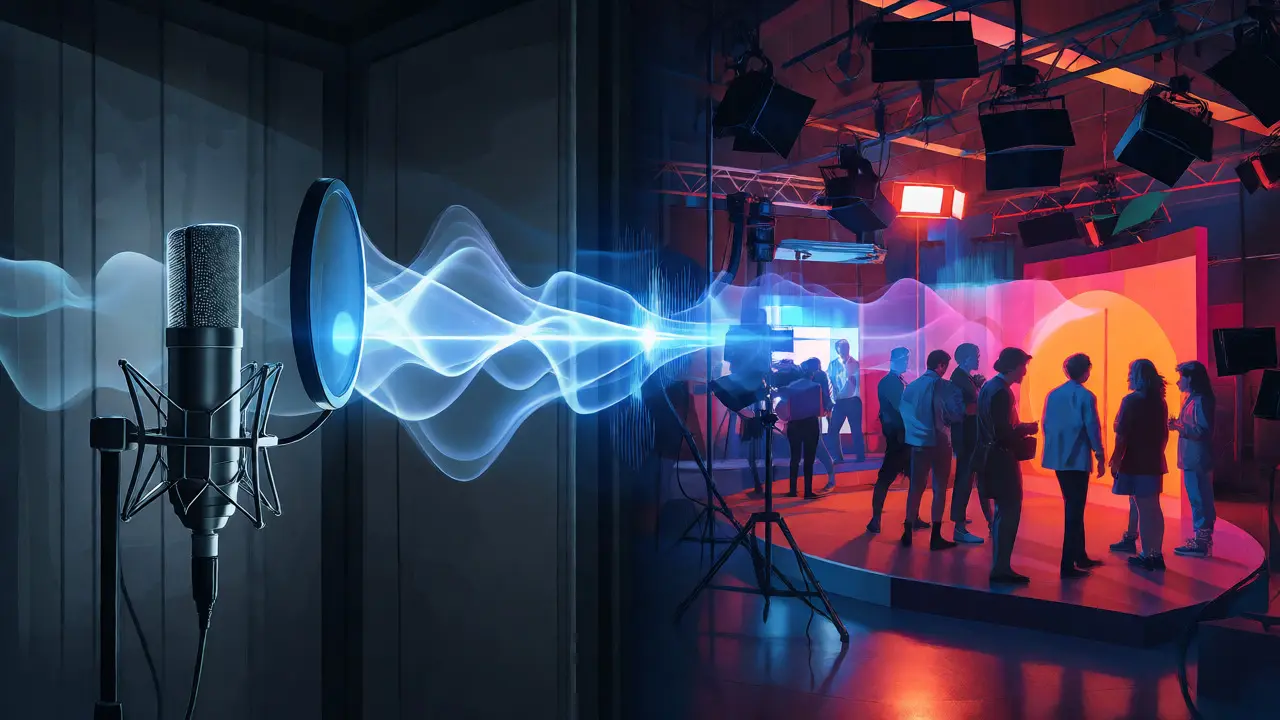
While true crime dominates headlines, fiction podcasts are quietly building massive franchises. Fictional audio dramas offer something unique: unlimited budget for special effects. In audio, a dragon flying over a city costs nothing more than sound design. When these stories move to screen, the budget explodes, but the world-building is already done. Writers don’t need to invent lore; they just need to visualize it.
Comedy podcasts present a different challenge. Stand-up specials have always been filmed, but conversational comedy podcasts like The Joe Rogan Experience or niche improv groups rarely translate well to scripted narratives. The magic is in the chemistry, not the plot. To adapt these, creators often create fictionalized versions of themselves, blurring the line between reality and satire. Think of it as meta-commentary. The success rate here is lower, but when it hits, it creates a cult following that sustains multiple seasons.
The Role of Creators in the New Ecosystem
Gone are the days when authors sold their rights and went back to writing. Today, podcast hosts demand executive producer credits. They want creative control over casting, tone, and even the soundtrack. This shift reflects a broader change in media ownership. Creators are becoming brands. A host’s name on the poster guarantees a certain level of quality and consistency.
This collaboration can be tricky. Filmmakers are used to hierarchical structures; podcasters are used to autonomy. Friction arises when directors want to cut a beloved monologue for pacing, while the host insists it’s crucial for character development. Successful partnerships establish clear boundaries early. Usually, the creator handles the "spirit" of the adaptation, while the showrunner handles the "mechanics" of television production. It’s a delicate dance, but necessary for authenticity.
Technical Challenges: From Soundstage to Set
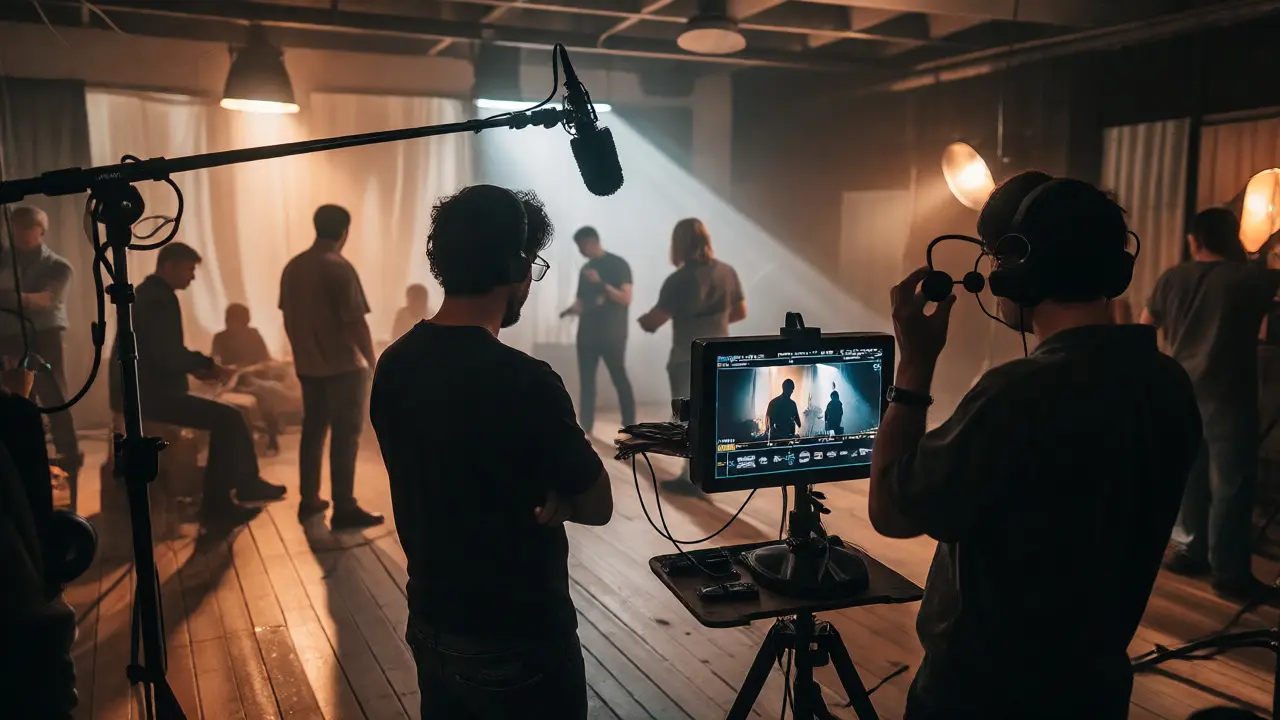
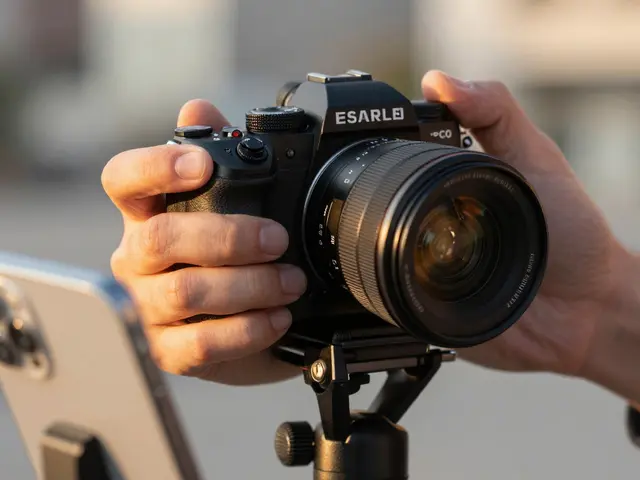
Adapting audio to video isn’t just about hiring actors. It requires rethinking the entire production pipeline. Audio stories are linear and internal. Films are external and spatial. You can’t just point a camera at someone talking. You need to create subtext. If a character says, "I’m fine," in a podcast, the voice actor’s tremor tells you they’re lying. On screen, you need close-ups, body language, and environmental cues to convey the same information.
Sound design plays a pivotal role. Many audio adaptations retain the original soundscapes as a stylistic choice. Using binaural audio techniques or retaining the narrator’s voice-over helps bridge the gap between mediums. It reminds the audience of the source material while grounding them in the visual reality. This hybrid approach is becoming increasingly common, especially in horror and thriller genres where atmosphere is everything.
What’s Next for Audio Adaptations?
We are moving toward interactive adaptations. Imagine watching a film where you can switch perspectives, hearing the internal monologue of different characters, much like switching tracks in a podcast. AI-generated dubbing and localization are also making global audio hits instantly adaptable for international markets. A Korean webtoon-turned-podcast can now be adapted for US audiences with minimal cultural friction thanks to improved translation tools.
For listeners, this means more choices. For creators, it means new revenue streams. But it also raises questions about saturation. Will every viral thread become a movie? Probably not. The key will be depth. Audio that offers complex characters and intricate plots will survive the transition. Content that relies solely on shock value or short-term trends will likely remain digital-only.
Why do studios prefer adapting podcasts over original scripts?
Studios prefer podcasts because they come with a built-in audience and measurable engagement data. This reduces financial risk and marketing costs, as fans are already invested in the story and characters before the visual adaptation is released.
Do podcast hosts get paid for film adaptations?
Yes, typically through upfront licensing fees and backend royalties. Many top-tier hosts also negotiate for Executive Producer credits, giving them creative input and a share of profits, turning their audio brand into a multi-platform franchise.
What is the biggest challenge in adapting audio to film?
The main challenge is translating internal monologues and auditory imagination into visual cues. Audio allows listeners to visualize scenes uniquely, whereas film forces a specific interpretation, which can disappoint purists if not handled with care and fidelity to the original tone.
Are all podcast genres equally likely to be adapted?
No. Narrative-driven genres like true crime, mystery, and serialized fiction have the highest adaptation rates. Conversational or interview-based formats struggle to translate into scripted drama unless they use a meta-fictional approach or focus on biographical elements.
How does AI impact future audio-to-film adaptations?
AI facilitates faster localization and dubbing, allowing regional audio hits to reach global audiences quickly. It also assists in pre-visualization, helping directors plan shots based on audio waveforms and emotional peaks identified by machine learning algorithms.


Comments(6)