For decades, making a feature-length film required a bank loan, a union crew, and a studio backer. Today, a single person with a smartphone and a laptop can shoot, edit, color-grade, and distribute a professional-looking movie for less than the cost of a mid-range sedan. This shift isn't just about cheaper cameras; it is a fundamental restructuring of who gets to tell stories. The democratization of filmmaking has moved from a theoretical promise to a practical reality, powered by rapid advancements in accessible hardware and software.
You don't need a Hollywood budget to compete anymore. You need the right tools and a clear vision. The barrier to entry has dropped so significantly that the quality gap between a $5,000 indie project and a $50,000 studio pilot is narrowing fast. Let's look at exactly how affordable technology is changing the landscape for independent creators in 2026.
The Camera Revolution: Smartphones and Mirrorless Hybrids
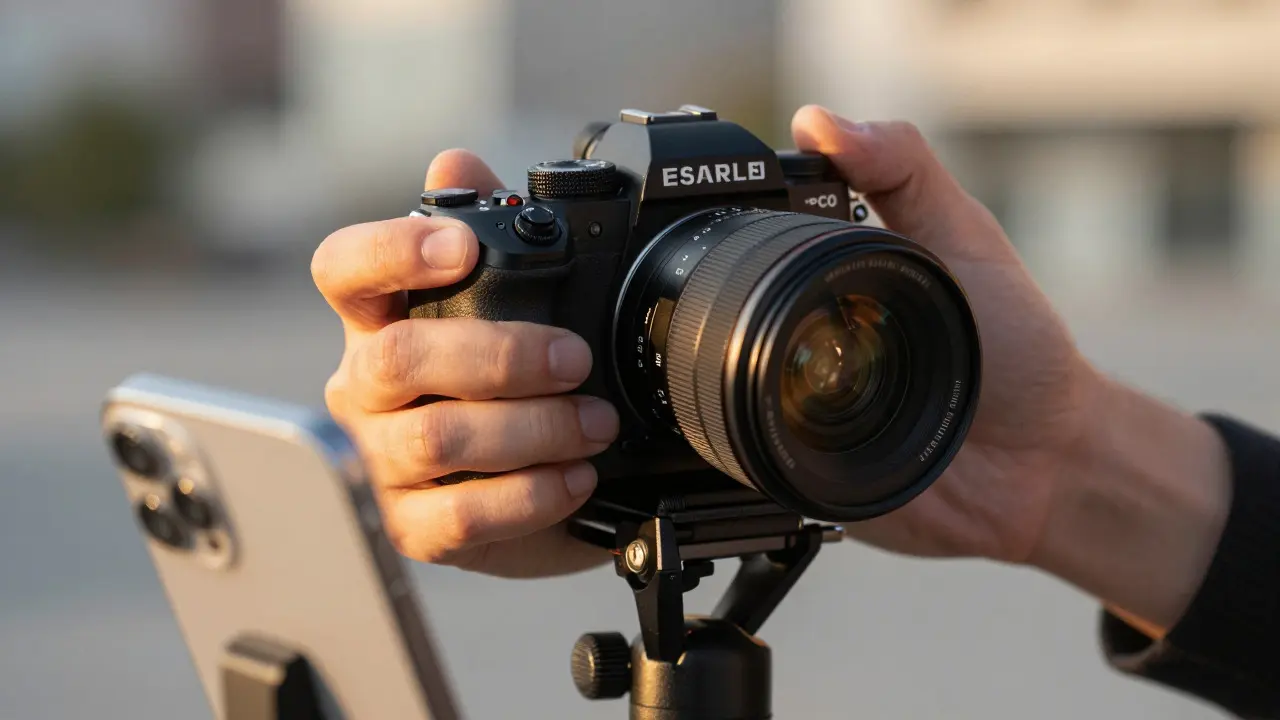
The biggest change in the last five years hasn't been the arrival of new cinema cameras, but the evolution of devices you already own. Modern smartphones now record in 8K resolution with advanced computational photography that stabilizes footage and corrects exposure in real-time. For many short films and social media content, this is sufficient. But for feature-length narratives, most independent filmmakers have turned to mirrorless interchangeable-lens cameras (MILCs).
These cameras offer full-frame sensors that capture dynamic range previously reserved for high-end cinema rigs. Models from Sony, Canon, and Fujifilm now include features like internal ProRes recording, which allows for higher bit rates and better color grading flexibility without needing external recorders. The price point for these bodies has dropped below $2,000, making them accessible to serious hobbyists and first-time directors. Pairing one of these bodies with a few prime lenses costs less than a single day of renting a traditional cinema package.
| Equipment Type | Avg. Cost (USD) | Key Advantage | Best For |
|---|---|---|---|
| Flagship Smartphone | $1,000 - $1,500 | Portability, AI Stabilization | Vlogs, Short Docs, Social Content |
| Mirrorless Interchangeable-Lens Camera | $1,500 - $2,500 | Dynamic Range, Lens Flexibility | Feature Films, Narrative Shorts |
| Used Cinema Camera Body | $3,000 - $5,000 | Professional I/O, Modular Design | High-End Indies, Commercial Work |
Post-Production Power: Cloud Editing and AI Assistants
Shooting the film is only half the battle. Post-production used to be the most expensive phase, requiring powerful workstations and licensed software like Adobe Premiere Pro or DaVinci Resolve. While DaVinci Resolve remains the free standard for color correction, the editing workflow itself has shifted toward cloud-based collaboration.
Tools like Frame.io and CapCut Pro allow multiple editors to work on the same timeline simultaneously from different locations. This is crucial for independent teams that often consist of friends or family members working remotely. More importantly, artificial intelligence is now handling the tedious parts of post. Auto-transcription features turn audio into text instantly, creating searchable transcripts that speed up dialogue editing. AI-assisted rough cuts can assemble scenes based on script markers, reducing the time spent on assembly by up to 40%.
Color grading, once a specialized skill requiring an LUT designer, is now more approachable. Built-in profiles in modern cameras and AI-driven skin tone preservation ensure that your footage looks consistent across different lighting conditions. You no longer need a dedicated colorist to get a cinematic look; you need a monitor with good color accuracy and a willingness to learn the basics of node-based workflows.
Sound and Lighting: The Invisible Heroes
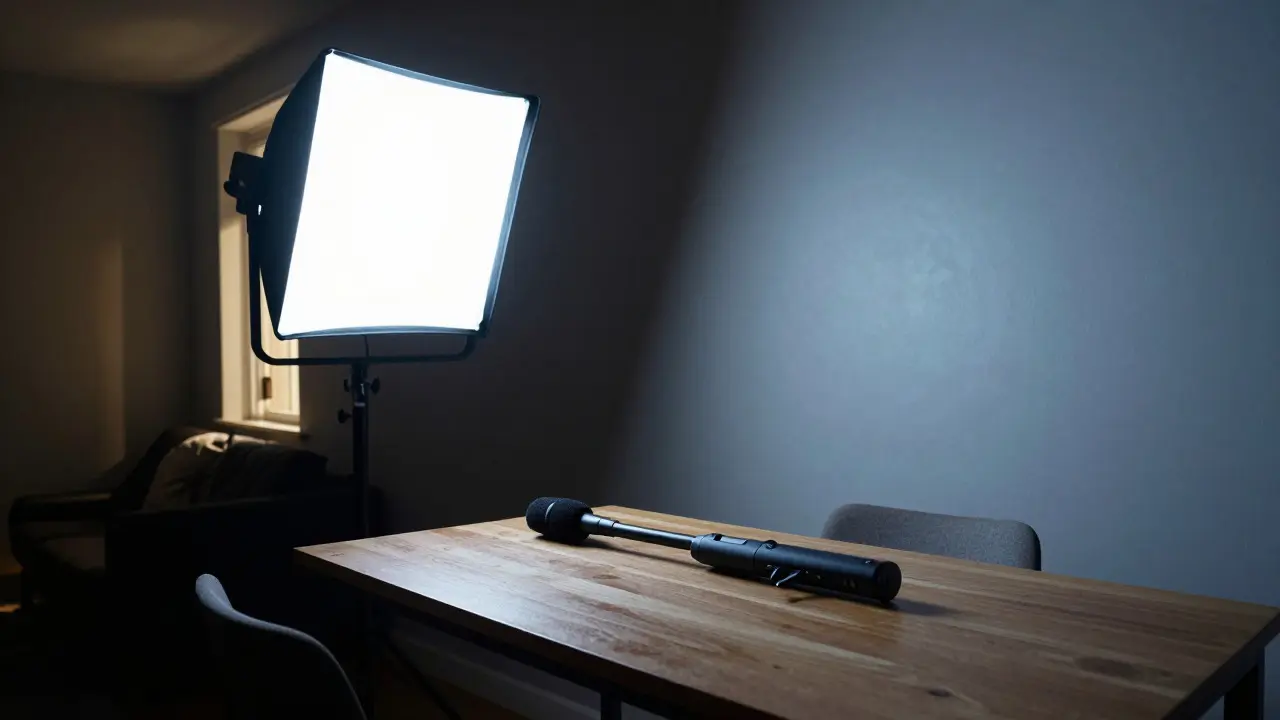
Viewers forgive shaky camera work more easily than they forgive bad audio. Yet, sound equipment remains one of the most affordable parts of any production kit. A shotgun microphone paired with a small recorder costs under $300 and provides broadcast-quality audio for dialogue. Wireless lavalier systems have also become compact and reliable, allowing actors to move freely without tripping over cables.
Lighting has seen similar progress. LED panels are energy-efficient, silent, and available in various color temperatures. Brands like Nanlite and Godox offer kits that fit in a backpack and provide enough power to light a room or create dramatic shadows. The key is understanding light ratios and direction rather than buying the most expensive fixture. A single 150-watt LED panel with a softbox can transform a flat scene into something three-dimensional and moody.
Distribution and Audience Building
In the past, getting a film seen meant attending festivals and hoping for a distributor. Now, distribution is fragmented and direct. Platforms like Vimeo On Demand, Tubi, and even YouTube allow filmmakers to monetize their work directly. However, the algorithm favors consistency and engagement over production value alone.
Independent filmmakers are building communities around their projects before release. Using social media clips, behind-the-scenes content, and interactive polls, creators engage potential audiences early. This not only builds hype but also provides valuable feedback on what resonates with viewers. The goal is no longer just to make a film, but to build a brand around the creator's voice.
Pitfalls to Avoid When Going Low Budget
While technology has made filmmaking more accessible, it hasn't removed the need for discipline. Here are common mistakes that sink low-budget projects:
- Over-shooting: Because storage is cheap, some creators shoot too much. This creates a massive amount of data to manage and slows down the editing process. Plan your shots carefully.
- Neglecting Continuity: Without a large crew, it's easy to lose track of details like wardrobe changes or prop positions. Use shot lists and continuity notes religiously.
- Ignoring Color Science: Shooting in Log mode gives you flexibility but requires proper white balance settings. If you forget to set white balance, your color grade will be a nightmare.
- Underestimating Storage: High-resolution video eats through SSDs quickly. Always have a backup strategy, preferably using the 3-2-1 rule (three copies, two different media types, one offsite).
The Future of Independent Cinema
As we move further into 2026, the line between "indie" and "mainstream" continues to blur. Studios are increasingly scouting talent on digital platforms, and successful indie films are being picked up for streaming rights within months of their festival debut. The technology is stable, the costs are predictable, and the audience is hungry for authentic stories.
You don't need permission to start. You need a story worth telling and the technical confidence to execute it. The tools are in your hands. The question is no longer whether you can afford to make a film, but whether you're ready to share it with the world.
What is the cheapest way to start making films in 2026?
The absolute cheapest method is using a modern smartphone with a tripod and a basic clip-on microphone. This setup costs under $200 if you already own a phone. For higher quality, add a mirrorless camera body and one prime lens for approximately $1,500.
Do I need a cinema camera for a feature film?
No. Many award-winning indie films are shot on mirrorless cameras or even high-end smartphones. What matters more is lighting, sound, and storytelling. Cinema cameras offer modular benefits but are not strictly necessary for a professional result.
How does AI help in independent filmmaking?
AI assists in post-production by automating transcription, generating rough cuts from script markers, and stabilizing handheld footage. It reduces manual labor, allowing smaller crews to focus on creative decisions rather than technical cleanup.
What is the best free software for editing and color grading?
DaVinci Resolve is widely considered the industry standard for free editing and color grading. It offers professional-grade tools for cutting, compositing, and color correction without any licensing fees.
How can I distribute my indie film without a studio?
You can use Video-On-Demand platforms like Vimeo On Demand or Tubi to sell or stream your film directly. Additionally, submitting to niche film festivals can generate press and attract distributor interest. Building a social media presence during production helps secure an initial audience.





Comments(9)