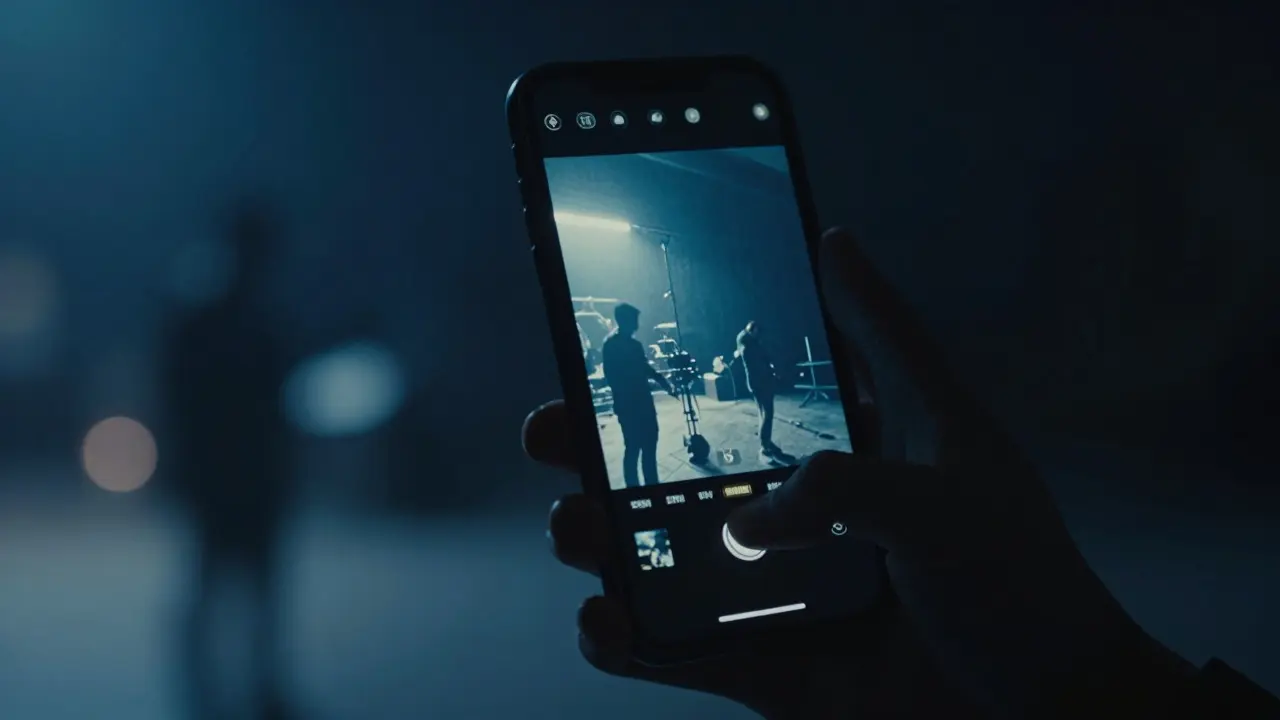
Imagine this: You’re scrolling through social media at 2 AM. A leaked photo of a set appears. The cast is there. The director is there. But the studio hasn’t said a word. Three months later, they announce the movie officially. By then, the hype is already building, and the marketing budget is working overtime. This isn't just bad luck; it’s a calculated move. In the modern film industry, franchise roadmaps are rarely public documents. They are strategic weapons used to control timing, manage risk, and maximize profit.
Most fans think studios have a five-year plan for every major IP (Intellectual Property). In reality, that plan changes monthly based on test screenings, streaming numbers, and competitor releases. Understanding the gap between what studios say publicly and what they do privately helps you predict which movies will actually happen-and which ones will vanish into the void.
The Myth of the Long-Range Plan
There is a persistent myth that Hollywood operates like a train schedule. If Movie A comes out in 2026, Movie B is locked in for 2028. That is almost never true. Studios operate on a "greenlight cycle" rather than a fixed roadmap. A project is only considered "real" once it has passed three specific hurdles: script approval, casting confirmation, and production scheduling. Before those hurdles are cleared, a movie exists only as a concept.
Public announcements often serve two purposes: locking in talent contracts and starting the marketing clock. For example, when a studio announces a sequel with a release date but no director attached, they are signaling to actors that the role is secured. However, the creative direction remains fluid. This creates a disconnect where the public sees a finished product in their minds, while the studio is still figuring out who should direct it or even if the story works.
Why Studios Keep Development Secret
Secrecy is the default state in film development for several practical reasons. First, there is the issue of leaks. In the age of smartphones, any set visit can become a viral moment. If a studio knows a project is risky-perhaps it’s a dark turn for a family-friendly brand-they keep it quiet until the tone is solidified. Revealing a tonal shift too early can alienate core fans before the movie is even made.
Second, secrecy allows for flexibility. If a franchise underperforms at the box office, the studio can quietly shelve the next installment without having to explain why a previously announced movie was canceled. Public commitments create legal and financial liabilities. If you announce a movie for December 2027, you start hiring crew, booking locations, and paying option fees on scripts. If the market shifts, canceling becomes expensive. Keeping it secret means keeping your options open.
Finally, there is the competitive landscape. If Studio A announces a superhero team-up for summer 2027, Studio B might rush to release their own ensemble piece in the same window to split the audience. By staying silent, studios can choose their release dates strategically, avoiding direct clashes with competitors.
Reading Between the Lines: Signals vs. Noise
So, how do you tell if a rumored sequel is real? You look for specific signals that go beyond mere speculation. Here is a breakdown of what actually indicates a project is moving forward versus what is just fan hope.
- Option Fees Paid: When a screenwriter signs an exclusive deal to write a specific title, it’s a strong signal. These deals usually last 12-18 months. If the fee expires without a renewal, the project is likely stalled.
- Casting Attachments: Actors don’t commit to long-term exclusivity lightly. If a lead actor agrees to hold their calendar for a year, the studio must have a concrete production plan. This is one of the most reliable indicators.
- Production Designers Hired: Unlike directors or writers, production designers are rarely hired until the script is final. Their involvement means the physical world of the movie is being built.
- Location Scouting: Filming requires permits and location bookings months in advance. If local news reports permit applications for a specific studio lot, the movie is happening.
On the other hand, noise includes vague statements from executives at press events, uncredited rumors from anonymous insiders, and social media posts by fans. While exciting, these rarely translate to greenlights.
The Role of Streaming in Modern Franchises
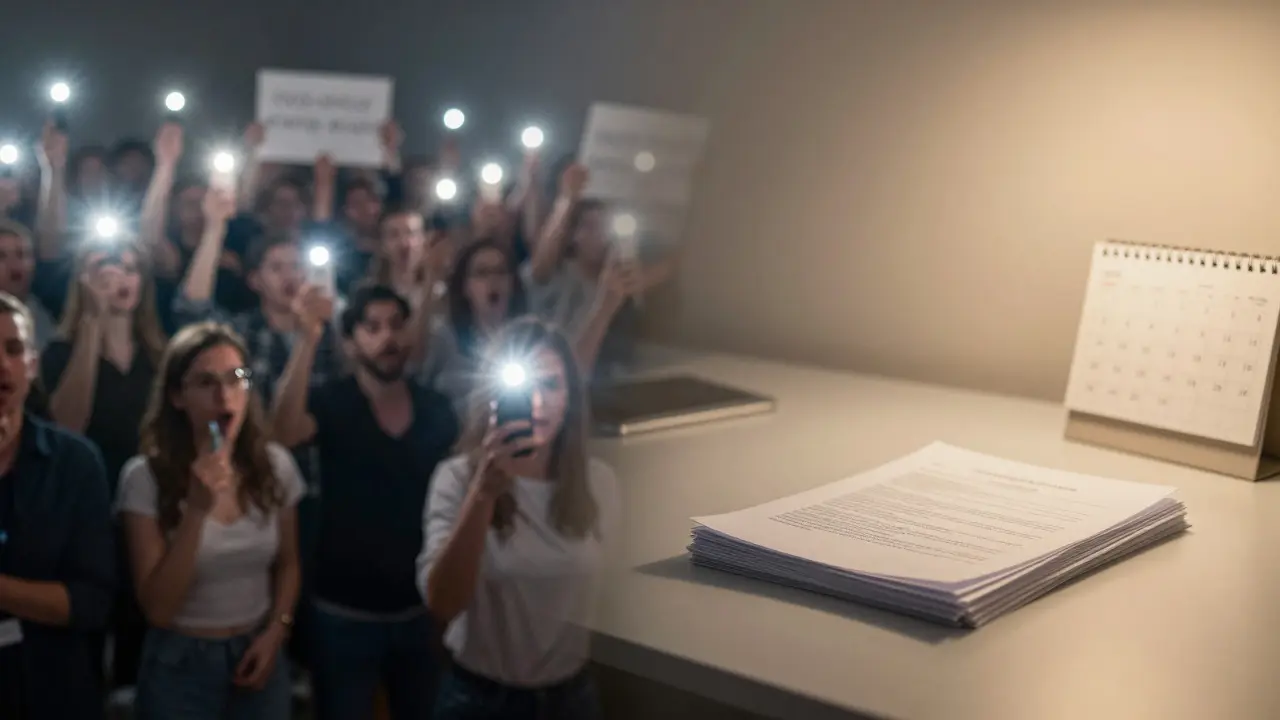
The rise of streaming platforms has changed the calculus for franchise development. Traditionally, a movie had to be a massive box office hit to justify a sequel. Now, the threshold is lower. A moderate box office performance combined with high streaming engagement can trigger a sequel order. This makes franchises more resilient but also less predictable.
Streaming services often develop content in smaller batches. Instead of announcing a trilogy upfront, they might commission one film, evaluate its performance over six months, and then decide on the next step. This "wait-and-see