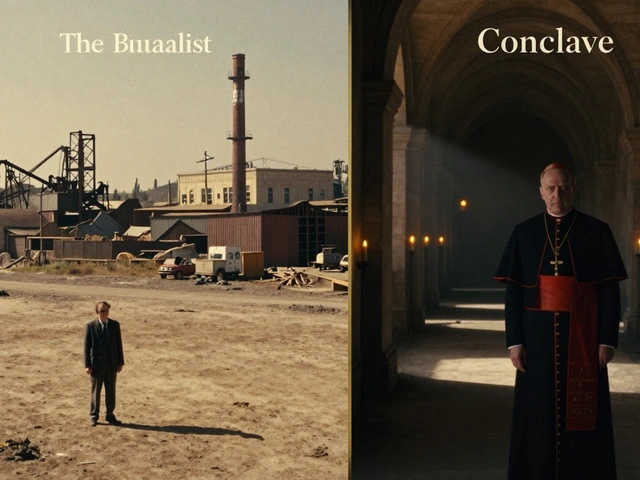
It’s August, and the heat is on. Not because of the weather, but because the Oscar campaigns are already in full swing. While audiences wait for holiday releases, studios are busy executing a months-long psychological operation to ensure their films land in the minds of Academy members before the voting deadline. This isn't just about making a movie; it's about winning a war of attention in the most exclusive club in Hollywood.
The process, known as a strategic marketing campaign designed to persuade Academy Award voters to nominate or win a specific film, is less about the art itself and more about perception, timing, and relationship management. If you think the Oscars are decided by secret ballots alone, you're missing half the battle. The other half is fought in screening rooms, at industry parties, and through carefully curated social media narratives.
The Anatomy of a 'For Your Consideration' Push
A typical For Your Consideration (FYC) campaign kicks off roughly six to eight months before the ceremony. It’s not a single event but a layered ecosystem of activities. The core goal is simple: get the film into the top five nominations in major categories like Best Picture, Director, and Actor.
Studios start with the "Early Bird" phase. This involves securing high-profile reviews from critics who also serve as Academy members. A strong critical consensus acts as social proof. If Variety or The New York Times praises the film, voters feel safer nominating it. Next comes the "Screening Blitz." Studios book out every available theater in Los Angeles and New York for private screenings. These aren't casual viewings; they are organized events with Q&A sessions featuring the director or lead actors, creating a personal connection between the talent and the voter.
Then there’s the digital layer. In the modern era, the use of data analytics and targeted advertising to reach specific segments of the Academy membership has transformed FYC strategies. Studios analyze voting patterns to identify which members haven’t seen their film yet and target them with personalized email campaigns or direct mailers. It’s precision marketing applied to artistic merit.
Key Players: Who Does the Heavy Lifting?
You don’t do this alone. Behind every major FYC campaign is a specialized team. First, you have the studio’s marketing department, which handles the broad public release. But the real magic happens with third-party Awards Campaign Agencies. Firms like Publicis Groupe, Wieden+Kennedy, or independent boutique firms specialize exclusively in awards season. They know who votes, when they vote, and what motivates them.
These agencies work closely with the film’s producers and sometimes even the actors themselves. Actors often become ambassadors for their own projects, attending premieres, giving interviews, and hosting intimate dinners. Producers, meanwhile, handle the logistical nightmare of coordinating hundreds of screenings and managing the budget, which can easily exceed $5 million for a major contender.
Don’t forget the guilds. The Directors Guild of America (DGA), Screen Actors Guild (SAG), and Writers Guild of America (WGA) all hold their own ceremonies that feed directly into the Oscar race. Winning a DGA Award is almost a guarantee of an Oscar nomination for Director. Therefore, FYC campaigns often pivot to target these specific guild memberships first, using their wins as momentum for the Academy.
Strategy vs. Merit: Does the Campaign Matter?
Here’s the controversial question: Do great movies win because they’re good, or because they’re well-campaigned? The answer is uncomfortably both. History shows that films with modest budgets but aggressive campaigns often outperform bigger blockbusters with weak marketing. Think of Argo or The Shape of Water. Both were masterfully campaigned, turning cultural moments into award victories.
However, the reverse is also true. A poorly campaigned masterpiece can fade into obscurity. If voters don’t see the film, they can’t nominate it. The Academy operates on a system where you must see the film to vote. So, visibility is currency. An effective FYC campaign ensures that the film is not just visible, but framed correctly. Is it a serious drama? A feel-good story? A technical marvel? The campaign defines the narrative before the voter forms their own opinion.
There’s also the element of "buzz." Awards season is a social phenomenon. When everyone in town is talking about one film, it creates a bandwagon effect. Voters want to be part of the conversation. They want to nominate the film that’s trending on Twitter (now X), dominating headlines, and filling up screening schedules. The campaign manufactures this buzz, turning a movie release into a cultural event.

The Digital Shift: Data-Driven Voting Persuasion
Gone are the days when FYC was just about handing out flowers and sending postcards. Today, it’s a data science exercise. Studios track voter engagement in real-time. Did a member open the email? Did they watch the trailer on YouTube? Did they attend the screening? This data allows marketers to adjust their tactics on the fly.
For example, if data shows that older voters are hesitant about a new sci-fi film, the campaign might shift focus to highlight the practical effects or the veteran actor in the cast, rather than the plot twists. If younger voters are engaged, the campaign might lean into social media virality and meme potential. This granular approach means that no two voters receive the exact same message. It’s personalized persuasion at scale.
Social media plays a dual role here. On one hand, it democratizes access to content, allowing voters to share clips and discuss films publicly. On the other, it creates noise. A negative tweet can spread faster than a positive review. Therefore, crisis management is a key component of modern FYC strategies. Studios monitor sentiment constantly, ready to deploy counter-narratives if a controversy threatens to derail the campaign.
Costs, Risks, and Ethical Gray Areas
All this effort doesn’t come cheap. A full-scale FYC campaign for a Best Picture contender can cost anywhere from $3 million to over $10 million, depending on the scope. This includes screening costs, travel for talent, agency fees, digital ad spend, and promotional materials. For smaller studios, this is a significant gamble. If the film doesn’t win, the ROI can be negative, though brand value and future project interest often offset the loss.
But there are risks. The biggest one is backlash. Audiences and critics alike can turn against a film if they perceive the campaign as too pushy or manipulative. Remember the #OscarsSoWhite debates or the controversies surrounding certain political endorsements during awards season? When voters feel coerced rather than invited, they rebel. A campaign that feels authentic resonates; one that feels corporate falls flat.
Ethically, it’s a gray area. Are we rewarding art, or are we rewarding marketing? Purists argue that the Oscars should be a pure reflection of cinematic excellence. Realists know that in a field with hundreds of eligible films, some form of curation is necessary. The FYC campaign is that curation mechanism, guiding voters toward the films the industry believes deserve recognition.

How to Spot a Strong Campaign (And Why It Matters)
If you’re watching awards season, here’s how to identify a film that’s being heavily pushed:
- Persistent Visibility: You see the film everywhere-billboards, TV spots, and constant online ads.
- Talent Turnout: The cast and crew are constantly appearing on talk shows, podcasts, and industry events.
- Critical Consensus: High scores on Rotten Tomatoes and Metacritic, driven by early reviews from key publications.
- Guild Wins: Early victories at the SAG, DGA, or BAFTAs, signaling strong support among peer groups.
- Social Media Momentum: Trending topics, viral clips, and widespread discussion among influencers and fans.
Understanding these signals helps you predict the outcome before the envelopes are opened. It also highlights the importance of staying informed. The Oscars aren’t just a celebration of past achievements; they’re a preview of the industry’s current priorities and values.
Frequently Asked Questions
What does 'For Your Consideration' actually mean?
It’s a standard phrase used in marketing to politely ask for a favor. In the context of the Oscars, it translates to: 'Please consider this film for your nomination.' It’s a formal way of saying, 'We think you should vote for us.'
Do only big studios run FYC campaigns?
No. Independent studios and even individual filmmakers can run campaigns, though on a smaller scale. However, the most successful contenders usually have the backing of a major distributor or a specialized awards agency to maximize reach.
Can a bad movie win an Oscar thanks to a good campaign?
Rarely, but it happens. A strong campaign can keep a mediocre film in the conversation long enough for voters to overlook its flaws, especially if it appeals to a specific demographic within the Academy. However, sustained success usually requires some level of genuine quality or cultural relevance.
When does the FYC campaign officially end?
The campaign effectively ends when the nominations are announced. After that, the focus shifts to campaigning for the win, which involves different strategies like final push screenings and last-minute lobbying. But the initial goal of securing a nomination is achieved or lost at the announcement date.
Is the Academy aware of these campaigns?
Absolutely. The Academy expects and even encourages campaigns. They provide guidelines on what is allowed (like screenings and emails) and what is forbidden (like direct cash payments to voters). The rules are designed to keep the process fair while allowing for professional promotion.