Staring at a blank page after watching a great movie is frustrating. You know exactly what you felt-the tension in the third act, the way the lighting highlighted the protagonist’s isolation-but translating those raw impressions into a coherent piece of writing feels like pulling teeth. This paralysis stops many aspiring critics and cinephiles from sharing their insights. The solution isn’t to write more; it’s to write with a plan.
Using film review templates provides that necessary scaffolding. These aren’t rigid rules that stifle creativity; they are flexible frameworks that ensure you cover all critical aspects of a film without getting lost in the weeds. Whether you are writing for a blog, a school assignment, or just to clarify your own thoughts, having a reliable outline allows you to focus on analysis rather than structure. Here is how to build and use sample outlines for quick, effective film critiques.
The Anatomy of a Standard Film Review
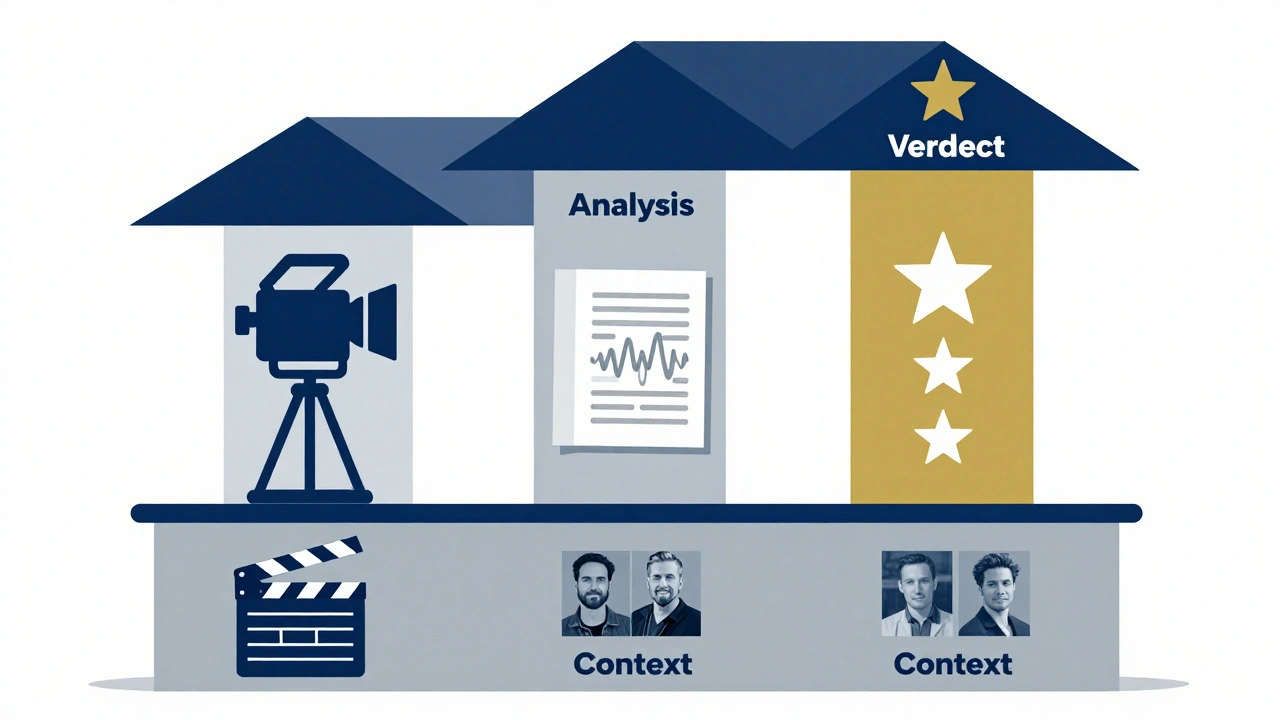
Before diving into specialized templates, it helps to understand the universal components of any solid critique. Most professional reviews follow a logical flow that guides the reader from curiosity to understanding, and finally to a verdict. Think of this as the skeleton upon which you hang your specific observations.
- The Hook: A compelling opening sentence that grabs attention. This could be a striking quote from the film, a provocative question, or a bold statement about the genre.
- Context: Briefly mention the director, key cast members, release date, and genre. This grounds the reader immediately.
- Spoiler-Free Summary: A concise overview of the premise. Keep this short-two to three sentences max. Assume the reader wants to watch the movie, not read a synopsis.
- Analysis: The core of the review. Discuss acting, cinematography, pacing, sound design, and script quality.
- Verdict: Your final recommendation. Who is this movie for? Is it worth the ticket price?
This standard model works for 90% of films. However, sometimes you need a different angle depending on your goal or the type of film you watched. That is where specialized templates come in.
Template 1: The Balanced Critique (Pros vs. Cons)
This template is ideal for general audiences who want a fair, objective assessment. It prevents the review from becoming overly emotional or biased. By separating strengths from weaknesses, you provide readers with a clear picture of what worked and what didn’t.
- Introduction: State the film title, director, and your overall rating (e.g., 3 out of 5 stars).
- The Highs: List 2-3 specific elements that succeeded. For example, "The chemistry between the lead actors was electric," or "The score perfectly underscored the horror scenes."
- The Lows: List 2-3 specific elements that failed. For example, "The second act dragged due to excessive exposition," or "The CGI looked dated compared to recent releases."
- The Verdict: Summarize whether the highs outweigh the lows. Use a phrase like, "Despite its pacing issues, the film succeeds because..."
This approach is particularly useful for controversial films where opinions are split. It shows you have considered multiple perspectives before forming your opinion.
Template 2: The Technical Deep Dive
For cinephiles and students, a plot summary is often less interesting than the craftsmanship behind the camera. This template focuses on the "how" rather than the "what." It is perfect for analyzing visually stunning films, experimental cinema, or movies known for their technical innovation.
| Element | What to Look For | Example Question |
|---|---|---|
| Cinematography | Lighting, color palette, camera movement, lens choice | How does the handheld camera work create a sense of urgency? |
| Sound Design | Dialogue clarity, ambient noise, silence, musical score | Does the lack of music in the climax heighten the tension? |
| Editing | Pacing, transitions, montage, rhythm | Are the jump cuts used intentionally to disorient the viewer? |
| Mise-en-scène | Set design, costumes, props, actor positioning | How do the cluttered sets reflect the protagonist's mental state? |
To use this template, pick two or three of these elements and dedicate a paragraph to each. Avoid summarizing the plot unless it directly relates to a technical choice. For instance, instead of saying "The character runs away," say "The rapid editing during the chase sequence mirrors the character's panic." This shifts the focus from narrative to technique.
Template 3: The Thematic Essay
Some films are vehicles for ideas rather than just stories. If you watched a movie that sparked philosophical questions or social commentary, use this template. It transforms your review from a simple evaluation into a cultural critique.
- The Central Theme: Identify the main idea the film explores (e.g., grief, capitalism, identity, war).
- Evidence from the Text: Provide specific examples of how the film presents this theme. Quote dialogue, describe symbolic imagery, or analyze character arcs.
- Contextualization: Connect the theme to real-world events or broader cultural conversations. Why does this theme matter right now?
- Effectiveness: Did the film handle the theme with nuance, or did it feel preachy? Was the message clear, or too obscure?
This template requires more abstract thinking but yields the most rewarding results for serious critics. It moves beyond "was it good?" to "what does it mean?"
Template 4: The Quick Social Media Blurb
In 2026, attention spans are shorter than ever. Sometimes you need to share your thoughts instantly on platforms like X (formerly Twitter), Instagram, or TikTok. This ultra-short template ensures you convey value in under 280 characters or a brief caption.
Use this formula: [Hook] + [One Key Strength] + [One Major Flaw] + [Recommendation].
Example: "'Dune: Part Three' delivers breathtaking visuals but suffers from a rushed ending. Timothée Chalamet shines, but the villain lacks depth. Worth seeing in IMAX for the spectacle alone. #FilmReview #Dune"
This format forces conciseness. You cannot ramble when space is limited, which often leads to sharper, more impactful criticism.
Common Pitfalls to Avoid
Even with a template, writers can fall into traps that weaken their critique. Being aware of these common errors will help you refine your voice.
- Spoilers Without Warning: Never reveal major plot twists or endings unless you clearly mark them as spoilers. Respect the reader’s experience.
- Plot Overload: Spending half your review summarizing the story is a mistake. Readers can find synopses online. Your job is to analyze, not retell.
- Vague Adjectives: Avoid words like "good," "bad," "interesting," or "boring." Instead, use descriptive language. Instead of "The acting was bad," try "The performances felt wooden and lacked emotional depth."
- Ignoring Context: Don’t judge a low-budget indie film by the same standards as a blockbuster Marvel movie. Consider the resources available to the filmmakers.
How to Choose the Right Template
Selecting the right framework depends on your audience and the film itself. Ask yourself these questions before you start writing:
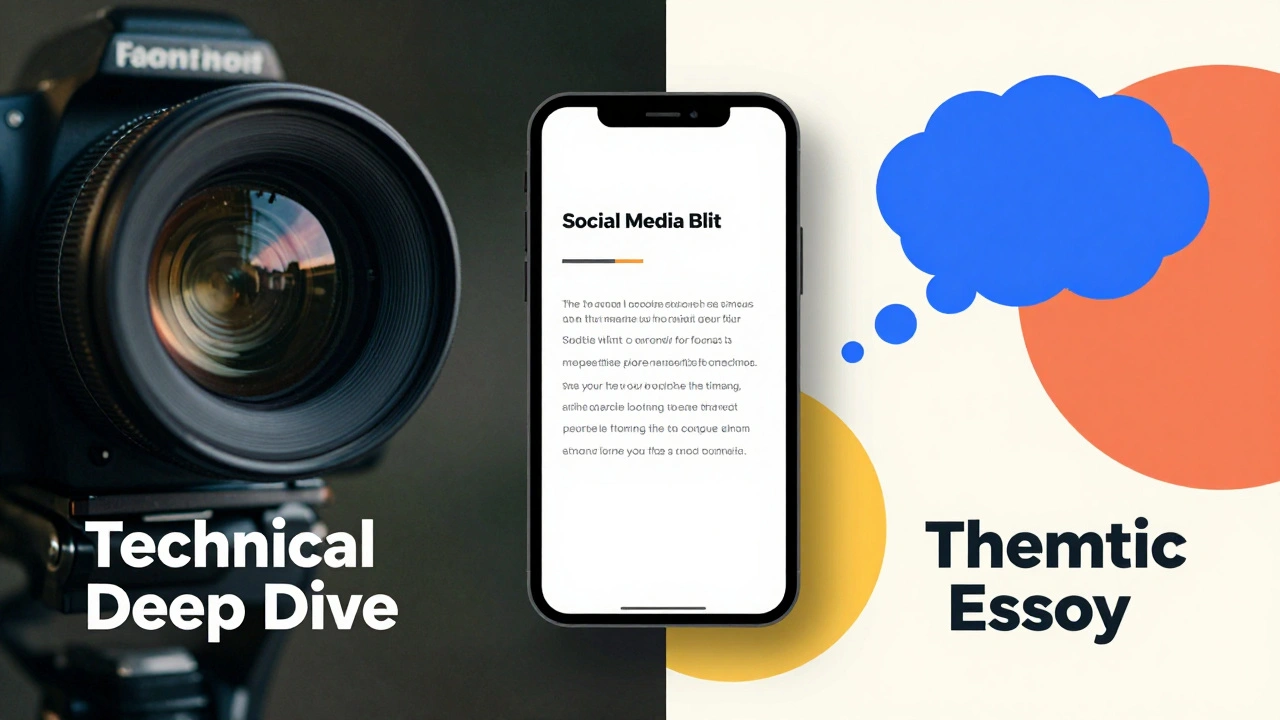
- Who is reading this? General audiences prefer the Balanced Critique. Film students may appreciate the Technical Deep Dive.
- What stood out most? If the visuals were stunning, use the Technical template. If the message was powerful, use the Thematic essay.
- Where will this be published? Blogs allow for longer forms. Social media requires the Quick Blurb.
You can also mix and match. Start with a Balanced Critique structure but include a paragraph dedicated to Cinematography if the visual style was exceptional. Flexibility is key.
Final Tips for Effective Writing
Writing a film review is a skill that improves with practice. Here are some final tips to enhance your craft:
- Watch Actively: Take notes while watching. Jot down timestamps for key scenes, quotes, or technical moments. This saves time later.
- Read Other Reviews: See how professional critics structure their arguments. Notice their vocabulary and tone.
- Edit Ruthlessly: First drafts are rarely perfect. Cut unnecessary words, tighten sentences, and ensure each paragraph flows logically to the next.
- Be Honest: Authenticity resonates with readers. If you hated a popular film, explain why. If you loved a flop, defend your position with evidence.
By using these film review templates, you remove the guesswork from the process. You gain confidence in your ability to articulate complex thoughts about cinema. Whether you are analyzing a classic noir or the latest superhero sequel, having a structured approach ensures your insights are heard and valued.
How long should a film review be?
The length depends on the platform. For blogs, aim for 500-800 words. For newspapers or magazines, 800-1200 words is standard. Social media posts should be under 280 characters. Always prioritize quality over quantity; a concise 300-word review is better than a rambling 1000-word one.
Should I include spoilers in my film review?
Generally, no. Most readers want to decide whether to watch a film without knowing the ending. If you must discuss a spoiler, place it at the very end of the review and clearly label it with a warning like "SPOILERS AHEAD." Alternatively, write a separate "spoiler-heavy" analysis.
What is the difference between a film review and a film analysis?
A film review evaluates the quality of the movie and recommends it to an audience. It includes personal opinion and judgment. A film analysis is more academic, focusing on interpreting themes, symbols, and techniques without necessarily judging whether the film is "good" or "bad." Reviews are subjective; analyses are interpretive.
How do I start a film review introduction?
Start with a hook that captures the essence of the film. This could be a surprising fact about the production, a quote from the director, or a rhetorical question related to the film’s theme. Follow the hook with basic context: title, director, year, and genre. Then, state your thesis or overall impression.
Can I use these templates for TV show reviews?
Yes, absolutely. The structures apply equally well to television episodes or series. For TV, you might add a section on "Pacing Across Episodes" or "Character Development Over Time." The core principles of hook, context, analysis, and verdict remain the same.
What are the most important elements to critique in a horror film?
For horror films, focus on atmosphere, sound design, and suspense building. Does the film rely on cheap jump scares or genuine dread? Evaluate the effectiveness of the monster or threat, the logic of the plot holes (which are common in horror), and the performance of the protagonist under pressure.



Comments(7)