Imagine you’ve secured your lead actor, locked in your location, and spent three weeks prepping. Then a hurricane hits the coast, or your star gets injured on set, or a camera crane drops into the mud. One of these scenarios can wipe out a production’s budget faster than poor box office returns ever could. Film production insurance is the financial safety net that turns catastrophic risks into manageable line items. It’s not just about protecting gear; it’s about keeping the project alive so investors feel confident enough to release the next tranche of funding.
The Core Pillars of Film Coverage
Most production policies aren’t one-size-fits-all. They are bundles of specific coverages designed to address the unique volatility of filmmaking. When you talk to an underwriter, you’ll usually be dealing with four main components: Completed Risk (often called "All-Risk"), Equipment, Liability, and Specialized Talent Coverage. Each serves a distinct purpose in the risk management hierarchy.
- Completed Risk (All-Risk): This covers the physical elements of the film-cameras, lenses, props, costumes, and sets-against damage, theft, or loss while on location. It typically covers the full value of the item if it’s destroyed, or the cost to repair it if damaged.
- Equipment Breakdown: While All-Risk covers external events like fire or theft, breakdown coverage handles mechanical failures. If a generator fails mid-shoot due to internal wear, this policy kicks in.
- General Liability: Protects the producer from third-party claims. If a crew member trips over a cable and breaks their arm, or if a stunt goes wrong and injures a bystander, liability insurance pays for medical bills and legal fees.
- Talent/Cast Insurance: Specific coverage for key personnel, ensuring that if a principal actor becomes unavailable, the production has funds to find a replacement or delay shooting without bankrupting the company.
Weather: The Uncontrollable Variable
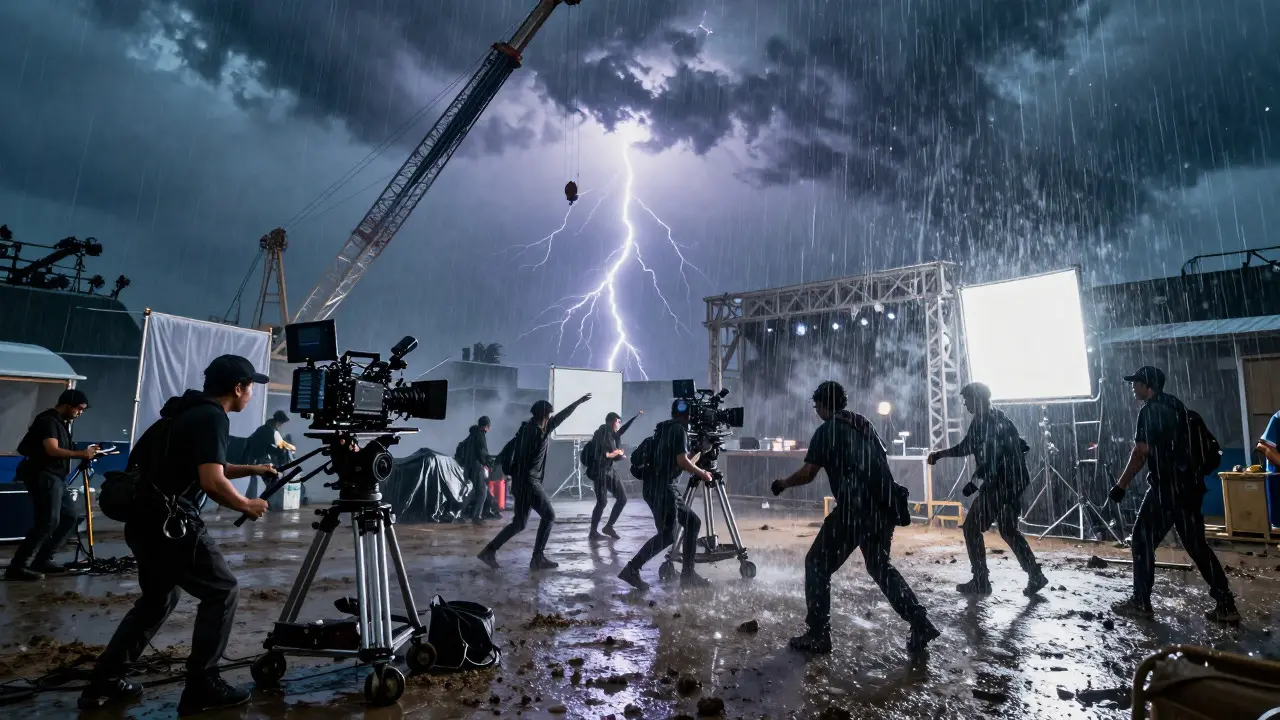
Weather is the bane of outdoor productions. In 2024, several major studio films were delayed by unseasonal heat waves in California and sudden storms in the UK. For independent filmmakers, a single day of rain can cost $15,000 to $30,000 in idle crew wages and lost rental time.
Standard All-Risk policies often exclude "weather" as a direct cause of loss unless it results in physical damage to insured property. For example, if rain ruins a costume, that’s covered. But if rain forces you to cancel the shoot entirely, that’s a business interruption loss, which is rarely covered by basic policies. To mitigate this, producers often negotiate "Force Majeure" clauses in their contracts with vendors and crew, allowing them to pause payments during weather delays. Some larger productions purchase specific "Weather Delay" riders, but these are expensive and usually reserved for high-budget features where the daily burn rate exceeds $100,000.
Cast and Crew: Managing Human Risk
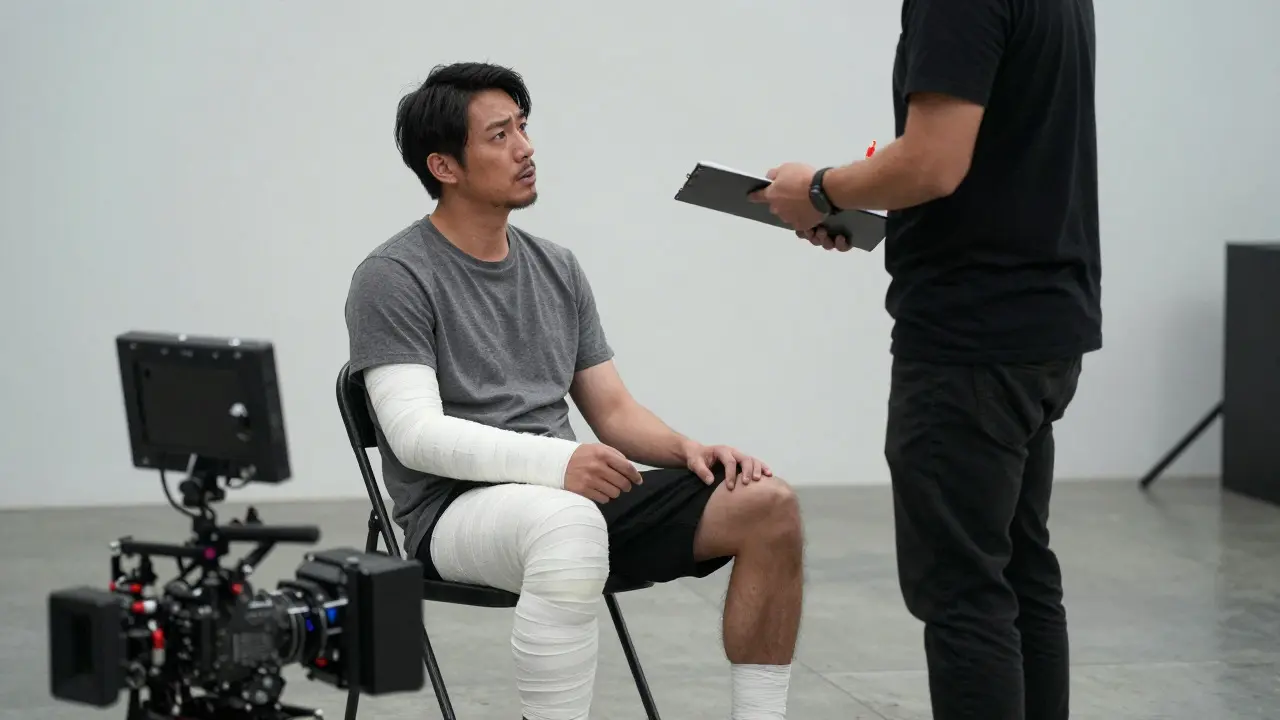
People are the most volatile element in any production. Actors get sick, directors clash with studios, and key technicians quit. "Cast Insurance" isn’t a standard term in every market, but the concept is critical. For a feature film, you might insure your top two stars. If they become unable to perform due to illness or injury, the insurer pays out a fixed sum. This money doesn’t necessarily pay for the actor’s hospital bill (that’s personal health insurance); it pays for the production costs incurred while waiting for them to recover or finding a suitable replacement.
For lower-budget projects, the risk is often mitigated through contract terms rather than insurance premiums. Producers require health certificates before filming starts and include "key man" clauses that allow the financier to step in if a director departs. However, having a formal insurance policy provides a cleaner exit strategy for investors, who prefer a guaranteed payout mechanism over negotiating with a disgruntled creative team.
Equipment: More Than Just Cameras
When people think of equipment insurance, they picture cameras and lenses. But the biggest losses often come from lighting rigs, generators, and vehicles. A single crash involving a grip truck can result in $50,000 in damages plus liability claims. Most production policies require a detailed inventory list with serial numbers and current market values. Underwriters will often depreciate older gear, meaning a five-year-old camera might only be insured at 60% of its original price. Always verify the depreciation schedule before binding the policy.
| Coverage Type | What It Covers | Typical Exclusions | Best For |
|---|---|---|---|
| All-Risk / Completed Risk | Physical damage, theft, loss of film/media/equipment | Mechanical breakdown, gradual deterioration | All productions with significant physical assets |
| General Liability | Bodily injury, property damage to third parties | Injuries to own employees (covered by Workers Comp) | Stunts, large crews, public locations |
| Cast/Talent | Costs associated with key personnel unavailability | Creative disputes, voluntary resignation | High-profile features, TV series |
| Equipment Breakdown | Internal mechanical/electrical failure | Natural wear and tear | Heavy reliance on generators, complex tech |
How Insurance Fits Into Financing Structures
This is where many first-time producers get tripped up. Investors don’t just look at your script; they look at your risk mitigation plan. Equity financiers, especially those using gap financing or tax credit structures, often require proof of insurance before releasing funds. The insurance certificate acts as a covenant in the loan agreement. If you fail to maintain coverage, you’re in default, even if no accident has happened yet.
For international co-productions, the complexity spikes. You may need local liability coverage in each country where you shoot, as foreign judgments can be difficult to enforce. Additionally, currency fluctuations can affect the premium costs if the policy is denominated in a different currency than your budget. Always align the policy currency with your primary financing currency to avoid hidden FX losses.

Practical Steps for Securing Coverage
Don’t wait until the week before shooting to call an agent. Here is a streamlined process to ensure you have the right protection in place:
- Create a Detailed Budget Line Item: Allocate 1-3% of your total production budget for insurance. Independent films often sit closer to 1%, while action-heavy features may need 3-5%.
- Compile a Full Asset Inventory: List every piece of equipment, prop, and costume with its value. Include rental agreements, as some rentals come with built-in coverage that might overlap with your policy, leading to double-insurance waste.
- Identify Key Personnel: Decide who is "insurable talent." Usually, this is limited to the director and top two leads. Insuring too many people drives up premiums without proportional benefit.
- Review Exclusions Carefully: Pay close attention to what is *not* covered. Natural disasters like earthquakes are often excluded unless specifically added. Check if "inherent vice" (like mold growing on costumes) is excluded.
- Align with Financiers: Share the draft policy with your production lawyer and lead investor. Ensure the limits of liability match the amount of debt you’ve raised. If you have $2 million in loans, your liability cap should ideally exceed that figure.
Common Pitfalls to Avoid
One of the most common mistakes is assuming that personal auto insurance covers production vehicles. It rarely does. You need commercial vehicle insurance for any car used for work purposes. Another pitfall is underestimating the duration of coverage. Make sure the policy extends through post-production if you’re still storing negative assets or editing suites are active. Finally, don’t ignore the deductible. A low premium often comes with a high deductible ($5,000+). If you have a small budget, a higher deductible might actually save you money if you never file a claim, but it puts cash flow at risk if you do.
Ultimately, film production insurance is less about predicting disaster and more about proving prudence. It signals to banks, tax authorities, and equity partners that you understand the mechanics of your industry. By treating insurance as a core component of your financing structure rather than an afterthought, you protect not just your gear, but your reputation and your ability to raise capital for the next project.
Does film insurance cover weather delays?
Generally, no. Standard policies cover physical damage caused by weather (like water damage to cameras) but not the financial loss from canceled days. To cover pure delay costs, you need a specific rider or Force Majeure contract clauses with vendors.
Who needs to be covered under cast insurance?
Usually, only key personnel whose absence would halt production or significantly increase costs. This typically includes the director and principal actors. Supporting cast and crew are usually covered under general liability or workers' compensation instead.
How much should I budget for film production insurance?
A rule of thumb is 1% to 3% of your total production budget. Action films or those with heavy special effects may require higher percentages due to increased risk of equipment damage and liability claims.
Is equipment insurance necessary if we rent all our gear?
Yes, but check the rental agreement first. Many rental houses offer optional coverage. If you buy separate insurance, ensure there is no overlap to avoid paying twice. If the rental house requires you to carry insurance, your policy must meet their specific minimum limits.
Can insurance help with financing a film?
Yes. Lenders and equity investors often require proof of adequate insurance before releasing funds. It reduces their perceived risk and can make your deal package more attractive to conservative financiers.