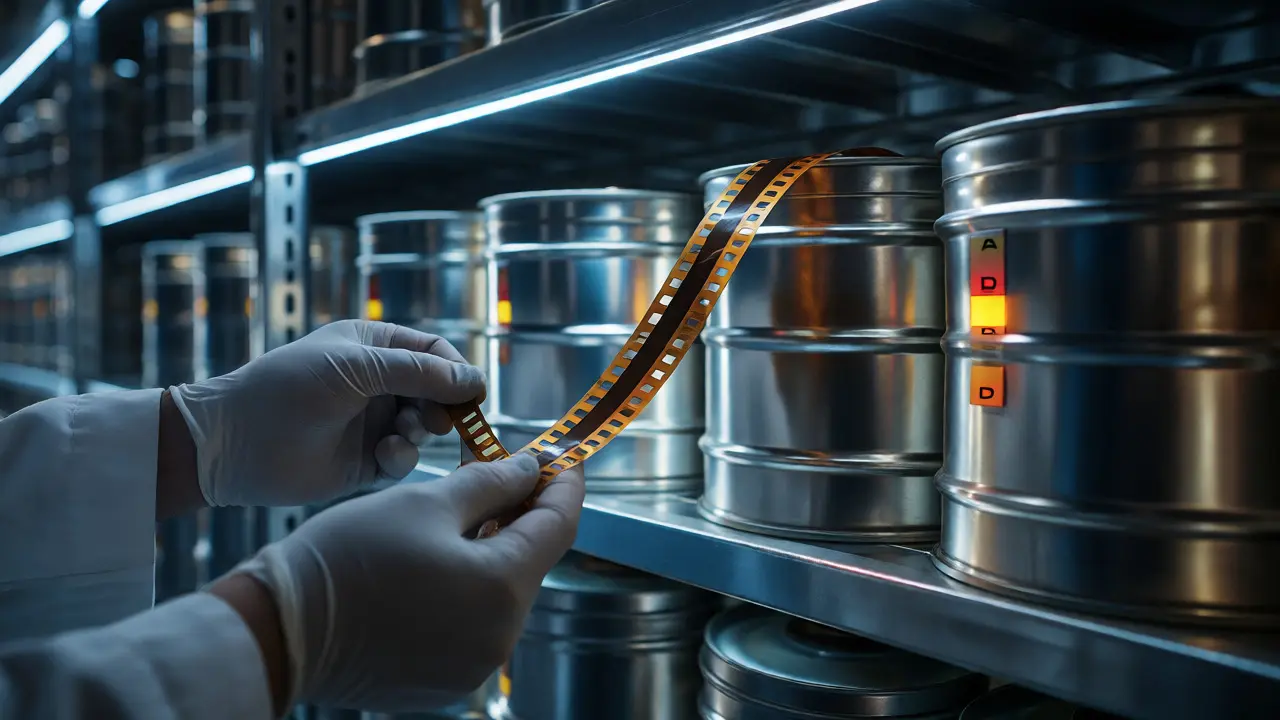
You walk into a screening room, the lights dim, and the projector hums to life. What you’re watching isn’t just a movie; it’s a physical object that has survived fire, flood, neglect, and time itself. For art-house cinema, this survival is even more precarious than for Hollywood blockbusters. These films often lacked big studio budgets for archival copies, meaning many exist today only as fragile, decaying reels. If you’ve ever wondered how we still watch Godard or Varda in their original glory, the answer lies in the meticulous, often invisible work of film print preservation. It’s a race against chemistry and entropy, fought in cold storage vaults and specialized labs.
The Fragile Reality of Celluloid
Let’s get one thing straight: film is not digital data. You can’t just copy-paste it. A film print is a strip of plastic coated with light-sensitive emulsion. The base material determines its lifespan. Before 1951, most prints were made from nitrate, which is chemically unstable and highly flammable. After that, archives switched to acetate (often called "safety film"), but even that suffers from a condition known as "vinegar syndrome." This happens when the acetate breaks down, releasing acetic acid-the smell of vinegar-which further accelerates decay. By the time you smell it, the damage is already underway.
Art-house films are particularly vulnerable because they were often produced in small batches. A major studio might strike fifty prints of a blockbuster, ensuring several survive in climate-controlled warehouses. An independent director might have three prints total. If two are lost to a warehouse fire or thrown away by a theater owner looking for space, the last print becomes the sole survivor. Preserving these unique artifacts requires treating them like museum pieces, not disposable media.
How Archives Detect Decay Early
Archivists don’t wait for a film to crumble before acting. They use a systematic approach to assess health. One key tool is the A-D Strip, a color-coded indicator placed inside film cans. As the film deteriorates, the strip changes color, alerting technicians to rising acidity levels. This allows labs to prioritize which reels need immediate attention. Imagine managing thousands of reels; you can’t inspect each frame manually every day. The A-D Strip provides a quick, visual diagnostic.
Beyond chemical indicators, archivists look for physical signs. Shrinkage is a common issue. Film bases contract over time, causing sprocket holes to tear during projection. Warping occurs when humidity fluctuates, making the film curl so tightly it can’t be flattened without breaking. Cracking appears in the emulsion layer, especially if the film was stored in hot, dry conditions. Each symptom dictates a different rescue strategy. A slightly warped reel might just need re-housing in better conditions, while a cracked emulsion might require immediate duplication to prevent total loss.
| Symptom | Cause | Risk Level | Preservation Action |
|---|---|---|---|
| Vinegar Smell | Acetate breakdown (Vinegar Syndrome) | High | Isolate reel; duplicate immediately; freeze storage |
| Sprocket Hole Tears | Shrinkage or mechanical stress | Medium | Repair holes; limit projection frequency |
| Emulsion Cracking | Dryness or heat exposure | High | Humidification chamber; careful handling |
| Mold Growth | High humidity and poor ventilation | Medium | Professional cleaning; sterilization |
The Duplication Process: Saving the Image
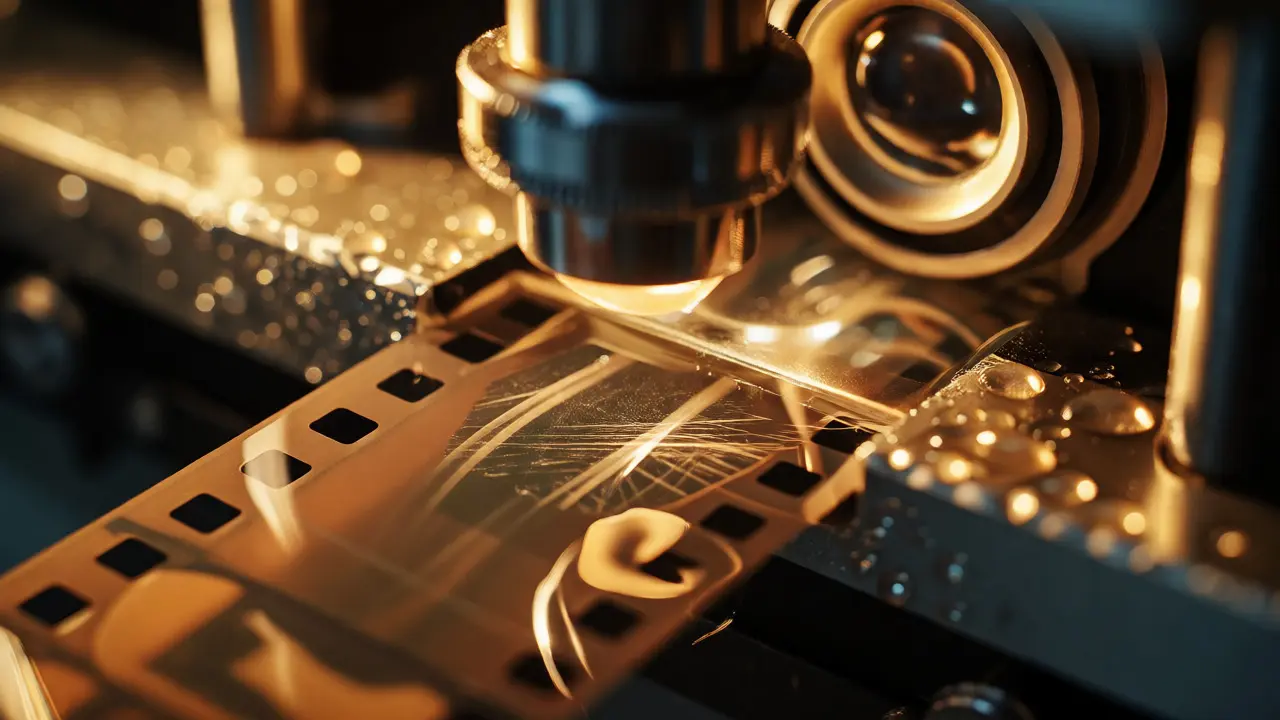
Once a print is deemed at risk, the goal shifts from saving the physical strip to capturing the image permanently. This is where film scanning comes in. But it’s not as simple as putting a reel on a flatbed scanner. High-end labs use optical printers or wet-gate scanners. Wet-gate technology immerses the film in a fluid that matches the refractive index of the film base, effectively hiding scratches and minor abrasions during the scan. This is crucial for art-house prints that may have been projected dozens of times, accumulating surface wear.
Resolution matters. While 4K is standard now, some institutions argue for higher resolutions for future-proofing. However, resolution alone doesn’t guarantee fidelity. Color correction is an artistic decision. Archivists must decide whether to restore the film to its original theatrical appearance or preserve the faded state of the surviving print. For example, Technicolor dyes fade differently than Eastmancolor stocks. Restoring a 1960s French New Wave film requires understanding the specific dye characteristics of the era. It’s part science, part detective work.
Storage: The Cold Chain of Custody
If you want a film to last another hundred years, you need to slow down its chemical clock. Temperature and relative humidity are the primary variables. The general rule of thumb for long-term storage is 39°F (4°C) with 30-40% relative humidity. For nitrate films, temperatures must be lower, around 25°F (-4°C), due to their instability. Freezing acetate films can also halt vinegar syndrome progression, though it requires careful thawing processes to avoid condensation damage.
Archives like the Library of Congress or the Cinematheque Francaise operate massive cold storage facilities. These aren’t just freezers; they are precision-engineered environments. Fluctuations are the enemy. If a film moves from a cold vault to a warm projection booth too quickly, moisture condenses on the emulsion, inviting mold. Therefore, transitions must be gradual. Films are often kept in sealed polyethylene bags with desiccants to maintain stable microclimates within the canister.
Why Digital Isn’t Enough
A common misconception is that once a film is scanned, the original print can be discarded. Not so fast. Digital files depend on file formats, hardware, and software compatibility. A JPEG from 1995 might open today, but proprietary raw formats from early digital cameras might not. Film, conversely, is analog. As long as you have light and a lens, you can read it. There’s no need for a specific codec or operating system update. This makes the physical print the ultimate backup.
Moreover, high-resolution scans capture detail that may exceed current display capabilities. Future technologies might reveal nuances in grain structure or dynamic range that current screens can’t show. Keeping the original print ensures that future generations can re-scan the material with better technology. Destroying the original after digitization is akin to burning the negative after taking a photo-it limits your options forever.
The Role of Community and Funding
Preservation isn’t cheap. Cleaning, scanning, and storing a single feature-length print can cost tens of thousands of dollars. Who pays for this? Often, it’s a mix of national grants, private foundations, and community efforts. Art-house films, lacking the commercial appeal of action franchises, rely heavily on cultural heritage funding. Organizations like the National Film Preservation Foundation in the US play a critical role in subsidizing these costs.
But money isn’t the only factor. Expertise is scarce. There are few technicians trained in handling brittle nitrate or repairing torn sprockets. Apprenticeships and training programs are vital to pass on these skills. Without human hands skilled in traditional film handling, the knowledge dies out, regardless of how much money is available. Supporting local archives and film societies helps sustain this ecosystem.
Key Takeaways
- Film is physical: Unlike digital files, film prints degrade chemically and physically, requiring active intervention.
- Acetate isn't safe forever: "Safety film" succumbs to vinegar syndrome, detectable via A-D strips and smell.
- Cold storage is essential: Low temperature and controlled humidity significantly extend film life.
- Digital complements, doesn't replace: Original prints remain the master reference for future restoration technologies.
- Art-house fragility: Small production runs mean fewer surviving copies, increasing preservation urgency.
What is vinegar syndrome?
Vinegar syndrome is a form of decay affecting acetate-based film stock. The plasticizer in the film migrates out, causing the base to shrink and become brittle. It releases acetic acid, which smells like vinegar. This process is autocatalytic, meaning the acid produced accelerates further decay, potentially damaging nearby films in the same storage area.
Can I store my home movies in a regular freezer?
Yes, but with caution. Home freezers often have frost-free cycles that cause temperature fluctuations. It is best to place film in airtight, heavy-duty polyethylene bags with a desiccant packet to absorb moisture. Allow the film to return to room temperature gradually before opening the bag to prevent condensation from forming on the emulsion.
Why do archives prefer 4K or higher scans?
Higher resolution captures more detail from the film grain, which contains the actual image information. A 4K scan preserves fine textures and subtle tonal variations that lower resolutions miss. This ensures that the digital master retains enough data for future remastering, color grading, or potential release on emerging display technologies like 8K.
Are all old films made of nitrate?
No. Nitrate film was the standard until approximately 1951. After that, the industry transitioned to acetate "safety film," which is non-flammable. Most art-house films from the late 1950s onward are acetate. However, older silent films and early talkies are likely nitrate, requiring special fire-safe storage and handling protocols.
What happens if a film print is too damaged to project?
If a print is too brittle or warped for projection, it is usually duplicated using a specialized laboratory printer rather than a standard projector. In extreme cases, the film may be cut into shorter segments for careful inspection and repair. If the physical damage is irreversible, the priority shifts to creating the highest quality digital scan possible before the image disintegrates completely.