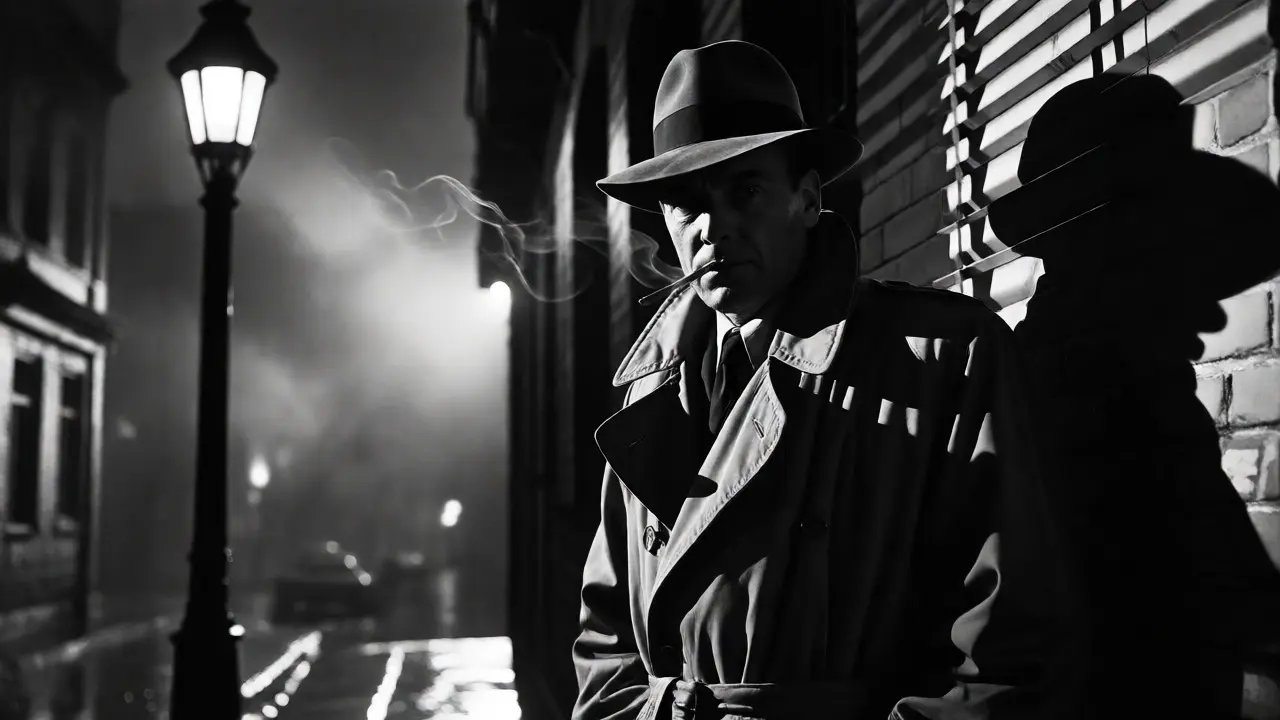
You’ve seen it before. A detective in a rumpled trench coat stands under a flickering streetlamp, rain slicking the pavement. Shadows stretch long and sharp across his face, hiding half his expression. He lights a cigarette, not because he enjoys it, but because he needs something to do with his hands while his mind races. This isn’t just a mood; it’s film noir, a genre defined by its visual style, moral ambiguity, and cynical worldview. But what separates the black-and-white classics of the 1940s from the colorful, violent neo-noirs of today? And why does this style keep coming back?
| Feature | Classic Film Noir (1940s-50s) | Neo-Noir (1960s-Present) |
|---|---|---|
| Visual Palette | Black and white, high contrast, heavy shadows | Color, often desaturated or neon-lit, stylized lighting |
| Narrative Voice | First-person voiceover, fatalistic tone | Varied perspectives, often fragmented or non-linear |
| Protagonist | Hard-boiled detective or anti-hero | Unreliable narrator, criminal, or ordinary person thrust into chaos |
| Femme Fatale | Mysterious woman who leads hero astray | Subverted trope, empowered women, or male counterparts |
| Setting | Rainy urban streets, smoky bars, cramped offices | Suburbs, highways, digital landscapes, exotic locales |
The Birth of Shadow: What Actually Is Film Noir?
Here’s a secret that surprises most people: no one called these movies "noir" when they were made. French critics coined the term film noir-literally "black film"-after World War II, when American crime dramas flooded French theaters. They noticed a pattern. These weren’t the glossy musicals or heroic war films Hollywood usually churned out. They were dark, both literally and metaphorically.
Think about Double Indemnity (1944). Billy Wilder didn’t set out to make an art-house masterpiece. He was adapting James M. Cain’s pulp novel for a mass audience. Yet, the result felt different. Why? Because it rejected the idea that good guys always win. The protagonist, Walter Neff, is greedy, lustful, and doomed. The camera doesn’t just show him; it traps him. Low-angle shots make him look small against looming buildings. Venetian blinds slice light across his face, suggesting he’s already behind bars.
This visual language wasn’t accidental. Many directors and cinematographers working in Hollywood during the 1930s and 40s had fled Europe, bringing with them the techniques of German Expressionism. Directors like Fritz Lang and Robert Siodmak understood how to use shadow to convey psychological state. In The Maltese Falcon (1941), John Huston uses tight framing and deep focus to create claustrophobia. You feel the weight of Sam Spade’s choices because the screen feels crowded, oppressive.
Why Did It End? And Why Did It Come Back?
By the late 1950s, classic noir faded. Several factors killed it. The House Un-American Activities Committee (HUAC) investigations pressured studios to avoid morally ambiguous stories that might seem subversive. Television offered cheaper entertainment, pushing Hollywood toward bigger, brighter spectacles like epics and musicals. Audiences wanted hope after the war, not cynicism.
But the themes never died. They just waited. Enter neo-noir. Starting in the late 1960s, filmmakers began reviving noir aesthetics but updating them for modern anxieties. Chinatown (1974) is the perfect bridge. Roman Polanski uses Technicolor, yet the story remains pure noir: private eye J.J. Gittes uncovers corruption so deep it destroys him. The twist? There’s no redemption. The villain wins. That bleakness signaled a new era.
Neo-noir isn’t just copying old tricks. It interrogates them. Where classic noir often portrayed women as dangerous temptresses, neo-noir explores gender dynamics more complexly. In Body Heat (1981), Lawrence Kasdan flips the script. The femme fatale, Matty Walker, isn’t just seducing the hero; she’s orchestrating everything. She’s smarter than the men around her, and the film acknowledges that power.
Lighting and Composition: The Visual Grammar
If you want to spot noir instantly, look at the light. Classic noir relies on chiaroscuro-extreme contrasts between light and dark. Cinematographers used single-source lighting to carve faces out of darkness. This wasn’t just aesthetic; it was economical. Studio budgets were tight, and hiding sets in shadow saved money. But artists turned limitation into strength.
In Sunset Boulevard (1950), Billy Wilder opens with a corpse floating in a pool. The shot is static, eerie. Later, when Norma Desmond descends her staircase, the camera looks up from below, making her appear monumental, almost monstrous. Her world is decaying, grandiose, and trapped in the past. The lighting reinforces this: dusty beams cut through stale air, highlighting cobwebs and forgotten glory.
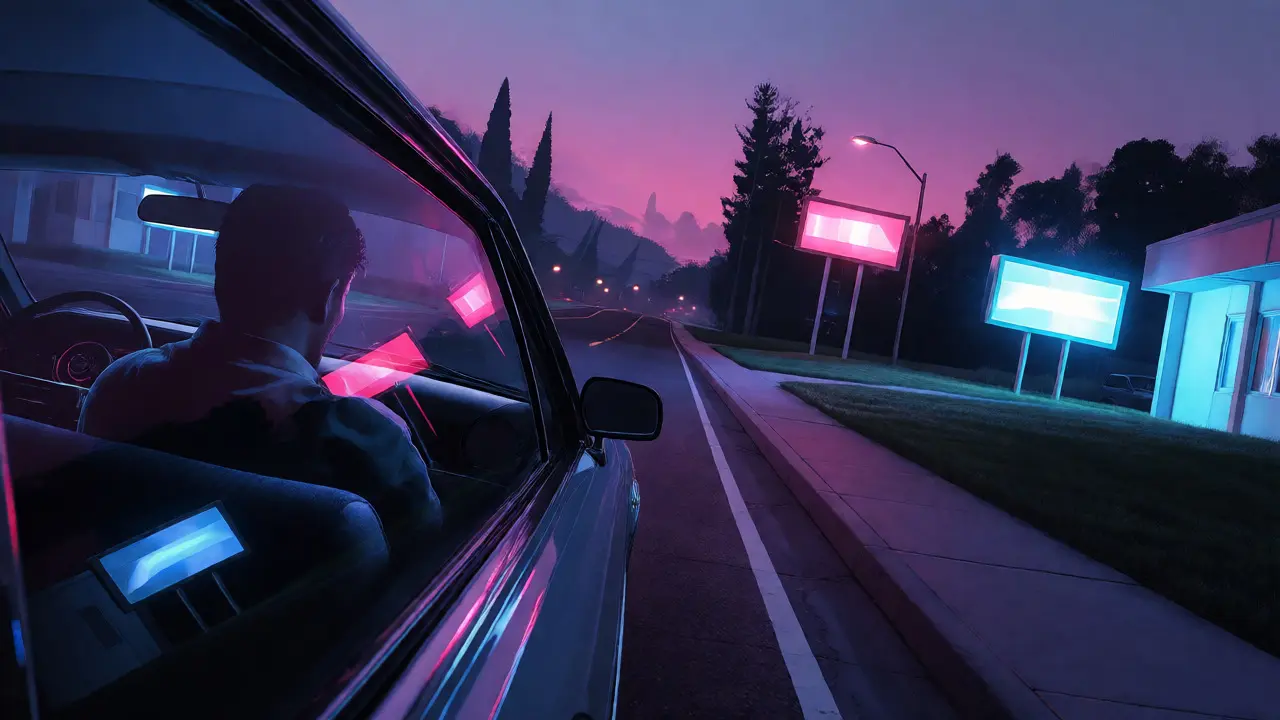
Neo-noir adapted this grammar for color. Instead of stark black-and-white, directors use color palettes to evoke mood. Sin City (2005) takes it to the extreme, using digital manipulation to strip away all color except for specific accents-red blood, yellow eyes, blue skin. It’s hyper-stylized, reminding us that noir is ultimately about perception, not reality.
Another key technique is Dutch angles-tilting the camera horizon. This creates unease, suggesting the character’s world is off-balance. In The Third Man (1949), Carol Reed uses tilted frames throughout Vienna’s post-war ruins. Nothing feels stable. Morality is skewed. When you watch these films, your subconscious picks up on this instability before your conscious mind processes the plot.
Character Archetypes: More Than Just Detectives
Noir isn’t just about plots; it’s about people who are broken. The classic protagonist is the hard-boiled detective. Think Humphrey Bogart as Philip Marlowe. He’s tough, sarcastic, and lonely. He follows a code, but that code gets him beaten up regularly. He knows the system is rigged, but he plays anyway.
Then there’s the everyman gone wrong. In Out of the Past (1947), Jeff Bailey tries to escape his past, but fate drags him back. He’s not a professional investigator; he’s a gas station owner trying to live quietly. His failure isn’t due to incompetence-it’s due to inevitability. Noir suggests we can’t outrun our choices.
The femme fatale is the genre’s most debated figure. Critics argue she represents male anxiety about independent women. But dig deeper, and you see complexity. In Gilda (1946), Rita Hayworth’s character uses sexuality as a weapon in a patriarchal world. She has little agency, so she manipulates the only tools available. Neo-noir reclaims this. In Basic Instinct (1992), Catherine Tramell is terrifying because she’s unpredictable, not just because she’s female.
Modern neo-noir also introduces the anti-hero or even the villain protagonist. Tony Soprano in The Sopranos is essentially a noir character stretched over six seasons. He’s introspective, depressed, and trapped by family obligations. The series deconstructs the myth of the powerful mobster, showing the rot underneath.
Themes That Define the Genre
Beyond visuals, noir shares core thematic DNA. First, moral ambiguity. Heroes aren’t purely good; villains aren’t purely evil. Everyone has secrets. Second, fatalism. Characters believe their doom is sealed. Dialogue often reflects this: "I’m dead," says Walter Neff early in Double Indemnity. He’s narrating from beyond the grave. We know how it ends before it begins.
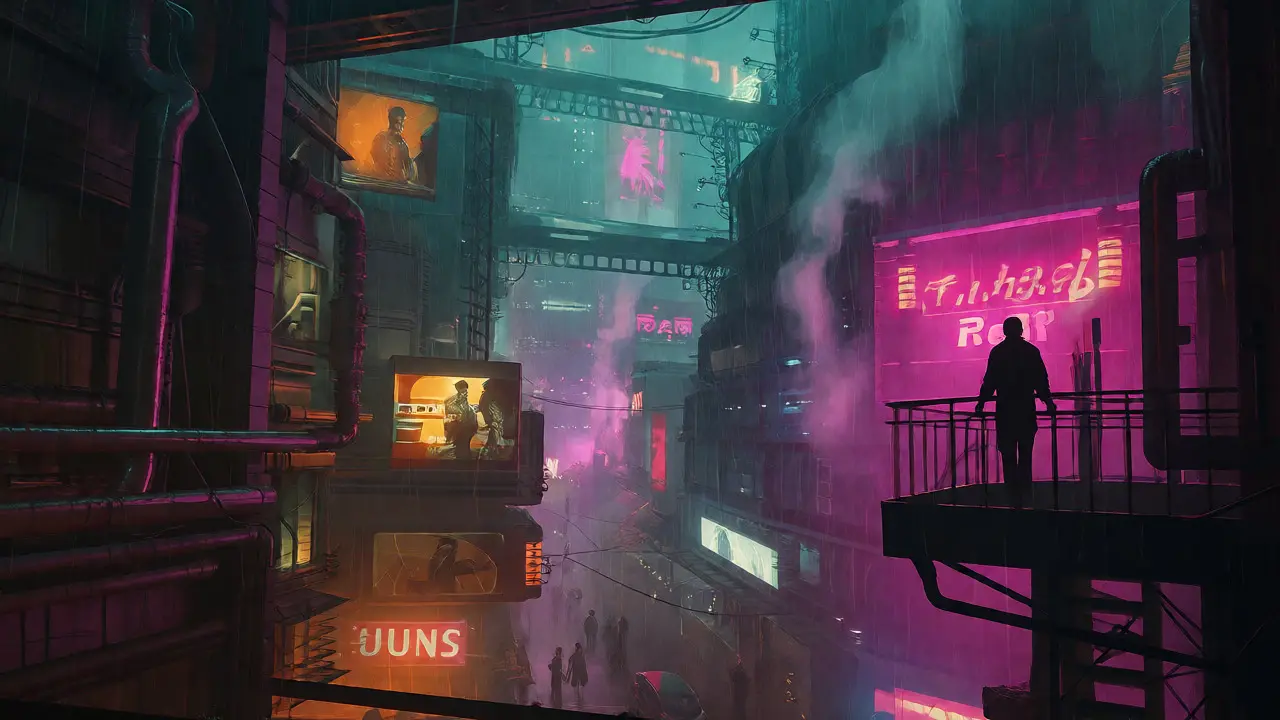
Third, urban alienation. Cities in noir are labyrinthine. Streets loop back on themselves. Alleys lead nowhere. This mirrors the characters’ mental states-they’re lost, searching for meaning in a chaotic environment. In Blade Runner (1982), Ridley Scott updates this for sci-fi. Los Angeles is a rainy, overcrowded megacity where humans and replicants struggle for identity. The noir structure fits perfectly because it’s about existential dread.
Finally, corruption. Institutions fail. Police are bribed. Judges are bought. The law doesn’t protect you; it controls you. This cynicism resonated deeply in post-WWII America, reflecting disillusionment with authority. Today, it speaks to distrust in media, politics, and corporate power.
How to Spot Neo-Noir Today
You don’t need a trench coat to make a noir. Look for these signs in modern films and TV:
- Non-linear storytelling: Flashbacks, time jumps, or unreliable narration (Memento, Pulp Fiction).
- Stylized violence: Violence isn’t realistic; it’s symbolic or exaggerated (Drive, John Wick).
- Psychological depth: Focus on internal trauma rather than external clues (Zodiac).
- Suburban decay: Moving away from city centers to manicured lawns hiding secrets (True Detective Season 1).
Even comedies borrow noir tropes. The Big Lebowski is a neo-noir parody. The Dude is a passive observer in a chaotic world, much like a classic detective, but he’s motivated by rug stains rather than justice.
Why Noir Still Matters
We keep returning to noir because it asks hard questions. Who are we when no one is watching? Can we change our fate? Is truth worth the cost? These aren’t outdated concerns. In an age of surveillance cameras and social media personas, the gap between appearance and reality is wider than ever.
Noir reminds us that life isn’t neatly packaged. Sometimes, you solve the case, and it doesn’t bring peace. Sometimes, the answer hurts more than the mystery. That honesty keeps the genre alive. Whether it’s a black-and-white thriller from 1947 or a neon-soaked cyberpunk epic from 2026, the shadow still falls the same way.
Is film noir a genre or a style?
Film noir is technically a style rather than a strict genre. While genres like westerns or musicals have specific settings and conventions, noir is defined by its visual aesthetic (high-contrast lighting, shadows), narrative tone (cynical, fatalistic), and thematic elements (moral ambiguity, crime). Films from various genres-crime, romance, thriller-can be considered noir if they employ these stylistic traits.
What is the difference between film noir and neo-noir?
Classic film noir refers to American crime dramas produced primarily between the early 1940s and late 1950s, characterized by black-and-white cinematography and specific production conditions. Neo-noir describes later films (from the 1960s onward) that revive noir themes and styles but update them with modern technology (color film), contemporary social issues, and self-aware references to the original genre. Neo-noir often subverts or critiques classic noir tropes.
Who coined the term 'film noir'?
French critic Nino Frank is widely credited with coining the term "film noir" in 1946. He applied it to a group of American crime films released in France after World War II, such as "Double Indemnity" and "Laura." The term stuck because it accurately described the dark, moody aesthetic and pessimistic worldview of these movies, which stood in contrast to the optimistic Hollywood productions of the time.
Are all crime movies considered film noir?
No. While many noir films are crime dramas, not all crime movies are noir. To qualify as noir, a film must exhibit specific stylistic and tonal elements, such as chiaroscuro lighting, a cynical or fatalistic narrative voice, morally ambiguous characters, and a sense of impending doom. A straightforward police procedural with a clear hero-villain dynamic and bright lighting would not be considered noir, even if it involves a crime.
What role does the femme fatale play in noir?
The femme fatale is a central archetype in classic noir, typically portrayed as a mysterious, seductive woman who leads the male protagonist into trouble, often resulting in betrayal or death. She represents male anxieties about female independence and sexuality in the mid-20th century. In neo-noir, this trope is often subverted or expanded, with female characters taking on more agency or the role being filled by male characters, reflecting changing societal views on gender roles.




Comments(5)