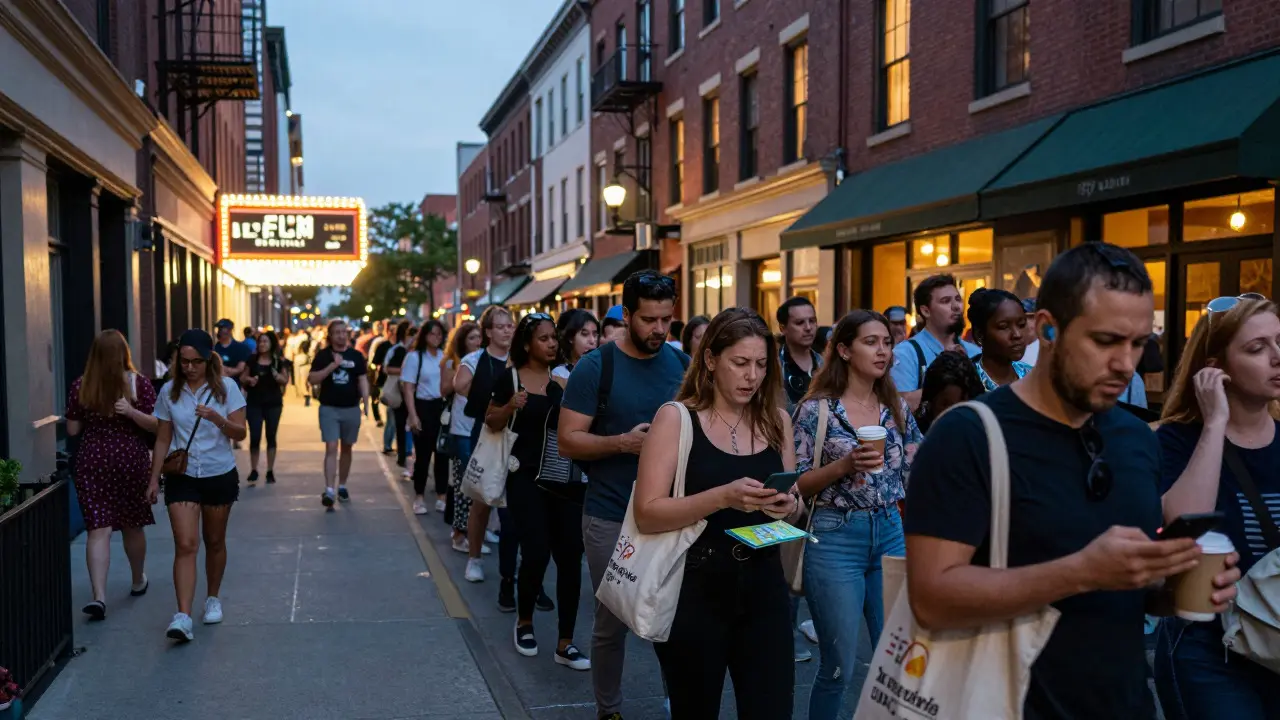
Imagine standing in a line for two hours at the Sundance Film Festival is an annual independent film festival held in Park City, Utah, known for showcasing emerging talent and premieres of major Hollywood films. It typically takes place in January., only to realize your hotel room was double-booked because you ignored the cancellation policy. Or worse, you spent $80 on a single meal when your entire trip budget was $500. Planning for a film festival isn't just about buying tickets; it’s a logistical puzzle involving volatile prices, strict deadlines, and physical stamina. If you get the basics wrong, the magic of the cinema fades fast under the stress of exhaustion and overspending.
This guide breaks down the three pillars of successful festival attendance: money, sleep, and movement. We will look at how to structure a realistic budget, where to find affordable places to stay without sacrificing comfort, and how to move around a city that transforms during peak event weeks. Whether you are heading to Telluride Film Festival is a prestigious film festival held annually in Telluride, Colorado, focusing on independent and international cinema. or a local indie showcase, these strategies apply universally.
Building a Realistic Festival Budget
The biggest mistake attendees make is treating a festival like a standard vacation. A standard vacation has fixed costs. A festival has variable, high-pressure costs. You need to separate your expenses into two distinct buckets: non-negotiables and flex funds.
Non-negotiables include accommodation, airfare or fuel, and the base ticket price if applicable. These numbers should be locked in at least six months before the event. For example, if you know your flight to New York for Tribeca costs $400, that is a hard number. Do not guess.
Flex funds cover food, drinks, late-night screenings, and transportation within the city. This is where budgets blow up. Here is a simple formula to use:
- Daily Food Allowance: Calculate $60-$100 per day for meals. Festivals often have limited dining options near venues, which drives prices up by 30-50% compared to normal times.
- Transport Buffer: Add $20-$40 per day for rideshares or transit passes. Walking is free, but your feet will thank you if you save this money for a cab after a 10-hour screening day.
- The "FOMO" Tax: Set aside 15% of your total budget for impulse purchases. This covers the last-minute premium ticket for a sold-out star director's Q&A or the expensive cocktail you need to decompress.
Track every expense daily. Use a simple spreadsheet or a dedicated app. If you see yourself spending more than 20% of your daily allowance on Day 1, adjust immediately. Cut back on dinner or skip the bar. The goal is to finish the festival with enough cash left for the ride home, not to break the bank on the final night.
Lodging Strategies: Comfort vs. Cost
During festival weeks, hotels in host cities operate like luxury boutiques even if they are basic motels. Prices can triple overnight. To navigate this, you need to understand the geography of the event.
Location is everything. Staying within walking distance of the main venue saves time and money. However, proximity comes at a premium. A room 0.5 miles from the theater might cost $350/night, while one 3 miles away costs $180/night. Is the $170 difference worth saving 45 minutes of commute? Usually, no. Instead, look for neighborhoods with good public transit access. In many cities, a subway or bus line can get you to the festival district in 15 minutes for a few dollars.
Consider alternative accommodations if you are traveling solo or with friends:
- Airbnbs and Vacation Rentals: Often cheaper per person for groups of four or more. Look for kitchens so you can cook breakfast and dinner, cutting food costs significantly.
- Hostels: Don’t dismiss these. Many modern hostels offer private rooms with en-suite bathrooms. They are also social hubs where you can meet other attendees, making it easier to split costs on group activities.
- Corporate Housing: During large festivals, companies rent out apartments for long-term stays. Check listings on platforms like Furnished Finder or local real estate sites. These units often come fully stocked and are priced lower than hotels for short stays if booked early.
Always read the cancellation policy. Festival dates shift occasionally, and flights get cancelled. A flexible rate is worth paying a 10-15% premium over a non-refundable deal. Also, check if the property allows pets if you are traveling with them, as pet fees can add $50-$100 per night.
Logistics: Moving Efficiently Through the Crowd
Festival logistics are about minimizing friction. Every minute spent waiting for a taxi or navigating confusing streets is a minute lost to rest or networking.
Pre-plan your route. Download offline maps before you arrive. Cellular networks often crash in dense urban areas during peak events. Know where the nearest pharmacy, ATM, and grocery store are relative to your hotel. You don’t want to be wandering in circles at 11 PM looking for an ibuprofen.
Master the transit system. If the city has a metro, buy a multi-day pass. Single-ride fares add up quickly. For example, a 7-day pass in a mid-sized US city might cost $30, whereas individual rides could total $60+. Walk whenever possible, but keep comfortable shoes handy. Blistered feet ruin more festivals than bad movies do.
Time management. Screenings start on time. Latecomers are often turned away. Build in a 15-minute buffer between events. If a movie ends at 8:00 PM and the next starts at 9:30 PM, leave the theater by 8:15 PM. Traffic lights, crowded lobbies, and bathroom lines eat up time faster than you think.

Navigating Ticket Sales and Access
Getting into the right seats is part of the logistics. Most major festivals use tiered ticketing systems. Understanding these tiers helps you avoid disappointment.
| Ticket Type | Typical Price Range | Best For | Risk Level |
|---|---|---|---|
| General Admission (GA) | $20 - $50 | Budget travelers, first-timers | High (Standing room only, no seat guarantee) |
| Premium / Reserved | $50 - $100 | Comfort seekers, specific premiere fans | Medium (Sold out quickly) |
| VIP / Industry Pass | $150 - $500+ | Professionals, sponsors, heavy spenders | Low (Includes perks, lounge access) |
| Day Pass | $100 - $200 | Short-stay visitors, targeted viewers | Medium (Limited availability) |
For most attendees, General Admission is the smartest choice. It keeps costs low and allows flexibility. If you miss a GA slot, wait for last-minute releases. People often cancel plans due to weather or fatigue, releasing tickets 24-48 hours before the show. Set alerts on the festival’s official app or website.
Health and Stamina Management
You are not just watching movies; you are operating a small business of your own energy levels. Fatigue leads to poor decisions, like overspending or missing key events.
Sleep is a tool. Protect your sleep schedule. If you have a 9 AM screening, wake up at 6:30 AM. No exceptions. Use earplugs and eye masks in shared accommodations to block out noise from neighbors who are partying until dawn.
Hydration and Nutrition. Coffee is a crutch, not a meal. Eat protein-rich foods to sustain energy through long days. Pack snacks for the walk between venues. Energy bars and nuts are cheap, portable, and prevent the mid-afternoon crash that makes you irritable and tired.

Common Pitfalls to Avoid
Even experienced attendees stumble. Here are the traps that catch people off guard:
- Ignoring Weather Forecasts: Festivals often involve outdoor components. Check the forecast daily. Rain gear is essential in spring/fall festivals. Heat protection is critical in summer events.
- Overbooking Screenings: Trying to see everything is impossible. Pick 3-5 must-see films and fill the gaps with lighter content or downtime. Burnout sets in by Day 3 if you don’t pace yourself.
- Missing Deadlines: Registration, ticket sales, and hotel bookings all have cut-off dates. Mark them on your calendar now. Waiting until the last week guarantees higher prices and fewer options.
Frequently Asked Questions
How much should I budget for a 5-day film festival?
A reasonable budget for a mid-tier US festival ranges from $1,500 to $2,500 per person. This includes moderate accommodation ($150-$200/night), food ($80/day), local transport ($30/day), and general admission tickets. Luxury festivals like Cannes or Venice can easily exceed $5,000 due to high-end hospitality and exclusive events.
Is it better to book hotels or Airbnbs for festivals?
It depends on your group size. Solo travelers often find hostels or boutique hotels more convenient due to central locations and included services. Groups of three or more usually save money with Airbnbs or vacation rentals, especially if they have kitchen access to reduce food costs. Always compare the total cost including cleaning fees and taxes.
What is the best way to get around during a film festival?
Public transit is generally the most efficient and affordable option. Buy multi-day passes to save money. Rideshares are useful for late nights or when carrying heavy bags, but expect surge pricing during peak hours. Walking is viable if your accommodation is within a 15-minute radius of the main venues.
When should I buy festival tickets?
Buy as soon as sales open, ideally 3-6 months in advance. Popular screenings sell out within hours. If you miss the initial sale, monitor the official app for cancellations 24-48 hours before the event. Last-minute tickets are rare but happen frequently due to weather or personal conflicts.
How do I manage fatigue during a long festival?
Schedule downtime intentionally. Don’t try to attend every event. Block out 2-3 hours each day for rest, meals, or casual exploration. Prioritize sleep by using blackout curtains and earplugs. Stay hydrated and eat balanced meals to maintain steady energy levels throughout the day.