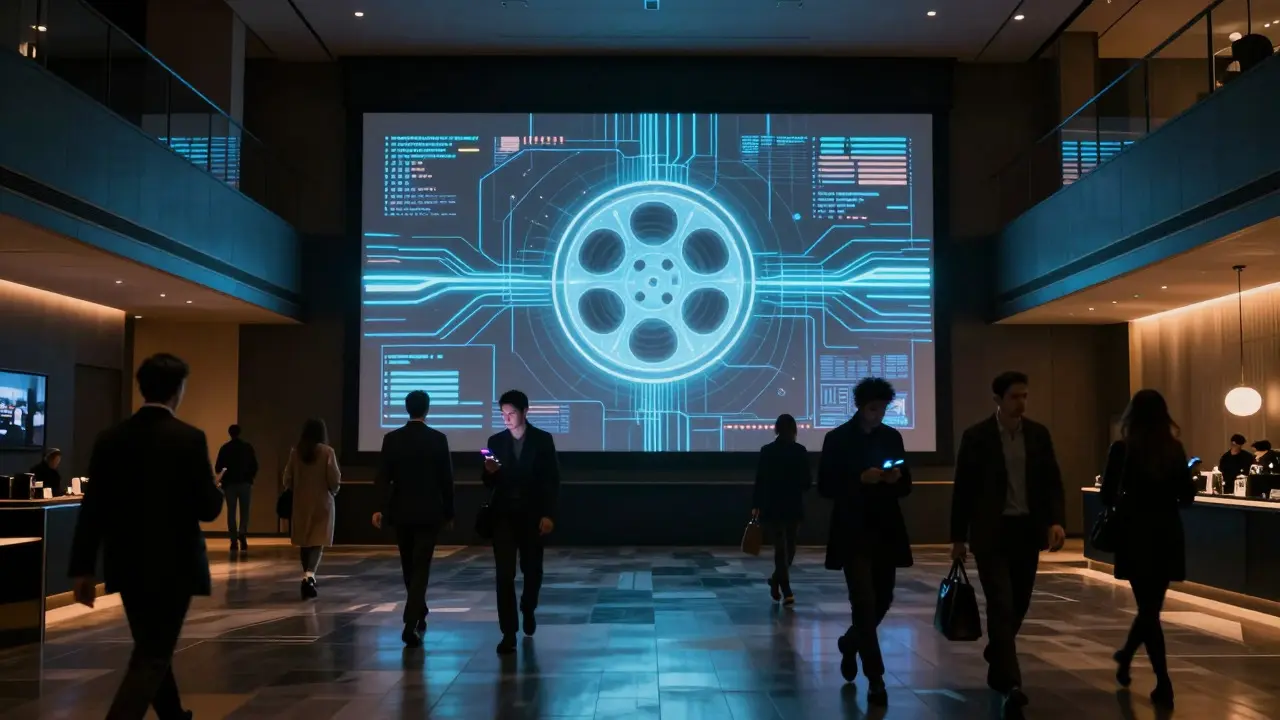
Imagine walking into a movie theater in 2026 that doesn't just play films from Universal or Warner Bros., but exclusively screens titles from Netflix or Amazon Prime Video. It sounds like a plot twist from a sci-fi movie, but for some industry insiders, it’s becoming a plausible reality. The idea of streamer-owned theaters are physical venues controlled by digital distribution platforms to manage their own content release schedules is gaining traction as a way to solve one of the biggest headaches in modern cinema: the shrinking theatrical window.
For years, studios have fought with streamers over how long a movie should stay in cinemas before hitting a living room screen. Now, what if the streamer simply bought the theater? This concept of vertical integration in media refers to a company controlling multiple stages of production, distribution, and exhibition isn't new; Disney did it decades ago with its own theme parks and cable networks. But applying it to local cinema chains could fundamentally change who gets to see which movies, and when.
The Problem with the Current Release Model
To understand why this shift might happen, you have to look at the mess we're in right now. Since the pandemic, the standard "theatrical window"-the time a film spends in theaters before going to streaming or DVD-has collapsed. In the past, a major blockbuster would stay in theaters for six weeks. Today, many films move to home viewing after just three weeks, or even less if they underperform.
This creates a strange dynamic. Studios want audiences to buy tickets because box office numbers signal cultural relevance. Streamers want audiences to watch at home because that’s where the subscription revenue comes from. When a big title drops on both platforms simultaneously, or moves too quickly, it can cannibalize itself. Audiences often wait for the stream rather than paying $18 for a ticket. This friction has led to constant negotiations between studios and distributors, eating up marketing budgets and confusing consumers.
If a streamer owns the theater, they control both sides of the equation. They decide exactly when a film leaves the big screen and enters their app. There’s no negotiation with an outside distributor. There’s no fear of a competitor releasing a similar title during the same window. It’s total control over the consumer journey.
How Vertical Integration Would Actually Work
Vertical integration means owning the supply chain. In the context of film, that’s producing the movie (or licensing it), distributing it digitally, and exhibiting it physically. Currently, these are separate businesses. A studio produces, a distributor handles logistics, and a theater chain like AMC or Regal shows it.
If Netflix were to buy a small chain of theaters, say in major cities like New York, Los Angeles, or Chicago, here’s what the model might look like:
- Exclusive Screening Rights: These theaters would only show Netflix originals and licensed titles. No Marvel, no DC, no Sony pictures.
- Synchronized Releases: A film might premiere in these specific theaters for two weeks, then become available on the platform globally. Or, it might be available on the platform immediately, with the theaters serving as a premium, social experience for superfans.
- Data-Driven Scheduling: Using viewer data from the streaming platform, the theater can predict which titles will draw crowds. If a documentary about space exploration is trending on the app, the theater knows to schedule it prominently.
- Brand Loyalty Loop: Watching the movie in the theater reinforces the brand. You leave the cinema, open your phone, and start watching the sequel or related content on the same platform.
This isn't just about selling popcorn. It's about creating an ecosystem where the content lives, dies, and thrives under one roof. Think of it like Apple. Apple designs the iPhone, sells the apps through the App Store, and controls the hardware. A streamer-owned theater would be the physical extension of the digital store.
Why Limited Exhibition Is the Key
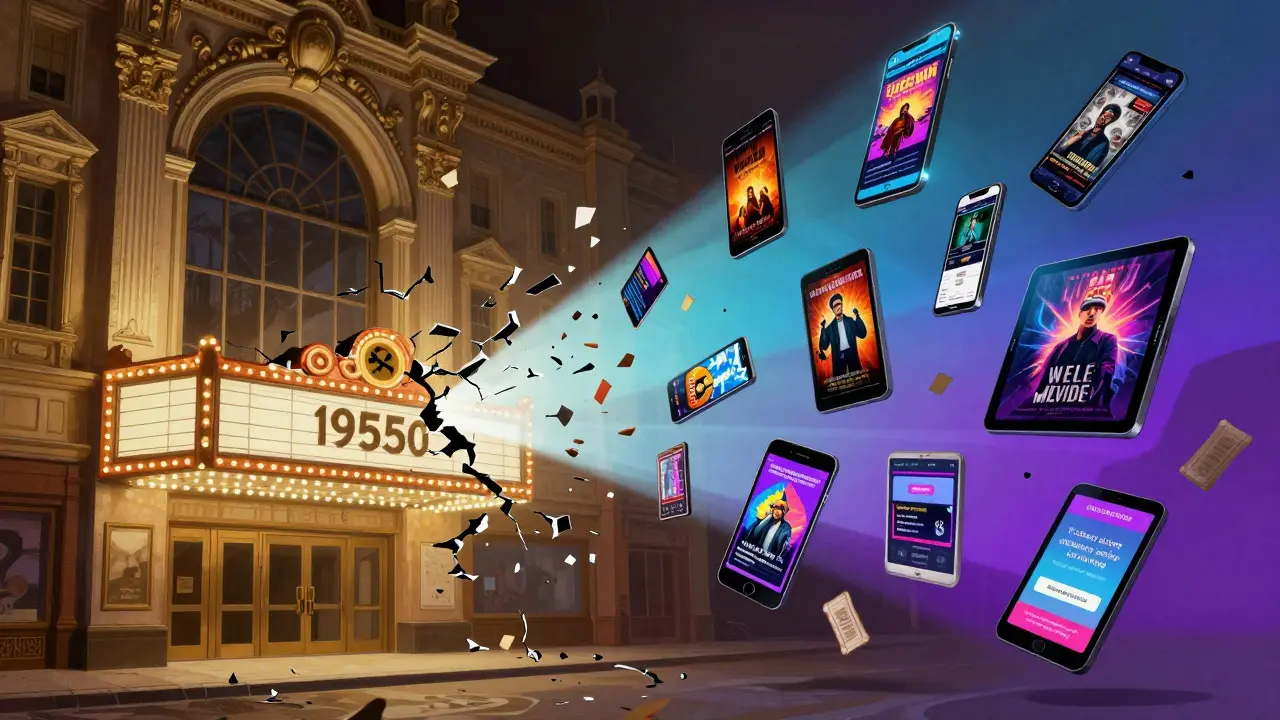
You might be wondering: Why bother with theaters at all if everyone can watch at home? The answer is limited exhibition refers to releasing a film in a select number of theaters rather than a wide national rollout. Historically, independent films and arthouse movies used limited releases to build buzz without risking millions on a nationwide launch. If word-of-mouth was good, they expanded. If not, they faded quietly.
For streamers, limited exhibition is a perfect fit. Most streaming hits aren't the next Avatar; they’re niche dramas, documentaries, or genre pieces that appeal to specific demographics. Releasing them in 5,000 theaters makes little financial sense. But releasing them in 50 carefully chosen theaters in high-density urban areas creates a cultural event. It gives critics something to review in person. It gives fans a place to gather. And it keeps the cost low.
By owning these theaters, the streamer ensures that the "limited" aspect remains exclusive. They can guarantee that the screening is high-quality, the marketing is targeted, and the transition to digital is seamless. It turns a potential weakness (low budget) into a strength (curated experience).
The Risks and Challenges
Of course, nothing is free. Buying theaters is expensive. Real estate in prime locations costs a fortune, and operating costs-staff, electricity, maintenance-are ongoing. For a company that prides itself on global scale, managing hundreds of local brick-and-mortar locations is a logistical nightmare.
There’s also the antitrust question. If Netflix owns the theaters, does it have an unfair advantage over other streamers? If Amazon owns another chain, do they compete fairly? Regulators in the United States and Europe are already watching big tech closely. If streamers start dominating the physical exhibition space, they could face scrutiny similar to what happened with cable bundling in the 1990s.
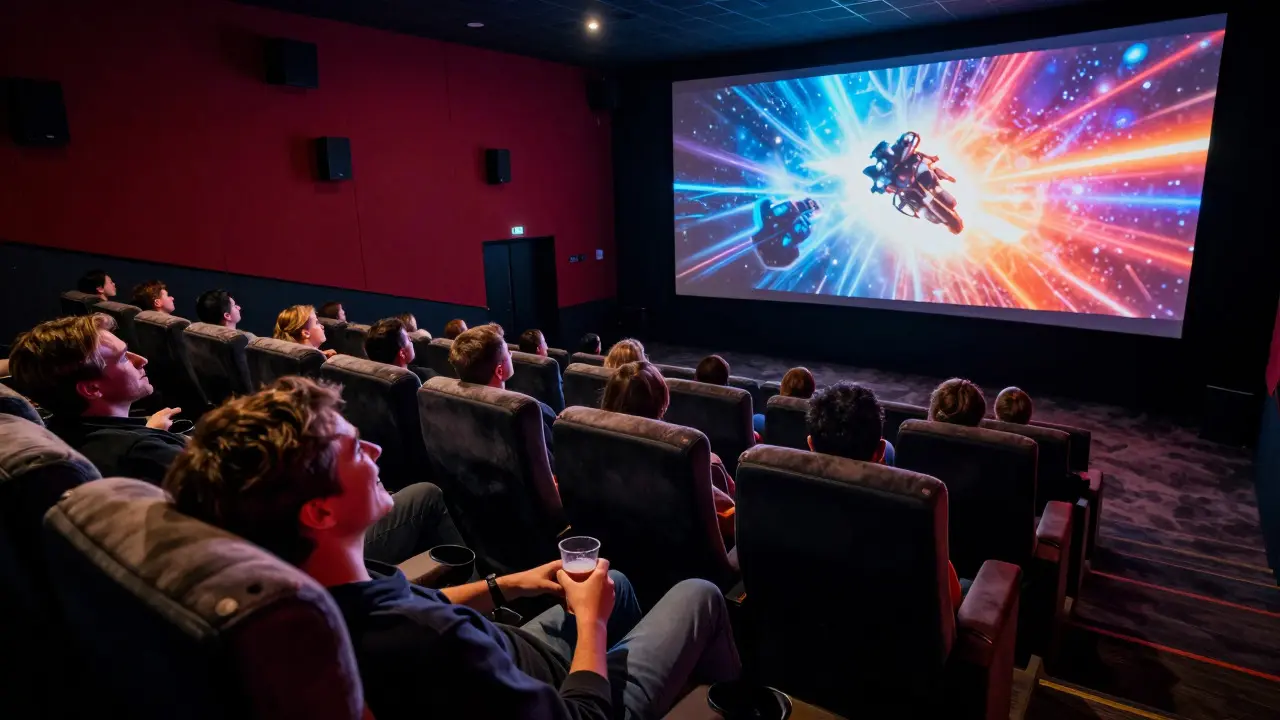
Then there’s the audience factor. Will people actually go? Many viewers prefer the comfort of home. To make streamer-owned theaters work, the experience needs to be different. Maybe the seats are better. Maybe the sound system is superior. Maybe it’s a social hub with bars and events. If it’s just a dark room with a screen, people will stay home. The value proposition has to be clear.
Comparing the Models: Traditional vs. Integrated
To visualize the difference, let’s compare the traditional multi-party model with the proposed vertical integration model.
| Feature | Traditional Model | Streamer-Owned Theater Model |
|---|---|---|
| Control over Release Date | Negotiated between Studio and Distributor | Fully Controlled by Platform |
| Theatrical Window Length | Variable (3-6 weeks typically) | Fixed or Dynamic based on Data |
| Marketing Synergy | Separate campaigns for Theaters and Home | Unified Campaign across Physical and Digital |
| Risk Profile | High (Box Office Failure = Loss) | Moderate (Subscription Revenue offsets Ticket Loss) |
| Audience Targeting | Broad Demographics | Specific Subscriber Segments |
The table highlights a crucial point: risk management. In the traditional model, if a movie flops in theaters, the studio loses money on every unsold ticket. In the integrated model, the "loss" on a ticket sale is minimal because the primary revenue stream is the subscription fee. The theater becomes a marketing tool rather than a profit center. This changes the entire economic calculation.
What This Means for Moviegoers
If this trend takes off, your movie-watching habits will change. You’ll likely see more "premiere-only



Comments(10)