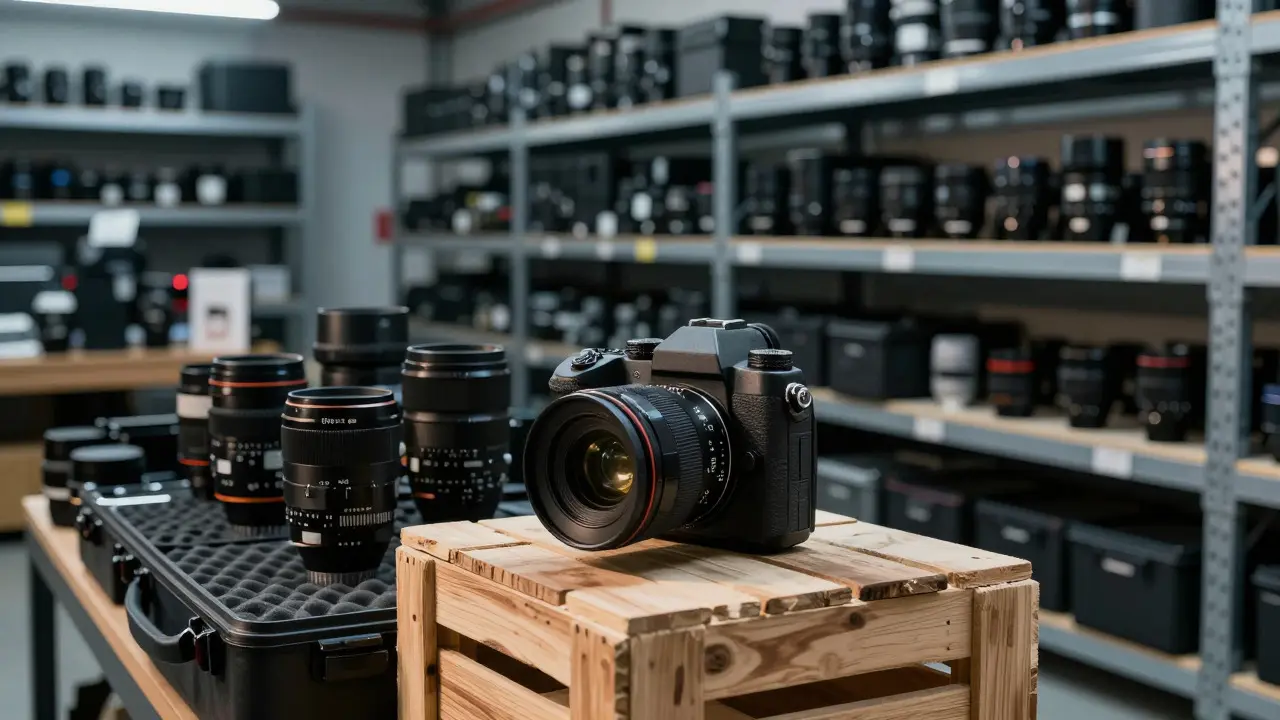
Walking into a rental house with a fixed price list in hand is the fastest way to overpay for your production. Most producers assume the sticker price is final, but in the world of film equipment rentals, the first quote is just the starting point. Whether you are shooting a high-end commercial or an indie feature, understanding how to leverage your schedule, package size, and industry relationships can save you thousands of dollars without compromising on quality.
Understanding the Rental House Business Model
To negotiate effectively, you need to understand what the rental house cares about most: utilization and cash flow. A camera sitting in a case earns nothing. Therefore, their primary goal is to keep gear moving from one job to the next with minimal downtime. This creates specific windows of opportunity for you as a client.
Rental houses typically categorize their inventory into three tiers:
- A-List Gear The latest, highest-demand models like the Sony Venice 2 or ARRI Alexa 35. These have high replacement costs and limited availability, making them less flexible on price but more critical to book early.
- B-List Gear Slightly older or mid-range models that still perform excellently but have lower demand. These are prime targets for discounting because they sit idle longer between bookings.
- C-List / Support Gear Lenses, monitors, batteries, and cabling. While individual items are cheap, these add up quickly. They are often bundled into packages where negotiation yields the highest percentage savings.
When you call, don't just ask "what does this cost?" Ask about the current utilization rate for that specific item. If they mention it's been out for the last two weeks, you have less leverage. If it's been in the warehouse since last month, you have significant room to push for a better deal.
The Power of Package Bundling
Individual line items rarely get discounted significantly. The magic happens when you bundle related equipment into a coherent package. Rental houses love clean packages because they reduce packing time, minimize the risk of missing accessories, and simplify their inventory tracking.
Consider a standard camera package. Instead of renting a body, a lens, a monitor, and power separately, request a "Camera Operator Kit." This usually includes the body, one prime lens, a matte box, a follow focus, a small LED light, and necessary cables. By framing it as a single unit, you allow the rental coordinator to apply a package discount rather than calculating individual daily rates.
| Bundle Type | Standard Rate (Est.) | Negotiated Rate (Est.) | Savings Potential |
|---|---|---|---|
| Single Camera Body | $400/day | $380/day | ~5% |
| Full Camera Kit (Body + Lens + Accessories) | $650/day | $520/day | ~20% |
| Multi-Cam Rig (2 Cameras + Shared Accessories) | $1,200/day | $950/day | ~20-25% |
| Long-Term Monthly Block | Variable | Flat Monthly Fee | ~30-40% |
Note that these percentages vary by market. In major hubs like Los Angeles or New York, competition among rental houses is fierce, which favors the buyer. In smaller markets, leverage may be lower, but relationship-building becomes even more important.

Leveraging Schedule Flexibility
Your shoot schedule is your strongest negotiating tool. If your dates align perfectly with the rental house's existing calendar gaps, you become a valuable partner in filling their empty days.
Here is how to use this to your advantage:
- Offer Extended Holds: If you need gear for five days but only shoot on three, offer to hold the equipment for the full week at a slightly reduced daily rate. This guarantees revenue for the house and locks in the gear for you.
- Accept Off-Peak Dates: Weekends and holidays command premium pricing. If your script allows, shifting principal photography to Tuesday through Thursday can reduce rates by 10-15%.
- Commit to Future Work: If you are planning a sequel or a second season, mention it. Many rental houses will offer a "project rate" for the current shoot if you sign a letter of intent for future projects. This isn't a binding contract, but it signals long-term value.
Always confirm the exact pickup and drop-off times. Overtime charges are notorious for eating into negotiated savings. A four-hour delay can wipe out a $500 discount. Build buffer time into your schedule and communicate any potential delays immediately.
Building Relationships with Rental Coordinators
In the film industry, reputation travels fast. The person handling your rental order is often a specialist who has worked with hundreds of productions. Treating them as a partner rather than a transactional clerk pays dividends.
Be specific in your requests. Vague inquiries like "I need some cameras" waste everyone's time. Provide a detailed shot list or a technical rider. When you show preparation, the coordinator respects your professionalism and is more inclined to work with you on pricing.
Also, be honest about your experience level. If you are a first-time director, tell them. They might suggest simpler setups that are cheaper to maintain and less likely to break. Conversely, if you are a seasoned DP, they know you won't make mistakes with delicate gear, which reduces their insurance anxiety and can lead to better terms.

Common Pitfalls to Avoid
Even experienced producers can fall into traps that inflate costs. Watch out for these common issues:
- Hidden Insurance Costs: Some rental houses charge for damage waivers that overlap with your production insurance. Read the fine print. If you carry comprehensive coverage, negotiate to waive the rental house's additional fee.
- Accessories Creep: Monitors, tally lights, and wireless video transmitters are easy to overlook. Before finalizing the quote, walk through every accessory needed for each camera position. It’s better to add them now at a negotiated rate than pay retail later.
- Ignoring Local Competitors: Don’t settle for the first quote. Get quotes from at least three different houses. You don’t have to rent from all of them, but having competing offers gives you concrete data to negotiate with. "House B offered us 10% off, can you match it?" is a standard and effective tactic.
Finalizing the Agreement
Once you’ve agreed on rates, get everything in writing. The rental agreement should clearly state:
- Daily rates and total cost breakdown
- Pickup and return dates/times
- Overtime rates (usually half-day increments)
- Damage liability caps
- What happens if the gear fails during the shoot (replacement policy)
Pay attention to the deposit requirements. Larger productions often require higher deposits, but for reliable clients, this can sometimes be waived or reduced to a credit card hold. Building trust over multiple projects makes this easier to achieve.
Negotiating film equipment rentals isn't about being aggressive; it's about being informed. By understanding the rental house's incentives, bundling your needs strategically, and leveraging your schedule, you can secure rates that keep your production profitable without sacrificing the tools you need to tell your story.
How much can I realistically negotiate on film equipment?
For single items, expect 5-10% savings. For bundled packages or multi-week rentals, you can often achieve 20-30% discounts. The key is volume and commitment. The more gear you rent and the longer you hold it, the more leverage you have.
Should I rent from local or national rental houses?
Local houses often offer better service and lower shipping costs, while national chains may have wider inventory selection. For niche or high-end gear, national houses might be necessary. However, for standard packages, local providers are usually more flexible on pricing due to direct competition.
What is the best time to book equipment for a discount?
Book during off-peak seasons, such as late winter or early spring, when production schedules are lighter. Also, booking well in advance (3+ months) allows you to lock in rates before prices rise due to increased demand or inflation adjustments.
Do rental houses offer discounts for student films?
Yes, many houses have education programs offering 20-50% discounts for accredited film students. You’ll typically need to provide proof of enrollment. However, availability for top-tier gear may be limited during peak graduation season.
Is it worth buying instead of renting for recurring projects?
Generally, no. Technology depreciates rapidly, and maintenance costs add up. Unless you are shooting daily for years without interruption, renting keeps your capital free for other production needs and ensures you always have access to the latest technology without obsolescence risk.




Comments(8)