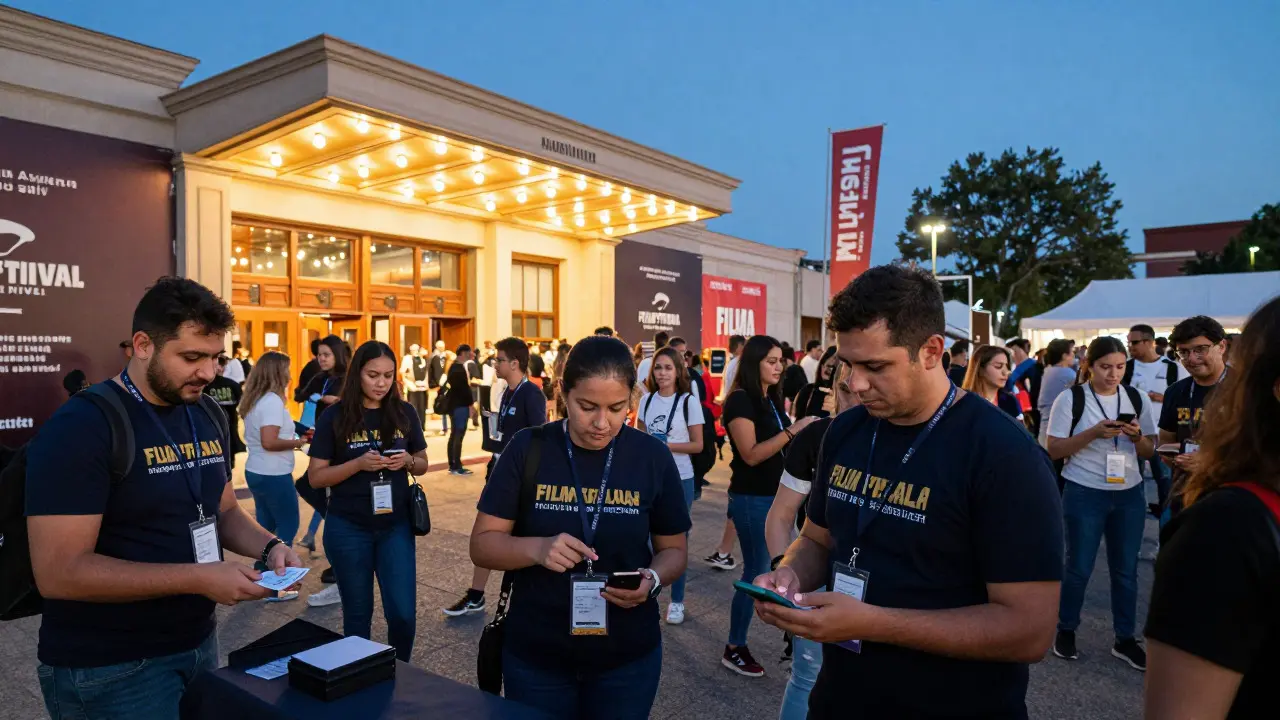
Ever wonder how a small indie screening doesn't collapse under the weight of hundreds of attendees? It’s not just magic; it’s the invisible army of Festival Volunteers is the essential workforce that handles logistics, guest relations, and technical support to ensure smooth execution of film events. Without them, even the most prestigious Film Festival would be a chaotic mess of missed cues and angry audiences. These unpaid heroes are the glue holding the entire operation together, often working long hours for the sheer love of cinema and community.
The Backbone of Event Operations
When you think about a Film Festival, you likely picture the red carpets and the award ceremonies. But the reality is much grittier and more logistical. The core function of the volunteer team is to bridge the gap between the artistic vision and the physical reality of hosting an event. This involves managing crowd flow, ensuring technical equipment works, and keeping the schedule on track. For example, during the Sundance Film Festival, thousands of volunteers manage ticket scanning and ushering, allowing filmmakers to focus solely on their craft. If one link in this chain breaks, the ripple effect can ruin the experience for everyone involved.
Key Volunteer Positions Explained
Not all volunteer roles are created equal. Each position requires specific skills and levels of responsibility. Understanding these distinctions helps you find where you fit best within the ecosystem. Here is a breakdown of the most common positions you will encounter at major and mid-sized film events:
- Ushers and Gatekeepers: These are your first point of contact with the audience. They check tickets, answer basic questions, and guide people to their seats. It’s a high-energy role that requires patience and quick thinking when lines get long or schedules shift unexpectedly.
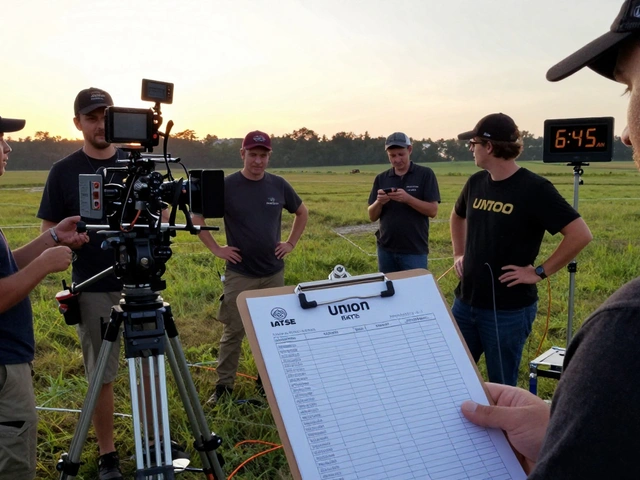
- Technical Assistants: Working closely with projectionists and sound engineers, these volunteers help set up screens, test audio levels, and troubleshoot minor glitches before doors open. They need a basic understanding of AV equipment and the ability to stay calm under pressure.
- Guest Relations: This role focuses on VIPs, directors, and actors. Volunteers here handle scheduling, transportation coordination, and hospitality. It’s less about physical labor and more about diplomacy and attention to detail.
- Mercantile Staff: Many festivals have marketplaces or merch booths. Volunteers here manage inventory, process payments, and interact with buyers. It’s a great entry point for those interested in the business side of the film industry.
- Social Media Crew: In the digital age, documenting the event is crucial. These volunteers capture photos, record short video clips, and post updates in real-time. They need strong visual storytelling skills and familiarity with platforms like Instagram and TikTok.
Why People Choose to Volunteer
You might ask why anyone would work for free for twelve-hour shifts. The answer usually comes down to three factors: passion, networking, and skill-building. For students and early-career professionals, volunteering at a Independent Film Festival is a low-cost way to gain industry exposure. You meet producers, distributors, and critics who might otherwise be inaccessible. I once spoke with a production assistant who landed her first paid job simply by helping out at a local festival in Asheville. She impressed a director with her reliability and problem-solving skills during a technical failure, leading to a direct offer of employment.
Beyond career benefits, there is the intrinsic reward of being part of something bigger. Watching a crowd react to a powerful documentary or laughing at a clever comedy sketch creates a shared energy that is hard to replicate elsewhere. Volunteers often describe this as "festival fever"-a unique blend of exhaustion and euphoria that keeps them coming back year after year.

Comparing Major vs. Local Festival Roles
The scale of the event significantly impacts the nature of the volunteer work. Large international festivals have rigid hierarchies and specialized teams, while smaller local events rely on generalists who wear many hats. Here is how they compare:
| Aspect | Large International Festivals | Local Community Festivals |
|---|---|---|
| Role Specificity | Highly specialized (e.g., dedicated press liaison) | Generalist (one person handles multiple tasks) |
| Training Provided | Extensive orientation and manuals | Quick briefing and on-the-job learning |
| Networking Potential | Access to A-list celebrities and global executives | Connections with local artists and regional producers |
| Workload Intensity | Long hours, strict schedules, high pressure | Flexible hours, collaborative atmosphere |
| Compensation | Usually unpaid, but may include meals/perks | Unpaid, often includes community recognition |
Skills That Make You Stand Out
If you are looking to apply for a volunteer position, certain traits will make you a favorite among coordinators. Reliability is number one. Nothing kills morale faster than a no-show volunteer on a critical shift. Beyond that, adaptability is key. Schedules change, technology fails, and weather interferes. The best volunteers remain calm and find solutions quickly. Communication skills are also vital, whether you are dealing with a confused attendee or coordinating with a stressed-out director. Finally, having a genuine interest in film helps. While you don’t need to be a critic, showing enthusiasm for the movies being screened makes the work feel less like a chore and more like a privilege.
Common Pitfalls to Avoid
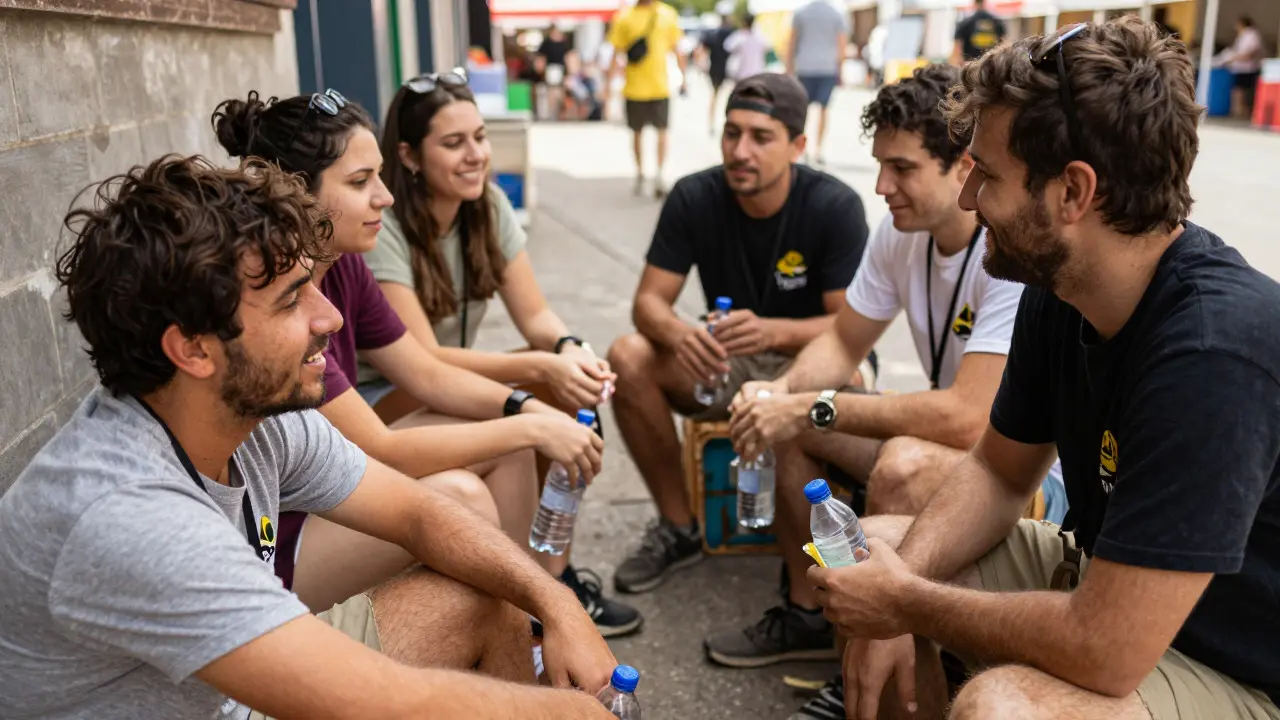
Even experienced volunteers can stumble if they aren’t prepared. One common mistake is underestimating the physical demands. Standing for ten hours a day is tiring, so comfortable shoes and hydration are non-negotiable. Another pitfall is overstepping boundaries. While you want to be helpful, remember that you are supporting the staff, not replacing them. Always defer to the official crew leads when conflicts arise. Lastly, don’t neglect the social aspect. Building relationships with other volunteers can lead to future collaborations and friendships that last well beyond the festival dates.
How to Get Started
Ready to join the ranks? Start by identifying festivals in your area or regions you are willing to travel to. Most organizations post volunteer opportunities on their official websites several months in advance. Create a simple resume highlighting any relevant experience, such as customer service, event planning, or media production. When applying, write a brief cover letter explaining why you are passionate about film and what specific role you are interested in. Follow up politely if you haven’t heard back after two weeks. Persistence pays off in this field, and many coordinators appreciate candidates who show genuine initiative.
Do film festival volunteers get paid?
Most film festival volunteers are unpaid, but they often receive perks like free meals, merchandise, or discounted tickets to screenings. Some larger festivals may offer stipends for senior volunteer roles, but cash compensation is rare.
What is the best role for someone new to the film industry?
Ushering or gatekeeping is the most accessible starting point. These roles require minimal prior experience but provide excellent visibility and interaction with both attendees and industry professionals. From there, you can express interest in moving into more specialized areas like production or marketing.
How many hours do volunteers typically work per day?
Shifts usually range from 6 to 10 hours, depending on the event schedule. During peak times, such as opening nights or awards ceremonies, shifts can extend longer. Coordinators typically try to balance workload by offering shorter shifts during quieter periods.
Can I volunteer at multiple festivals at once?
It is possible, but challenging. Many festivals prefer exclusive commitments during their event dates to ensure reliability. However, some allow cross-volunteering if the schedules do not conflict. Always communicate clearly with coordinators about your availability to avoid double-booking issues.
What should I bring to my first volunteer shift?
Bring comfortable clothing and closed-toe shoes, a water bottle, a phone charger, and any personal identification required for badge pickup. If you are assigned to outdoor venues, pack layers and rain gear. Arriving 15 minutes early is also highly recommended to complete check-in procedures.




Comments(9)