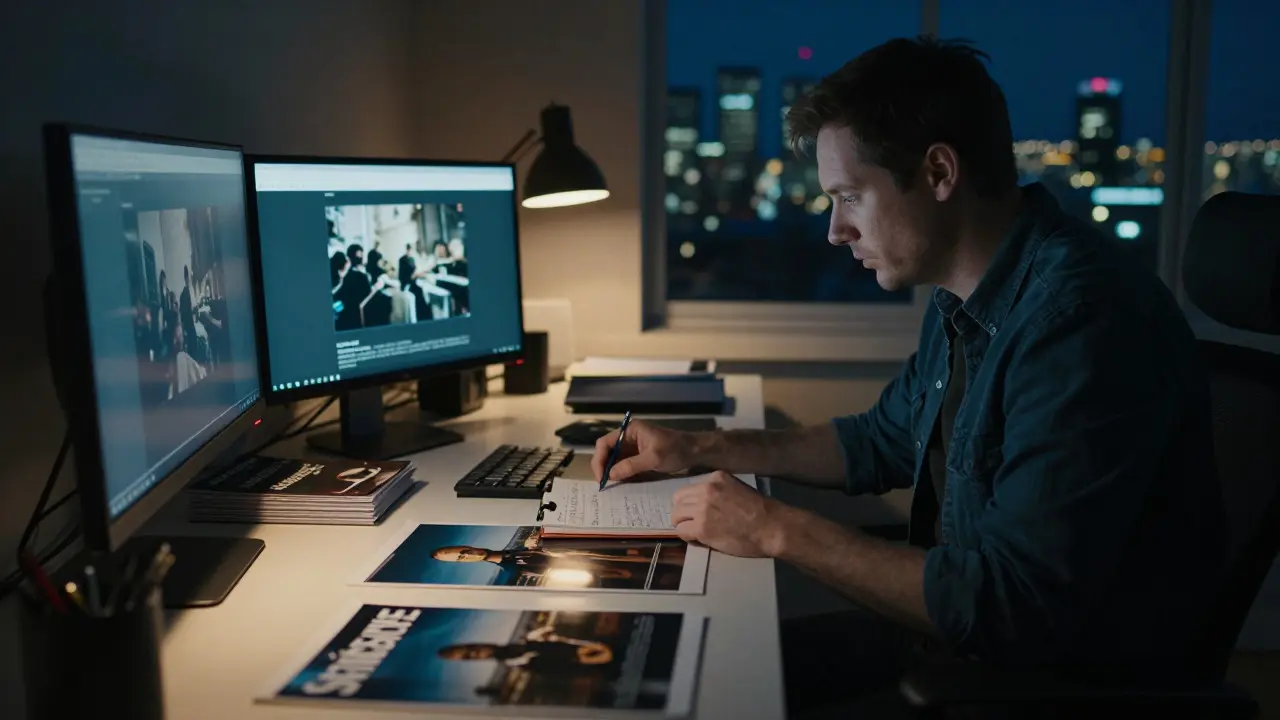
Imagine this: it’s 10 PM on a Tuesday. The Sundance Film Festival is three days away. Your film is in the lineup, but your inbox is empty. No interviews booked, no reviews scheduled, and zero social media chatter. Sound familiar? If you’re an independent filmmaker or a festival programmer, that silence can be terrifying. But here’s the secret nobody tells you: the real work doesn’t start when the red carpet rolls out. It starts weeks before, with a precise festival press strategy that turns quiet anticipation into loud, undeniable buzz.
Building hype isn't about luck; it's about timing, relationships, and knowing exactly what journalists want. Whether you're targeting niche arthouse audiences or aiming for mainstream breakout status, the approach needs to be tailored. This guide breaks down how to construct a narrative that sticks, ensuring your film isn't just shown-it's talked about.
The Core of Pre-Festival Momentum
Before you send a single email, you need to define your angle. Journalists receive hundreds of pitches during festival season. To stand out, you must offer them a story, not just a movie. Is your film a visual masterpiece from a first-time director? A controversial take on a current event? A reunion of industry veterans? Identify the one hook that makes your project unique and lead with that.
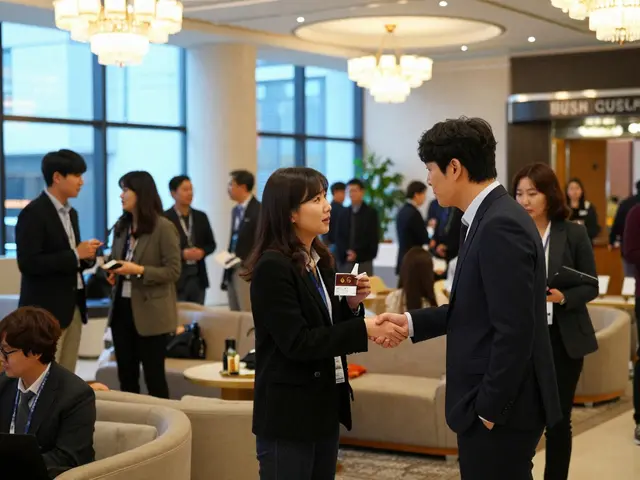
Media outreach is the process of connecting filmmakers with journalists to secure coverage and interviews. In the context of film festivals, this involves identifying key publications, trade magazines, and local outlets that align with your genre and audience. For example, if you have a documentary about urban gardening, pitch to environmental blogs and local city papers, not just major entertainment dailies. Specificity wins attention.
Timing is Everything: The 4-Week Countdown
Festival calendars are rigid. Missing a deadline means missing the window entirely. Here is a practical timeline to follow for any major festival:
- 4 Weeks Out: Send initial press kits (EPK) to top-tier targets. Include high-resolution stills, a compelling synopsis, and director bios. Do not ask for anything yet; just introduce yourself.
- 3 Weeks Out: Follow up with personalized emails. Mention a recent article by the journalist that resonated with your film. Ask if they’d like exclusive access to a short teaser clip.
- 2 Weeks Out: Schedule interviews. Offer flexibility on time zones. If possible, provide a Zoom link or suggest meeting at a specific hotel lobby near the festival venue.
- 1 Week Out: Send reminders. Share behind-the-scenes content or actor quotes. Keep the energy high but respectful of their schedule.
- Festival Day: Be available. Have a dedicated PR person or manager handling logistics so the creative team can focus on the screening.
Crafting the Perfect Press Kit
Your Electronic Press Kit (EPK) is your digital business card. It needs to be professional, easy to navigate, and visually stunning. A cluttered EPK signals disorganization, which journalists interpret as a risk.
| Component | Why It Matters | Pro Tip |
|---|---|---|
| High-Res Stills | Journalists need images for articles and social posts. | Provide at least 10 distinct shots, including wide angles and close-ups. |
| Synopsis & Logline | Gives the quick pitch in under 50 words. | Keep it punchy. Avoid jargon. Focus on emotion and conflict. |
| Director Bio | Humanizes the project and establishes credibility. | Highlight previous awards or notable collaborations. |
| Screening Info | Tells them where and when to see it. | Include exact dates, times, and theater names. Add a map link. |
Don’t forget the technical specs. File sizes should be manageable for quick downloads, and all text should be copy-paste ready. If you have to hunt for information, you’ve lost the reader.

Leveraging Local vs. National Coverage
Many filmmakers overlook local press because they dream of national headlines. But local coverage builds community momentum. If your film is screening in New York, hit up the local arts council, neighborhood newsletters, and university film clubs. These groups often have engaged audiences who attend screenings multiple times and share experiences online.
National coverage, on the other hand, requires a different tone. Trade publications like Variety or The Hollywood Reporter care about marketability, distribution potential, and industry trends. Frame your pitch around these business aspects. For instance, "This film targets the growing demographic of streaming subscribers interested in indie thrillers" is a stronger hook than "This film is a beautiful story about love."
Social Media as a Buzz Engine
Press coverage amplifies social media, but social media also drives press interest. Create a hashtag for your film and use it consistently. Encourage cast members to post daily updates leading up to the premiere. Short-form video content-like 15-second clips showing the set or the director’s vision-performs exceptionally well on platforms like Instagram and TikTok.
Engage with critics before they write. Reply to their posts, tag them in relevant content, and show genuine appreciation. This human connection often leads to more favorable coverage. Remember, journalists are people too; they appreciate being recognized and respected.
Handling the Premiere Day Chaos
Premiere day is intense. Lights, cameras, crowds, and tight schedules can derail even the best plans. To stay ahead, assign roles clearly. Who is greeting guests? Who is answering phone calls? Who is monitoring social media for real-time reactions?
Have a “war room” setup, even if it’s just a quiet corner of a hotel lobby with two laptops and good coffee. Monitor news wires and social feeds for early mentions. If a positive review drops, share it immediately. If a negative one appears, don’t panic; let the audience form their own opinions through subsequent screenings.
Post-Festival Follow-Up
The buzz doesn’t end when the lights go out. Within 48 hours of the final screening, send thank-you notes to every journalist who covered your film. Attach a link to their article and express gratitude. This simple gesture strengthens relationships for future projects.
Analyze your results. Which outlets gave you the most exposure? Which hooks worked best? Use this data to refine your strategy for the next festival. Building a long-term relationship with the press is a marathon, not a sprint. Each festival is an opportunity to deepen those connections and expand your network.
How far in advance should I contact journalists?
Ideally, four weeks before the festival begins. This gives them enough time to plan their coverage without feeling rushed. If you’re targeting major international outlets, consider reaching out six weeks prior to account for time zone differences and heavier workloads.
What if my film isn’t in a major competition?
Focus on niche communities and specialized publications. Non-competitive sections often attract passionate audiences who value discovery over prestige. Highlight the unique aspects of your film that resonate with specific subcultures or interest groups.
Do I need a professional publicist for a small film?
Not necessarily. While professionals have established networks, many independent filmmakers successfully manage their own outreach with consistent effort and strong materials. Start by building your own list of contacts and grow it organically through networking events and online engagement.
How do I handle negative reviews?
Stay calm and professional. Negative reviews are part of the process. Respond politely on social media if appropriate, but avoid arguing. Let the quality of your work speak for itself through word-of-mouth and repeat viewings. Often, mixed reviews generate more curiosity than unanimous praise.
What metrics should I track to measure success?
Track the number of media placements, social media impressions, website traffic spikes during the festival, and ticket sales. Also monitor sentiment analysis on social platforms to gauge audience reaction. These metrics help you understand what resonates and improve future strategies.


Comments(7)