
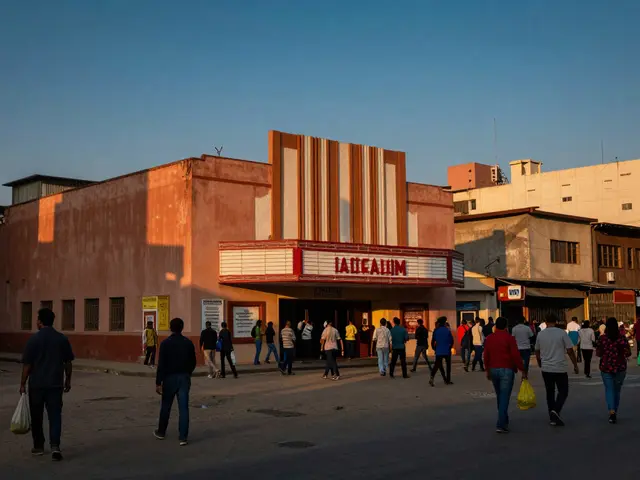
Walking into the main screening hall at Busan International Film Festival is a major annual event for Asian cinema that serves as a critical launchpad for emerging filmmakers and a hub for industry networking. It’s not just about watching movies; it’s about who you meet in the lobby. If you are an independent producer or a distributor looking to break into the East Asian market, understanding the specific rhythms of this circuit is the difference between getting a meeting and getting ignored. The landscape has shifted significantly since 2023, with hybrid models becoming standard and digital rights commanding higher premiums than ever before.
The core problem for most outsiders is treating these festivals as monolithic blocks. They aren’t. Tokyo International Film Festival operates with a different energy than Pusan, which in turn differs from the more niche Singapore International Film Festival. Each venue has its own buyer pool, its own cultural preferences, and its own timing relative to the global calendar. Getting this wrong can cost you a quarter of potential revenue.
Why the Asian Circuit Matters More Than Ever
You might think Hollywood still holds all the cards, but the data tells a different story. In 2025, non-English language films accounted for nearly 18% of total box office revenue in major Asian markets, up from 12% five years ago. This shift means local audiences are hungry for regional stories, but they also have high production standards. For Western indie filmmakers, this creates a unique window. You don’t need to compete with blockbuster budgets; you need to compete on authenticity and emotional resonance.
The "circuit" isn't just three cities. It’s a network that includes secondary hubs like Shanghai, Seoul, and Bangkok. However, Busan and Tokyo remain the two anchors because of their established market infrastructure. When we talk about the circuit, we are really talking about the flow of capital and attention. Money moves from the big markets (South Korea, Japan) to the smaller ones (Southeast Asia, South Asia) through these festival connections. Understanding this flow helps you position your project correctly.
Decoding the Big Two: Busan vs. Tokyo
Let’s get specific. Busan International Film Festival typically takes place in late October. Its primary strength is the New Currents section, which focuses on first and second features from Asian directors. If your film is under 90 minutes and deals with social realism or experimental narrative, Busan is your target. The buyers here are often mid-tier distributors looking for arthouse titles that can double as festival darlings and streaming acquisitions.
Tokyo International Film Festival usually runs in late November. It has a broader scope, including a strong focus on animation and documentary. The Japanese market is distinct because of its massive domestic animation industry. Even if your live-action film isn’t animated, showing up in Tokyo signals that you respect the local aesthetic. Buyers in Tokyo tend to be more conservative regarding genre but very aggressive on visual style. If your cinematography is striking, Tokyo will reward you. If it’s purely dialogue-driven, you might struggle unless the script is exceptionally tight.
| Festival | Primary Focus | Ideal Project Type | Market Strength |
|---|---|---|---|
| Busan International Film Festival | New Asian Talent | First/Second Features, Social Realism | Streaming Acquisitions, Arthouse Distribution |
| Tokyo International Film Festival | Diverse Genres, Animation | Visual Storytelling, Docs, Anime | Domestic Theatrical, High-End Streaming |
| Singapore International Film Festival | Southeast Asian Cinema | Regional Co-productions, Niche Genres | Regional Distribution, TV Rights |
Strategic Positioning for Independent Producers
So, how do you actually use this? Don’t just send a press kit and hope for the best. The Asian market values relationships over cold pitches. Start by identifying one or two key players at each festival. For example, if you are targeting South Korean streaming platforms, look for representatives from CJ ENM or TVING. These companies actively scout at Busan. They are not looking for the next Marvel movie; they are looking for content that fits their subscriber base’s taste for complex, character-driven narratives.
Timing is everything. Submit your film six to eight months before the festival date. Late submissions rarely get screened in competitive sections. Also, consider the "pre-sales" angle. Many producers now use the festival circuit to sell international rights before the film even premieres. This reduces financial risk. If you can secure a deal for Japan or South Korea during the market days, you’ve effectively de-risked your budget for post-production or marketing.
Don’t ignore the regional showcases. While Busan and Tokyo are the giants, festivals in places like Taipei and Kuala Lumpur offer lower entry barriers. These events are perfect for building initial buzz and gathering testimonials. A positive review from a respected critic in Taipei can carry significant weight when you pitch to larger buyers in Tokyo later. It’s a step-by-step ladder, not a single leap.

Navigating Cultural Nuances and Business Etiquette
Business in Asia is relationship-based. In the West, we might shake hands and get straight to the contract. In Seoul or Tokyo, you might spend an hour discussing food, family, or travel before mentioning the film. This isn’t a waste of time; it’s a test of compatibility. If you rush the process, you signal that you only care about the money, not the art. This can kill a deal instantly.
Language barriers are real, but less so than you think. Most major buyers speak fluent English. However, having a bilingual assistant or translator on hand is crucial for nuanced negotiations. Misunderstanding a clause about "territorial exclusivity" can lead to legal headaches down the line. Always have your contracts reviewed by a lawyer who specializes in international media law, preferably one with experience in the specific country you are dealing with.
Also, be mindful of content sensitivities. What works in Los Angeles might not fly in Seoul. Themes of political dissent or certain religious symbols can be tricky. Do your homework on local censorship boards and audience sensibilities. A quick consultation with a local consultant can save you from expensive re-edits or outright rejection.
The Role of Digital Platforms in the Modern Circuit
The rise of global streaming services has changed the game. Companies like Netflix and Amazon Prime Video have become major players at these festivals. They no longer just buy finished products; they invest in original productions. This means the festival circuit is now a development hub, not just a sales floor. If you have a strong script and a compelling director, you might land a development deal at Busan rather than a simple distribution agreement.
This shift favors filmmakers with strong personal brands. Directors who are active on social media and have a clear artistic vision are more attractive to these platforms. They want faces they can market globally. So, while you are focusing on the film, don’t neglect your online presence. A well-maintained portfolio and a clear statement of intent can make you stand out in a sea of similar projects.
Furthermore, the definition of "regional" is expanding. Southeast Asian films are gaining traction in North America, and South Asian cinema is breaking into European markets. The festival circuit facilitates these cross-pollinations. By attending multiple stops on the circuit, you expose your work to a wider variety of buyers, increasing your chances of finding the right fit.

Common Pitfalls to Avoid
One of the biggest mistakes I see is over-scheduling. Trying to hit every festival in the region leads to burnout and diluted effort. Pick two or three key targets and go deep. Build genuine connections with a few buyers rather than superficial chats with fifty. Quality over quantity always wins in the long run.
Another pitfall is ignoring the follow-up. The festival week is intense, and meetings happen fast. But the real work starts after the lights go down. Send personalized thank-you notes within 48 hours. Follow up on any promises made. Keep the conversation alive with updates on your production progress. Consistency builds trust, and trust leads to deals.
Finally, don’t underestimate the power of the press. Local journalists in Busan and Tokyo are influential. A good interview or feature in a local publication can drive audience interest, which in turn attracts buyers. They want to see that there is demand for your film. Use the festival to build a local fanbase, however small. That grassroots support is a powerful asset when negotiating terms.
Building a Long-Term Presence
Success in the Asian film market is rarely a one-off event. It’s a career-long journey. The filmmakers who thrive are those who return year after year, refining their craft and expanding their network. Think of the festival circuit as a community you belong to, not just a transactional space you visit. Engage with other filmmakers, attend panels, and participate in workshops. The knowledge you gain from peers is often just as valuable as the deals you close.
As you plan your next move, remember that the landscape is constantly evolving. New platforms are launching, new genres are rising, and audience tastes are shifting. Stay curious, stay adaptable, and keep your eyes open for emerging trends. The Asian film circuit is dynamic and rewarding for those willing to put in the work. It’s not just about selling a movie; it’s about building a legacy in a vibrant and growing global market.
What is the best time to submit a film to Busan or Tokyo?
For both festivals, aim to submit six to eight months before the official opening date. Early submissions allow for thorough review and increase your chances of being selected for competitive sections or market screenings.
Do I need a local agent to sell my film in Asia?
While not strictly required, having a local agent or consultant is highly recommended. They understand the cultural nuances, legal frameworks, and buyer preferences specific to each country, which can significantly improve your negotiation outcomes.
How important is the animation sector in Tokyo?
Animation is a cornerstone of the Japanese film industry. Even for live-action films, showing an appreciation for visual storytelling and animation aesthetics can help you connect with Tokyo-based buyers who are deeply embedded in that culture.
Can I sell streaming rights directly at the festival?
Yes, many major streaming platforms have dedicated teams at these festivals specifically to acquire digital rights. Prepare a clear breakdown of your available territories and formats to facilitate quick discussions.
What should I avoid in my pitch deck for Asian markets?
Avoid overly generic descriptions and excessive jargon. Focus on the emotional core of the story and the unique cultural perspective it offers. Be concise, respectful, and ready to answer questions about local relevance and audience appeal.





Comments(9)