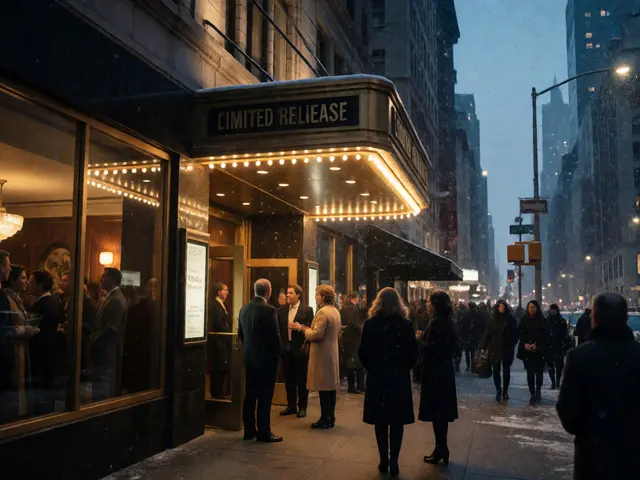
Imagine you just won Best Picture at a mid-tier regional festival. The buzz is real. The audience clapped. But three months later, your phone is silent. No offers. No calls. Just silence. This scenario plays out more often than you’d think, and it’s usually not because your film is bad. It’s because of the myths we all believe about how distribution the process of getting a film into theaters, streaming platforms, or home video markets actually works.
We’ve been fed a narrative that says if you win an award, a distributor will come knocking. We’re told that having a "prestigious" premiere guarantees a deal. And we’re warned that without a big-name star, no one cares. These are half-truths that keep filmmakers anxious and misinformed. Let’s break them down with hard data and industry reality checks.
The Myth of the Automatic Offer
Many first-time directors assume that a festival win equals a distribution contract. In reality, festivals are marketing events, not sales floors. While they generate buzz, the actual deals happen in backrooms or over email chains long after the red carpet photos fade. According to data from the MPAA Motion Picture Association of America, which tracks box office and release data, less than 10% of films premiering at major A-list festivals like Sundance or Cannes secure wide theatrical releases within six months. For B-list and C-list festivals, that number drops even lower.
Why? Because distributors buy based on potential return on investment, not just critical acclaim. A film can be critically adored but commercially risky if it lacks a clear audience hook. Distributors look for:
- Comp Titles: Can they point to a similar film that made money?
- Marketing Angle: Is there a unique selling proposition (USP) beyond "it's a good movie"?
- Territory Rights: Are the rights clean and available for international sales?
If you haven’t prepared these answers before the festival ends, you’re playing catch-up. The myth persists because successful films get publicized, creating survivorship bias. You see the winners; you don’t see the hundreds of other excellent films that went straight to streaming obscurity.
Does a Sales Agent Matter More Than the Festival?
This is where opinions split. Some say a top-tier Sales Agent a company that negotiates the sale of film rights to distributors and broadcasters is non-negotiable. Others argue that a strong festival presence can replace one. The truth? Both matter, but they serve different functions.
A sales agent doesn’t just find buyers; they shape the product. They advise on casting, editing, and even title changes to make the film more marketable. If you have a strong agent, you might skip a small festival entirely and go straight to the European Market. If you don’t have an agent, a strong festival showing can attract their attention. But here’s the catch: agents pick up films *before* they premiere, not after. By the time you’re standing on stage accepting an award, the window for initial interest has narrowed significantly.
| Strategy | Pros | Cons | Best For |
|---|---|---|---|
| Festival-First | Buzz, reviews, press coverage | High competition, slower timeline | Arthouse, drama, documentary |
| Agent-Led | Professional negotiation, global reach | High commission (15-20%), exclusive control | Commercial genre, high-budget indie |
| Digital Direct | Full creative control, faster release | Limited marketing budget, platform dependence | Niche audiences, micro-budget films |
The Streaming Platform Fallacy
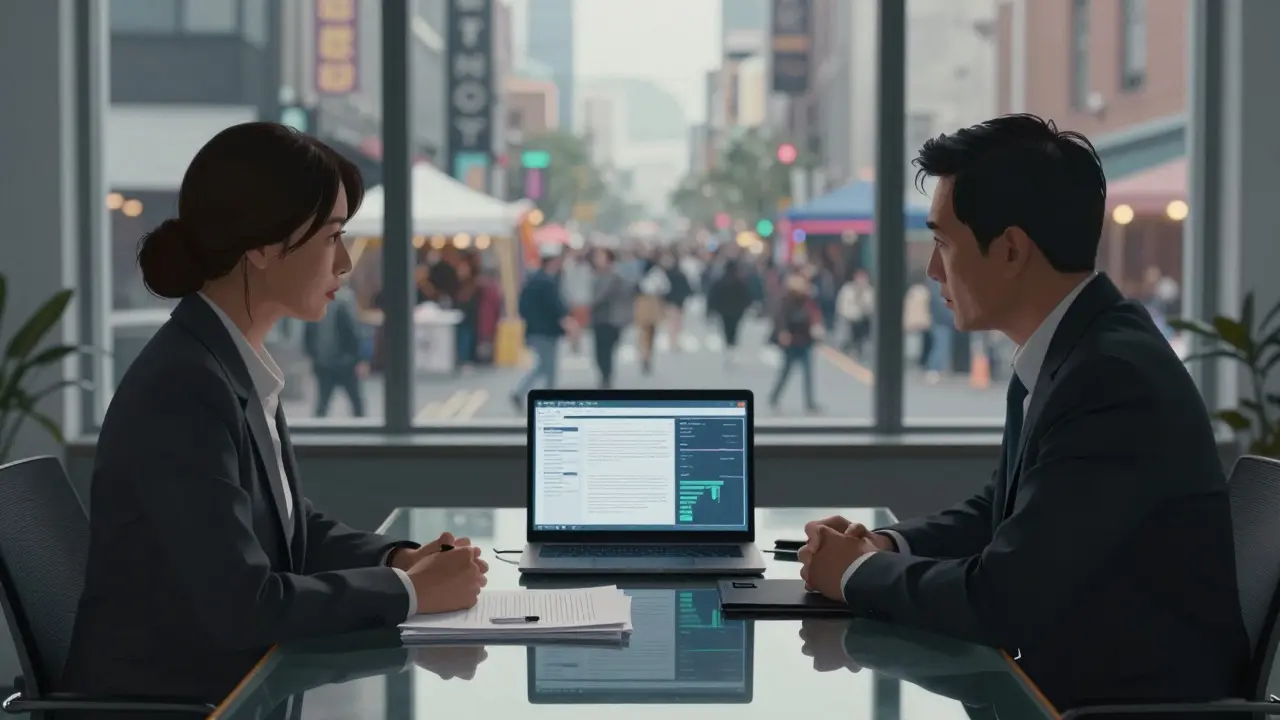
"Netflix will buy it." This phrase has become the new "Hollywood studio offer." Since 2020, streaming giants have flooded the market, leading many to believe that every quality film will be snapped up by a platform. Not quite. Platforms like Netflix a major global streaming service known for original content and acquisitions and Amazon Prime Video a streaming service offering movies, TV shows, and live sports are highly selective. They look for specific genres, star power, or franchise potential. For independent films without recognizable names, the odds are slim unless the film has a viral social media moment.
However, smaller platforms and digital video-on-demand (DVOD) services are hungry for content. Services like MUBI, Criterion Channel, or even YouTube Premieres offer viable paths. The key is understanding that "distribution" isn’t a single door; it’s a series of doors with different sizes. Don’t wait for the mansion; knock on the apartment complex next door.
International Markets Are Not a Backup Plan
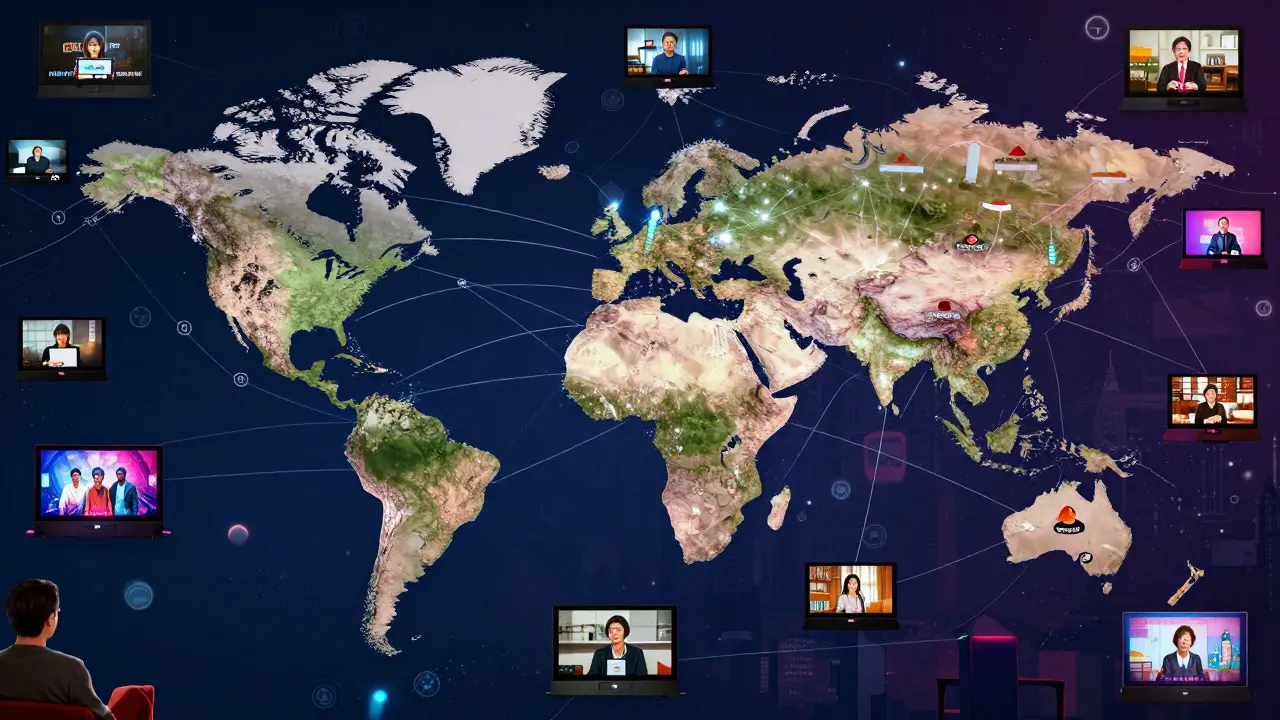
Many US-based filmmakers treat international sales as a secondary income stream. This is a massive mistake. For many indie films, foreign territories account for 60-80% of total revenue. France, Germany, Japan, and South Korea have robust arthouse cultures that support niche films better than the US does.
To tap into this, you need:
- Clean Subtitles/Dubs: High-quality translations are mandatory.
- Local Marketing Materials: Posters and trailers tailored to local tastes.
- A Local Partner: You can’t sell directly to most foreign distributors without an intermediary.
Ignoring this market means leaving the majority of your potential revenue on the table. The myth that "Americans only watch American movies" is outdated. Global audiences are increasingly consuming diverse content, driven by algorithmic recommendations and cultural curiosity.
How to Actually Get Distributed: A Practical Checklist
Now that we’ve busted the myths, let’s talk action. Here’s what actually moves the needle:
- Start Early: Begin preparing your sales package (one-sheet, synopsis, director bio, stills) at least 6 months before your target festival.
- Target Smartly: Choose festivals that align with your genre and previous buyer history. Check who bought last year’s winners.
- Network Authentically: Attend industry screenings, not just premieres. Talk to programmers and sales agents. Be professional, not desperate.
- Be Flexible: Accept that a limited release might be your best option. A $50k theatrical run can build credibility for a later streaming deal.
- Track Data: Use analytics tools to monitor online engagement. Distributors love seeing organic growth in social media metrics.
Remember, distribution is a marathon, not a sprint. The film that wins the award is rarely the one that makes the most money immediately. The one that survives is the one that adapts, targets correctly, and understands the business side of art.
Frequently Asked Questions
Do I need a lawyer to sign a distribution deal?
Yes, always. Distribution contracts are complex legal documents involving rights, royalties, and termination clauses. An entertainment lawyer costs less than the mistakes you’ll make without one. Never sign anything without legal review.
What is a reasonable advance for an indie film?
It varies wildly. For micro-budget films, advances might be $0-$10,000. For mid-budget indies with some buzz, expect $50,000-$250,000. Large-scale indies with stars can command millions. Always negotiate based on comparable sales, not hopes.
Should I release my film on VOD immediately after the festival?
Not necessarily. Waiting 3-6 months allows for a theatrical or premium VOD window, which builds perceived value. However, if you have no other options, immediate VOD is better than never releasing. Momentum matters.
How do I find a sales agent?
Research agents who specialize in your genre. Look at their recent sales list. Reach out with a concise pitch deck. Do not send full screeners unless requested. Personal referrals from other filmmakers or producers are the most effective route.
Is crowdfunding useful for distribution?
Indirectly, yes. A successful crowdfunding campaign proves audience demand. Distributors view pre-sold tickets or pledged backers as de-risking factors. It shows you have a built-in audience, which is valuable for marketing budgets.