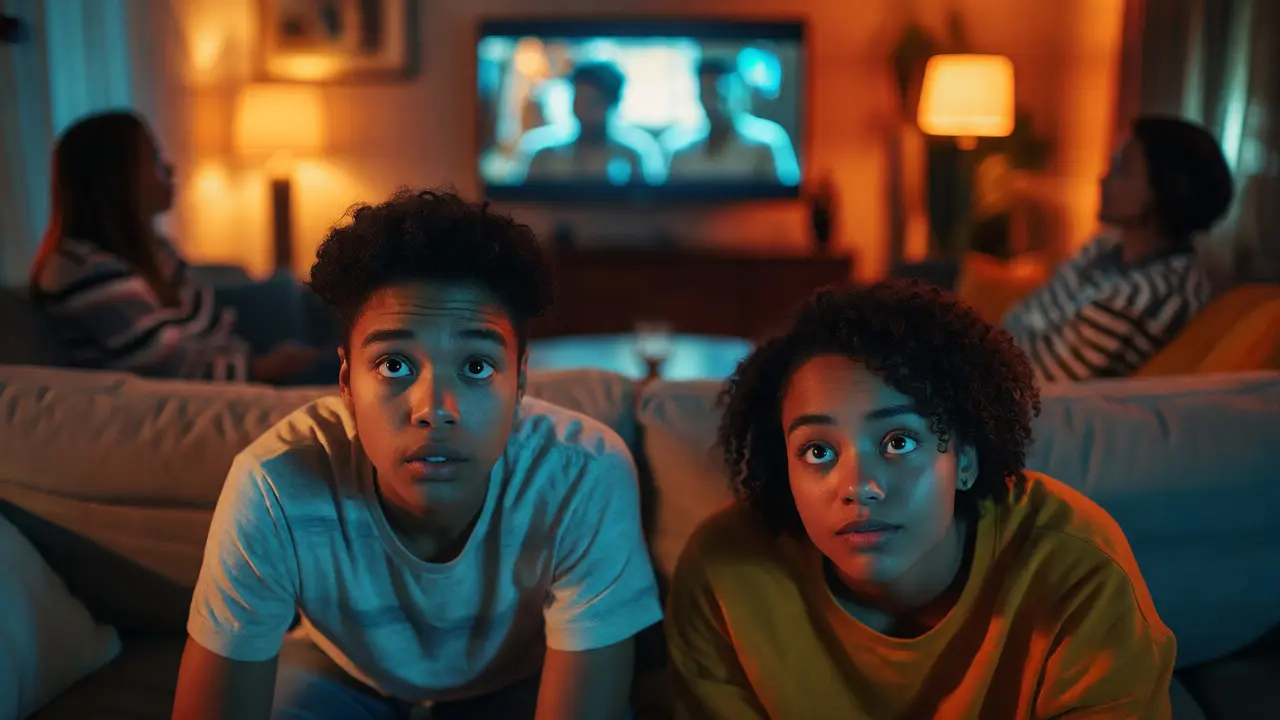
You’re settling in for a night of international cinema, films produced outside the viewer's home country or primary language market. The credits roll, the lights dim, and then comes the decision that splits friend groups and divides critics: do you watch with dubbing, the process of replacing the original dialogue with translated audio in the target language, or stick with subtitles, text translations displayed at the bottom of the screen? It’s not just a preference; it’s a fundamental choice about how you experience art. One path offers immersion and ease, the other preserves authenticity and nuance. Let’s break down why this debate matters and which method actually serves your viewing pleasure best.
The Case for Dubbing: Immersion and Accessibility
Dubbing has long been the standard in countries like Germany, France, Italy, and Spain. Why? Because these markets prioritize visual engagement over textual processing. When you watch a dubbed film, you aren’t reading; you’re watching. This allows you to focus entirely on the actor’s facial expressions, the cinematography, and the background details without splitting your attention between the image and the text. For many viewers, especially those who find reading while watching stressful, dubbing removes the cognitive load. You can lean back, relax, and let the story wash over you.
Accessibility is another huge win here. Consider viewers with visual impairments or dyslexia. Reading fast-moving subtitles can be exhausting or impossible. Dubbing levels the playing field, making global stories accessible to a much wider audience. Furthermore, modern dubbing isn’t the stiff, lip-sync-failing affair of old cartoons. Studios now invest heavily in voice acting talent that matches the emotional intensity of the original performance. In high-stakes thrillers or action movies, where every second counts, hearing the dialogue directly helps maintain tension. You don’t miss a plot twist because you were busy catching up on the last line of text.
The Case for Subtitles: Authenticity and Performance
On the flip side, purists argue that subtitles are the only way to truly respect the filmmaker’s vision. Acting is 50% voice. When you dub a film, you replace the original actor’s tone, pitch, breath, and hesitation with someone else’s interpretation. You lose the subtle grit in a villain’s voice or the specific cultural cadence of a regional dialect. With subtitles, you hear the raw performance. You get the pauses, the sighs, and the untranslatable slang exactly as the director intended.
There’s also an educational aspect. Watching with subtitles exposes you to the rhythm and sounds of foreign languages. Even if you don’t speak Spanish or Korean, hearing the phonetics alongside the English translation helps your brain pick up patterns. It’s a passive form of language learning that keeps your brain engaged. Plus, subtitles often include more detailed translations than dub scripts allow. Dubbing requires matching syllable counts to lip movements (lip-sync), which forces translators to simplify complex sentences. Subtitles have no such constraint, allowing for richer, more accurate conveyance of meaning and humor.

Cultural Nuances and Translation Challenges
Translation is never direct. It’s an act of interpretation. This is where the gap between dubbing and subtitling becomes most apparent. Humor, idioms, and cultural references rarely translate word-for-word. A joke that works in Japanese might fall flat in English unless adapted. Dubbing teams often rewrite jokes entirely to make them land culturally, which can sometimes feel forced or change the character’s personality. Subtitles, however, usually provide a literal translation, sometimes with footnotes or context clues, letting the viewer decide how funny it really is.
Consider the concept of "high-context" cultures versus "low-context" ones. In high-context cultures like Japan or China, what isn’t said is often as important as what is. Subtitles can preserve silence and ambiguity better than dubbing, which tends to fill gaps with explanatory dialogue to ensure clarity for the new audience. If you value the mystery and subtlety of a slow-burn drama, subtitles usually preserve that atmosphere better. Dubbing can inadvertently explain too much, robbing the scene of its power.
Industry Standards and Regional Preferences
Your location plays a massive role in what you see. As of 2026, streaming platforms like Netflix and Disney+ offer both options for almost all major international titles, but default settings vary by region. In Scandinavia and the Netherlands, subtitling is the norm because the populations are smaller and multilingualism is high. In contrast, Latin America and Southern Europe lean heavily toward dubbing due to larger markets and historical industry investments.
Studios choose their strategy based on ROI. Dubbing is expensive. You need a script adapter, a director, voice actors, sound engineers, and mixing time. Subtitling is cheaper and faster. However, for blockbuster franchises aiming for maximum reach in non-English speaking countries, the investment in high-quality dubbing pays off. It removes the barrier to entry for casual viewers who won’t bother with text. Conversely, niche arthouse films often skip dubbing entirely, trusting their core audience to read subtitles. This economic reality shapes what gets localized and how well it’s done.
| Feature | Dubbing | Subtitles |
|---|---|---|
| Authenticity | Low - Original voice replaced | High - Original audio preserved |
| Visual Focus | High - Eyes stay on screen | Medium - Attention split to bottom |
| Accessibility | Excellent for visually impaired/dyslexic | Poor for visually impaired |
| Translation Accuracy | Adapted for lip-sync/timing | Literal or near-literal possible |
| Cost | High production cost | Low production cost |
| Language Learning | Minimal exposure to original sounds | Good exposure to original phonetics |

How to Choose: A Decision Framework
So, which should you pick? It depends on your goal for the evening. Are you looking for pure entertainment and relaxation? Go with dubbing. It lets you multitask, eat dinner, or chat without missing key plot points. It’s great for group viewing where not everyone speaks the same language level or reading speed.
Are you studying the craft of filmmaking, analyzing the director’s intent, or trying to learn the language? Stick with subtitles. Turn them on even if you speak the language; they help clarify accents and rapid-fire dialogue. If the film relies heavily on wordplay or cultural specificity, subtitles will likely give you the fuller picture.
Here’s a quick rule of thumb: Action and comedy often benefit from dubbing because timing and energy matter more than precise wording. Drama and thriller genres often benefit from subtitles because nuance and performance integrity are paramount. Of course, there are exceptions. Some dubbed versions, like the German dub of Parasite or the French dub of Spirited Away, are critically acclaimed and stand on their own merits. Always check reviews for specific localizations if you care about quality.
The Future of Localization
We are moving into an era of AI-assisted localization. New technologies can now generate real-time subtitles and even synthetic voice dubs that match the original speaker’s timbre. While this lowers costs, it raises questions about soul and creativity. Can an algorithm capture sarcasm? Can it understand a pun? Probably not yet. Human translators and voice actors remain essential for high-quality work.
As streaming services expand globally, we’ll likely see hybrid models. Imagine a feature that lets you toggle between original audio with subtitles and dubbed audio instantly, preserving the visual flow. Or interactive subtitles that offer cultural notes when you pause. The binary choice of dubbing vs. subtitles might blur, but for now, understanding the trade-offs helps you curate your own cinematic experience. Don’t let anyone tell you one way is "snobbish" and the other is "lazy." Both are valid tools for enjoying world cinema.
Is dubbing always worse than subtitles?
Not necessarily. While subtitles preserve the original performance, high-budget dubbing can offer excellent accessibility and immersion. For viewers with visual impairments or those who prefer not to read, dubbing provides a superior experience. The "worse" label is subjective and depends on personal preference and the specific quality of the localization.
Why do some countries prefer dubbing over subtitles?
Countries like Germany, France, Italy, and Spain have large domestic markets that justify the high cost of dubbing. Historically, these regions had less exposure to foreign languages compared to Scandinavian countries, leading to a stronger consumer demand for native-language audio. Additionally, dubbing allows for broader mainstream appeal beyond niche cinephiles.
Do subtitles change the meaning of a movie?
Yes, but so does dubbing. Translation always involves interpretation. Subtitles may use literal translations that miss cultural context, while dubbing adapts lines for lip-sync and cultural relevance, sometimes altering the tone. Neither is perfectly accurate; both require compromise. Reading multiple subtitle tracks or comparing them can reveal these nuances.
Can I learn a language by watching movies with subtitles?
It helps significantly. Listening to the original audio while reading the translation reinforces vocabulary and pronunciation. However, it’s not a complete solution. Active study, practice, and immersion are still needed. But it’s a fantastic supplementary tool for picking up colloquialisms and natural speech rhythms.
Which is better for children’s films?
Dubbing is generally preferred for young children who cannot read quickly enough to follow subtitles. It allows them to engage fully with the visual storytelling without the frustration of missed text. As children grow older and become fluent readers, transitioning to subtitles can aid in language development and cultural awareness.