Imagine you’re three weeks from release. The cut is tight, the music hits hard, and the audience laughs at the right moments. Then your lawyer calls. A subject in the film might sue for defamation is a civil wrong where a false statement harms someone's reputation. Or worse, a private individual claims their privacy was the right to be left alone or protected from public disclosure of personal facts without consent. These aren't rare edge cases; they are the two biggest financial threats to independent documentary makers. If you don't understand the difference between a factual error and an invasion of privacy, you could lose your distribution deal before it even starts.
The Core Difference: Defamation vs. Privacy
Many filmmakers treat these as the same beast, but they operate on different legal tracks. Defamation focuses on truthfulness and public perception. To win a defamation case, a plaintiff usually needs to prove the statement was false, published to a third party, and caused damage. Truth is an absolute defense here. If what you said is factually correct, you generally can't be sued for defamation, no matter how ugly it looks.
Privacy torts, on the other hand, often don't care if you're telling the truth. In many jurisdictions, if you reveal embarrassing private facts that aren't of legitimate public concern, you can be liable even if every word is accurate. This distinction is critical because it changes how you edit. For defamation, you verify facts. For privacy, you assess relevance and consent.
| Factor | Defamation | Privacy (Intrusion/Publicity) |
|---|---|---|
| Primary Defense | Truth / Fair Comment | Newsworthy / Public Interest |
| Subject Type | Public Figures need 'Actual Malice' | Private Individuals have stronger rights |
| Key Risk | Factual Errors | Embarrassing Details Without Consent |
| Statute of Limitations | Varies (often 1-3 years) | Varies (often 1-2 years) |
Navigating Defamation in Non-Fiction Storytelling
In documentary cinema, the line between opinion and fact is blurry. Courts generally protect opinions under free speech, provided they aren't presented as undisputed facts. However, when you say, "He stole the money," that's a factual claim. If he didn't steal it, you're exposed. But if you say, "His management style feels like theft," that's likely protected opinion.
The concept of Actual Malice is knowing falsity or reckless disregard for the truth applies specifically to public figures. If your subject is a politician or celebrity, proving they knew the story was false is hard for them. They must show you acted with intent to harm. For private citizens, the bar is lower; simple negligence can sometimes suffice. This means your due diligence matters more when filming ordinary people than famous ones.
Privacy Pitfalls: When Truth Isn't Enough
Let’s talk about the four common privacy torts that trip up producers:
- Intrusion upon Seclusion: Did you physically or electronically invade a space where the person had a reasonable expectation of privacy? Filming through a window into a bedroom is risky. Using a drone over a fenced backyard without permission is another red flag.
- Public Disclosure of Private Facts: This is the big one for docs. You filmed a private moment-maybe a medical diagnosis, a family argument, or a financial struggle-and aired it. Even if true, if it’s not newsworthy, you’re liable.
- Falsely Light: This overlaps with defamation but focuses on misleading context. Showing a clip of a protest where the subject is yelling, but editing out the peaceful nature of the event, can create a false impression.
- Appropriation: Using someone’s name or likeness for commercial gain without consent. If you use a private citizen’s face to sell tickets or merchandise, you need written permission.

The Role of Release Forms and Waivers
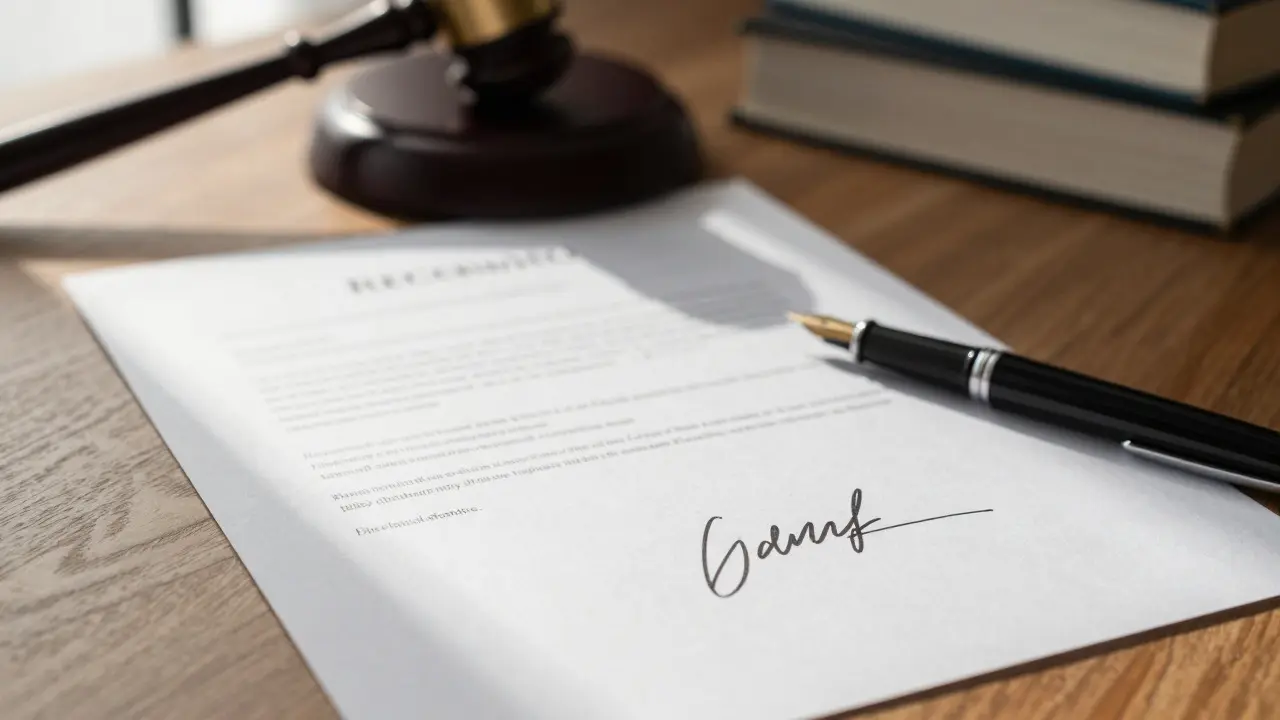
A signed release form is a legal document granting permission to use a person's image, voice, or interview your best shield against both defamation and privacy suits. But a bad release is worse than no release because it gives you a false sense of security. A generic template that says "permission to use footage" doesn't necessarily cover editorial control or future edits.
You need specific language. Does the release cover "all uses, including promotional materials"? Does it waive the right to inspect the final cut? Does it address whether the subject is portrayed favorably or unfavorably? In the US, the First Amendment offers strong protection for newsworthy content, but in Europe, data protection laws like GDPR make releases even more critical because they govern how personal data is processed and stored. How do you actually sleep at night while editing? Here is a practical workflow used by experienced production lawyers:
Mitigation Strategies for Producers
Jurisdictional Nuances: US vs. Europe
If you are selling your documentary internationally, you can't just follow US rules. In the European Union, GDPR is the General Data Protection Regulation governing personal data handling imposes strict rules on how you collect and store identifiable information. If you film a recognizable face in a crowd, you technically hold personal data. You need a legal basis for processing it. In the UK, the Human Rights Act adds a layer of balancing freedom of expression against the right to privacy. What passes as "public interest" in New York might be considered an intrusion in London. Always check local counsel for the territories where you plan to distribute.
Case Studies in Failure and Success
Consider the case of Barbados v. The World (hypothetical composite based on real trends). A filmmaker documented a small-town mayor's affair. The mayor was a public official, so actual malice applied. The filmmaker had emails proving the affair. No lawsuit succeeded. Now contrast this with a doc about a local teacher accused of favoritism. The teacher was a private citizen. The filmmaker relied on hearsay from one student. The court found the evidence insufficient to establish truth, leading to a defamation settlement. The lesson? Public status changes the legal burden, but evidence quality always matters.
Next Steps for Your Production
Don't let fear paralyze your creative vision, but don't ignore the legal landscape either. Start by listing every named individual in your script. Mark them as Public or Private. For every Private individual, ask: Do I have a release? Is the story newsworthy? If the answer is no to either, consider changing the angle or getting more documentation. Engage a media attorney before you lock the picture. It is the single most effective way to turn a potential lawsuit into a non-event. Your story deserves to be told, but it also deserves to stay in theaters, not in courtrooms.
What is the biggest legal risk in documentary filmmaking?
The biggest risk is usually defamation involving private individuals, where the standard of proof is lower than for public figures. Combined with privacy invasions regarding non-newsworthy personal details, these two areas account for the majority of costly litigation in the industry.
Do I need a release form for everyone in my documentary?
Ideally, yes. While incidental background figures may not require releases, anyone who speaks, is clearly recognizable, or is central to the narrative should sign one. It provides a contractual defense against claims of misrepresentation or unauthorized use of likeness.
Can I be sued for defamation if the story is true?
Generally, no. Truth is an absolute defense to defamation. However, you must be able to prove the truth in court. If you cannot produce evidence backing up your statements, you might still lose, effectively treating the lack of proof as a failure of the defense.
What is 'Actual Malice' in defamation law?
Actual Malice is a legal standard requiring that a public figure prove the defendant published a false statement with knowledge of its falsity or with reckless disregard for the truth. It makes it significantly harder for celebrities and politicians to win defamation lawsuits compared to private citizens.
How does GDPR affect documentary production in Europe?
GDPR requires a lawful basis for processing personal data, which includes filming identifiable individuals. You must inform subjects of their rights, ensure data security, and potentially delete footage after a certain period unless consent is ongoing. It adds administrative layers that US filmmakers are not typically required to handle.