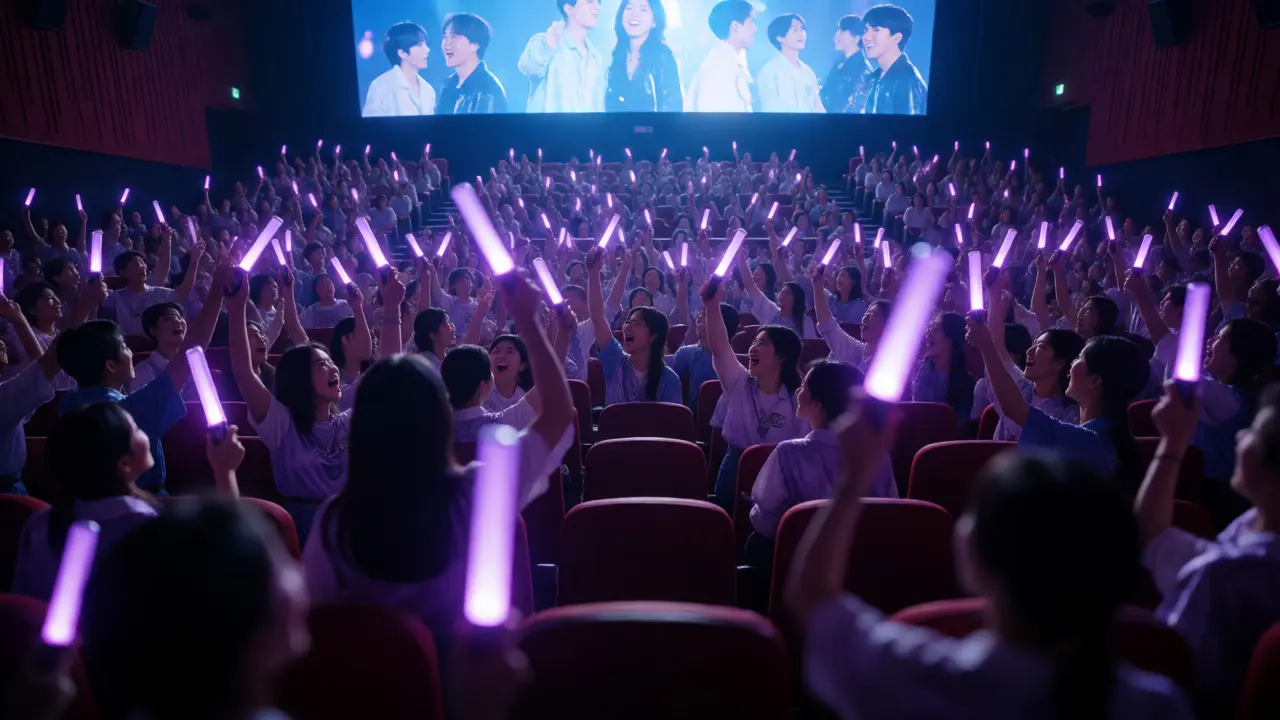
Remember the last time you walked into a theater expecting a quiet, standard two-hour film, only to find yourself surrounded by thousands of people screaming, waving light sticks, and crying tears of joy? That wasn't just a movie screening. It was a cultural event. If you've ever wondered why BTS concert films or niche anime releases consistently outperform Hollywood blockbusters in specific markets, you're looking at the rise of fan-driven box office results. This isn't about traditional star power anymore; it's about community mobilization.
The data from recent years, particularly around BTS's cinematic releases like "Burn the Stage" or their concert films, shows a pattern that confuses traditional studio executives but makes perfect sense to fans. These aren't passive viewers. They are active participants who treat ticket purchases as acts of devotion. Understanding this shift is crucial for anyone tracking modern media trends, because it proves that loyalty beats reach when the community is tight-knit enough.
The Anatomy of Fan-Driven Ticket Sales
Traditional marketing relies on broad awareness. You see a trailer, you get curious, you buy a ticket. Fan-driven marketing works differently. It starts with an existing, hyper-engaged audience that already knows what they want before the poster even drops. When BTS announced their latest cinematic release, tickets didn't sell because people were unsure if they liked the band. They sold because fans wanted to be part of the collective experience.
This dynamic creates a unique economic model. Studios often use limited theatrical runs-often called "event cinema"-to create scarcity. By limiting availability to one week or a few weekends, they trigger a fear of missing out (FOMO) that traditional wide releases don't have. For a general audience, missing a Marvel movie means waiting three weeks for streaming. For a BTS Army member, missing the opening weekend feels like missing a live concert. The emotional stakes are higher, which translates directly to higher conversion rates per impression.
Anime’s Parallel Rise in Western Cinemas
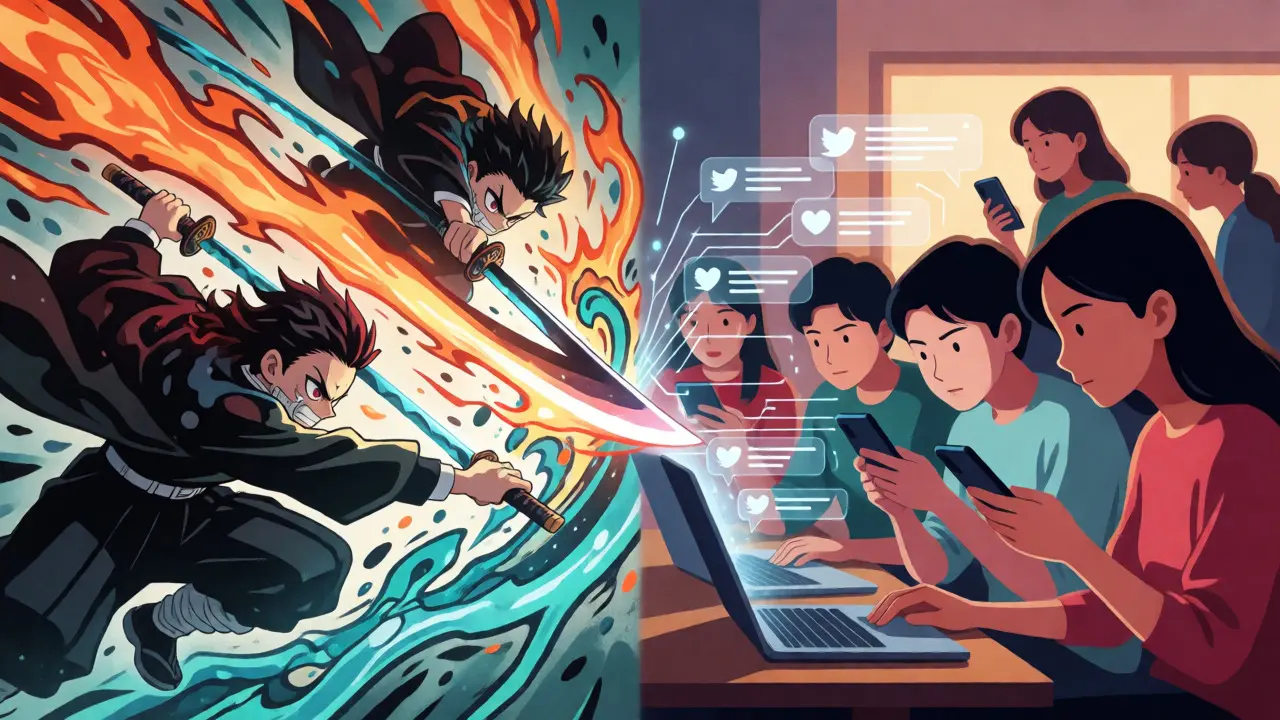
If you think this phenomenon is exclusive to K-pop, look no further than the anime sector. Titles like "Demon Slayer: Mugen Train" or "Jujutsu Kaisen 0" shattered records not just in Japan, but globally. Why? Because anime fans have long been accustomed to treating media consumption as a communal ritual. In Japan, watching a popular anime film is often a group activity involving friends and online communities coordinating meetups.
Western distributors realized they could replicate this energy. Instead of marketing anime as "cartoons for kids," they positioned these films as premium cinematic experiences. The result? Massive opening weekends that rival big-budget action films. The key similarity between BTS movies and anime hits is the pre-existing digital footprint. Fans discuss plot theories, character arcs, and soundtrack details on Twitter and TikTok months before release. By the time the lights go down in the theater, the conversation has already started. The movie is just the physical anchor for a digital conversation.
Why Traditional Blockbusters Struggle to Compete
Hollywood studios are struggling to understand why their $200 million sci-fi epics sometimes underperform compared to a low-budget animated film or a recorded concert. The answer lies in the nature of the content. General audiences are suffering from franchise fatigue. They’ve seen every superhero origin story. But fans of specific niches are hungry for more content within their preferred universe.
| Feature | Traditional Blockbuster | Fan-Driven Event (BTS/Anime) |
|---|---|---|
| Audience Awareness | Broad, low-intent curiosity | Niche, high-intent loyalty |
| Marketing Channel | TV ads, billboards, trailers | Social media, fan sites, influencers |
| Ticket Urgency | Low (available for weeks) | High (limited windows) |
| Repeat Viewings | Rare (<5%) | Common (10-20%+) |
Notice the repeat viewing rate in the table above. That’s the secret weapon. A casual viewer sees a movie once. A dedicated fan might see it five times, bringing friends each time, buying merchandise, and posting reviews. This multiplies the revenue per customer far beyond the initial ticket price. Studios that ignore this leave money on the table by treating all customers as one-time buyers.
The Role of Social Proof and Community Rituals
You can’t talk about BTS or anime without talking about social media rituals. Before the movie starts, fans post photos of their outfits. During the credits, they stay seated to watch easter eggs together. Afterward, they flood social platforms with reactions. This user-generated content serves as free advertising for the next wave of potential viewers.
Consider the "light stick" culture. In K-pop concerts, synchronized light colors are a visual language. In cinemas, fans bring these sticks or wear specific colors representing their favorite members. This transforms the dark theater into a vibrant, shared space. It’s not just about watching a screen; it’s about performing your fandom alongside others. This social proof reassures new fans that the community is welcoming and active, encouraging them to buy tickets too.
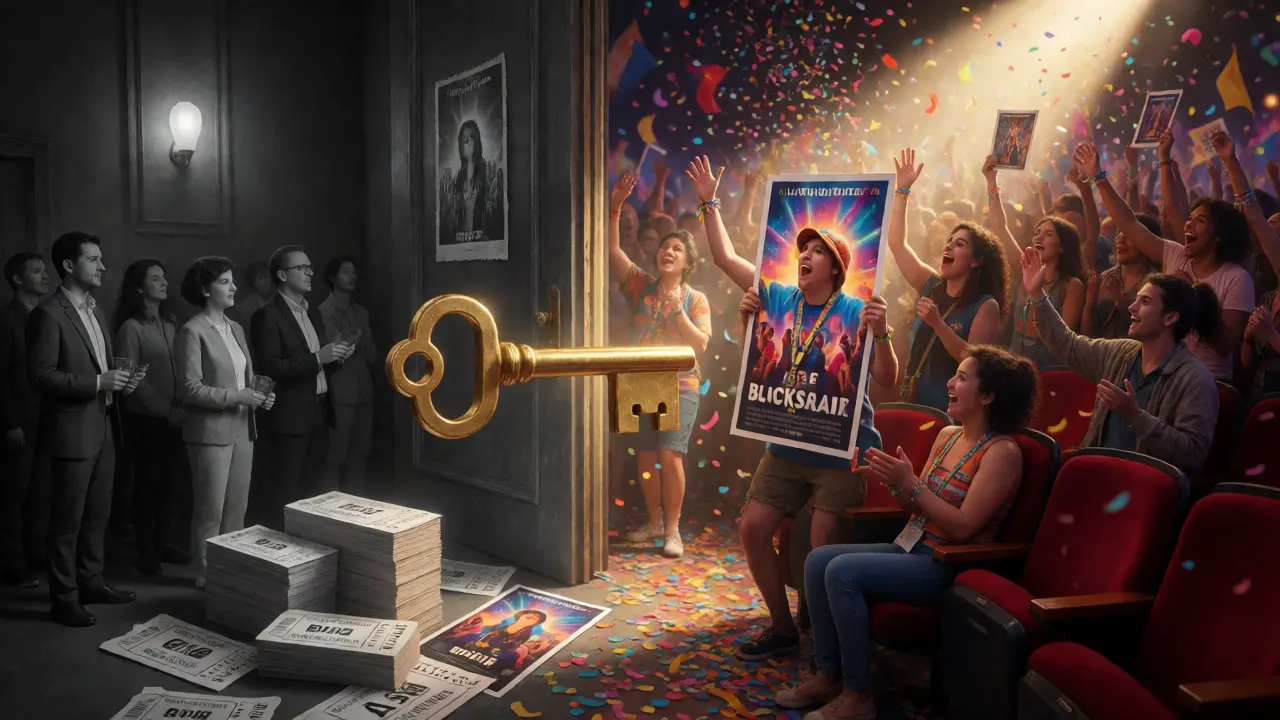
Challenges for Distributors and Exhibitors
While the revenue looks great, managing these crowds is a logistical nightmare for theater chains. Standard projection schedules don’t account for thousands of people arriving early, demanding specific merchandise bundles, or requiring multiple screenings on the same day. Staff training becomes critical. Employees need to understand the cultural context of why someone is crying over a fictional character or cheering during a silent scene.
Furthermore, there’s the risk of oversaturation. If a studio releases too many similar events too quickly, fans might suffer from burnout or financial strain. Concert tickets are expensive, and adding frequent cinema trips adds up. Successful strategies involve pacing releases and offering value-added packages, such as exclusive posters or behind-the-scenes footage, to justify the cost.
What This Means for Future Cinema Releases
The success of BTS and anime films signals a permanent shift in how we consume media. We are moving away from the era of passive viewing toward interactive, community-based entertainment. For filmmakers and musicians, this means building a direct relationship with fans is more valuable than a massive TV ad campaign. For theaters, it means adapting infrastructure to handle high-energy, niche audiences rather than just general crowds.
If you’re a creator, ask yourself: Do I have a community, or do I just have an audience? Communities buy tickets. Audiences wait for streaming. The difference determines whether your project becomes a box office hit or a footnote in history. As we move deeper into 2026, expect more hybrid releases-films that double as concerts, games, or live events-because the line between media types is blurring faster than ever.
Why do BTS movies perform so well in cinemas?
BTS movies succeed due to the intense loyalty of their fanbase, known as ARMY. Fans view ticket purchases as support for the group and enjoy the communal experience of watching with other fans. Limited release windows also create urgency, driving immediate sales rather than gradual uptake.
How is anime box office performance different from traditional films?
Anime films benefit from a global, digitally connected fanbase that actively promotes releases through social media. Unlike general audiences, anime fans often engage in repeat viewings and merchandise purchases, leading to higher revenue per attendee and stronger opening weekends relative to production budgets.
What is 'event cinema'?
Event cinema refers to special theatrical releases that are time-limited and often include live broadcasts, concerts, or niche films. These events rely on creating a unique, experiential reason for fans to leave home and visit a theater, rather than just watching a standard narrative film.
Do fan-driven movies have better ROI than blockbusters?
Often, yes. While blockbusters require massive marketing spends to attract a broad audience, fan-driven films leverage organic social media promotion and pre-existing loyalty. This lowers customer acquisition costs significantly, resulting in a higher return on investment despite smaller overall gross numbers.
Can non-fans enjoy BTS or anime movies?
Yes, but the experience differs. Non-fans may miss cultural references or inside jokes. However, high-quality production values and universal themes often make these films accessible. Many newcomers enter the fandom after seeing a movie, attracted by the spectacle and community energy.





Comments(7)