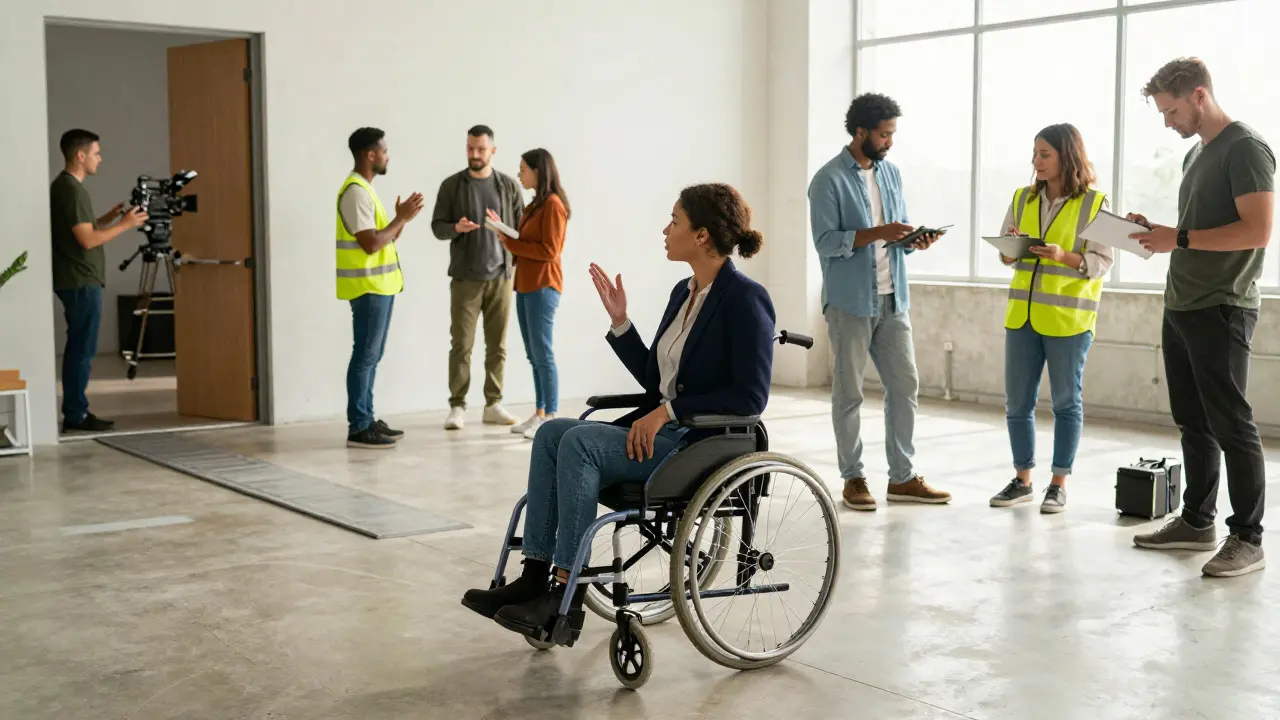
Imagine a set where the wheelchair user doesn't have to ask permission to enter the frame, or where the actor with low vision receives scripts in Braille before the call sheet does. That is what an accessible set looks like in practice. It isn't just about ramps; it's about designing the workflow so that disability is not an obstacle but a standard condition of production. For years, the film industry treated accessibility as an afterthought-a box to check for legal compliance rather than a creative opportunity. But the tide is turning. Producers are realizing that when you remove barriers, you unlock talent that was previously hidden. This guide breaks down how to build a set that works for everyone, from the grip team to the lead actor.
Why Accessibility Is a Creative Necessity
Many people assume that making a set accessible slows things down or costs more. The data suggests the opposite. When a production includes disabled talent and crew, they bring unique perspectives that enrich the story. A cinematographer who uses a screen reader might notice audio cues that others miss. An actor with physical mobility challenges understands body language in ways that able-bodied actors often overlook. These aren't just "nice to have" traits; they are professional assets.
The financial argument is equally strong. Hiring specialized adaptive equipment upfront is cheaper than pausing a shoot because an actor couldn't reach their mark or a crew member got stuck in a doorway. According to the National Council on Disability, one in four adults in the United States has some form of disability. Ignoring this demographic means ignoring a quarter of your potential workforce and audience. Inclusion isn't charity; it's market logic.
Core Components of an Accessible Production Environment
An accessible set consists of three main layers: physical infrastructure, communication systems, and cultural mindset. Let's start with the physical layer. This is the most visible part, but also the most overlooked. It involves everything from parking spaces to dressing rooms.
- Mobility Infrastructure: Ramps must have a slope no steeper than 1:12. Doorways need at least 36 inches of clear width. Elevators in multi-story locations must accommodate wheelchairs and gurneys.
- Sensory Adjustments: Soundproofing for those sensitive to noise, dimmable lighting for photosensitivity, and quiet zones for neurodivergent crew members.
- Rest Areas: Dedicated spaces where cast and crew can decompress without being judged. This is crucial for people with chronic pain or fatigue conditions.
Next is communication. If half your crew is deaf or hard of hearing, shouting instructions across a loud set is useless. You need a mix of visual cues, written schedules, and sign language interpreters. The key here is consistency. Don't switch between methods mid-shoot. Pick a system and stick to it.
Adaptive Equipment and Technology
Technology bridges the gap between ability and performance. Adaptive equipment allows disabled talent to perform roles that were previously off-limits. Here are some essential tools every production manager should know:
| Equipment Type | Purpose | Example Use Case |
|---|---|---|
| Wheelchair Lifts | Allows wheelchair users to stand or move vertically | Action scenes requiring height changes |
| Braille Scripts | Enables blind actors to read lines independently | Pre-rehearsal and on-set memorization |
| Screen Readers | Converts digital text to audio | For actors with low vision reviewing PDFs |
| Hearing Loops | Amplifies sound directly to hearing aids | Dialogue-heavy scenes in noisy environments |
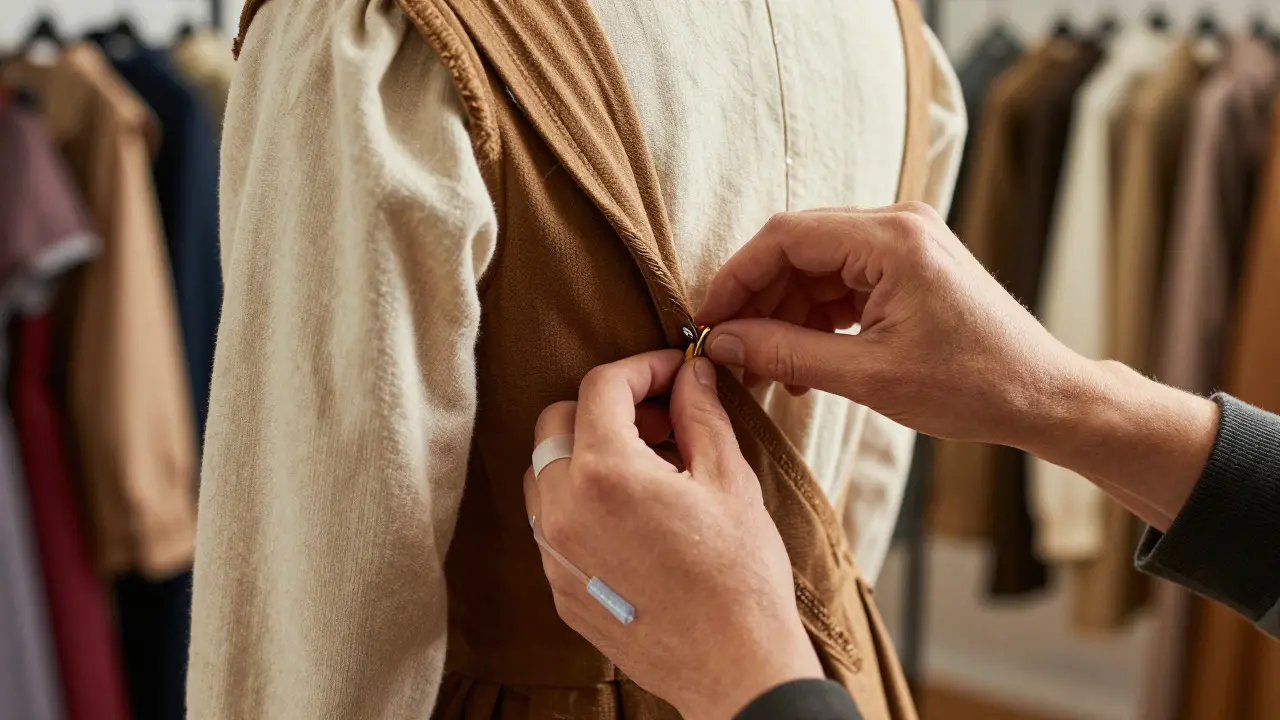
| Adaptive Costumes | Clothing modified for medical devices or mobility aids | Period pieces featuring characters with prosthetics |
It’s not just about buying these items; it’s about integrating them into the daily workflow. For example, if you use Braille scripts, ensure the Braille transcription service is booked two weeks in advance. Last-minute requests often result in errors or delays. Similarly, adaptive costumes require extra fitting time. A standard costume might take 30 minutes to put on; an adaptive one with magnetic closures or Velcro panels might take 15, but it requires specific training for the wardrobe department to handle correctly.
Inclusive Casting and Directing Practices
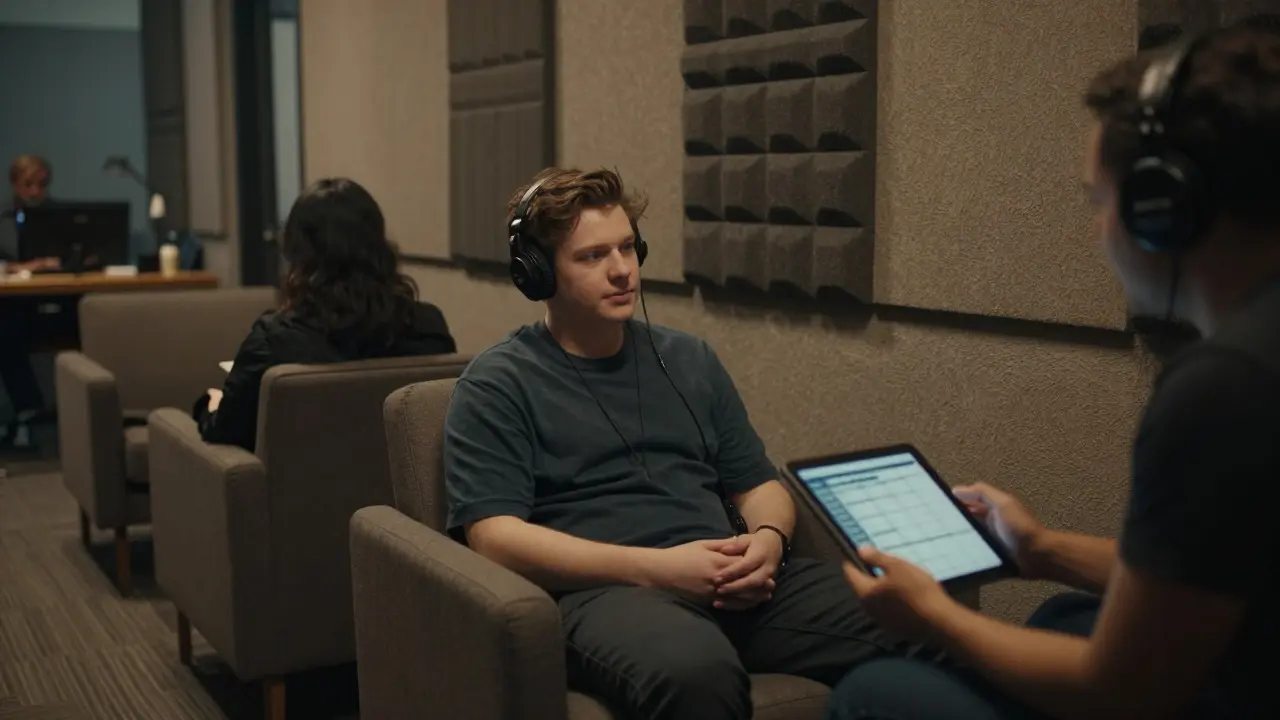
Accessibility starts long before the first day of shooting. It begins in the casting room. Traditional auditions often favor able-bodied performers because the process assumes standard physical capabilities. To change this, directors and casting directors need to adopt flexible audition formats. Offer virtual auditions for those with travel difficulties. Allow self-tapes to be submitted at any time of day to accommodate circadian rhythm differences common in neurological disabilities.
During direction, avoid prescriptive blocking. Instead of telling an actor exactly how to move, discuss the emotional intent and let them find their physical expression. An actor with cerebral palsy might have a natural rhythm that adds authenticity to a character. Forcing them to mimic able-bodied movement strips away that truth. As the director Spike Lee has noted, the best performances come from letting the actor's truth shine through, regardless of how that truth manifests physically.
Budgeting for Inclusion Without Breaking the Bank
A common fear is that accessibility drains the budget. In reality, the biggest cost comes from inefficiency. When you plan for accessibility from pre-production, you save money in the long run. Here is a simple rule of thumb: allocate 5-10% of your total budget specifically for accessibility measures. This covers adaptive equipment rentals, interpreter fees, and location modifications.
Don't forget tax incentives. Many states offer tax credits for productions that meet certain diversity and inclusion standards. Check with your local film office to see if accessibility initiatives qualify. Additionally, renting adaptive equipment is often cheaper than buying. Companies like Access Now specialize in leasing assistive technology for media productions. By using rental services, you keep cash flow healthy while still providing top-tier support.
Cultural Shift: From Compliance to Culture
The final piece of the puzzle is culture. Rules can be written, but attitudes must be changed. This means training the entire crew, not just the assistants. Grip electricians need to know how to rig lights safely for someone with balance issues. Hair and makeup artists need to understand how to work around medical devices like G-tubes or colostomy bags. When everyone understands the "why" behind accessibility, it stops being a burden and becomes part of the job description.
Create a feedback loop. Ask disabled cast and crew members what is working and what isn't. Don't wait until wrap. Have weekly check-ins during production. This proactive approach prevents small issues from becoming major problems. It shows respect and builds trust. When people feel seen and supported, they perform better. And when they perform better, the film gets better.
Frequently Asked Questions
How much does it cost to make a film set accessible?
Costs vary widely depending on the scale of the production. For a mid-budget indie film, expect to spend between $5,000 and $15,000 on accessibility measures. This includes portable ramps, Braille transcription, and interpreter fees. Larger productions may spend significantly more, but the percentage of the total budget usually remains between 5% and 10%. The key is to budget for it early to avoid emergency spending later.
What are the most common barriers to hiring disabled crew?
The biggest barrier is lack of awareness. Many producers don't know where to find disabled talent or crew. Another major issue is inflexible work schedules. Standard 12-hour days with early calls can be exhausting for people with chronic illnesses. Offering flexible hours or remote work options for non-physical roles can open up a huge pool of skilled professionals.
Do I need a certified interpreter for all scenes?
Not necessarily. For scenes with heavy dialogue involving Deaf actors, a certified American Sign Language (ASL) interpreter is essential. For technical briefings or safety meetings, a qualified interpreter ensures everyone understands the risks. However, for simple commands like "action" or "cut," visual cues or hand signals may suffice if the crew is trained. Always assess the complexity of the communication needed.
How do I choose the right adaptive equipment?
Consult with the talent and their personal assistants or therapists. They know their bodies best. Look for vendors who specialize in media production needs, as they understand the constraints of a film set. Test the equipment during rehearsals if possible. What works in a studio might not work on a location shoot due to space or power limitations.
Is there a difference between accessibility and inclusion?
Yes. Accessibility is about removing physical and systemic barriers so that disabled people can participate. Inclusion is about ensuring that once they are present, they are valued, heard, and integrated into the creative process. You can have an accessible set that feels exclusionary if the culture doesn't support the individuals. True success requires both.



Comments(10)