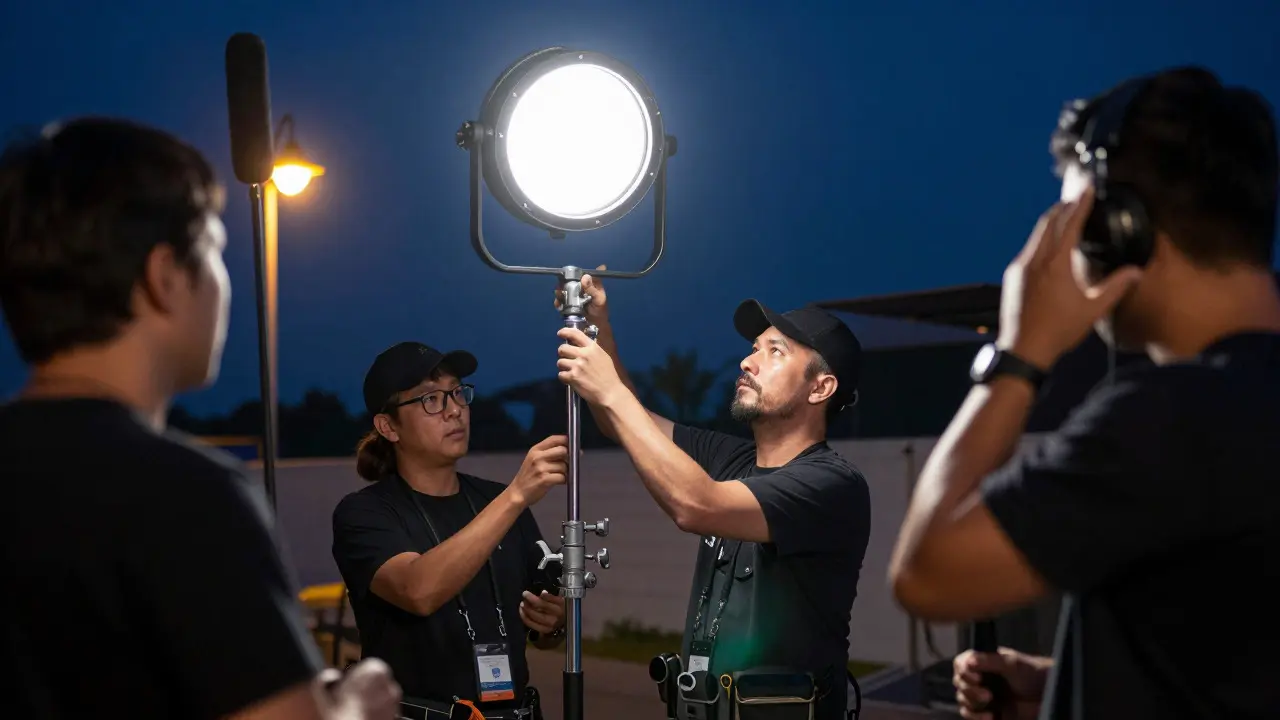
Most first-time directors obsess over casting the lead actor. They spend weeks on screen tests and chemistry reads. But when the camera rolls, the movie is usually made or broken by the people you can’t see on the marquee. The gaffer who lights a scene in forty seconds, the sound mixer who captures dialogue in a noisy street, and the editor who finds the rhythm of a story-these are your below-the-line (BTL) hires.
In independent filmmaking, where budgets are tight and margins for error are slim, BTL hiring is less about finding talent and more about building a resilient team. You aren't just buying hours; you're buying problem-solving skills under pressure. If you get this wrong, your production doesn't just look bad-it stops moving.
What Exactly Counts as Below-the-Line?
Below-the-line refers to all technical and artistic roles involved in the physical creation of a film, distinct from above-the-line (ATL) creative roles like directing, producing, and starring actors. While ATL deals with the "who" and the "story," BTL handles the "how." This includes the Director of Photography (DP), Production Designer, Costume Designer, Sound Department, Camera Crew, Grip Electric, and Post-Production teams like Editors and Colorists.
The distinction matters because BTL costs are typically fixed or predictable based on days worked, whereas ATL costs can fluctuate wildly based on star power. For an indie project, BTL often consumes 60-70% of the total budget. Understanding this split helps you prioritize where to save money without sacrificing quality.
Why Indie BTL Hiring Is Different
Hiring for a studio blockbuster is different from hiring for a $50,000 indie feature. In Hollywood, unions like IATSE dictate who can work and what they get paid. In the indie world, you have more flexibility, but also more risk. You might hire non-union professionals to save money, which gives you access to hungry, talented individuals who haven't yet established their rates.
However, this flexibility comes with a caveat: reliability. A union shop ensures certain standards of equipment and safety. An indie crew relies entirely on the personal reputation of the key hires. Your DP isn't just shooting frames; they're managing a lighting package that might be rented out from a local house. If they don't know their gear, the whole unit slows down.
Building Your Core Technical Team
Your first major BTL hire is always the Director of Photography. This person is your right hand during principal photography. When looking for a DP, ignore the flashy portfolio reels for a moment. Look at how they describe problems. Ask them: "How would you light a night exterior with only two HMI lamps?" Their answer tells you if they think creatively or just follow manuals.
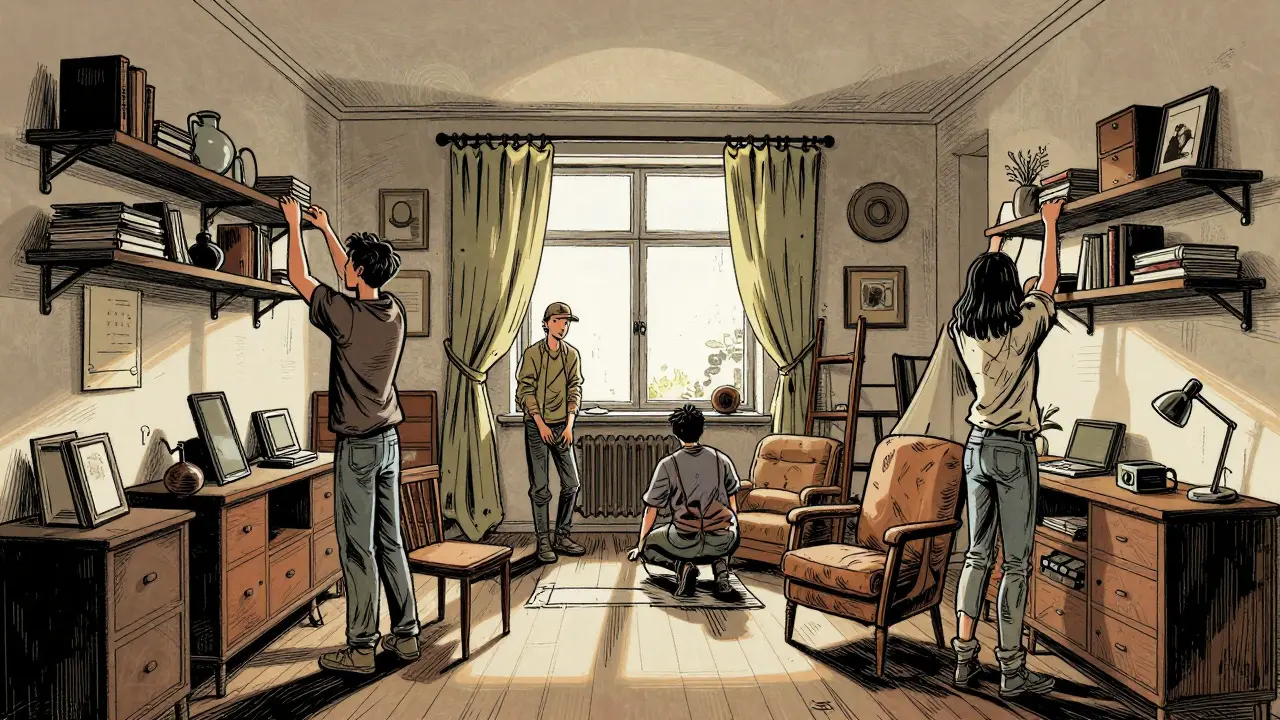
Next is the Production Designer. In low-budget films, the set design is often the location itself. A good indie PD knows how to make a cramped apartment feel lived-in without spending thousands on props. They should have a network of local vendors and friends who will lend furniture or clothes for free or cheap. This network is worth more than their aesthetic sense.
- Director of Photography: Manages camera and lighting. Must understand lens language and exposure.
- Production Designer: Oversees visual environment. Must be resourceful with limited budgets.
- Sound Mixer: Captures clean audio. Essential because fixing bad sound in post is nearly impossible.
- 1st AD: Runs the schedule. The most critical role for keeping the shoot on time.
The Art of Sourcing Talent Without Big Money
You don't need to pay top dollar to find great crews. In fact, paying too much early in your career can attract people who expect luxury treatment rather than collaboration. Here is how to source effectively:
- Local Film Schools: Contact MFA programs at nearby universities. Students are eager to build their resumes. Offer them credit and a modest per-diem. They bring energy and fresh ideas.
- Previous Collaborators: Hire people who have worked with you before. Trust is the highest currency in film. If your gaffer from your short film did well, call them first.
- Industry Facebook Groups: Join local indie filmmaker groups. People post open calls constantly. Be specific in your posts: list the genre, scale, and dates clearly.
Avoid cold-emailing big-name technicians unless you have a substantial budget. Instead, focus on mid-level professionals who are hungry for a director's vision. These individuals often go above and beyond because they believe in the project, not just the paycheck.
Negotiating Rates and Contracts
Indie contracts are simpler than studio ones, but they still need to protect both parties. Never work off a handshake. Even for friends, use a one-page agreement that outlines daily rate, overtime terms, and kill fees (payment if the production cancels).
When negotiating, be transparent about your budget constraints. Say, "We have $400 per day for this role, but we promise to finish in 12 days instead of 14." Many technicians prefer a shorter, intense shoot over a long, draining one. This trade-off saves you money and keeps morale high.
| Role | Non-Union Range | Union Scale (Approx.) | Budget Tip |
|---|---|---|---|
| Director of Photography | $300 - $600 | $800+ | Hire for vision, not gear knowledge |
| 1st Assistant Director | $250 - $450 | $700+ | Invest here for schedule efficiency |
| Gaffer | $200 - $350 | $600+ | Check their lighting package availability |
| Sound Mixer | $200 - $300 | $550+ | Never cut corners on audio |
Managing the Crew During Production
Create a daily briefing ritual. Every morning, gather the department heads for ten minutes. Review the shot list, discuss weather changes, and identify potential bottlenecks. This prevents surprises later in the day. If the rain delays the outdoor scene, the Gaffer needs to know immediately so they can rig indoor alternatives.
Feed your crew. It sounds trivial, but hunger kills creativity. A hot meal at noon and a decent dinner keep energy levels up. Cheap, fast food leads to afternoon slumps. Invest in a catering coordinator who understands portion sizes and dietary restrictions. A well-fed crew works faster and makes fewer mistakes.
Post-Production: The Invisible Crew
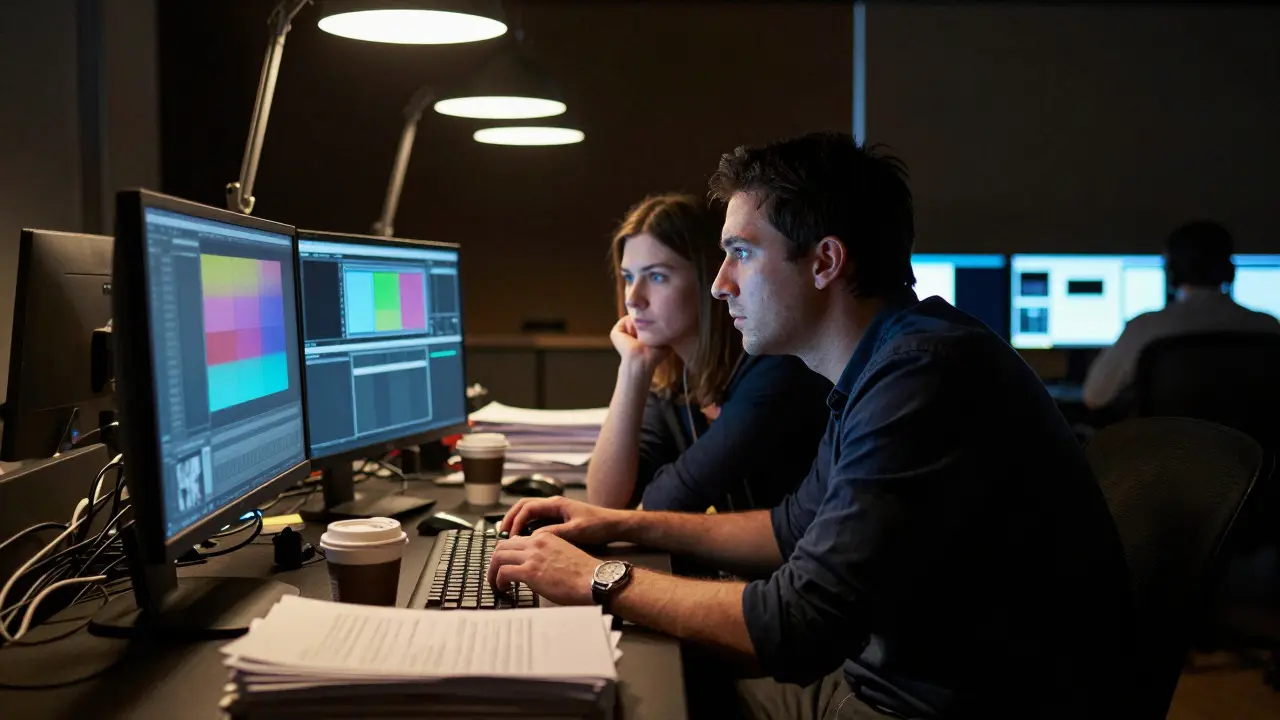
Many directors forget that BTL extends into post-production. The Editor, Colorist, and Sound Designer are crucial BTL members. They shape the final product just as much as the camera operator.
Hire your editor early. Ideally, bring them onto the set for a few days to watch dailies. This helps them understand your intent and the pacing you want. A disconnect between the director and editor during editing can waste weeks. Clear communication during filming pays dividends in the cutting room.
For sound, ensure your mixer delivers organized files. Chaos in the audio files makes the sound designer's job a nightmare. Establish naming conventions before Day 1. This small administrative step saves hundreds of hours in post.
Common Pitfalls to Avoid
Even experienced filmmakers make these mistakes. Watch out for them:
- Over-hiring: Having too many people on set creates clutter and slows down setups. Keep the crew lean. Every extra body requires a chair, a meal, and a parking spot.
- Ignoring Safety: Low budgets often mean skipping safety checks. One accident can shut down production for weeks. Always have a safety officer or designate someone responsible for checking rigs and cables.
- Bad Communication: Assumptions are dangerous. If the DP thinks the scene is lit for a wide shot, but the 1st AD schedules it as a close-up, you lose time. Write things down.
Frequently Asked Questions
Who is considered below-the-line in a film production?
Below-the-line (BTL) refers to all technical and artistic staff involved in the physical execution of the film. This includes the Director of Photography, Production Designer, Sound Mixer, Camera Operators, Grips, Electricians, Editors, and Colorists. It excludes actors, directors, producers, and writers, who are classified as above-the-line.
How much of the budget should I allocate to below-the-line costs?
For most independent features, BTL costs should represent 60% to 70% of the total production budget. The remaining 30-40% covers above-the-line fees, distribution, marketing, and contingency funds. If your BTL budget is lower than 50%, you may struggle to hire competent technical staff.
Should I hire union or non-union crew for my indie film?
It depends on your budget and goals. Union crews offer standardized rates, insurance, and pension contributions, but cost significantly more. Non-union crews are cheaper and often more flexible, but you must manage contracts and benefits yourself. Many indies mix both, using union key positions (like DP or 1st AD) and non-union junior crew to balance cost and quality.
Where can I find reliable below-the-line talent for a low-budget project?
Start with local film schools and previous collaborators. Online platforms like Staff Me Up, Craigslist, and local industry Facebook groups are also effective. Reach out to mid-level technicians who are building their portfolios. They are often motivated by the opportunity to work with a new director rather than the daily rate.
What is the most important BTL role to hire first?
The Director of Photography (DP) is typically the first BTL hire. The DP defines the visual style and manages the largest technical departments (camera and lighting). Once the DP is locked in, they often help recommend or hire the rest of the camera and grip teams, ensuring cohesion within the unit.