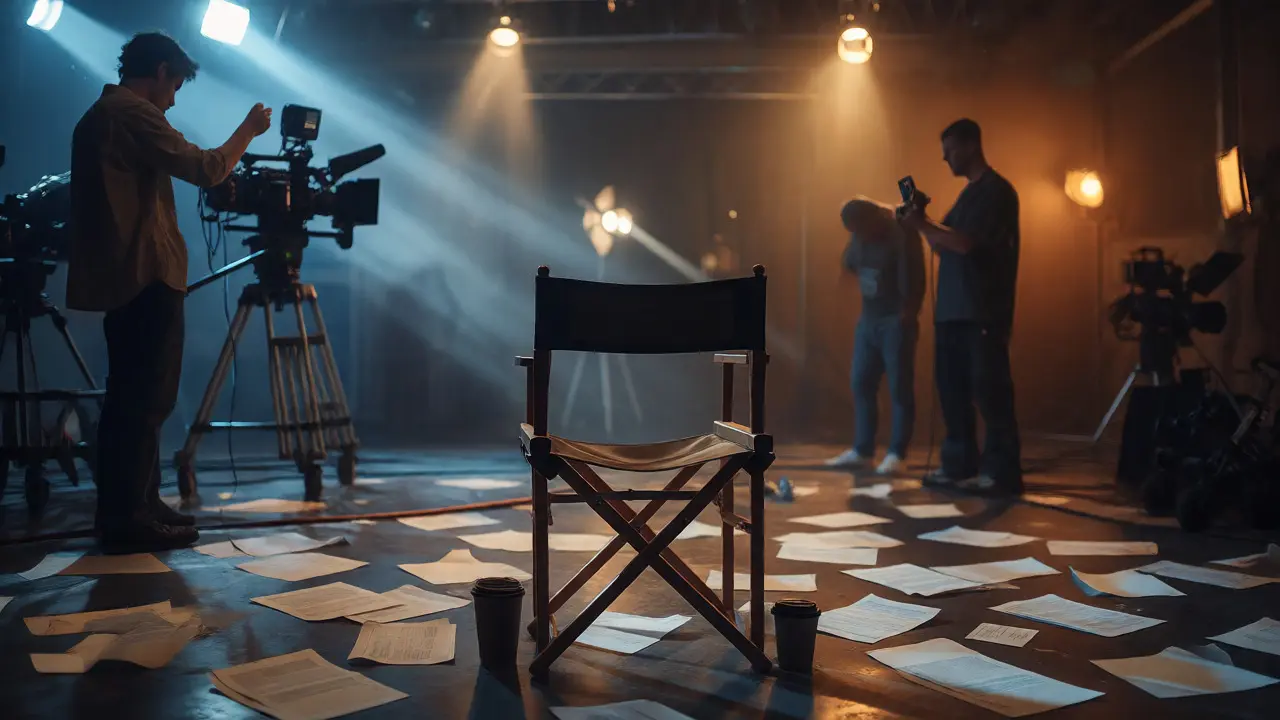
You’ve read their screenplays. You’ve seen their names in the credits of blockbusters as producers. But when Quentin Tarantino, a renowned screenwriter and actor known for nonlinear storytelling and stylized violence, decided to direct Reservoir Dogs, he wasn’t just changing jobs; he was shifting power dynamics in Hollywood. It’s a common narrative: someone masters one part of the machine and then decides they can run the whole show better themselves. But is it true? Do writers make better directors than producers? Or does producing teach you something about budgeting that writing never could?
The Writer’s Advantage: Script as Blueprint
When a Aaron Sorkin takes the director’s chair, as he did with Molly’s Game, the script isn’t just a guide-it’s the law. Writers-turned-directors often struggle with visual storytelling because they are so attached to the dialogue. They know every comma’s purpose. This creates a specific tension on set. Actors might feel boxed in by rigid line readings, while cinematographers fight for breathing room in scenes that were written to be heard, not seen.
However, this intimacy with text offers a massive upside. A writer-director doesn’t need to explain subtext to the cast. They wrote it. If a scene feels flat, they can rewrite it on the spot without calling a meeting. This agility saved Greta Gerwig’s Lady Bird from becoming a generic teen comedy. Her background in mumblecore acting and writing allowed her to pivot the tone instantly, capturing authentic awkwardness that a traditional director might have polished away.
Pitfalls of the Word-Heavy Director
- Over-explaining: Trusting the audience less than your own words.
- Blocking rigidity: Moving actors only when lines require it, ignoring visual flow.
- Schedule bloat: Adding new dialogue during shooting days disrupts lighting setups.
The Producer’s Eye: Logistics as Creative Choice
Producers think differently. For them, a shot isn’t just an image; it’s a cost center. When Jerry Bruckheimer or similar high-level producers step into directing roles, though rare, they bring a ruthless efficiency. More commonly, we see indie producers like Sean Baker (who produced his early work before directing Tangerine) using resource constraints to define style. He shot Tangerine on iPhones not just for aesthetic reasons, but because he knew exactly what the budget could sustain.
Producer-directors excel at knowing when to cut. They understand that a beautiful shot that breaks the budget is worse than a mediocre shot that keeps the production alive. This pragmatic approach often leads to tighter edits. While writers might agonize over keeping a beloved monologue, a producer-director kills it if it slows the pace. The result? Films that respect the audience’s time.
| Attribute | Writer-Director | Producer-Director |
|---|---|---|
| Primary Focus | Narrative coherence and dialogue nuance | Budget adherence and logistical feasibility |
| On-Set Behavior | Frequent rewrites, intense actor coaching | Strict schedule management, quick decisions |
| Common Weakness | Visual stagnation, over-talking | Emotional distance, mechanical pacing |
| Best Suited For | Character-driven dramas, comedies | Thrillers, action, ensemble casts |
Case Studies: Successes and Stumbles
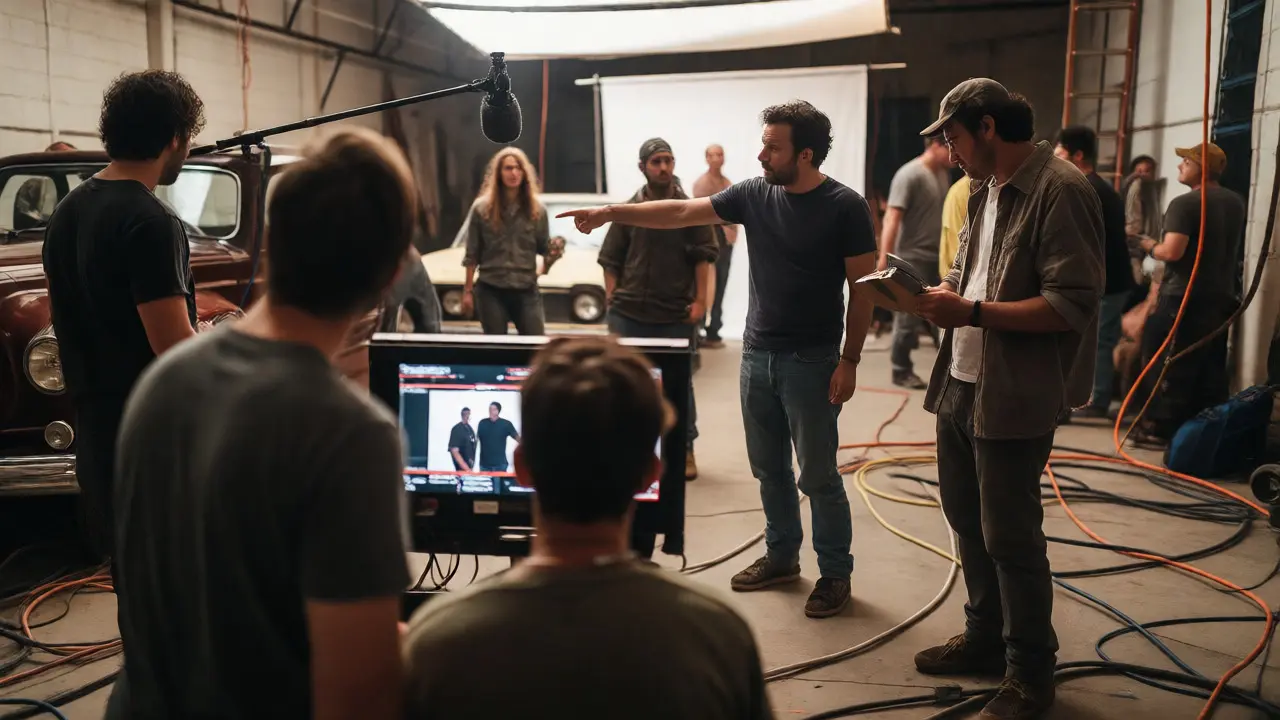
Let’s look at real-world examples. Ben Affleck, primarily known as an actor and producer, directed Gone Baby Gone and Argo. His background in producing gave him the clout to secure financing and the discipline to keep Argo under budget despite complex period details. He didn’t try to be an auteur; he tried to be a craftsman. The result was Oscar wins for Best Picture and Directing nominations.
Contrast this with some screenwriters who failed to transition. Many great scribes have made forgettable films because they couldn’t translate internal monologues into external actions. Charlie Kaufman is a notable exception, but even he struggled initially. His debut Synecdoche, New York was critically acclaimed but commercially disastrous, partly because its complexity required a director’s vision that could balance chaos with clarity-a skill honed through years of producing experience.
The Hybrid Model: The Rise of the Showrunner
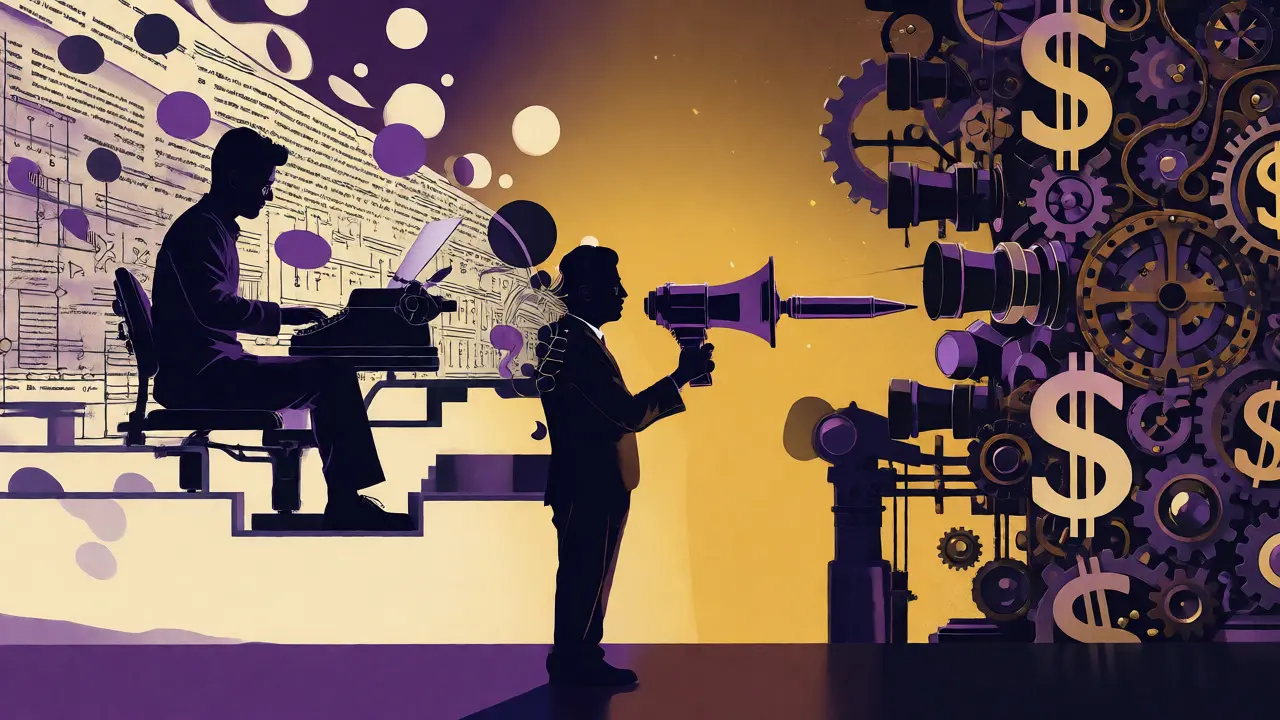
In television, the line between writer, producer, and director blurs completely. Ryan Murphy writes, produces, and directs episodes of his shows. This hybrid model allows for a cohesive voice but demands immense stamina. In film, this is harder to sustain. Feature directors rarely write every word they shoot, especially in large-scale productions. Yet, the trend is shifting toward "creator-owned" franchises where the initial writer retains significant creative control, effectively acting as a producer-director hybrid.
Why Studios Gamble on First-Time Directors
Studios love hiring established writers and producers for two reasons: brand recognition and reduced risk. If a studio hires Phoebe Waller-Bridge to direct, they know she understands character voice intimately. They also know she has produced enough content to manage a crew. It’s a safer bet than picking an unknown film school graduate.
But there’s a catch. Established professionals often come with strong opinions and higher fees. They might clash with veteran cinematographers or editors who expect deference. A first-time director from film school might be more pliable. An established writer might insist on their version of a scene, leading to conflicts that stall production. Communication skills become the deciding factor in whether these transitions succeed.
Checklist for Aspiring Writer-Producers Turning Directors
If you’re eyeing the director’s chair after years in the writers’ room or the producer’s office, ask yourself these hard questions:
- Can you let go of the script? Once shooting starts, the words matter less than the behavior.
- Do you speak "camera"? Can you communicate visually to your DP, or do you only talk in plot points?
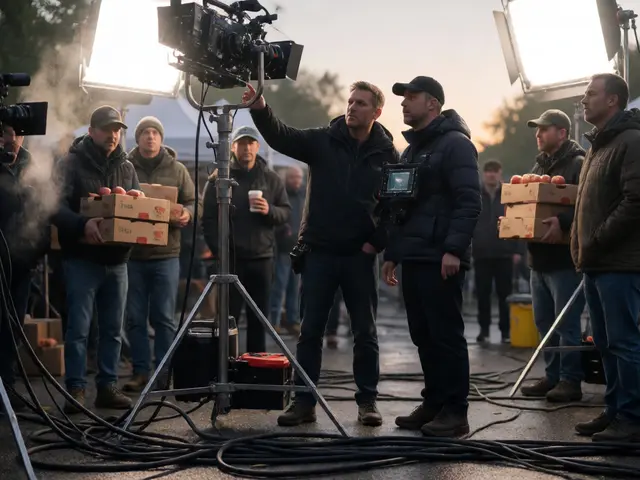
- Are you ready to lead 100 people? Writing is solitary; directing is managerial.
- What’s your backup plan? If the shoot goes off-schedule, will you panic or pivot?
Transitioning from behind-the-scenes roles to the front of the camera isn’t just about ego. It’s about completing the vision. Writers dream up worlds; producers build the infrastructure to reach them. Directors bridge the gap. When done right, the synergy creates films that are both emotionally resonant and logistically sound. When done poorly, you get expensive, confusing messes that no one remembers.
Do writers make better directors than producers?
Not necessarily. Writers excel at performance and narrative structure, while producers excel at logistics and pacing. The best director depends on the project type. Character-driven dramas often benefit from writer-directors, while complex thrillers may benefit from producer-directors who prioritize efficiency.
Is it easier for a producer to become a director?
It can be, due to existing industry connections and funding knowledge. However, producers must learn to relinquish control over every detail, which can be psychologically difficult for those used to managing all aspects of production.
What is the biggest challenge for first-time directors?
Time management. Whether coming from writing or producing, new directors often underestimate how long shots take to light and reset. This leads to rushed endings or dropped scenes.
Can a director change the script during filming?
Yes, especially if they are also the writer. However, frequent changes increase costs and confusion. Producer-directors tend to limit changes to protect the budget, while writer-directors may change lines freely but struggle with structural shifts.
Who are some famous writer-directors?
Prominent examples include Quentin Tarantino, Greta Gerwig, Aaron Sorkin, and Jordan Peele. Each leveraged their writing strengths to create distinct visual styles.


Comments(5)