Every great film starts with a vision. But vision alone doesn’t pay for cameras, crew, or catering. If you’re a director trying to get your movie made, you need more than passion-you need a director’s lookbook that convinces investors their money will turn into something unforgettable.
What a Director’s Lookbook Really Is
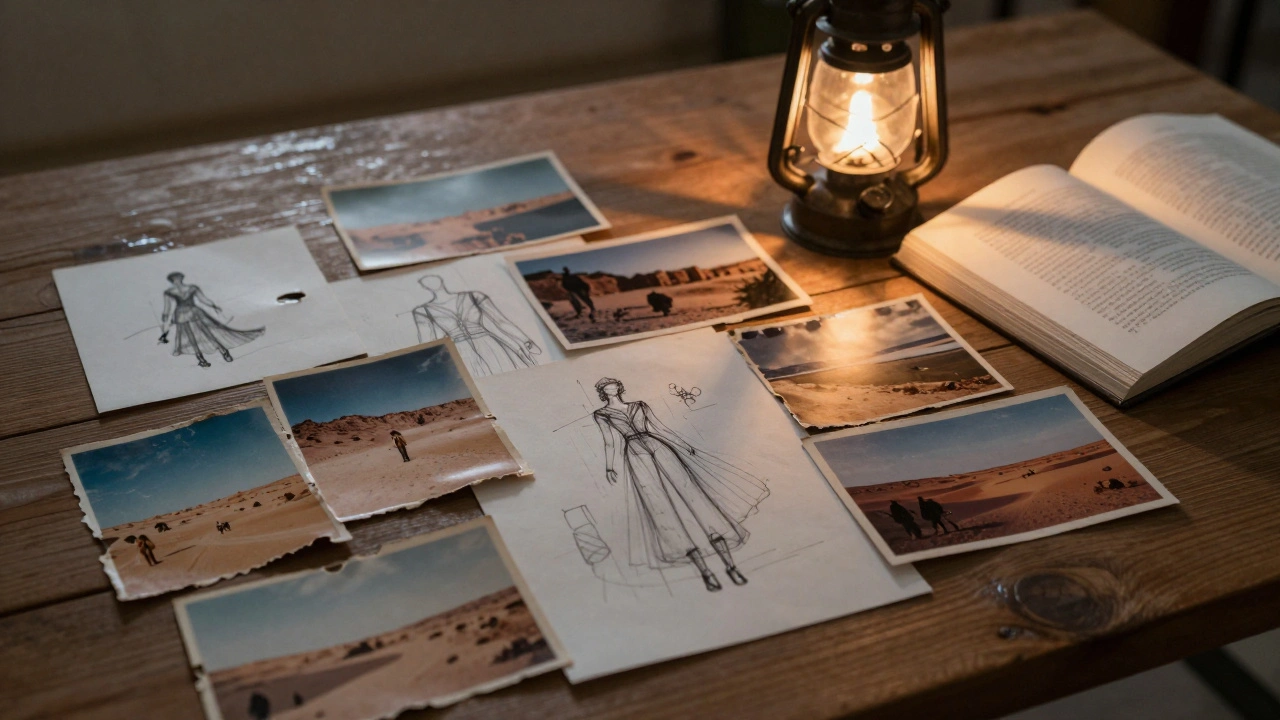
A director’s lookbook isn’t a screenplay or a business plan. It’s a visual story that shows investors what your movie will feel like before a single frame is shot. Think of it as a mood board on steroids-curated images, color palettes, shot references, costume sketches, location photos, and even music snippets that capture the tone, rhythm, and emotion of your film.
Investors don’t read scripts. They don’t sit through 120-page documents. They look at pictures. They feel the vibe. If your lookbook makes them pause, lean in, and say, “I can see this,” you’ve already won half the battle.
Take the lookbook for Mad Max: Fury Road. Before any CGI was rendered, director George Miller assembled hundreds of concept art pieces, real desert photos, and costume designs. Investors didn’t just see a car chase-they saw a post-apocalyptic opera. That’s the power of a strong lookbook.
Why Investors Care About Visuals, Not Just Numbers
Most filmmakers lead with budgets, box office projections, and ROI calculations. That’s the wrong first impression. Investors hear those numbers all the time. What they rarely see is a clear, compelling vision.
Here’s the truth: people invest in people they believe in-but they also invest in worlds they can imagine. Your lookbook bridges that gap. It turns abstract ideas into tangible experiences.
A study by the British Film Institute found that projects with strong visual pitch materials were 47% more likely to secure funding than those relying solely on written proposals. Why? Because visuals trigger emotional responses faster than text. Your lookbook isn’t a marketing tool-it’s a trust-building tool.
Building Your Lookbook: 5 Essential Sections
Don’t just throw random images together. Structure your lookbook like a film itself-beginning, middle, end. Here’s what works:
- Opening Statement - A single paragraph that captures your film’s core idea in one line. Not a logline. A feeling. Example: “A mother walks 300 miles through a frozen wasteland to find her son, carrying only a lantern and a promise.”
- Visual Tone - 8-12 images that define the film’s aesthetic. Include lighting references (e.g., “like Blade Runner 2049 but colder”), color grading examples, and texture studies (dirt, rust, fabric). Don’t use movie stills unless they’re direct influences.
- Key Scenes - Pick 3-5 pivotal moments and show how you’ll shoot them. Use storyboards, sketch notes, or even iPhone video tests. Include camera movement, blocking, and sound design notes.
- Cast & Character Design - Photos of actors who embody your roles, even if they’re not attached. Include sketches of costumes, makeup, or prosthetics. Investors want to see the humanity behind the characters.
- Final Impression - One powerful image that sums up the film’s emotional payoff. This is your closing shot. Make it unforgettable.
Keep it under 20 pages. Too many images dilute the impact. Every picture must earn its place.
What Not to Do
Most director lookbooks fail because they’re cluttered, generic, or self-indulgent.
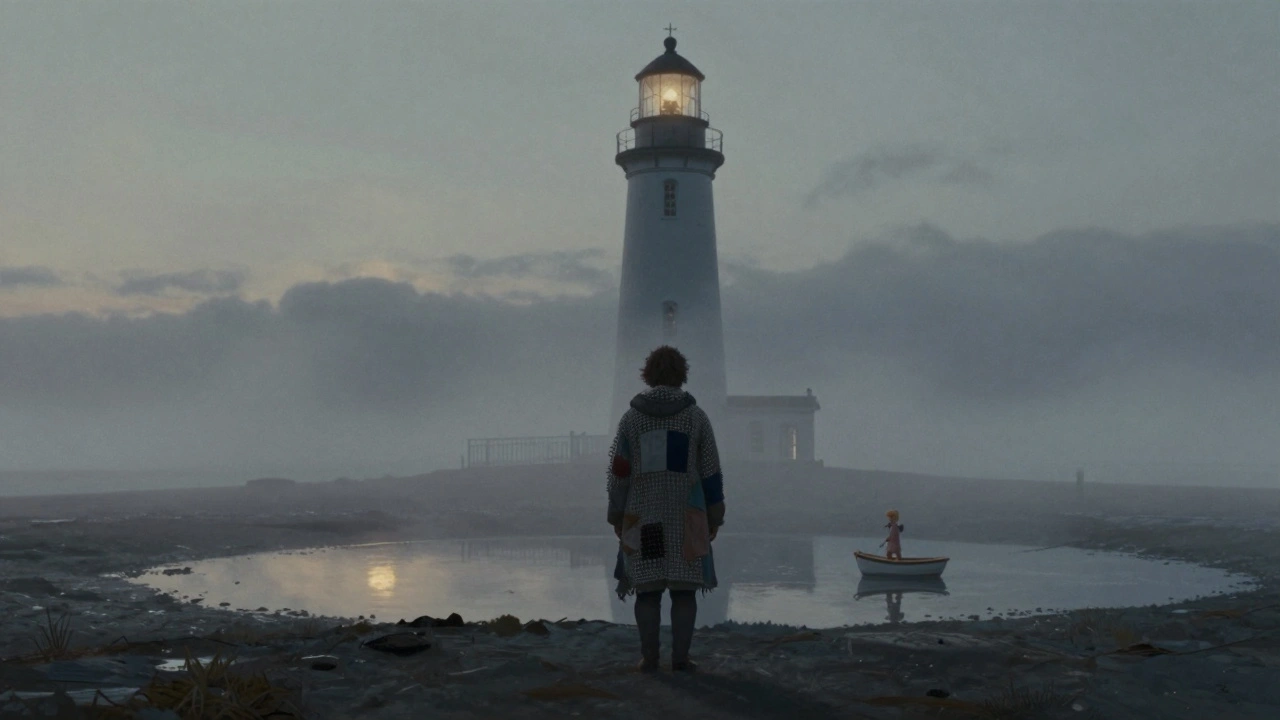
- Don’t use only movie stills. If every image is from another film, you’re not showing vision-you’re showing imitation.
- Don’t include your resume. Investors don’t care that you won a student award in 2018. They care about what you’ll do next.
- Don’t write essays. If you need more than two sentences to explain an image, the image isn’t working.
- Don’t make it digital-only. Print a physical copy. Hand it to them. Let them flip through it. Touch matters. A PDF on a laptop feels disposable. A bound booklet feels like a gift.
How to Present It
Don’t just hand over the lookbook and walk away. You need to own the room.
Start with silence. Let them look. Wait 30 seconds. Then say, “This is what I see.”
Don’t explain every image. Let them ask questions. That’s when trust forms. If they ask, “Why this color?” or “Who’s the girl in the red coat?”, you’ve hooked them. Answer briefly, then pause again. Let the silence do the work.
Bring a short teaser clip-no longer than 90 seconds. It should be silent, no music, no dialogue. Just visuals. Let the images speak. If they’re moved, they’ll ask for the music. That’s your cue.
Real Examples That Worked
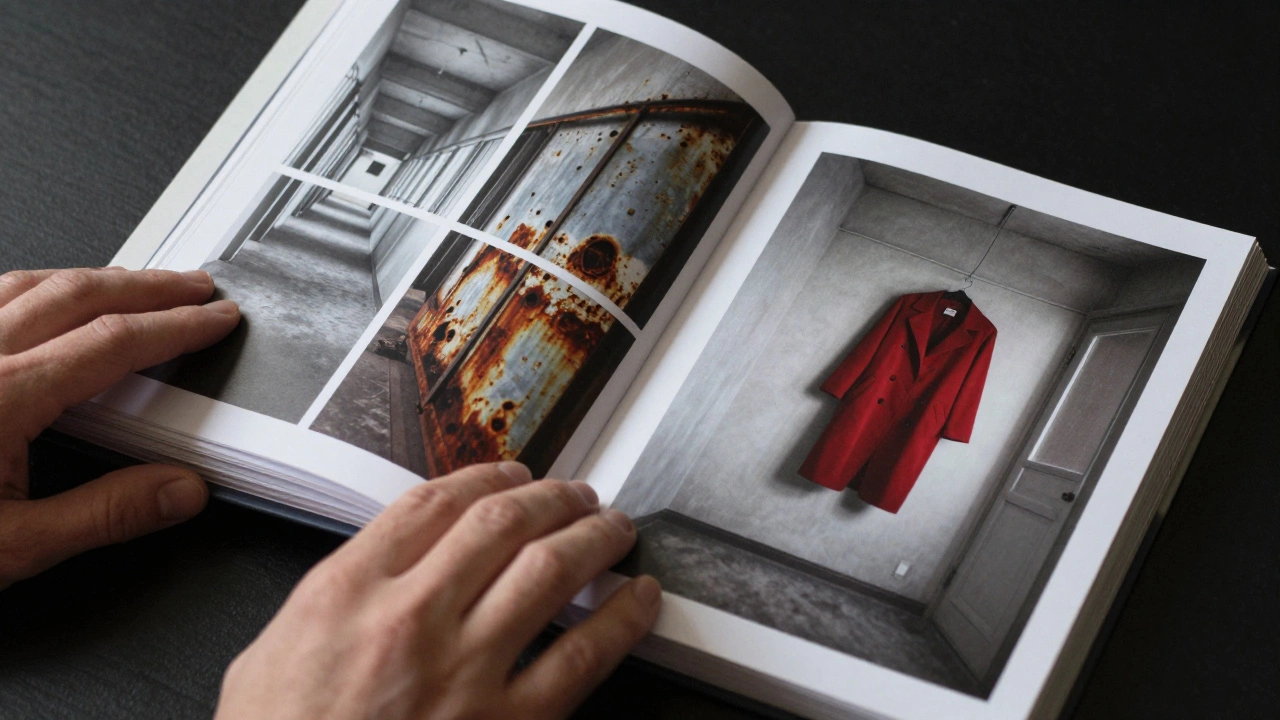
In 2023, indie director Lena Ruiz raised $1.2 million for her film The Last Lightkeeper with a 12-page lookbook. She didn’t have a famous cast or a studio backing. She had:
- Photos of real lighthouses in the North Atlantic, shot in winter fog
- Hand-drawn sketches of the protagonist’s coat, stitched with salvaged fishing nets
- A single photo of a child’s toy boat floating in a tide pool-her closing image
One investor told her, “I didn’t understand the story until I saw that boat. Then I knew I had to be part of it.”
Another example: director Marcus Boone funded his horror film Whisper Hollow through a lookbook that used only black-and-white photos from abandoned asylums. No actors. No script excerpts. Just atmosphere. He raised $800,000 in 14 days.
What Happens After You Get the Money
Your lookbook doesn’t disappear once funding is secured. It becomes your bible.
Production designers use it to source locations. Cinematographers reference your lighting choices. Costume departments match your sketches. Even your editor will return to it when cutting the final cut.
And if you ever need more money-say, for reshoots or festival submissions-you already have the most powerful tool: proof that people believed in your vision before anyone else did.
Final Thought: It’s Not About Selling a Movie. It’s About Selling a Feeling.
Investors aren’t buying a film. They’re buying the chance to be part of something that matters. Your lookbook is the first time they feel that. Don’t waste it with clutter. Don’t hide behind jargon. Don’t over-explain.
Just show them what you see. Let them feel it. Then let them decide if they want to help you bring it to life.
Do I need professional design skills to make a director’s lookbook?
No. You don’t need to be a graphic designer. Many successful lookbooks are assembled using free tools like Canva, Pinterest, or even PowerPoint. What matters is curation, not polish. A messy but heartfelt lookbook with strong images beats a slick one with generic stock photos every time. Focus on authenticity, not aesthetics.
How long should my director’s lookbook be?
Keep it between 10 and 20 pages. More than that, and people lose focus. Less than 8, and it might feel underdeveloped. The goal isn’t to show everything-it’s to show enough to spark curiosity and emotion. Quality over quantity.
Can I use images from movies I love as references?
Yes-but only as inspiration, not as final choices. Label them clearly as “Influences” or “Tone References.” Don’t just copy a shot from Parasite or Arrival. Use them to explain your own vision: “I want this same sense of isolation, but in a desert, not a city.” That shows you understand composition, not just imitation.
What if I don’t have a cast attached yet?
That’s normal. Use actor headshots from past projects, or even photos of unknown actors who match your character descriptions. Include notes like “Ideal for role: someone with the stillness of Tilda Swinton but the grit of Michelle Yeoh.” Investors care more about your casting vision than your current connections.
Should I include a budget in my lookbook?
No-not in the lookbook itself. Save that for your pitch deck or follow-up document. The lookbook is about emotion. The budget is about logistics. Mixing them dilutes the impact. Let the visuals pull them in first. Then, when they’re hooked, you can show them how the money will be spent.


Comments(7)