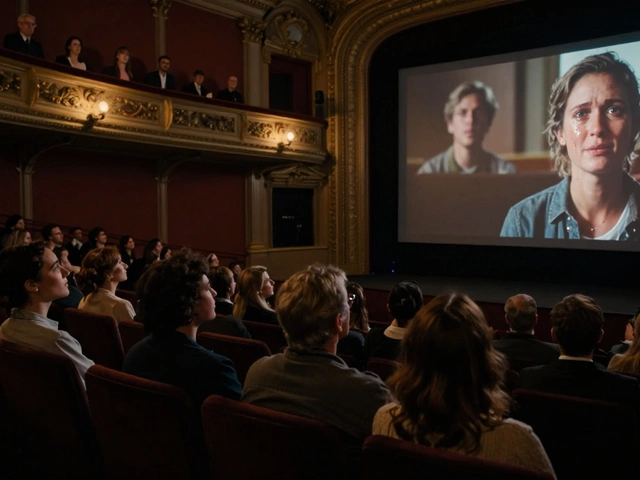
Ever watched a film and wondered if the critic’s praise was genuine or just a byproduct of a friendly chat with the director? It’s a valid question. In the world of film criticism is the practice of analyzing, interpreting, and evaluating films for public consumption, access to creators often blurs the line between objective analysis and personal rapport. When a critic gets exclusive time with a visionary like Christopher Nolan or Greta Gerwig, does their perspective shift? The short answer is yes, but it’s rarely as simple as “they’re friends now.” It’s a complex dance of privilege, narrative control, and professional obligation.
The Allure of the Backstage Pass
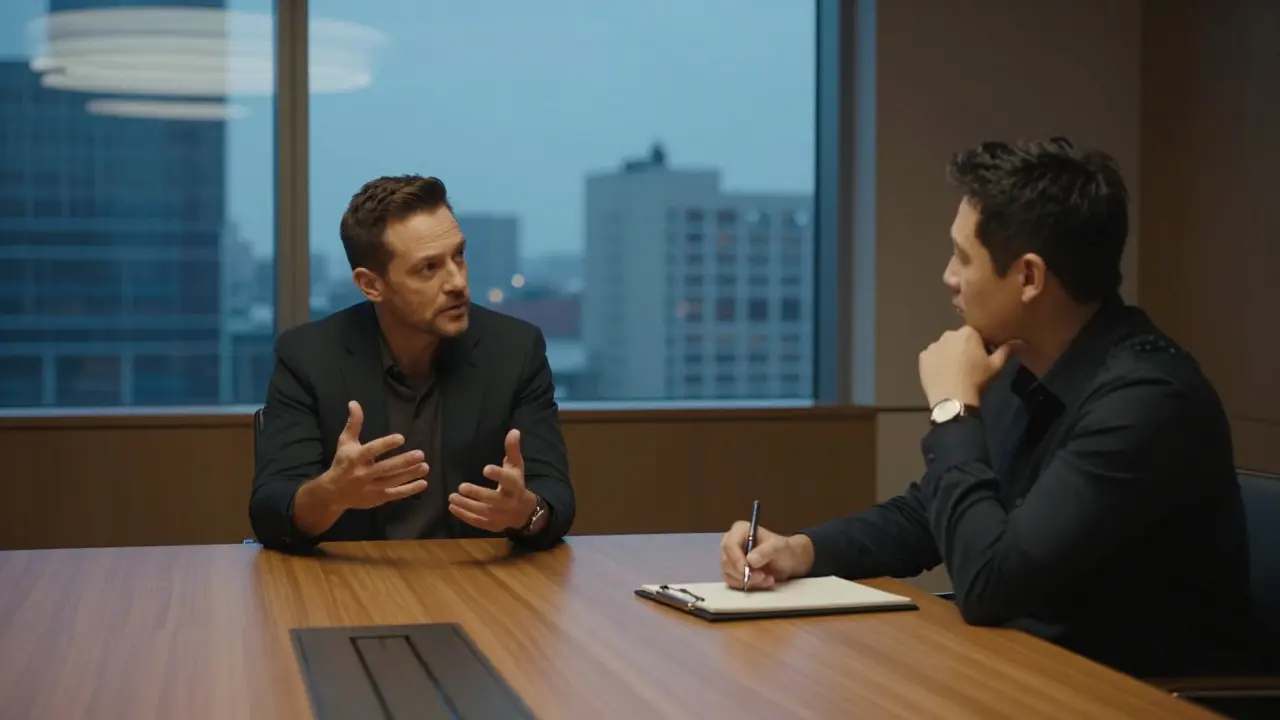
Let’s be honest: who doesn’t want a behind-the-scenes look? For critics, director interviews are conversations with filmmakers that provide context, intent, and creative rationale for their work offer a golden ticket. They provide context that isn’t on screen. You hear why a specific color palette was chosen, why a scene was cut, or what the underlying theme truly is. This information can enrich a review significantly. Instead of guessing at symbolism, you get the creator’s intent. It feels like getting the cheat codes to the game.
However, this access comes with strings attached. Studios and PR teams often grant these interviews during high-stakes promotional periods. The goal isn’t just to inform; it’s to sell. The director is there to champion their project. The critic is there to listen. In this dynamic, the power balance tilts heavily toward the production side. If you ask a leading question, you might get a leading answer. If you push too hard, you risk losing future access. This creates a subtle pressure to align your critical voice with the filmmaker’s narrative, even if only slightly.
How Access Alters the Narrative
Consider the concept of confirmation bias is a cognitive tendency to search for, interpret, and remember information that confirms one's existing beliefs. When a critic spends two hours with a director who passionately explains how their new film tackles social justice issues, that critic leaves the room primed to see those themes. When they watch the film again, do they see the flaws in the execution, or do they see the noble intention? Access can act as a filter, softening harsh judgments because the human element becomes more prominent than the artistic output.
This isn’t about malice. It’s about psychology. We naturally trust people we’ve met. We find it harder to criticize someone whose face we know and whose voice we’ve heard explain their struggles. A critic who has never met the director might focus purely on pacing, acting, or cinematography. A critic who has shared coffee with them might forgive a slow third act because they understand the emotional weight behind it. Both perspectives are valid, but they are different. One is detached; the other is contextualized. The problem arises when readers assume all reviews are created equal, not realizing that some come with invisible baggage.
The Double-Edged Sword of Exclusive Access
Exclusive interviews also create a hierarchy among critics. Those with strong relationships with major studios get first dibs on the most talked-about directors. This access can boost their credibility, making their reviews seem more informed. But it also raises questions about independence. Are they reviewing the film, or are they reviewing the relationship? In an era where media consolidation is the process of multiple media companies coming under common ownership, reducing competition and diversity is increasing, the lines between journalism and publicity are thinner than ever. A critic working for a large outlet might have institutional ties to the studio, further complicating the notion of pure objectivity.
On the flip side, lack of access can be its own form of bias. Critics who rely solely on screening rooms without creator input might miss crucial context. They might misinterpret a deliberate stylistic choice as a mistake. So, while access can distort perspective, its absence can lead to shallow analysis. The ideal scenario is a balanced approach: enough access to understand intent, but enough distance to maintain critical distance. That balance is incredibly hard to strike consistently.
Case Studies in Shifting Perspectives
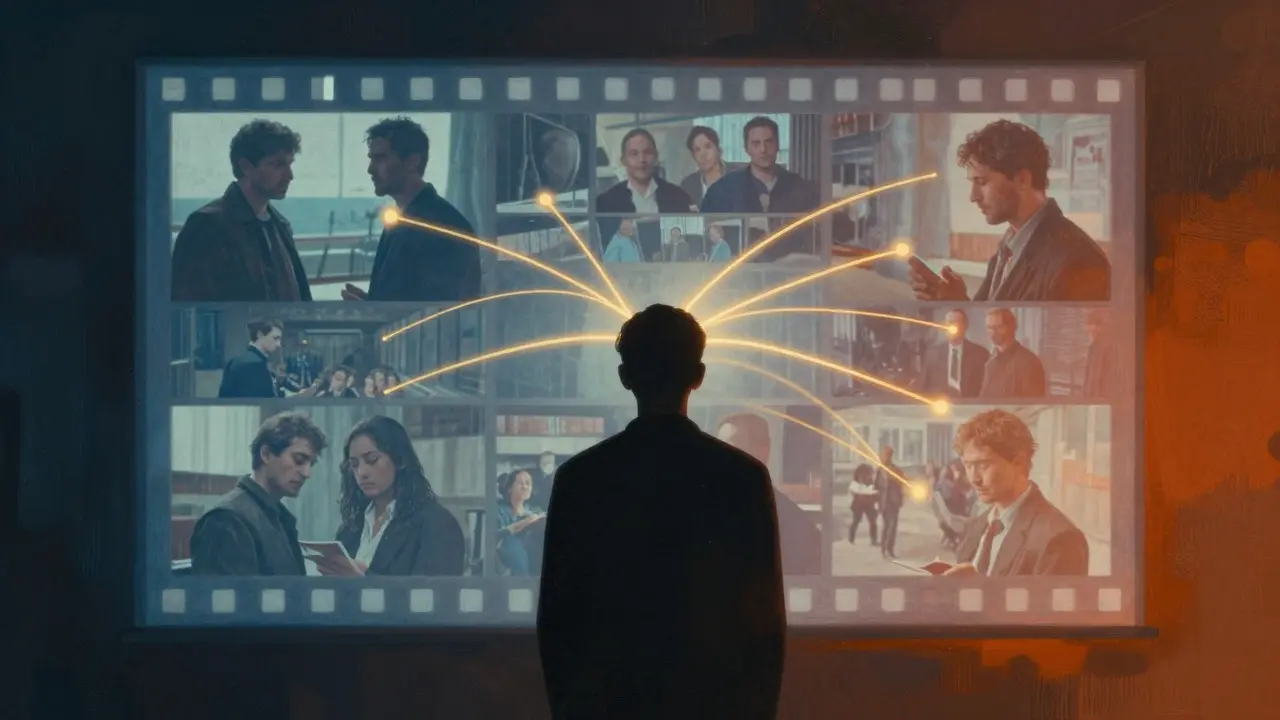
Think about the release of major franchise films. Often, the director’s interview highlights the technical achievements-the VFX, the scale, the practical sets. Critics who engage deeply with these points often write reviews that emphasize spectacle over substance. Conversely, independent film directors might use interviews to highlight thematic depth or social commentary. Critics aligned with this narrative tend to focus on character development and dialogue. The type of access influences the lens through which the film is viewed. It’s not that one lens is better; it’s that the lens changes what you see.
There’s also the factor of timing. An interview conducted before the final cut might reveal intentions that were later compromised in editing. If a critic bases their review on pre-release comments, they might judge the film against a version that no longer exists. This disconnect can lead to confusion among audiences who wonder why the critic’s description doesn’t match the movie they watched. Transparency about when and how access was gained helps mitigate this issue, but it’s not always practiced.
Maintaining Critical Distance in a Connected World
So, how do critics navigate this minefield? First, transparency. Good critics disclose their level of access. Did they meet the director? Was it a formal press junket or a casual chat? Knowing this helps readers calibrate their expectations. Second, separation of concerns. The interview should inform, not dictate. The film stands on its own merits. If the director says a scene is meant to be confusing, but it feels random to the audience, the critic must decide whether to defer to the intent or the experience. Third, diversifying sources. Relying on a single interview is risky. Cross-referencing with crew members, actors, or other critics provides a more rounded view.
For readers, the takeaway is simple: treat every review as a perspective, not a verdict. Ask yourself: Does this critic seem influenced by the filmmaker’s narrative? Do they mention specific details from an interview that aren’t obvious in the film? These clues help you gauge the degree of access bias. Ultimately, critical objectivity is the aim of evaluating works based on merit rather than external factors or personal biases is an ideal, not a reality. But striving for it means acknowledging the forces that shape our views, including the very conversations that bring us closer to the art we love.

Practical Tips for Discerning Readers
- Check for disclosures: Look for notes in the review stating if the critic had prior contact with the cast or crew.
- Compare reviews: Read multiple critiques of the same film. Notice where they diverge. Divergence often signals differing levels of access or interpretation.
- Watch for jargon alignment: If a critic uses specific terms from the director’s interview verbatim, they may be echoing the filmmaker’s language rather than forming their own.
- Consider the publication’s stance: Some outlets prioritize entertainment value, while others focus on academic analysis. Your source matters as much as the critic.
Frequently Asked Questions
Does meeting a director automatically bias a critic?
Not automatically, but it increases the risk. Human nature makes us sympathetic to people we’ve met. However, experienced critics train themselves to separate personal rapport from professional judgment. The key is awareness, not avoidance.
Is it better to read reviews from critics who haven’t met the director?
It depends on what you value. Detached reviews might be more rigorous in technical analysis, but they can miss nuanced intent. Contextualized reviews offer deeper insight but carry the risk of narrative alignment. Ideally, read both types for a complete picture.
How do I tell if a review is influenced by PR materials?
Look for generic praise that mirrors press releases, such as “stunning visuals” or “heartwarming story,” without specific examples. Genuine criticism usually cites concrete scenes, performances, or techniques. If the review feels like a summary of the trailer, it might be PR-driven.
Do online critics face the same access pressures as print journalists?
Often, more so. Online critics operate in a crowded space where exclusivity drives traffic. This can make them more eager to secure interviews, potentially compromising independence. However, many digital platforms encourage raw, unfiltered opinions, which can counterbalance the pressure to please studios.
Should critics avoid interviewing directors entirely to stay objective?
Probably not. Total isolation leads to superficial analysis. The goal isn’t to avoid access, but to manage it wisely. Critics should treat interviews as one data point among many, ensuring that the film itself remains the primary subject of evaluation.