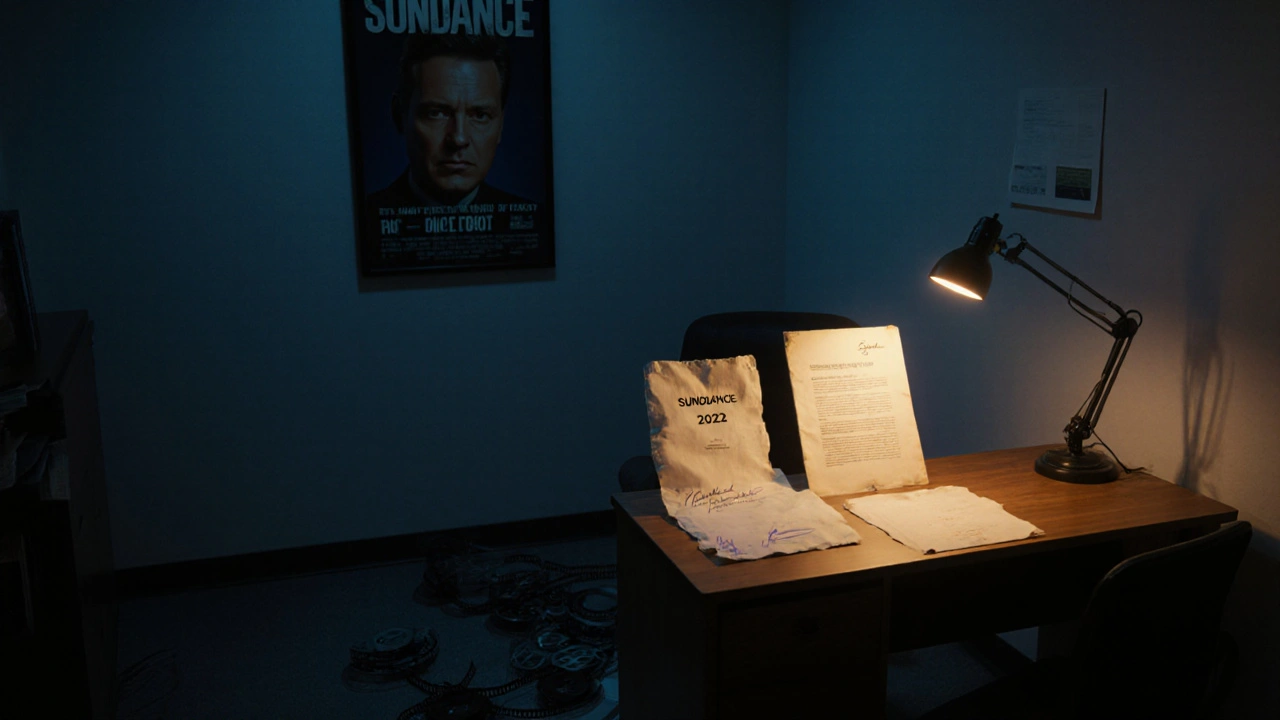
When an independent film gets funded, the real signal isn’t the budget size or the festival submission-it’s who’s attached to direct. In indie cinema, where money is tight and risks are high, a director’s name can be the difference between a project dying in development hell and lighting up the festival circuit. You don’t need a star-studded cast or a slick trailer. You just need the right director attached-and the industry knows it.
Why Director Attachments Matter More Than Anything Else
Independent films live or die by their ability to attract financing. Investors don’t bet on scripts. They bet on people. A well-known director-even one with just one breakout film-can turn a $200,000 script into a $5 million project. Why? Because they bring credibility, experience, and a built-in network. When you see that director attachment on a project, you know someone has already done the hard work of proving they can deliver under pressure.
Take the 2021 film The Power of the Dog. Before it became an Oscar contender, it was a quiet, low-budget adaptation of a 1967 novel. What changed? Jane Campion’s attachment. Overnight, it went from a niche project to a Netflix-backed contender with a $20 million budget. That’s not because the script got better. It’s because the director did.
It’s the same in the indie world. A director with a Sundance award, a Cannes selection, or even a strong short film on Vimeo can unlock doors that writers and producers can’t. Studios and financiers don’t just want talent-they want proof of execution. And directors are the ones who actually make the film happen.
Which Director Attachments Are Most Valuable?
Not all directors are created equal in the indie space. Some names open wallets. Others open doors. Here’s what actually moves the needle:
- Directors with festival track records-Sundance Grand Jury Prize winners, Berlin Silver Bear recipients, or Cannes Un Certain Regard selections. These names signal quality to distributors.
- First-time directors with strong shorts-If a debut filmmaker has a short that went viral on FilmFreeway or played at SXSW, they’re often more attractive than a mid-tier TV director with no feature experience.
- Directors who also write or produce-When someone wears multiple hats, it reduces risk. They’re not just showing up to direct-they’re invested in the project’s survival.
- Directors with a distinct visual style-Think of the stark lighting in Manchester by the Sea or the handheld chaos in The Florida Project. A signature look makes a film stand out in a crowded marketplace.
- Directors with industry relationships-Someone who’s worked with top cinematographers, editors, or composers can assemble a crew quickly and cheaply. That’s priceless in indie filmmaking.
It’s not about fame. It’s about relevance. A director who’s won a regional film award and has a loyal following on Letterboxd can be more valuable than a TV director with 50 episodes under their belt but zero indie credibility.
How Attachments Influence Financing
Financiers don’t read scripts. They look at attachments. Here’s how it works in practice:
Let’s say you have two versions of the same script:
- Version A: Unknown writer, no director attached, $1.2 million ask.
- Version B: Same script, directed by a filmmaker whose debut premiered at Tribeca in 2022 and was picked up by A24.
Version B will get funded. Every time. Why? Because the director reduces perceived risk. Investors know that director has delivered before. They’ve handled tight schedules, low budgets, and difficult actors. They’ve navigated post-production chaos. They’ve sold a film to a distributor.
According to a 2024 report from the Independent Film & Television Alliance, projects with attached directors who have previously completed a feature film are 3.7 times more likely to secure funding than those without. Even more telling: 82% of films that raised over $1 million in 2023 had a director with at least one prior feature in the can.
That’s not luck. That’s pattern recognition. Investors aren’t gambling. They’re betting on proven systems.
What Directors Don’t Attach To
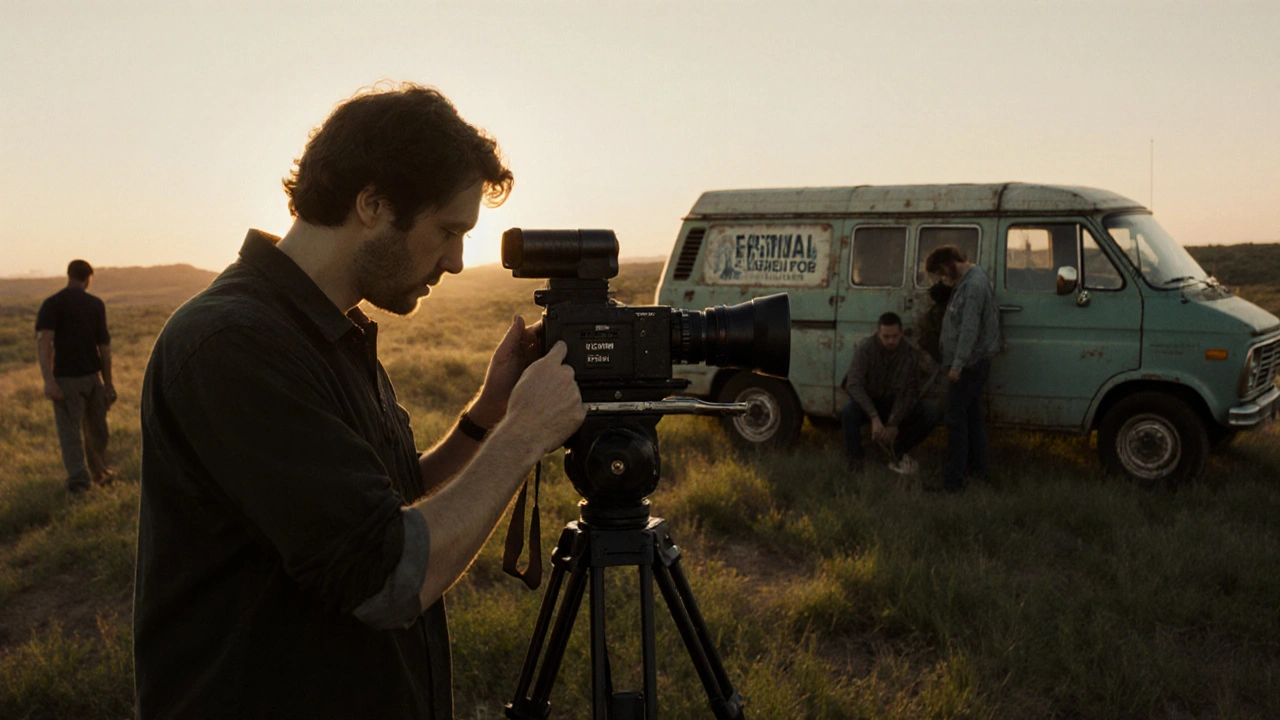
Not every script deserves a great director. And smart directors know when to walk away. Here’s what turns them off:
- Overly commercial scripts-Directors who made their name on intimate dramas won’t jump on a script that reads like a Netflix formula. They want artistic control.
- Unrealistic budgets-If a script asks for $10 million but the producer has no track record, even a big-name director will hesitate. They know they’ll be stuck fixing problems no one else wants to touch.
- Lack of creative freedom-Many indie directors turn down offers when they’re told they can’t change the ending, cut scenes, or cast their own actors.
- Weak production teams-If the line producer has never managed a shoot under $500k, or the line producer has never managed a shoot under $500k, even the best director will say no. They’ve been burned before.
It’s not about ego. It’s about survival. A director doesn’t want to spend a year on a film that dies in obscurity because the team couldn’t handle the basics.
The Producer Attachment Factor
Director attachments don’t work alone. They need backup. A strong producer can make or break a director’s involvement.
Look at the rise of producers like Christine Vachon ( Killer Films) or Peter Saraf (A24). When a director sees their name on a project, they know the money will be managed, the schedule will be respected, and the film will be protected. That’s why directors often say yes to projects not because of the script-but because of the producer.
Some of the most successful indie films of the last decade-Little Miss Sunshine, Whiplash, Marriage Story-had directors attached early, but only because the producers had already secured financing and built trust.
Without a producer who understands the director’s process, even the strongest attachment can fall apart. The director might say yes, but if the producer can’t deliver on logistics, the film never gets made.
What Comes After the Attachment?
Getting a director attached is just the beginning. The real work starts after the signature is on the line.
Here’s what successful indie films do next:
- Lock in the key crew-The director brings in their go-to cinematographer, editor, and production designer. These are the people who’ve worked with them before. They speak the same visual language.
- Start pre-production early-They don’t wait for funding to be fully raised. They scout locations, test lighting setups, and rehearse scenes. Momentum matters.
- Build a trailer or sizzle reel-Even a 90-second clip with the director’s signature style can attract distributors and crowdfunding backers.
- Submit to festivals before filming ends-Festival strategy starts on day one. Directors know which festivals align with their film’s tone-and they plan accordingly.
The best directors don’t just sign on. They own the project from the first draft to the final cut. That’s why their names are worth more than money.
What If You Don’t Have a Famous Director?
Not every indie filmmaker can land a Sundance winner. But that doesn’t mean your project is dead.
Here’s how to compete:
- Find a rising director-Look at last year’s Short Film Jury Award winners at Sundance or SXSW. Many of them are looking for their first feature.
- Offer creative control-Let them rewrite the script. Let them choose the cast. Let them shoot on film if they want to. That’s the currency of indie filmmaking.
- Build a proof of concept-Shoot a 5-minute sequence that matches the tone of the full script. A strong demo can be more convincing than a famous name.
- Partner with a producer who has a track record-Sometimes, the producer’s reputation can carry the director’s inexperience.
There are dozens of directors right now working in Nashville, Austin, and even Asheville who have the vision, discipline, and style to make a film that moves audiences. They just need someone to believe in them before the world does.
Final Thought: It’s Not About the Name. It’s About the Trust.
The most powerful director attachment isn’t the one with the most awards. It’s the one where the producer, writer, and director have built real trust. Where the director knows they won’t be micromanaged. Where the team knows they’ll be given the space to make something honest.
That’s why indie films that feel real-raw, messy, human-always win. Not because they had big stars. But because the people behind them trusted each other enough to take the risk.
Can a director without a feature film still get a project funded?
Yes. Many indie films are funded based on a director’s short film, especially if it played at a major festival like Sundance, SXSW, or Cannes Shorts. A strong short proves they can execute under pressure. Investors look for proof of vision, not just experience.
How long does it usually take to attach a director to an indie project?
It varies. For a well-known director, it can take 3-6 months to secure their availability. For emerging directors, it can be as fast as a few weeks-especially if you offer creative freedom and a clear path to production. The key is aligning vision, not just availability.
Do distributors care about director attachments?
Absolutely. Distributors like A24, Neon, and IFC Films prioritize projects with directors who have a clear voice and a track record. They don’t buy scripts-they buy directors. A director’s past work is the best predictor of whether a film will stand out in a crowded marketplace.
Is it better to attach a director early or wait until funding is secured?
Attach early. A director’s name can help you raise money. Waiting until funding is secured often means you’re left with whoever’s available, not who’s right. The best directors are booked months in advance. If you want them, you need to move fast.
What’s the biggest mistake filmmakers make when seeking director attachments?
Trying to force a director into a project that doesn’t match their style. A director who makes quiet character dramas won’t be interested in a high-concept sci-fi thriller unless they have a personal connection to the material. Authenticity matters more than prestige.



Comments(6)