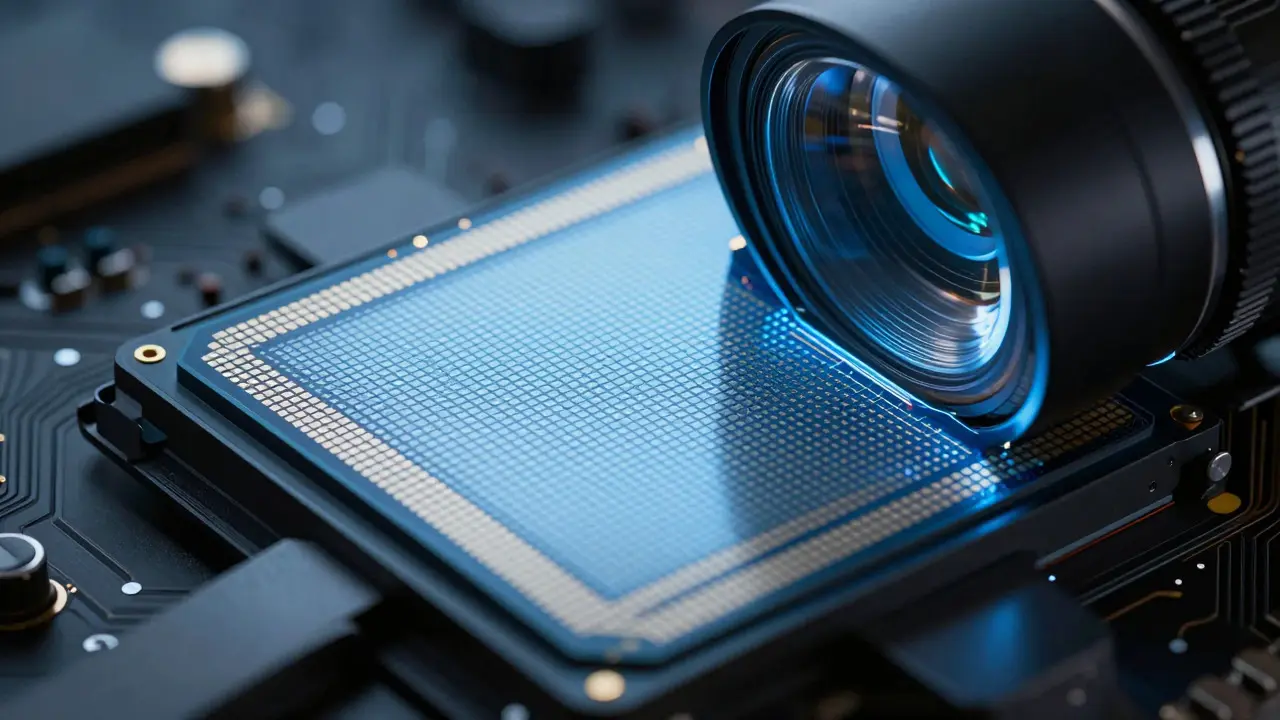
There is a persistent myth that digital killed the soul of cinema. It didn’t. What it did was split the industry into two distinct camps, each with its own philosophy, workflow, and aesthetic signature. When you walk onto a set in 2026, the debate isn't about whether digital works anymore-it’s about which tool serves the story best. For directors and cinematographers, this choice defines the texture of every frame, the budget of the post-production phase, and even how audiences perceive the emotional weight of a scene.
Digital Cinematography is the process of capturing video using electronic sensors rather than chemical film. It has become the default for over 90% of feature films produced today, driven by its flexibility and cost efficiency. On the other hand, Film Stock refers to light-sensitive emulsion on a plastic base that records images through a chemical reaction. While less common, it remains a powerful choice for specific visual goals, offering organic grain and unique color science that sensors struggle to replicate perfectly.
The Core Differences in Image Capture
To understand why a director chooses one over the other, you have to look at how they capture light. Digital cameras use image sensors-typically CMOS or CCD chips-that convert photons into electrical signals. This process is linear and precise. You get exactly what the sensor sees, processed by onboard algorithms. The result is clean, sharp, and highly controllable. If you need a specific ISO setting or a particular white balance, you dial it in, and the machine obeys.
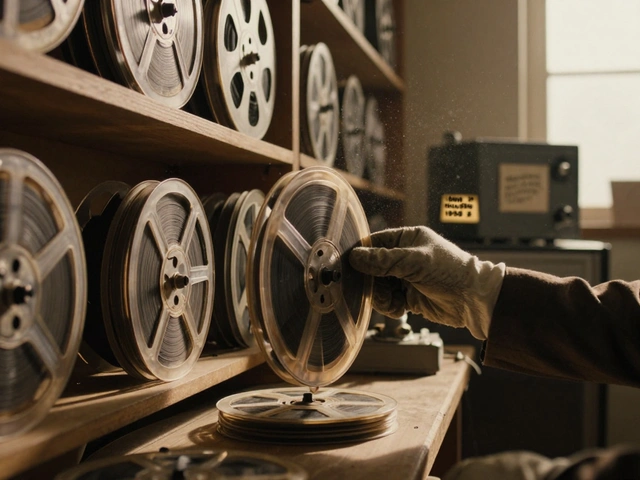
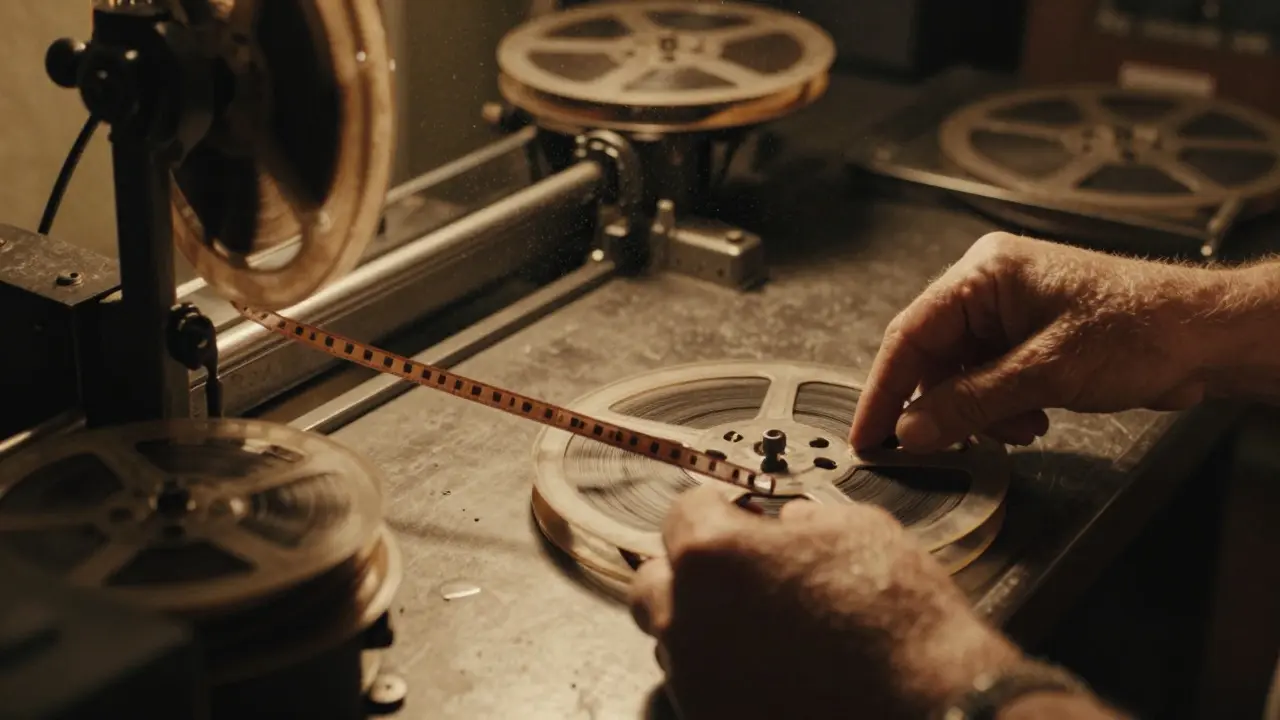
Film works differently. It relies on silver halide crystals suspended in an emulsion layer. When light hits these crystals, a latent image forms. During development, chemicals amplify this image into visible metallic silver. This chemical process is non-linear. It compresses highlights gently and lifts shadows in a way that feels organic to the human eye. This is often described as "filmic" quality. It doesn’t just record data; it interprets light through a physical medium that has been refined over a century.
| Attribute | Digital Cinema Cameras | 35mm Film Stock |
|---|---|---|
| Image Sensor/Medium | CMOS/CCD Electronic Sensor | Silver Halide Emulsion |
| Dynamic Range | 14-17 stops (variable) | 11-13 stops (negative) |
| Grain Structure | Electronic Noise (pixel-based) | Organic Grain (random distribution) |
| Cost per Minute | $0 (amortized hardware) | $300-$800 (stock + processing) |
| Immediate Playback | Yes, instant | No, requires lab scan |
| Color Science | Programmable LUTs | Fixed Chemical Response |
Why Directors Choose Digital: Flexibility and Control
The primary driver for choosing digital is control. In a fast-paced production environment, where schedules are tight and locations change daily, digital offers a safety net that film simply cannot match. With digital, you can shoot at high ISOs without worrying about the cost of the negative. You can monitor the image on a high-fidelity LED panel right next to the lens. If the exposure is off, you know immediately. With film, you might not see the actual image until days later when the lab returns a test strip, if you even request one.
Post-production is another massive factor. Digital files are native to computers. Colorists can manipulate individual pixels, track objects, and remove unwanted elements with precision. This makes visual effects (VFX) integration seamless. If your movie involves CGI creatures or digital sets, shooting digital ensures that the live-action footage matches the resolution and aspect ratio of the VFX assets. Mismatching film scans with high-res CG can create a jarring disconnect in final grades.
Furthermore, digital allows for multiple formats from a single source. You can deliver a 4K master for theaters, a 1080p version for streaming platforms, and vertical crops for social media marketing-all from the same raw file. This versatility reduces the complexity of the delivery pipeline significantly.
Why Directors Still Choose Film: Texture and Authenticity
So why would anyone pay thousands of dollars per day for film stock in an era where a $5,000 mirrorless camera can shoot 8K? It comes down to aesthetics and psychological impact. Film grain is random. It moves across the frame in a way that mimics the natural imperfections of the human eye. Digital noise, by contrast, is structured. It clings to edges and appears as colored speckles. To trained eyes, this difference is subtle but profound. Film feels "alive."
Directors like Paul Thomas Anderson and Christopher Nolan have championed large-format film (IMAX 70mm and 65mm) because of its sheer scale. The larger the film gate, the more detail is captured, and the softer the depth of field becomes. This creates a sense of intimacy and realism that is hard to achieve digitally, especially in close-ups. The chemical reaction of film also handles skin tones in a flattering way that many digital sensors require extensive grading to emulate.
There is also a cultural element. Audiences associate certain looks with certain eras or genres. A gritty crime drama shot on 16mm film evokes a different feeling than the same script shot on a modern digital cinema camera. The medium itself carries narrative weight. When you choose film, you are making a statement about the texture of reality you want the audience to inhabit.
Budget Considerations: The Hidden Costs
Many people assume digital is always cheaper. For small indie projects, this is true. But for mid-budget features, the math gets complicated. Digital saves money on stock and processing, but it increases costs in post-production. You need powerful workstations, specialized software licenses, and skilled colorists who understand RAW workflows. Film, conversely, has high upfront costs but lower post-production complexity. Once the film is scanned, the data is static. You don’t need to manage terabytes of RAW files or worry about codec compatibility issues.
Insurance is another factor. Film negatives are physical objects. They can be damaged, lost, or degraded. Digital files can be corrupted, but they are easier to back up redundantly. However, if you lose a digital card, you lose the take forever unless you have backups. If you lose a roll of film, you lose the take forever unless you have duplicates. Both mediums carry risk, but the nature of that risk differs.
Workflow Implications for the Crew
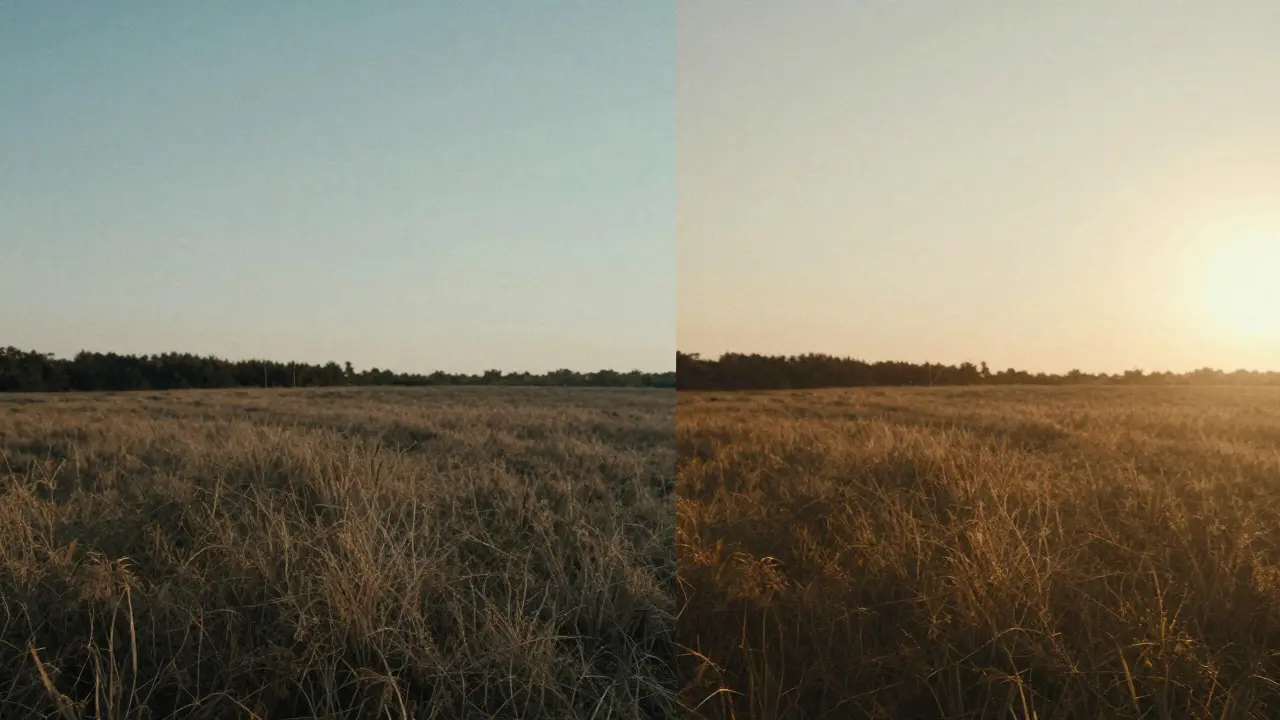
The choice between digital and film affects everyone on set, not just the director and DP. With digital, the DIT (Digital Imaging Technician) is a critical role. They manage the data flow, ensure backup integrity, and apply LUTs (Look-Up Tables) for on-set monitoring. This adds a layer of technical expertise to the crew. With film, you need a loader and a camera operator who understands mechanical film magazines. The pace of shooting changes too. Film is expensive, so takes are precious. Directors tend to rehearse more thoroughly before rolling. Digital encourages experimentation. You can try ten angles quickly because the cost of failure is low.
This difference in pace impacts the creative process. Some directors thrive under the pressure of limited takes, knowing that every frame must count. Others prefer the freedom to improvise, knowing they can fix things in the edit. There is no wrong answer here, only the style that fits the project.
Hybrid Approaches and Future Trends
In 2026, the line between digital and film is blurring. Many productions use a hybrid approach. They might shoot key scenes on film for their visual impact and supporting scenes on digital for flexibility. This allows them to balance budget constraints with artistic vision. Additionally, new digital technologies are improving rapidly. Global shutter sensors are eliminating rolling shutter distortion, and AI-assisted grading tools are making it easier to simulate film looks digitally. Conversely, film labs are offering higher-resolution scans, preserving more detail than ever before.
Ultimately, the choice is not about technology superiority. It is about storytelling. Does the story need the crisp clarity and flexibility of digital? Or does it need the organic warmth and tactile presence of film? The best directors don’t ask which is better. They ask which serves the emotion of the scene.
Is film stock still worth it for independent filmmakers?
It depends on the project's aesthetic goals. For most indies, digital is more practical due to lower costs and faster turnaround. However, if the film relies heavily on a specific vintage look or grain structure, 16mm or Super 8 film can be a viable option, provided the budget accounts for processing and scanning fees.
Can digital cameras perfectly replicate the look of film?
Almost, but not entirely. Modern digital cameras with high dynamic range and advanced color science can mimic film very closely. However, the randomness of film grain and the specific highlight rolloff of certain stocks are difficult to replicate perfectly without adding artificial grain overlays, which some purists argue lacks authenticity.
What is the main disadvantage of shooting on digital?
The main disadvantage is the potential for "sterile" imagery if not graded carefully. Digital images can look overly sharp and clean, lacking the organic imperfections that make film feel human. Additionally, the volume of data generated requires robust storage solutions and significant post-production time for color correction.
How does the choice affect VFX integration?
Digital is generally preferred for VFX-heavy films because it provides consistent resolution and metadata. Film scans can introduce variable grain patterns that complicate compositing. However, with proper plate preparation and matching, film can still be integrated successfully into VFX sequences.
Which format is better for night scenes?
Digital usually performs better in low-light conditions due to higher ISO capabilities. Film struggles with high ISO settings, leading to increased grain and loss of detail. However, high-speed film stocks exist that perform well in dim lighting, though they may lack the latitude of modern digital sensors.