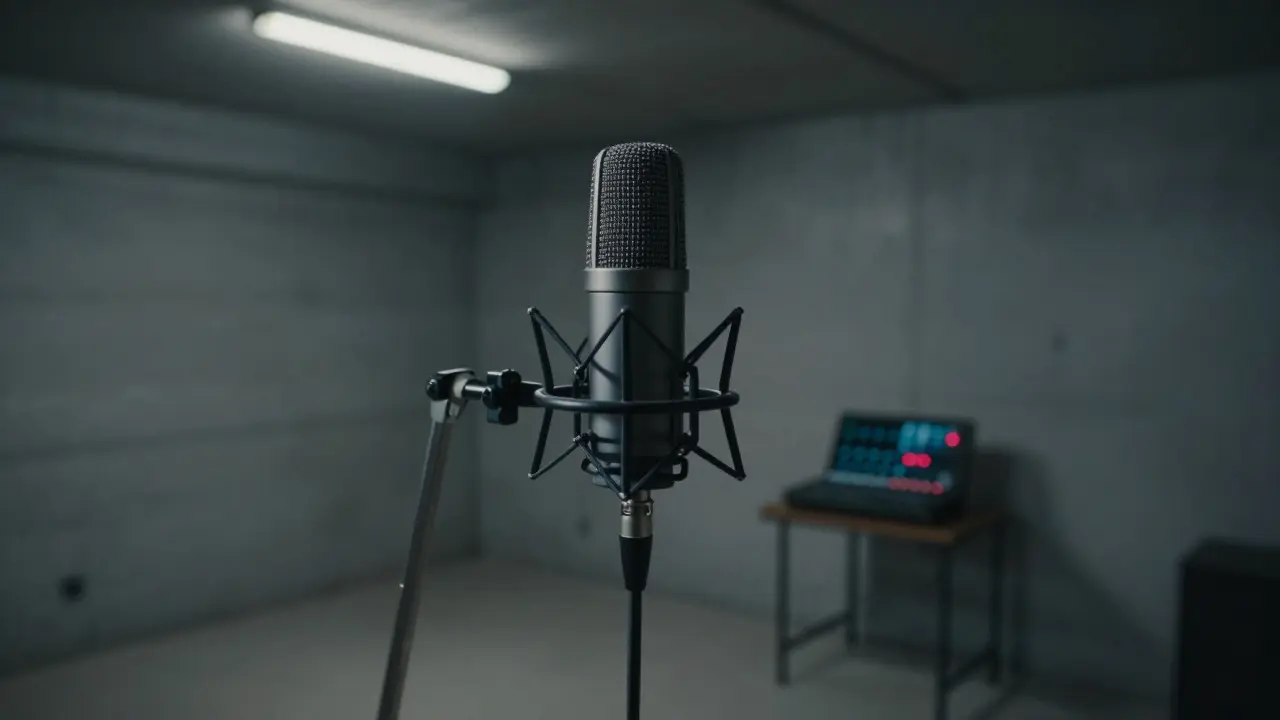
Ever watched a movie where the silence felt wrong? You know that moment when a character is alone in a room, but it sounds like they’re standing in a vacuum? That disconnect pulls you out of the story instantly. It happens because Room Tone is missing. Room tone is the natural, low-level background noise of a specific physical space, capturing the unique acoustic fingerprint of an environment. Without it, edits jump, dialogue feels sterile, and the world stops feeling real. Mastering this element, along with broader Ambiences, which are the layered sounds defining a location's atmosphere, is what separates amateur audio from professional cinema.
Why Silence Is Never Actually Silent
We often think of silence as the absence of sound, but in audio production, true silence is rare and usually undesirable. Every space has a baseline hum. A kitchen might have the buzz of a refrigerator; an office could have distant HVAC airflow; a forest has wind moving through leaves. This baseline is your room tone. It acts as the glue for your edit. When you cut between two shots of the same scene, if the background noise changes abruptly, the viewer’s brain registers a jump. By recording a consistent bed of room tone, you create a continuous sonic layer that masks these cuts. It ensures that whether the camera is on the actor’s face or a wide shot of the room, the air around them sounds identical.
This concept extends beyond just masking edits. It establishes presence. If you record a close-up of a person speaking in a quiet library, you need the faint rustle of pages turning or the distant shuffling of feet in the background. Without those subtle cues, the voice sounds isolated, like it was recorded in a studio booth rather than a public building. The goal is to make the audience forget they are listening to audio at all. They should feel immersed in the space, not aware of the technical construction behind it.
The Difference Between Room Tone and Ambience
While often used interchangeably by casual observers, professionals distinguish between room tone and ambience based on their function and scope. Room tone is intimate and local. It captures the immediate acoustic properties of the specific room where the dialogue takes place. It is usually recorded with a microphone placed in the center of the room, without any active sound sources other than the natural environmental noise. Think of it as the "skin" of the room.
Ambience, on the other hand, is broader and more atmospheric. It includes elements that define the location but may not be strictly part of the immediate room's acoustics. For example, if your scene is set in a café, the room tone would be the echo of the walls and the hum of the lights. The ambience would include the clatter of cups, the murmur of other customers, and perhaps the hiss of the espresso machine. Ambience tells the story of the location, while room tone tells the story of the physics of the space.
| Feature | Room Tone | Ambience |
|---|---|---|
| Primary Function | Masks edits, maintains continuity | Establishes location identity |
| Scope | Immediate room acoustics | Broader environmental context |
| Recording Focus | Static, unchanging background | Dynamic, evolving soundscape |
| Example (Office) | HVAC hum, electrical buzz | Keyboards typing, phones ringing |
| Usage in Mix | Underneath dialogue | Layered throughout scene |
Capturing Quality Room Tone on Set
Recording room tone is one of the most critical tasks for a production sound mixer, yet it is frequently rushed or forgotten until post-production reveals its absence. The golden rule is simple: record it every time you change locations. Even if you only shoot one take in a new room, grab 30 to 60 seconds of clean room tone. More is better. In the mix, you might need to loop this audio to cover long stretches of silence or complex edits. Thirty seconds is rarely enough for a full scene.
When recording, ensure the microphone is positioned exactly where it will be during the actual dialogue takes. If you use a shotgun mic pointed at the actor, keep it in the same spot for the room tone. Do not move it closer to the wall or further away. The distance affects the ratio of direct sound to reverberant sound. Also, make sure no one is talking, no doors are opening, and no props are being moved. The goal is a pristine capture of the room's natural state. Label these files clearly in your DAW (Digital Audio Workstation) so the editor can find them easily. Mislabelled room tone leads to wasted hours searching through bins of production audio.
Consider the frequency content as well. Some rooms absorb high frequencies (like carpeted offices), while others reflect them (like concrete basements). Your room tone should reflect this character. If you apply a generic reverb in post instead of using the actual room tone, it will sound artificial. The real room tone contains subtle imperfections-faint clicks, uneven hums-that our brains interpret as reality. Artificial plugins often lack these micro-details, making the space feel synthetic.

Building Layers for Complex Scenes
In modern film sound design, we rarely rely on a single track of room tone. We build layers. Imagine a scene set in a busy train station. The base layer is the room tone of the platform itself-the concrete echo, the distant rumble of tracks. On top of that, you add mid-ground ambience: the announcement chimes, the shuffle of feet, the squeak of wheels. Finally, you add foreground details: a specific bag dropping, a cough, a phone notification. Each layer serves a different purpose. The room tone provides continuity, the ambience provides context, and the details provide focus.
This layering technique allows the sound designer to control the viewer's attention. By lowering the volume of the background layers, you can make the dialogue stand out without muting the world entirely. Conversely, raising the ambient levels can create tension or overwhelm. For instance, in a thriller, you might amplify the high-frequency tinnitus-like whine of the room tone to induce anxiety in the audience. This psychological manipulation is only possible if you have high-quality, isolated source material. If your room tone is contaminated with traffic noise or crew chatter, it becomes difficult to manipulate effectively in the mix.
Common Mistakes to Avoid
Even experienced teams make errors with room tone. One common mistake is recording it too early in the day. If you shoot a night scene but record the room tone at noon, you might miss the specific hum of streetlights or the change in wind patterns. Always try to match the time of day as closely as possible. Another pitfall is ignoring the impact of weather. Rain against a window adds a significant layer to the room tone of an interior. If you forget to record it during the rain, you’ll have to fake it later, which often sounds flat compared to the organic texture of live rain.
Additionally, beware of digital noise. If your recorder is set to a high gain to capture quiet room tones, you might pick up internal electronic noise from the device itself. Use a limiter or compressor carefully to avoid pumping effects. And always check your levels. Room tone should be quiet, but not so quiet that it disappears into the digital noise floor. Aim for a level that is audible but unobtrusive, typically sitting around -40dB to -50dB relative to your dialogue peak.
Post-Production Workflow Integration
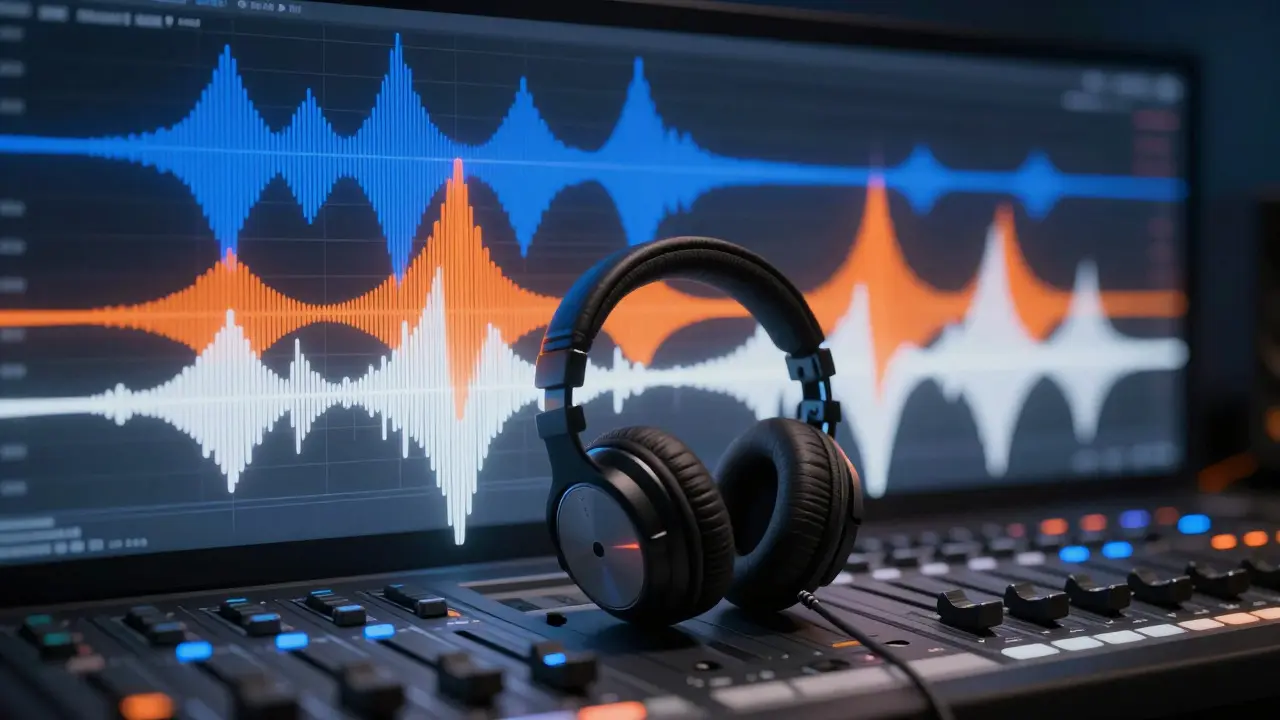
In the editing suite, room tone is your best friend. Editors use it to bridge gaps between clips. If you cut from Shot A to Shot B, and there is a slight discontinuity in the background noise, laying a strip of room tone underneath both shots smooths the transition. This technique is known as "tonal bridging." It prevents the jarring effect of hearing the background drop out and then snap back in. Sound editors also use room tone to extend scenes. If a scene needs to run longer than the original take, looping the room tone fills the void seamlessly.
During the final mix, the sound designer balances these elements against the music and effects. Too much room tone can muddy the dialogue, making it hard to understand. Too little, and the scene feels hollow. The key is subtlety. The audience should never consciously notice the room tone. They should only feel that the scene is coherent and realistic. This balance requires constant monitoring on different playback systems, from small laptop speakers to large theater arrays, to ensure the low-end rumble of the room doesn't overpower the vocal frequencies.
Frequently Asked Questions
How long should I record room tone?
Aim for at least 60 seconds per location. Longer recordings give you more flexibility in post-production for looping and editing. If the scene is particularly long or complex, consider recording 2 to 3 minutes to ensure you have enough material to work with.
Can I generate room tone artificially if I forgot to record it?
Yes, but it is less ideal. You can use reverb plugins and noise generators to simulate a space, but it often lacks the unique character of the actual room. Try to match the decay time and frequency response of the intended space as closely as possible. However, real room tone always sounds more authentic and integrates better with the dialogue.
What is the difference between room tone and reverb?
Reverb is a processing effect that simulates the reflection of sound off surfaces. Room tone is the actual recorded background noise of a space. Reverb affects how individual sounds decay, while room tone provides the continuous bed of sound. They are complementary tools, not replacements for each other.
Should room tone be stereo or mono?
It depends on your workflow. Mono room tone is easier to manage and pan, allowing you to place it precisely under the dialogue. Stereo room tone can provide a wider sense of space but is harder to control in a mix. Many professionals prefer recording in mono for flexibility, then widening it in post if needed.


Comments(5)