Think about the last time you watched a movie where the dancing felt real. Not just people moving around a room, but movement that told the story better than any line of dialogue could. That is the magic of dance films. It’s a genre that sits awkwardly between traditional narrative cinema and live performance art, yet it has produced some of the most iconic moments in Hollywood history. From the synchronized precision of Fred Astaire to the raw, sweaty intensity of modern hip-hop movies, choreography in cinema isn’t just decoration; it’s a language.
You might think this topic is niche, reserved for ballet enthusiasts or fans of old black-and-white musicals. But look closer. The way cameras capture movement influences everything from TikTok trends to high-end fashion campaigns. Understanding how directors and choreographers collaborate reveals why certain scenes stick in your brain while others fade away. This guide breaks down the mechanics, the history, and the future of making bodies move on screen.
The Core Conflict: Stage vs. Screen
The biggest hurdle in creating a successful dance film is resolving the tension between two opposing forces: the stage and the camera. On stage, the audience sees the entire body at once. You watch a dancer leap from one side of the proscenium arch to the other. Your eyes do the work. In cinema, the director controls exactly what you see. They can cut away, zoom in on a foot tapping, or switch angles mid-spin.
This creates a fundamental problem. If you cut too much, you destroy the continuity of the movement. The viewer loses track of where the body is in space. It feels choppy, confusing, and frankly, annoying. If you don’t cut enough, you’re just filming a stage play. You miss out on the unique power of cinema-the ability to show details invisible to a theater seat three rows back.
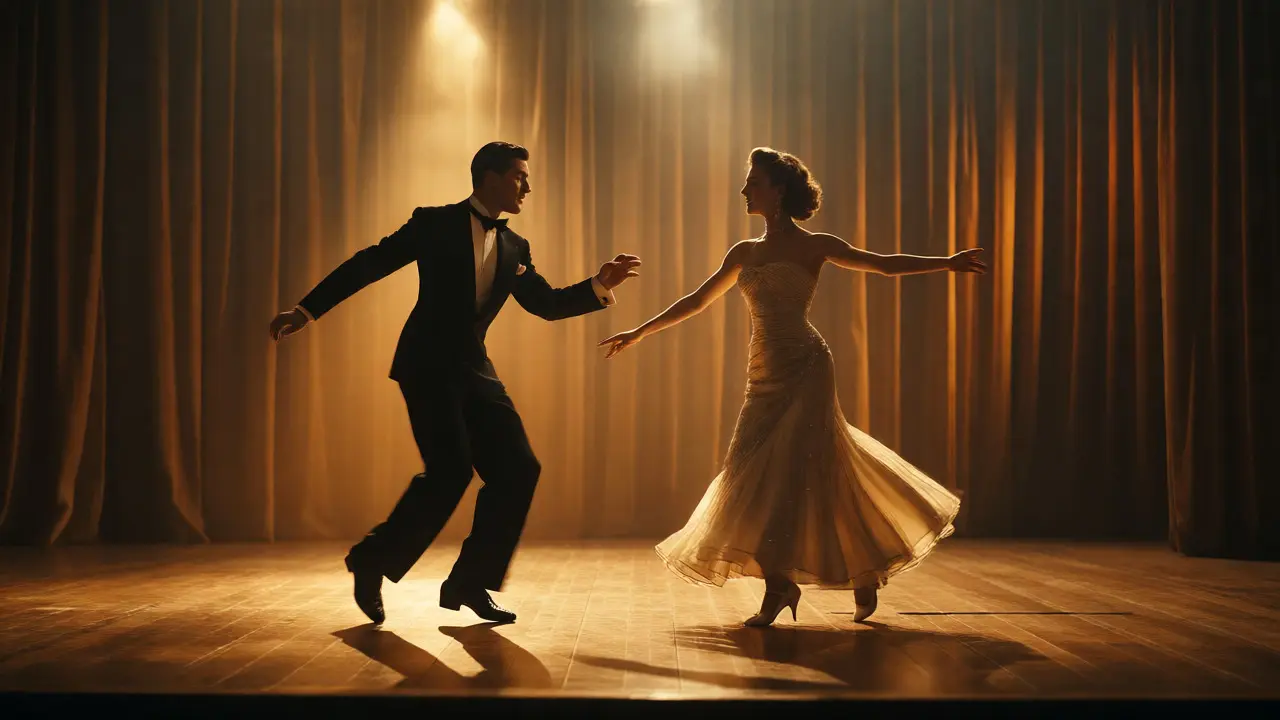
Great filmmakers solve this by treating the camera as another dancer. Consider the work of Stanley Donen, a legendary director-choreographer duo partner with Gene Kelly. His rule was simple: keep the camera wide enough to see the whole body during complex moves, then use close-ups only for emotional punctuation, not for technical explanation. When Kelly dances on the ceiling in Top Hat, the camera stays fixed. Why? Because cutting would reveal the trick. The illusion relies on unbroken spatial logic.
Contrast this with modern music videos or films like Birdman, where long, unbroken takes follow characters through tight spaces. Here, the camera moves *with* the actor, creating a sense of immediacy and chaos. The choreography here isn’t about perfect lines; it’s about kinetic energy. The camera becomes a participant, breathing with the subject.
Key Figures Who Changed the Game
To understand where we are now, you have to look at who built the foundation. Three names dominate the conversation when discussing the evolution of choreography in cinema.
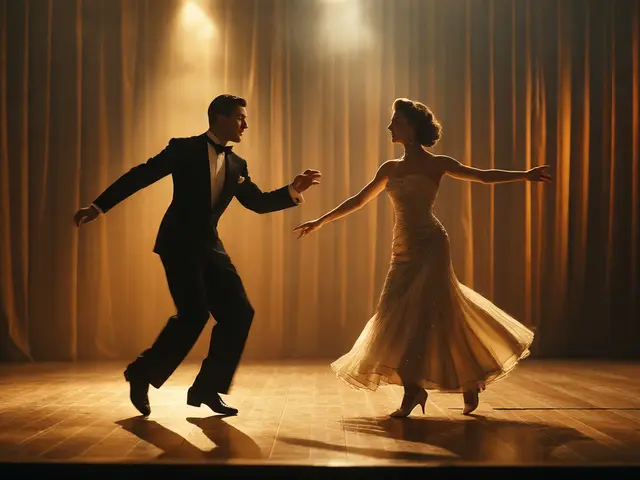
- Fred Astaire: He insisted on filming his numbers in full-body shots, often in single takes. No quick cuts. No hiding mistakes. This established the "integrity of movement" principle. If you can’t do it in one take, you don’t do it.
- Bob Fosse: Fosse brought jazz and vaudeville sensibilities to film. His style-isolated joints, turned-in knees, hat tips-was designed for the camera. He used lighting and framing to emphasize sexual tension and isolation rather than athletic prowess. Think of the mirrored hallway scene in All That Jazz. It’s claustrophobic and intense because the editing matches the fragmented psychology of the character.
- Debbie Allen: As the choreographer for Fame (both the film and TV series), she bridged the gap between classical training and urban street styles. She proved that dance could be gritty, realistic, and accessible, paving the way for later hits like Step Up.
These figures didn’t just create steps; they created visual grammars. Astaire gave us clarity. Fosse gave us mood. Allen gave us realism. Every modern dance film borrows from this toolkit.
Anatomy of a Dance Scene
How do you actually build a dance sequence? It’s not just hiring a choreographer and pointing a lens. It involves a specific workflow that differs from standard dramatic scenes. Let’s break down the jobs-to-be-done for anyone analyzing or creating these sequences.
Pre-Visualization and Storyboarding
In a regular drama, you block the actors’ positions roughly. In a dance film, every inch matters. Directors and choreographers often storyboard frame-by-frame before shooting. They determine the rhythm of the edits. If the music has a snare hit, does the camera cut on that beat? Or does it hold longer to let the movement breathe? This pre-planning prevents wasted time on set. Dance rehearsals are expensive. You can’t afford to figure out camera angles while dancers are tired.
Lighting for Motion
Standard cinematic lighting aims for depth and texture. Dance lighting needs to highlight form. Backlighting is crucial because it separates the body from the background, making limbs pop against shadows. Side lighting emphasizes muscle definition and sweat, adding physicality. Top-down lighting can flatten a dancer, making them look like a graphic shape rather than a human being. Directors choose their lighting rig based on whether they want the dance to feel ethereal (soft, diffuse) or aggressive (hard, high contrast).
The Edit Room Rhythm
This is where the magic happens-or dies. Editors sync cuts to the musical score. However, the best editors know when to ignore the beat. Sometimes, holding a shot past the musical phrase creates suspense. Other times, rapid-fire cuts mimic the frantic pace of a heartbeat. In Black Swan, the editing is jagged and disorienting to reflect the protagonist’s mental breakdown. The cuts aren’t pretty; they’re psychological. Compare that to Moulin Rouge!, where the editing is fast and flashy, matching the hyper-real, theatrical aesthetic of the film.
Comparing Styles: Classical vs. Contemporary
Not all dance films aim for the same effect. There’s a distinct divide between those rooted in classical traditions and those embracing contemporary or street forms. Understanding this difference helps you appreciate the intent behind the visuals.
| Feature | Classical/Hollywood Musical | Contemporary/Street Style |
|---|---|---|
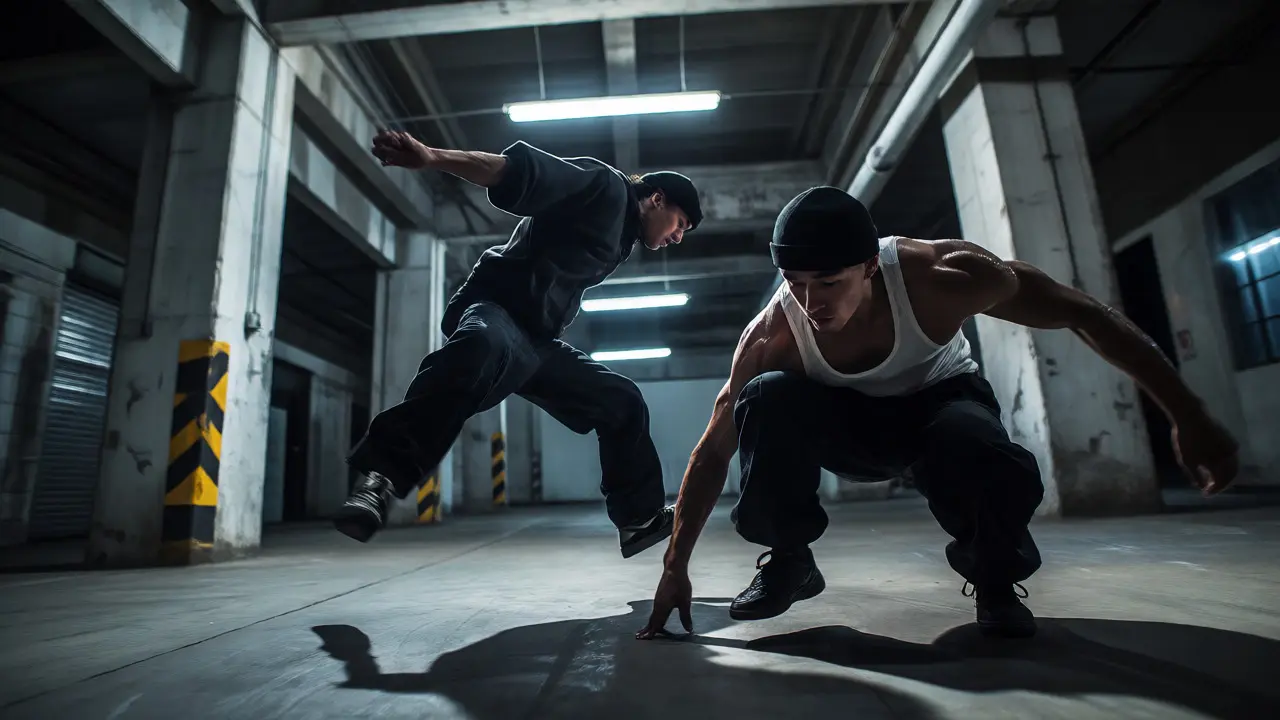
| Camera Movement | Static or smooth tracking shots. Focus on symmetry and balance. | Handheld, shaky, dynamic. Follows the erratic nature of street dance. |
| Editing Pace | Slower, allowing full appreciation of technique and formation. | Rapid cuts, jump cuts, emphasizing energy and attitude over precision. |
| Setting | Studio sets, grand ballrooms, idealized locations. | Urban streets, warehouses, clubs, realistic environments. |
| Goal | Escapism, perfection, romantic resolution. | Authenticity, struggle, self-expression, social commentary. |
| Example | Singing in the Rain | Breakin’ or Honey |
Notice how the setting changes the meaning. A waltz in a palace feels different than a krump battle in an alleyway. The former suggests order and tradition; the latter suggests rebellion and survival. Filmmakers exploit these associations to tell stories without words.
The Rise of the Hybrid Genre
We are currently living in a golden age of hybrid dance films. These aren’t pure musicals, nor are they pure documentaries. They blend narrative drama with extended dance sequences. Take Dancer (2016), a documentary following Sergei Polunin. It uses cinematic techniques-slow motion, dramatic lighting, abstract visuals-to elevate ballet footage into something resembling a fever dream. It’s not just recording a performance; it’s interpreting the artist’s psyche through movement.
Similarly, films like Pina by Wim Wenders use 3D technology to bring the viewer into the space of the Tanztheater Wuppertal. Wenders argued that 3D allowed him to capture the depth of the stage, letting the audience feel the air displaced by the dancers. This technological shift changed what a "dance film" could be. It wasn’t just about watching; it was about experiencing spatial presence.
Another emerging trend is the integration of VFX. In movies like La La Land, the opening highway number blends practical stunts with digital cleanup to create impossible fluidity. Cars become props, the sky changes color instantly, and the camera swoops in ways cranes couldn’t physically achieve. This allows choreographers to design movements that defy gravity, expanding the vocabulary of screen dance.
Common Pitfalls to Avoid
If you’re trying to analyze or make a dance film, watch out for these common errors. They ruin immersion faster than bad acting.
- The "Shaky Cam" Mistake: Using handheld cameras for static ballet poses. If the dancer isn’t moving violently, shaking the camera adds nothing but nausea. Keep the frame stable unless the content demands instability.
- Cutting on the Beat Too Often: While syncing to music is good, doing it exclusively makes the edit feel mechanical. Leave some breath. Let a movement land before cutting.
- Losing Spatial Orientation: If you cut from a wide shot to a close-up of a hand, ensure the viewer knows which part of the body it belongs to. Disorientation kills engagement.
- Ignoring Sound Design: Dance films rely heavily on audio. The sound of shoes hitting the floor, heavy breathing, or fabric rustling adds tactile reality. Muting these sounds makes the dance feel sterile and fake.
Why This Matters Now
You might ask, why care about this in 2026? Because our visual literacy is shaped by short-form video. Platforms like TikTok and Instagram Reels are essentially micro-dance films. Users learn choreography through repetition and visual cues, not notation. The principles of clear framing, rhythmic editing, and expressive lighting taught in classic cinema are directly applied by millions of creators today.
Moreover, the boundary between performer and filmmaker is blurring. Dancers are directing their own projects. Directors are studying movement. This cross-pollination enriches both fields. When a filmmaker understands the physical limits of the human body, they write better roles. When a dancer understands camera angles, they perform for the lens, not just the eye.
Ultimately, dance in cinema reminds us that communication doesn’t always require speech. A well-choreographed scene can convey grief, joy, anger, or love more efficiently than a monologue. It connects us to the primal urge to move. Whether you’re watching a silent film from the 1920s or a viral YouTube clip, the core question remains the same: How does this movement make me feel?
What defines a true dance film versus a movie with dance scenes?
A true dance film uses choreography as the primary narrative device, whereas a movie with dance scenes uses it as entertainment or transition. In a dance film, the plot advances through movement. If you removed the dance sequences, the story would collapse or lose its emotional core. Examples include All That Jazz or Center Stage, where the internal conflicts of characters are expressed through their dancing.
Why did Fred Astaire insist on no close-ups during his dance numbers?
Astaire believed that close-ups cheated the audience. He wanted viewers to see the integrity of the entire body’s movement. Cutting away to a face or a foot hid the difficulty and coordination required for the step. By keeping the camera wide and stationary, he proved his skill and allowed the audience to appreciate the spatial relationship between partners and the environment.
How does lighting differ for dance scenes compared to regular dialogue scenes?
Dialogue scenes prioritize facial visibility and depth. Dance scenes prioritize silhouette and form. Backlighting is often stronger to separate the dancer from the background, highlighting the outline of the body. Side lighting is used to accentuate muscle tone and sweat, adding a sense of physical effort. Top lighting is generally avoided as it flattens the body, making movements harder to read.
Can non-dancers effectively direct dance films?
Yes, but they must collaborate closely with a skilled choreographer. Directors like Baz Luhrmann (Moulin Rouge!) are not professional dancers, but they understand rhythm, editing, and visual storytelling. The key is trusting the choreographer to handle the technical movement while the director handles the emotional context and camera perspective. Without this partnership, the result often looks amateurish or disjointed.
What role does editing play in the success of a dance sequence?
Editing dictates the tempo and impact of the dance. Rapid cuts can increase energy and excitement, mimicking the adrenaline of a performance. Slower, longer takes allow the audience to appreciate technical skill and grace. Poor editing can disrupt the flow, causing the viewer to lose track of the body’s position in space. Effective editing synchronizes visual cuts with musical beats or emotional peaks, creating a cohesive audiovisual experience.