You’ve probably felt it before. You’re watching a horror movie, and your chest tightens because the shadows are swallowing the actor’s face. Then you switch to a rom-com, and suddenly everything is bright, warm, and inviting, even if the characters are having a terrible day. That shift isn’t magic. It’s cinematography, the art of capturing moving images on film or digital media. It’s the silent language that tells your brain how to feel before the dialogue even starts.
Many people think cinematography is just about pointing a camera at something pretty. But ask any director of photography (DP), and they’ll tell you it’s about translation. They take the script’s emotional beats and turn them into light, shadow, movement, and color. The trick? What works for a gritty crime thriller often fails miserably in a high-fantasy epic. Adapting your visual approach to fit the genre isn’t optional; it’s the job.
The Core Principle: Why Genre Dictates Light
Before we break down specific genres, let’s get one thing straight: lighting is not just illumination. It’s information. In a documentary, flat, natural light says, "This is real. We aren’t hiding anything." In a noir thriller, harsh, directional light says, "Someone is lying, and the truth is hidden in the dark."
Your first step in adapting your approach is identifying the genre’s primary promise to the audience. Horror promises fear. Romance promises intimacy. Sci-fi promises wonder. Your camera choices must align with that promise. If you shoot a romance like a war movie-shaky handheld, desaturated colors, harsh overhead lighting-the audience will feel anxious, not romanticized. Mismatched visuals create cognitive dissonance, pulling viewers out of the story.
Horror: Embracing the Unknown
Let’s start where tension is highest: horror. The goal here is to withhold information. You want the audience to lean in, squinting into the darkness, trying to see what you refuse to show them clearly.
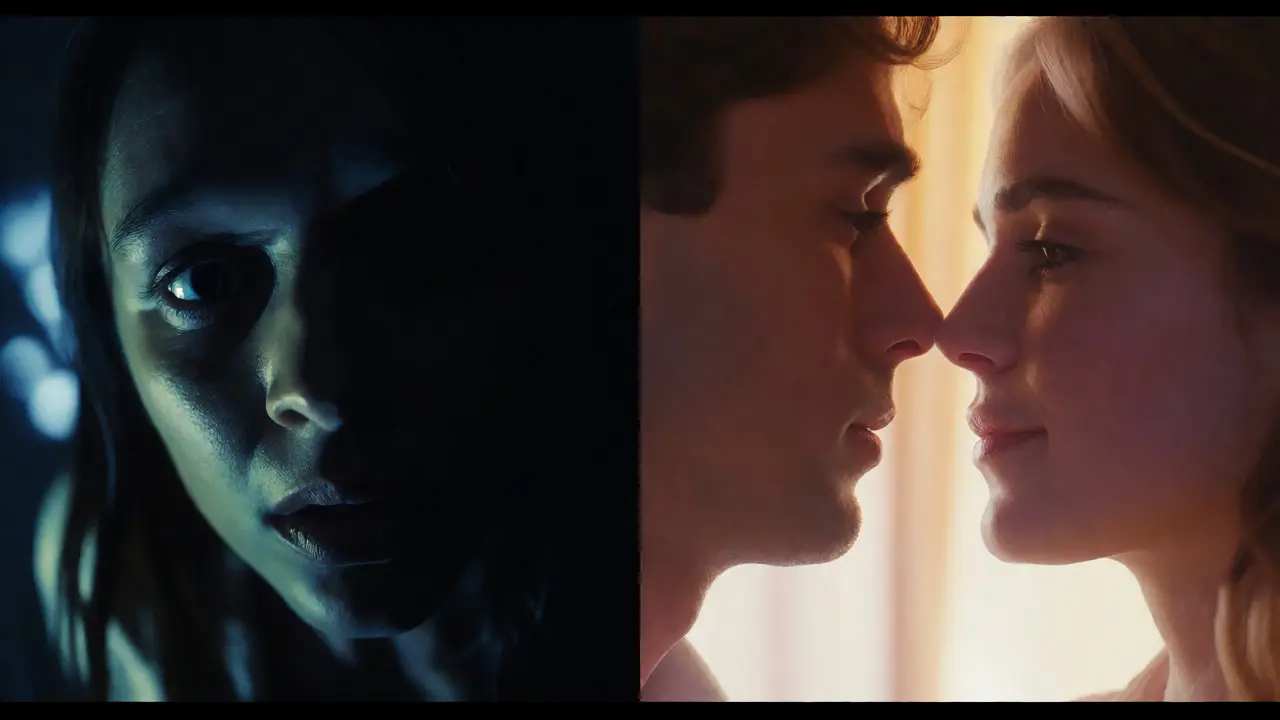
- Lighting Strategy: Use low-key lighting with high contrast ratios. Keep the background deep black. This creates negative space where the imagination runs wild.
- Camera Movement: Slow, creeping dollies or subtle handheld movements mimic the feeling of stalking or being watched. Sudden, violent snaps can simulate shock.
- Lens Choice: Wide-angle lenses used close up can distort faces, making familiar things look monstrous. Long lenses compress space, trapping characters in a claustrophobic frame.
Think about The Babadook. The cinematographer didn’t just use dark rooms; they used depth of field strategically. Often, the monster is slightly out of focus in the background while the protagonist is sharp in the foreground. This forces the viewer’s eye to hunt for the threat, creating subconscious stress.
Romance and Comedy: The Warmth of Connection
Flip the script. In romance and comedy, the visual language is about connection and clarity. You want the audience to feel comfortable, safe, and emotionally open.
| Element | Horror Approach | Romance/Comedy Approach |
|---|---|---|
| Color Palette | Cool blues, sickly greens, deep blacks | Warm ambers, soft pinks, creamy whites |
| Lighting Ratio | High contrast (4:1 or higher) | Low contrast (2:1 or lower), soft fill |
| Focus | Selective, isolating subjects from context | Deep focus or gentle bokeh to keep environment pleasant |
| Movement | Unsettling, unpredictable | Smooth, flowing, stable |
In romantic comedies, you’ll often see large diffusion sources. These create a "glow" around actors’ skin, smoothing imperfections and enhancing attractiveness. The camera tends to stay steady, allowing the actors’ performances to shine without distraction. If the scene is funny, wider shots allow physical comedy to land. If it’s intimate, tighter frames isolate the couple from the rest of the world, signaling to the audience that nothing else matters right now.
Action and Thriller: Kinetic Energy
When you move into action and thriller genres, the priority shifts from emotion to momentum. The visuals need to convey speed, danger, and chaos without becoming a blurry mess.
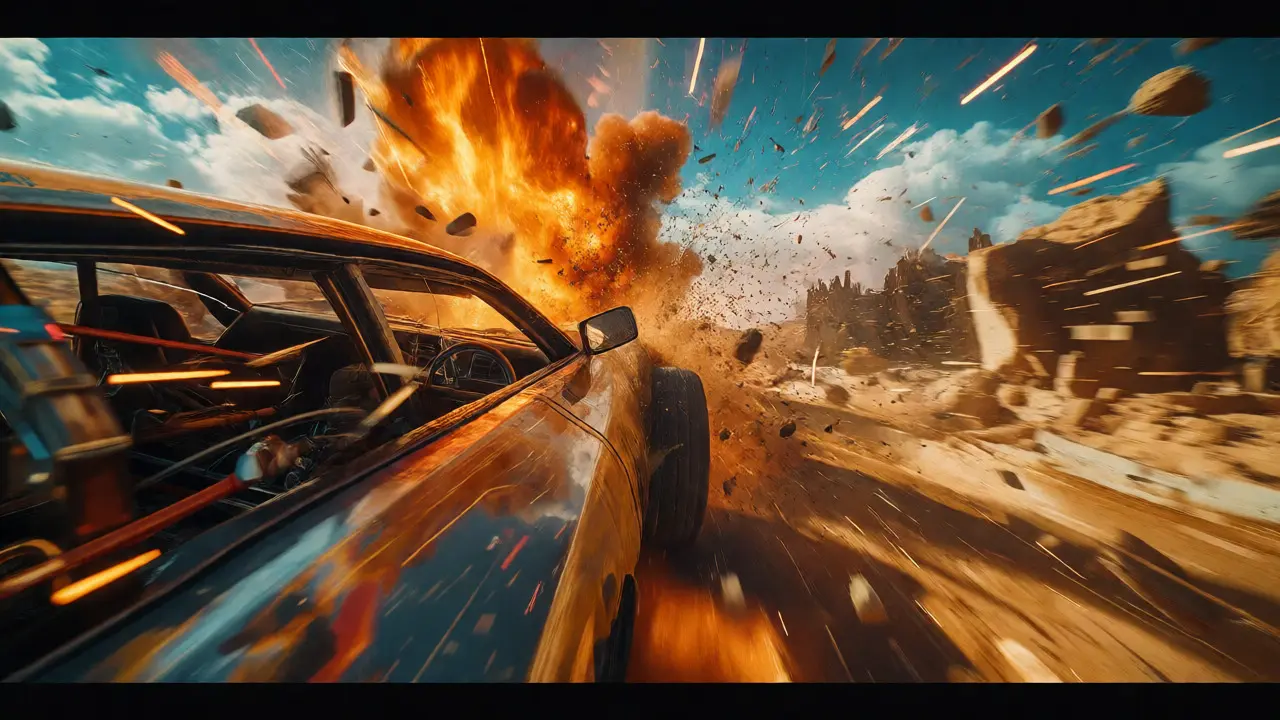
This is where shutter angle becomes critical. Standard shutter angles (180 degrees) give motion blur that looks natural. But many action films drop the shutter angle to 90 degrees or less. This reduces motion blur, making every movement crisp and jagged. It feels more aggressive, almost hyper-real. Think of Mad Max: Fury Road. The stunts were shot practically, but the fast shutter speed made every explosion and car crash feel visceral and immediate.
Camera movement in action sequences should follow the logic of the fight. Handheld cameras add urgency and realism. Steadicams provide fluidity during chases. Drones offer scale. The key is coherence. Even in chaos, the audience needs to understand spatial relationships. If they don’t know who is hitting whom, the excitement dies.
Sci-Fi and Fantasy: Building Worlds
Science fiction and fantasy rely on world-building. The cinematography has to sell the reality of places that don’t exist. This often means using practical effects combined with digital enhancements, but the lens choice remains paramount.
Fantasy often favors anamorphic lenses. These lenses stretch the image horizontally, creating oval-shaped bokeh (out-of-focus highlights) and horizontal flares. This gives the footage a cinematic, dreamlike quality that separates it from everyday life. Sci-fi might go the other way, using spherical lenses for a cleaner, sharper, more technological look, or vintage lenses to imply a retro-future aesthetic.
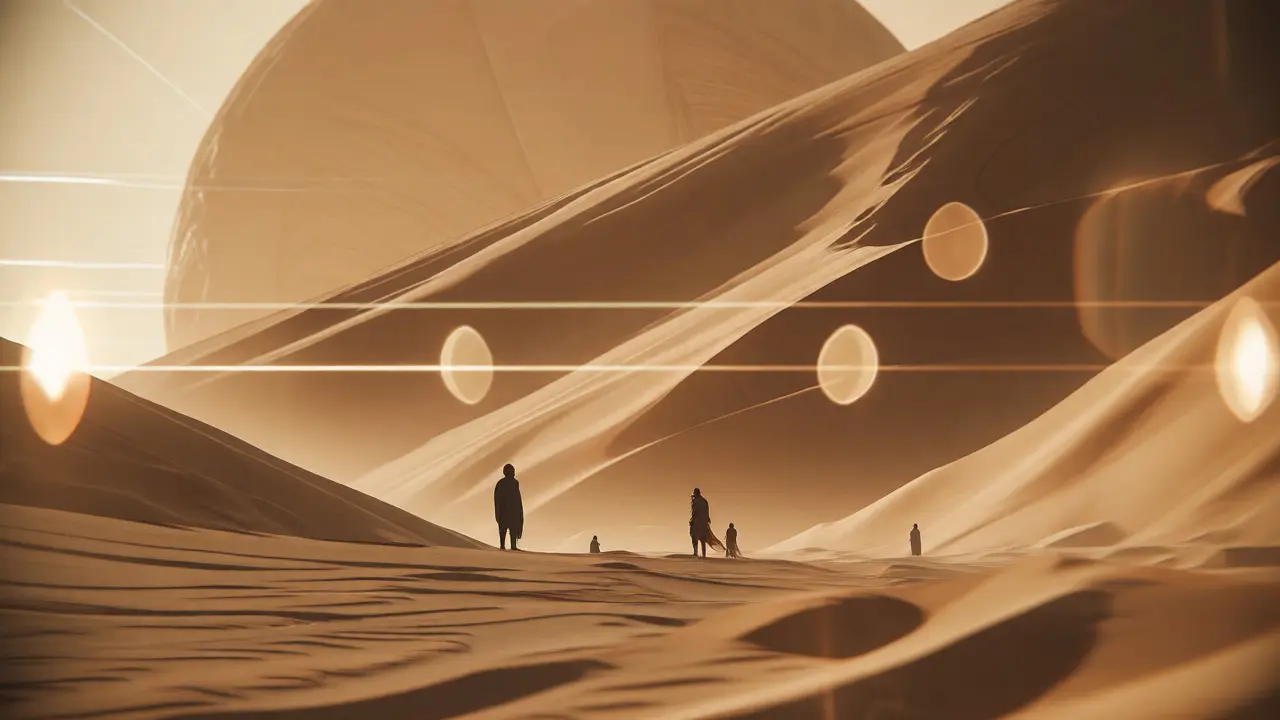
Consider Dune. The cinematography uses vast wide shots to emphasize the insignificance of humans against nature. The color grading is monochromatic-beiges and oranges-to unify the visual tone. This isn’t just pretty; it reinforces the theme of environmental dominance.
Drama: Subtlety and Character
In drama, the camera is often invisible. The goal is empathy. You want the audience to forget they are watching a movie and simply inhabit the character’s headspace.
This requires precise framing. Over-the-shoulder shots establish conversation dynamics. Close-ups reveal micro-expressions. But the real skill is in when not to cut. Long takes allow emotions to breathe. If a character is crying, cutting away too quickly robs the moment of its weight. Let the shot hold. Let the audience sit in the discomfort.
Lighting in drama is often motivated by natural sources. A window, a lamp, a streetlight. This grounds the scene in reality. However, subtle adjustments are made to guide the eye. You might dim the background slightly to draw attention to the actor’s face, or use a rim light to separate them from a busy wall. It’s all about subtlety.
Practical Tips for Adapting Your Style
So, how do you actually execute this adaptation? Here are three concrete steps to take before you roll camera.
- Analyze the Emotional Arc: Don’t just read the plot. Map the emotional highs and lows. Where does the tension peak? Where does the relief come? Design your lighting and movement to mirror these beats. If the scene is tense, tighten the frame. If it’s relieving, widen it.
- Create a Look Book: Gather reference images from films that match your target genre. Note the color palettes, lighting setups, and camera angles. This helps communicate your vision to gaffers and operators efficiently.
- Test Your Lenses: Every lens renders skin tones differently. Some make skin look oily; others make it look porcelain. Test your chosen lenses on actual actors under your planned lighting conditions. What looks good on a monitor might look terrible on a cinema projection screen.
Remember, consistency is key within a scene, but variation across scenes keeps the audience engaged. If every shot in a thriller is shaky and dark, the audience gets exhausted. Vary the intensity. Give them moments of calm so the scares hit harder.
Does genre dictate camera movement?
Yes, significantly. Action genres favor dynamic, kinetic movement to convey energy, while dramas often use static or slow-moving cameras to focus on performance and internal emotion. Horror may use creeping movements to build suspense, whereas comedies often use stable shots to ensure jokes land clearly.
How does color grading affect genre perception?
Color grading sets the mood instantly. Cool, desaturated tones suggest seriousness, isolation, or sci-fi settings. Warm, saturated tones evoke nostalgia, comfort, or romance. High-contrast grading enhances drama and noir, while low-contrast, pastel grades suit lighthearted comedies.
Can I mix genres visually?
Absolutely. Many modern films blend genres. For example, a sci-fi horror might use clean, futuristic lighting but employ horror-style camera movement and framing. The key is intentional blending-knowing which rules you are breaking and why.
What is the most important tool for adapting style?
While equipment matters, the director of photography’s understanding of narrative intent is crucial. Knowing what the scene needs to make the audience feel dictates every technical choice, from lens selection to lighting ratio.
Do digital cameras change genre aesthetics?
Digital cameras offer flexibility that film doesn’t, such as adjusting ISO in post-production. However, genre aesthetics are still largely defined by lighting, lens choice, and color grading rather than the sensor itself. Digital allows for easier replication of film looks through emulation, but the creative decisions remain the same.