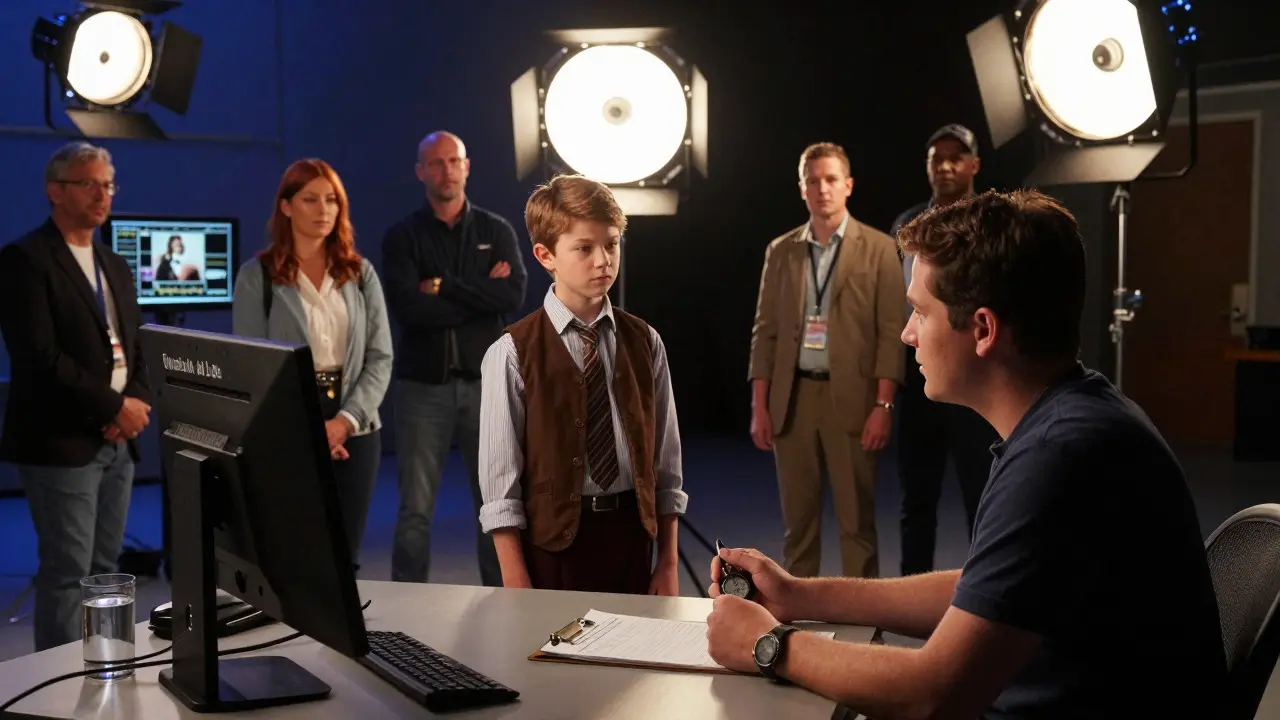
Picture this: a twelve-year-old actor is supposed to be at school by 8:00 AM, but instead, they’re on a soundstage in Atlanta, shooting scenes for a major studio drama. The parents are watching from the monitor, and a dedicated guardian is keeping track of every minute. This isn’t just a scene from a movie; it’s the daily reality of child labor law in the entertainment industry.
When you hire a minor for a film, television show, or commercial, you aren't just casting talent. You are stepping into a complex web of legal obligations that vary wildly depending on where you shoot. Get it wrong, and you risk fines, halted production, or even lawsuits. Let's break down how these rules actually work so your next project runs smoothly without any legal headaches.
The Core Rules: Hours, Work, and Rest
At its heart, child labor regulation is about protecting kids from exploitation while allowing them to earn money. But "protection" looks different in every state. In California, one of the most common filming locations, the rules are strict. For children under fourteen, there are limits on how many hours they can work per day and per week. Generally, a minor can work up to three hours on a school day and five hours on a non-school day. If the child is sixteen or older, those limits relax slightly, but they still can't work more than eight hours a day or forty-eight hours a week.
Time off matters just as much as time on. After a certain number of working hours, minors are entitled to breaks. Usually, this means a thirty-minute rest period for every four hours worked. And let's not forget sleep. Most jurisdictions require that no minor works between 10:00 PM and 6:00 AM unless special permission is granted. These rules exist because a tired kid is a dangerous kid, especially when dealing with heavy equipment or long shoots.
The Role of the Guardian Ad Litem
You’ve probably heard the term "Guardian Ad Litem" (GAL) thrown around in production meetings. It sounds intimidating, but think of the GAL as the ultimate advocate for the child. Unlike the parent, who might have financial interests in the deal, the GAL’s only job is to ensure the child’s well-being. They review contracts, approve schedules, and make sure the working conditions are safe.
In many states, if a minor is working in front of an audience or in a high-risk environment, a GAL is mandatory. They have the power to pull a child off set if conditions become unsafe. While some producers see this as a bottleneck, experienced line producers know that a good GAL prevents bigger problems later. They keep the paperwork organized and ensure everyone is on the same page regarding the child's rights.

Work Permits and Schooling
Before a single frame is shot, you need a work permit. This document proves that the minor is legally allowed to work. It’s usually issued by the local county clerk or a specific state agency. Without it, the production is operating illegally. But here’s the catch: the permit often comes with strings attached regarding education.
Even if a child is on set for weeks, they must continue their education. This is known as "on-set schooling." Productions typically hire a certified teacher to come to the set or provide online lessons during breaks. The goal is to ensure the child doesn’t fall behind academically. If you skip this step, you risk losing the permit and facing penalties. It’s a logistical challenge, but it’s non-negotiable for compliance.
Financial Protections: The Coogan Account
Let’s talk money. When a minor earns a paycheck, who controls it? Usually, the parents do. But history has taught us that this can lead to misuse. That’s why many states, particularly California, require a portion of the minor’s earnings to be placed in a protected trust account. This is famously known as the Coogan Account, named after Jackie Coogan, a child star whose parents squandered his fortune.
Typically, 15% to 30% of the gross earnings go into this trust. The money stays locked until the child reaches adulthood, usually age eighteen. This ensures that the actor has something to fall back on when they stop being a child star. For productions, this means handling payroll differently. You don't just cut a check to the parent; you route a specific percentage directly to the trust. Getting this accounting right is crucial to avoid tax issues and legal disputes down the line.

State-by-State Variations
Here is where it gets tricky. There is no single federal law that governs all child labor in film. Instead, each state sets its own rules. This creates a patchwork of regulations that can trip up productions moving across state lines.
| State | Max Daily Hours (Under 14) | Required Breaks | Trust Account Requirement |
|---|---|---|---|
| California | 3 hours (school days), 5 hours (non-school) | 30 mins per 4 hours | Yes (Coogan Act) |
| New York | 3 hours (school days), 5 hours (non-school) | 30 mins per 4 hours | No (but recommended) |
| Georgia | Varies by age/school status | 10 mins per 4 hours | No |
Notice how Georgia, a huge hub for film production due to tax incentives, has slightly different break requirements compared to California. If you move your crew from Los Angeles to Atlanta, you need to update your call sheets and brief the cast. Ignoring these nuances can lead to violations that cost more than the fine itself, mainly through lost shooting days.
Practical Tips for Producers
So, how do you stay compliant without slowing down the shoot? First, hire a local production lawyer early. Don't wait until the casting is done. Second, build buffer time into your schedule. Shooting with minors takes longer because of breaks, schooling, and transportation limits. Third, communicate clearly with parents. They are your partners in compliance. If they understand the rules, they’ll help enforce them. Finally, keep meticulous records. Every hour worked, every break taken, and every school session completed should be documented. If there’s ever a dispute, your logs will be your best defense.
Child labor law in film isn't just red tape. It’s a framework designed to protect young talent while allowing them to pursue their dreams. By understanding the core rules, the role of guardians, and the financial protections involved, you can create a safe and productive environment for your minor actors. Do it right, and you won't just save money; you'll build a reputation for being a fair and professional production company.
Do all states require a Guardian Ad Litem?
No, not all states mandate a GAL for every minor actor. However, most states require one if the child is under a certain age (often 14) or if the work involves significant risk. In high-profile productions, hiring a GAL is standard practice regardless of strict legal mandates to ensure smooth operations.
What happens if a minor works over the limit?
Working over the limit can result in fines for the production company, potential loss of the work permit, and required back-pay to the minor. In severe cases, it can halt production until compliance is restored. It also damages the production's reputation with local authorities.
How does on-set schooling work?
On-set schooling involves hiring a certified teacher to instruct the minor during breaks or designated study periods. The curriculum usually matches the child's grade level. The teacher submits progress reports to the parents and the local school district to ensure the child stays on track academically.
Is the Coogan Account required in every state?
No, the Coogan Account is specifically mandated in California. However, many other states have similar trust fund requirements, and even where not legally required, it is considered best practice to protect both the minor and the production from future financial disputes.
Who pays for the Guardian Ad Litem?
The production company typically pays the GAL's fees. This is considered a standard production expense, similar to hiring a stunt coordinator or a script supervisor. The cost varies based on the length of the shoot and the complexity of the role.