Walk into a multiplex on a Tuesday night in 2026, and you might not see the latest superhero blockbuster. Instead, you’ll likely find a packed theater for the 4K restoration of a 1998 indie hit or the 30th-anniversary re-release of a cult classic. This shift isn’t accidental; it’s a calculated move by studios to squeeze maximum value from their back catalogs. For distributors, catalog film re-releases have become a vital revenue stream, bridging the gap between high-cost original releases and the passive income of streaming licenses.
The modern re-release is no longer just about showing an old movie again. It’s a complex marketing event that relies on specific technical upgrades, strategic timing, and precise audience targeting. If you’re involved in distribution, marketing, or simply curious why your favorite 90s movie is suddenly playing in IMAX, understanding the mechanics behind these revivals is essential. The industry has moved beyond simple nostalgia trips to sophisticated commercial plays that require careful execution to avoid cannibalizing streaming numbers.
The Economics of the Catalog Window
To understand why re-releases are surging, we first need to look at the traditional release window. Historically, a film would follow a strict path: theatrical run, home video, then TV/streaming. But with the collapse of physical media sales and the dominance of subscription services, that middle ground vanished. Studios realized they were losing billions in potential revenue because audiences had no reason to pay for a movie once it hit a streaming platform.
Re-releases fill this void. They create a new "premium" window where fans can experience the film in a way streaming cannot replicate. The key economic driver here is the low cost of goods sold (COGS). Unlike greenlighting a new film, which costs tens of millions in production and marketing, a re-release requires minimal capital. You already own the IP. You don’t need new actors, sets, or scripts. The main expenses are the restoration process and a targeted marketing campaign. This results in profit margins that often exceed those of original releases, especially when the film has a dedicated fanbase.
However, the economics depend heavily on the scale. A wide release across 5,000 screens requires significant print fees (even for digital) and advertising spend. Therefore, most successful re-releases start narrow-targeting major cities with strong cultural ties to the film-and expand only if initial ticket sales justify the expansion. This "test and expand" model minimizes risk while maximizing buzz.
Anniversary Editions vs. Technical Restorations
Not all re-releases are created equal. There are two distinct types that serve different market purposes: anniversary editions and technical restorations. Understanding the difference is crucial for predicting audience behavior and setting pricing strategies.
Anniversary Editions are marketing-driven events centered around a milestone date, such as a 10th, 20th, or 30th year since the original release. These releases rely heavily on nostalgia and cultural relevance. The primary goal is to reactivate the original audience who may now be in their 30s, 40s, or 50s. These films often undergo minor color grading or sound mixing updates, but the core visual experience remains close to the original theatrical version. The marketing budget is disproportionately higher than the technical budget, focusing on social media campaigns, influencer partnerships, and press tours.
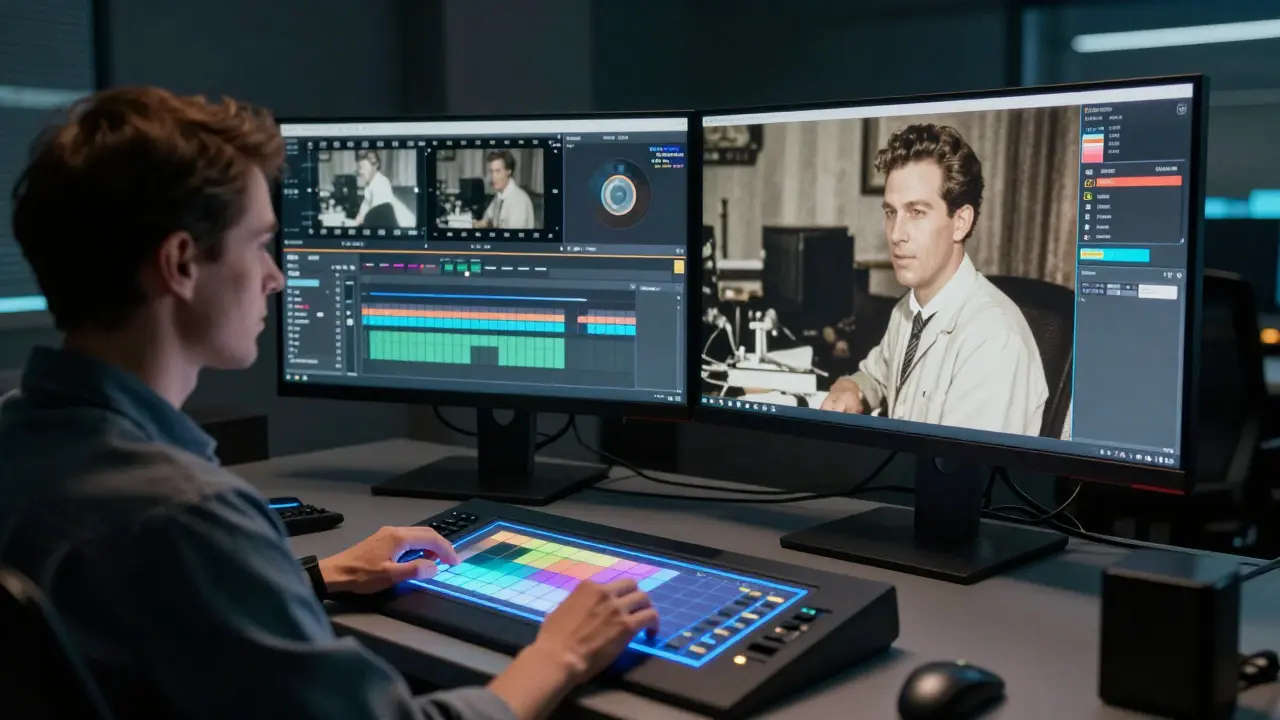
In contrast, Technical Restorations are quality-driven updates that focus on enhancing the visual and audio fidelity of the film using modern technology. These are less about the date and more about the format. Examples include 4K Digital Remasters, IMAX conversions, or Dolby Atmos sound mixes. These releases target cinephiles and tech enthusiasts who care about image clarity and sound immersion. The marketing emphasizes the technical specs rather than the emotional connection to the past.
| Feature | Anniversary Edition | Technical Restoration |
|---|---|---|
| Primary Driver | Nostalgia / Milestone Date | Visual/Audio Quality Upgrade |
| Target Audience | Original viewers (30+ years old) | Cinephiles / Tech Enthusiasts |
| Marketing Focus | Emotional storytelling, social media | Specs, formats (IMAX, 4K), critical acclaim |
| Cost Structure | High Marketing, Low Production | Moderate Marketing, High Production (Restoration) |
| Risk Factor | Audience fatigue / Nostalgia burnout | Diminishing returns on quality improvements |
The Role of Modern Formats in Driving Demand
You can’t talk about 2026 re-releases without mentioning the formats. The rise of premium large-format (PLF) screenings like IMAX, Dolby Cinema, and ScreenX has given studios a powerful tool to differentiate re-releases from standard digital projections. For many older films, the jump from 2K to 4K resolution is subtle, but the jump to IMAX is transformative. The larger screen and enhanced aspect ratio make even modestly restored films feel epic.
Distributors now strategically limit PLF screens to ensure exclusivity. By offering an IMAX version only in select metropolitan areas, they create a sense of urgency and prestige. This scarcity drives word-of-mouth marketing. Fans travel to specific cities to see the film in the "best possible way," turning a local screening into a regional event. Additionally, the introduction of immersive audio formats like Dolby Atmos allows for a fresh listening experience. For action-heavy catalog titles, the difference between stereo mix and object-based audio is significant enough to convince long-time fans to buy another ticket.
Another emerging trend is the use of virtual reality (VR) and augmented reality (AR) tie-ins for special anniversary screenings. While still niche, some distributors are experimenting with AR overlays during intermission or pre-show content that adds context about the film’s production. These interactive elements help bridge the generation gap, making the experience appealing to younger audiences who didn’t grow up with the original release.
Strategic Timing and Market Saturation
Timing is everything in the re-release game. Release a film too early after its original theatrical run, and you risk diluting the brand. Release it too late, and the cultural moment may have passed. The sweet spot is usually 10 to 20 years post-release. At this interval, the original audience has established careers and disposable income, while the next generation is old enough to appreciate the cultural significance of the film.
However, 2026 presents a unique challenge: saturation. With so many studios releasing remakes, sequels, and re-releases simultaneously, audiences face choice paralysis. To combat this, distributors must align re-releases with broader cultural trends. For example, if a particular genre is trending on streaming platforms due to a new show or news event, launching a related catalog title can ride that wave of interest. Conversely, avoiding months dominated by major franchise premieres helps prevent competition for screen space and audience attention.
Seasonality also plays a role. Summer is traditionally reserved for blockbusters, but mid-summer weeks with fewer new releases are prime targets for re-releases. Similarly, the holiday season offers opportunities for family-friendly catalog titles. Distributors monitor box office data weekly to identify gaps in the schedule where a re-release can thrive without being overshadowed by bigger names.
Marketing to Two Generations
The biggest hurdle in marketing re-releases is addressing two distinct demographics: the nostalgic original audience and the curious younger generation. Traditional advertising fails to reach both groups effectively. That’s why modern re-release campaigns are multi-channel and segmented.
For the original audience, direct mail, email newsletters, and targeted social media ads on Facebook and LinkedIn work well. These channels allow for detailed storytelling about the film’s legacy and behind-the-scenes anecdotes. For the younger demographic, TikTok and Instagram Reels are essential. Short-form video clips highlighting iconic scenes, memes, or hidden easter eggs generate organic engagement. Influencer partnerships with film critics and pop-culture commentators help validate the film’s relevance to today’s standards.
Cross-promotion with streaming platforms is another key tactic. Since most catalog films are available on major streaming services, distributors coordinate with these platforms to feature the re-release prominently on their homepages. This creates a seamless funnel: viewers see the trailer on their streaming service, get excited, and decide to watch it in theaters for the premium experience before settling back into their couch-bound habits.

Pitfalls to Avoid in Re-Release Strategy
Despite the financial upside, re-releases can flop if executed poorly. One common mistake is over-saturation. If a studio releases three catalog titles in the same month, they compete against each other for audience attention. Spacing out releases ensures each film gets its own spotlight. Another pitfall is neglecting the technical quality. Audiences are more discerning than ever. If a 4K restoration looks soft or the audio is out of sync, word spreads quickly online, killing the buzz before it starts.
Finally, ignoring the competitive landscape is dangerous. If a re-release coincides with a highly anticipated new film from a rival studio, the re-release may struggle to secure good showtimes. Distributors must maintain open lines of communication with theater chains to negotiate favorable slotting. Theater managers prioritize films with proven demand, so providing accurate projection models based on historical data is crucial for securing prime evening slots.
Frequently Asked Questions
What is the average lifespan of a catalog film re-release?
Most successful re-releases run for 2 to 4 weeks. Limited engagements in major cities may last longer if demand persists, but the initial weekend is the critical indicator of success. If a film doesn't perform above its projected baseline in the first week, it is often pulled from smaller markets.
Do re-releases hurt streaming numbers?
Generally, no. In fact, re-releases often boost streaming views. The theatrical experience acts as a marketing tool that reminds subscribers the film exists and encourages them to watch it again at home. Data shows a correlation between strong theatrical performance and increased concurrent streaming sessions in the following weeks.
Which genres perform best in re-releases?
Action, sci-fi, and horror tend to perform best because they benefit most from modern audio-visual upgrades. Family films also do well during holiday seasons. Drama and romance re-releases are riskier unless they have a strong cultural landmark status, such as winning major awards or having a famous director attached.
How much does it cost to restore a film for a re-release?
Costs vary widely depending on the length and condition of the source material. A basic 4K digital remaster might cost $50,000 to $150,000. A full restoration involving frame-by-frame cleaning, color correction, and new sound mixing can range from $500,000 to over $2 million for high-profile titles.
Is there a limit to how many times a film can be re-released?
There is no hard limit, but diminishing returns set in. Most films have one or two major re-release windows. After that, the novelty wears off. However, with new formats emerging every few years, a film could theoretically be re-released again if a new technology offers a significantly different viewing experience.