
Most indie films die in the development phase. Not because the script is bad, but because nobody believes it can make money back. But what happens when a mid-budget thriller, with no A-list stars and no big studio backing, manages to lock in €1.2 million in pre-sales before shooting even starts? That’s exactly what happened with Shadow Protocol, a fictionalized composite based on real-world deals from 2024-2025 that illustrate how modern indie financing works across borders.
This isn’t just a story about luck. It’s a blueprint. If you’re a producer, writer, or distributor trying to figure out how to fund your next project without selling your soul to a major studio, this breakdown shows you the exact sequence of moves that made it possible. We’ll look at the structure, the players, and the risks involved. More importantly, we’ll show you how to replicate the logic behind those deals for your own projects.
The Core Problem: Bridging the Gap Between Script and Screen
In traditional Hollywood, studios finance films because they control distribution. In the indie world, especially in Europe, the landscape is fragmented. You have producers who need cash upfront to hire crew and secure locations. You have broadcasters who want to see a finished product or at least a locked script and attached talent before committing. And you have investors who are wary of risk unless there’s a clear exit strategy.
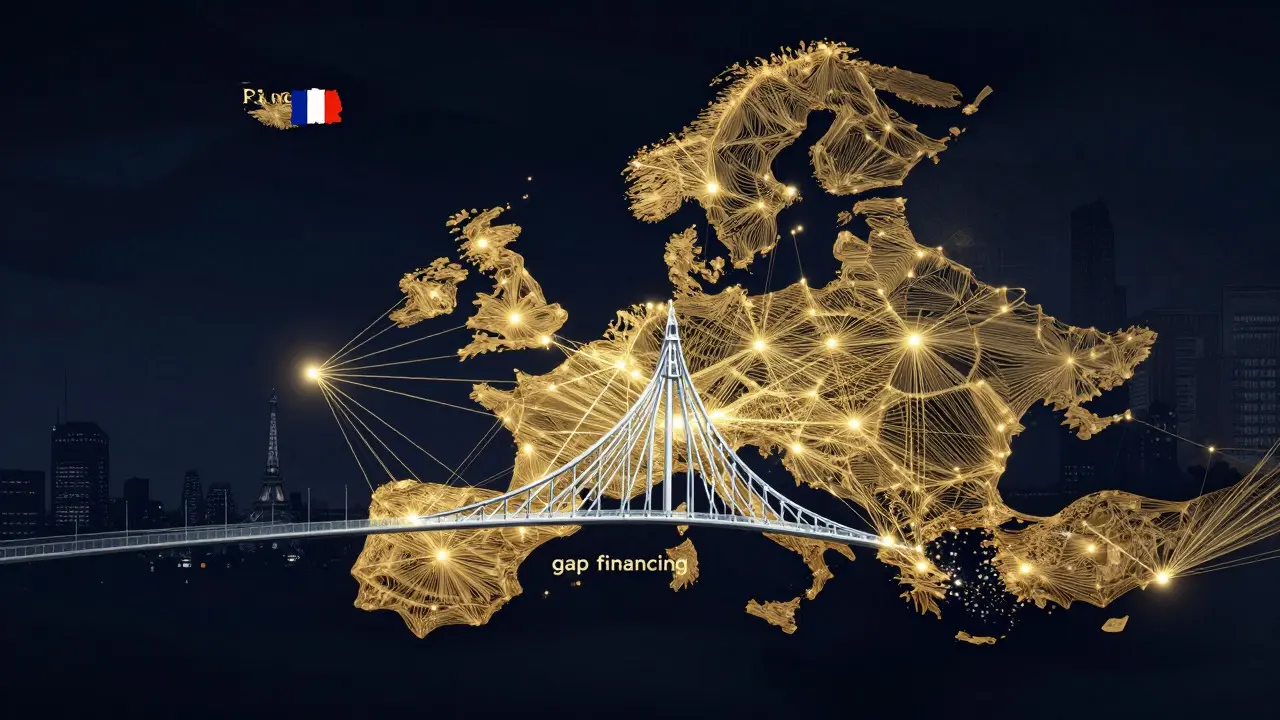
Gap Financing is the specific type of debt or equity raised to cover the difference between secured funding (like grants or early presales) and the total production budget. For Shadow Protocol, the team had a script and a strong director, but only €300,000 from local regional funds. They needed another €900,000 to reach their €1.2 million target. The challenge wasn’t just finding money; it was finding the *right* kind of money in the right order.
Step One: Securing the International Sales Agent
Before any bank would lend a dime, the producers needed proof of demand. In the European market, that proof comes in the form of an International Sales Agent is a specialized firm that markets and sells distribution rights for films to broadcasters and streamers in different territories. These agents don’t just sell films; they validate them. If a reputable agent agrees to represent a project, it signals to financiers that the film has commercial viability.
The team behind Shadow Protocol spent three months pitching at the European Film Market (EFM) in Berlin. They didn’t go with a finished cut-they went with a polished pitch deck, a trailer built from previous work by the director, and letters of intent from two key cast members. The breakthrough came when a mid-tier German sales agency agreed to handle rights for DACH (Germany, Austria, Switzerland) and Benelux regions. This single contract unlocked access to larger financial instruments.
Step Two: Leveraging Public-Private Co-Production Funds
Once the sales agent was in place, the producers turned to co-production treaties. Europe has a complex web of bilateral agreements that allow films to count toward quota requirements in multiple countries if they meet certain criteria (like having crew or crew costs from both nations).
Co-Production Treaties are agreements between national film commissions that enable shared funding and tax incentives for collaborative productions. By structuring Shadow Protocol as a French-German-British co-production, the team accessed three separate pools of money:
- Franco-German Fund (Cinéma du Réveil): Provided a grant of €150,000, contingent on hiring 60% of the technical crew from France and Germany.
- British Film Institute (BFI) International Sales Fund: Offered a loan of £100,000, repayable from UK box office receipts.
- German Federal Funding (DFFF): Contributed €200,000, requiring the final print to be delivered to German archives within six months of completion.
This layering of public funds reduced the amount of private capital needed. It also added credibility. When you walk into a private investor meeting with €450,000 already committed by government bodies, the risk profile changes dramatically.
Step Three: Structuring the Private Equity Round
With public funds secured, the remaining gap was €450,000. This is where the deal got tricky. Traditional banks rarely lend against film scripts. Instead, the producers used a hybrid model combining Equity Crowdfunding is a method of raising capital from a large number of individual investors via online platforms, often offering shares or perks in return. and strategic private investors.
They launched a campaign on a platform like SeedInvest (hypothetically, as many EU platforms operate under specific regulations). The goal wasn’t just to raise cash; it was to build a community. Early backers received digital posters, naming rights in the credits, and exclusive access to the premiere. This created a marketing engine before the film was even shot. Simultaneously, they approached two family offices with interests in media assets. These investors provided €300,000 in exchange for 15% equity and a first-look option on future projects from the same director.
| Source Type | Entity/Instrument | Amount (EUR) | Key Condition |
|---|---|---|---|
| Public Grant | Franco-German Fund | 150,000 | Crew nationality ratio |
| Public Loan | BFI International Sales Fund | 120,000 | Repayable from UK revenues |
| Public Grant | DFFF (Germany) | 200,000 | Archive delivery deadline |
| Private Equity | Family Offices | 300,000 | 15% equity + first-look |
| Crowdfunding | SeedInvest Campaign | 80,000 | Perks & Credit Naming |
| Presale Commitment | Sales Agent (DACH/Benelux) | 150,000 | Payable upon delivery |
The Role of the Sales Agent in Closing Deals
It’s easy to underestimate the power of a good sales agent. In this case, the agent didn’t just sell the film; they structured the financing. They knew which broadcasters were looking for thrillers in Q3 2025. They negotiated advance payments against future revenue, effectively turning potential income into current cash flow. This is known as Advance Against Royalties is a payment made by a buyer to a seller before the sale is completed, usually deducted from future earnings.
The agent secured a €150,000 advance from a Scandinavian streaming service for Nordic rights. This money wasn’t due until the film was delivered, but it counted toward the budget because the contract was signed. Financiers accepted this “paper money” because the buyer was reputable. This technique is crucial in indie financing-it allows you to bridge gaps using future commitments rather than existing cash.

Risks and Pitfalls to Avoid
Not every presale deal goes smoothly. Here are the three biggest risks that could have derailed this project:
- Talent Disputes: If a lead actor drops out after signing, presales can be voided. The team mitigated this by securing full buyouts for their principal cast early on.
- Regulatory Changes: Tax incentive rules change frequently. The team hired a specialist legal counsel to ensure their co-production structure remained compliant throughout the 18-month production cycle.
- Market Shifts: Streaming services change their content strategies rapidly. The agent maintained relationships with five different buyers to ensure that if one pulled out, another could step in.
Another common mistake is over-relying on a single territory. If Shadow Protocol had only sold rights in Germany, the entire financing structure would have been fragile. By diversifying across DACH, Benelux, and Nordics, they spread the risk.
How to Replicate This Strategy for Your Project
You don’t need a thriller to use this model. Whether you’re making a documentary, a drama, or a comedy, the underlying logic remains the same. Start by identifying your strongest asset-usually the director or the star-and build your pitch around that. Then, map out the geographic territories where your genre performs well. Use co-production treaties to multiply your funding sources. Finally, bring in a sales agent early, not late. The earlier you have a credible agent, the easier it is to attract private equity and public grants.
Remember, financing is not just about money. It’s about building a coalition of stakeholders who believe in the project. Each piece of funding brings its own set of obligations and benefits. Your job as a producer is to balance these forces so that the creative vision stays intact while the numbers add up.
Frequently Asked Questions
What is the minimum budget required to pursue European presales?
There is no strict minimum, but most international sales agents focus on projects with budgets between €500,000 and €5 million. Below €500,000, the transaction costs of selling may outweigh the profits, making it less attractive for agents. However, micro-budget films can still find success through niche distributors or direct-to-streamer deals.
How long does it take to secure presales before production?
Typically, it takes 6 to 12 months to secure meaningful presales. This involves attending major markets like Cannes, Berlin, or Toronto, negotiating contracts, and getting legal approval. Starting this process during the script development phase is ideal to avoid delaying production.
Do I need a finished trailer to get presales?
No, but you need compelling visual materials. A high-quality pitch deck, concept art, and a sizzle reel from the director’s previous work are sufficient. Buyers are investing in the team and the concept, not just the footage. However, having a short teaser can significantly increase your chances of closing deals faster.
What percentage of the budget should come from presales?
Aim for 20% to 30% of your total budget from presales. This provides a safety net without making the project entirely dependent on future revenue. The rest should be covered by grants, tax incentives, and private equity to ensure cash flow stability during production.
Can independent producers negotiate directly with streamers?
Yes, but it’s challenging. Streamers prefer working with established sales agents who understand their internal processes and reporting structures. However, for very unique properties, direct deals are possible. It’s generally safer to work through an agent who can navigate the legal and financial complexities of international licensing.





Comments(5)