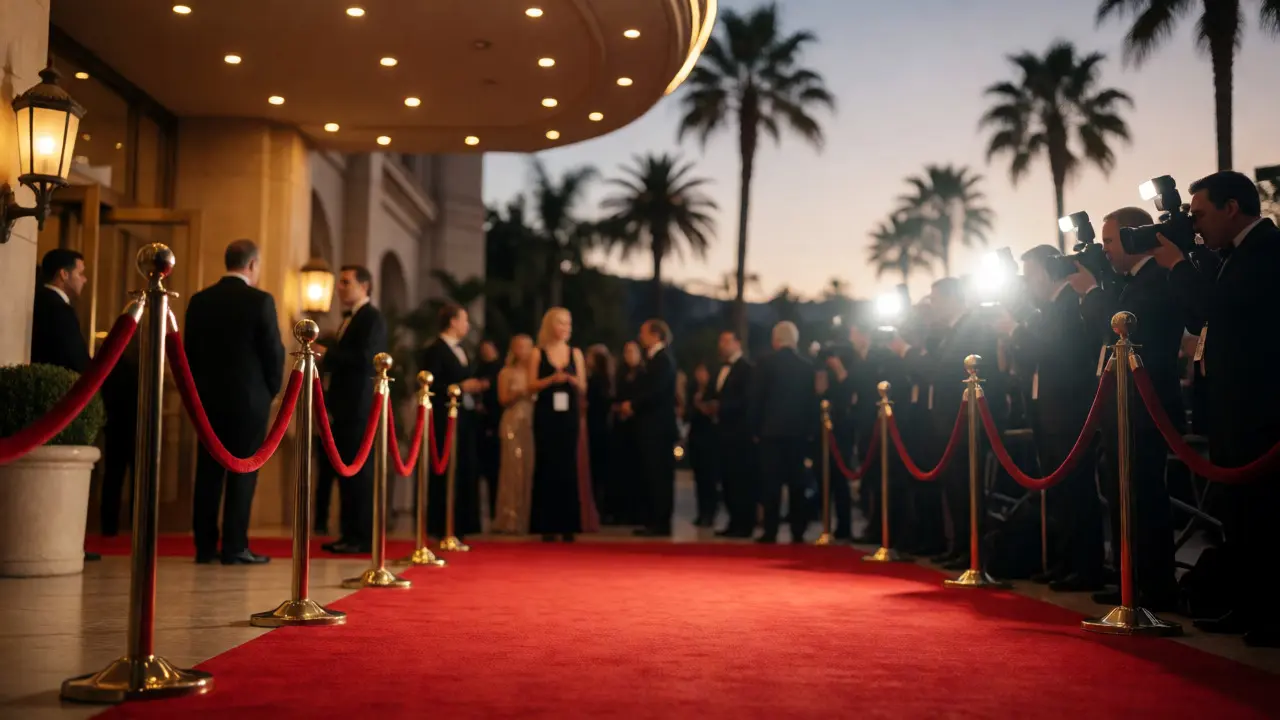
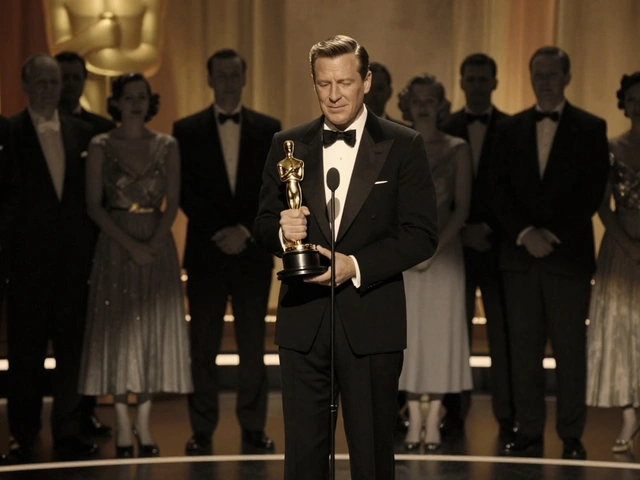
You see the gold statue. You hear the speech. What you don't see is the seven-figure wire transfer that made it happen. Winning an Oscar isn't just about critical acclaim or box office numbers anymore. It’s a high-stakes marketing war where money buys visibility, and visibility buys votes. If you think a studio drops $50 million on production and calls it a day, you’re missing half the story. The real battle for Best Picture starts months before the ceremony, fueled by massive campaign budgets.
The Real Cost of a Gold Ticket
Let’s cut through the noise. A typical major studio push for an Academy Award contender now ranges between $15 million and $30 million. That’s not a typo. For smaller indie distributors like A24 or Neon, the number might look lower-maybe $5 million to $8 million-but their efficiency per dollar is often higher because they target specific voter niches rather than buying broad billboard space in Los Angeles.
Where does this cash go? It’s not all champagne parties. The bulk goes to three buckets: advertising, events, and consultant fees. Studios buy full-page ads in trade publications like Variety and The Hollywood Reporter. They rent out theaters for exclusive screenings. They fly directors and actors around the world for festivals. And they hire publicists who know exactly which voting member needs a personal phone call at 9 PM on a Tuesday.
Who Pays for the Party?
This is the part most people get wrong. The actor doesn’t pay for their own campaign. The director doesn’t fund the dinner. The studio does. But here’s the twist: if the movie flops commercially, the studio might pull funding early. Conversely, if a film becomes a sleeper hit, the studio doubles down. Think of Parasite in 2020. Its distributor, Neon, spent aggressively after the Cannes win, turning a foreign-language film into a mainstream American conversation. Their spend wasn’t just about showing the movie; it was about framing the narrative.
Independent films face a different reality. Without a big studio bankroll, they rely on co-distributors and aggressive festival runs. Sundance or Toronto International Film Festival (TIFF) buzz can substitute for millions in ad spend. A standing ovation at TIFF generates free press that no billboard can buy. But even then, someone has to pay for the hotel rooms and the flights. That’s usually the producer or a dedicated campaign fund set up specifically for awards eligibility.
| Film Category | Typical Budget Range | Primary Spend Focus | Voter Targeting Strategy |
|---|---|---|---|
| Major Studio Blockbuster | $20M - $35M | Broad Advertising & TV Spots | Mass Awareness across all branches |
| Prestige Drama (Studio) | $15M - $25M | Trade Ads & Exclusive Screenings | Actor/Director Branches & Critics |
| Indie Distributor (A24/Neon) | $5M - $10M | Niche Events & Social Media | Influential Voters & Festivals |
| Documentary Feature | $1M - $3M | Festival Presence & Q&As | Doc Branch Members Only |
Advertising: Buying Attention in a Noisy Room
Remember those "For Your Consideration" billboards on Sunset Boulevard? They cost tens of thousands of dollars each month. Why bother when everyone scrolls Instagram? Because voters are old-school. Many Academy members still read physical trades. Full-page ads featuring glowing quotes from critics remain a staple. But digital is catching up fast. Studios now run targeted YouTube pre-rolls and sponsored social posts aimed specifically at demographics matching the Academy’s age and profession mix.
It’s not just about being seen; it’s about being remembered. With hundreds of eligible films, how do you make sure a voter remembers your lead actress? You surround them with her face. Ads appear in elevators at screening venues, on lanyards at festivals, and in email newsletters sent directly to industry professionals. This saturation creates a familiarity effect. When the ballot arrives, the name feels familiar, and familiarity breeds trust.

Events and Parties: The Hidden Lobbying Tool
If advertising builds awareness, events build relationships. The infamous "Oscar Bait" parties aren’t just fun nights out; they are networking hubs. Studios host dinners where nominees mingle with voting members. These aren’t open invites. They are curated guest lists designed to maximize interaction between talent and key influencers within specific branches (like the Actors Branch or Directors Branch).
Consider the cost of a single high-end event in Los Angeles during awards season. Venue rental, catering, staff, security, and entertainment can easily hit $50,000 to $100,000 per night. Multiply that by ten events across different cities-New York, London, Toronto-and you’ve burned through a significant chunk of the budget before the first vote is cast. But these interactions matter. A handshake with a voter who hasn’t seen the film yet can prompt them to watch it that weekend.
The Role of Consultants and Publicists
You wouldn’t launch a product without a PR team, right? Same logic applies here. Studios hire specialized awards consultants who understand the intricate rules of the Academy. These experts know which films are vulnerable, which narratives are gaining traction, and when to pivot strategies. Fees for top-tier consultants can range from $50,000 to over $200,000 for the entire season.
They manage the crisis too. If a nominee makes a controversial comment, the consultant spins it. If a rival film gets bad reviews, the consultant highlights your strengths. It’s a game of perception management. One well-timed interview can shift momentum more effectively than a million-dollar ad buy. These pros also handle the logistics of sending out DVD/Blu-ray packages and digital links, ensuring every eligible voter receives the content in time to watch.

Do Money and Votes Actually Correlate?
Here’s the uncomfortable truth: spending money doesn’t guarantee a win. La La Land spent heavily but lost Best Picture to Moonlight, which had a fraction of the budget. However, lack of spending almost always guarantees obscurity. You cannot win what people haven’t seen.
Data suggests a strong correlation between spend and nominations, especially in technical categories. In acting categories, star power often outweighs pure spend-a big-name actor brings free media coverage. But for lesser-known performances, the campaign lift is crucial. A study by Gold Derby analysts noted that films with consistent mid-season ad presence were 40% more likely to secure nominations than those who waited until December to start pushing.
How to Spot a Strong Campaign
Want to predict winners? Look at the signs. Are the trade ads consistent? Is the cast doing relentless press junkets? Are there multiple exclusive screenings in major markets? If yes, the studio is betting big. Conversely, if a critically acclaimed film disappears from the news cycle in January, its chances drop sharply. Momentum is everything. A stalled campaign looks like a weak film, regardless of quality.
Also, watch for "swing" campaigns. Sometimes studios save their biggest push for February, right before voting closes. This late surge aims to sway undecided voters who have already formed opinions based on earlier narratives. It’s a risky move-if the film is forgotten, it’s hard to revive interest overnight. But if done right, it capitalizes on recency bias.
The Future of Awards Marketing
Awards season is changing. Streaming platforms like Netflix and Apple TV+ have disrupted traditional models. Netflix famously spent nearly $100 million promoting Roma and other titles, leveraging data analytics to target voters digitally. They don’t need billboards; they need clicks.
As younger voters join the Academy, the tactics will shift further toward social media engagement and online accessibility. Physical DVDs are dying out. Digital viewing platforms allow studios to track who watches what, giving them precise data on voter behavior. The future of winning awards isn’t just about charm; it’s about algorithmic precision and strategic storytelling.
How much does it cost to campaign for an Oscar?
For a major studio film, the average campaign budget ranges from $15 million to $30 million. Independent films typically spend between $5 million and $10 million. Documentaries usually operate on tighter budgets of $1 million to $3 million. These figures cover advertising, events, travel, and consultant fees.
Who pays for the awards campaign?
The film’s distributor or studio pays for the campaign. This includes major studios like Warner Bros. or Universal, as well as independent distributors like A24 or Neon. Producers may contribute additional funds if the studio budget is insufficient, but the primary financial burden lies with the entity releasing the film.
Does spending more money guarantee an award win?
No. While high spending increases visibility and nomination chances, it does not guarantee a win. Factors like critical reception, cultural relevance, and voter sentiment play huge roles. For example, low-budget films like 'Moonlight' have beaten high-spending contenders in major categories.
What are the main expenses in an awards campaign?
The largest expenses include print and digital advertising in trade publications, hosting exclusive screenings and parties, hiring publicists and consultants, and covering travel accommodations for cast and crew. Sending physical or digital copies of the film to voters also incurs logistical costs.
How do streaming services change campaign budgets?
Streaming services like Netflix and Apple TV+ often use larger budgets but allocate them differently. They focus less on physical billboards and more on digital targeting, social media ads, and global promotional tours. Their ability to instantly provide access to films reduces some logistical costs but increases competition for viewer attention.




Comments(5)