You show up on set, grab your coffee, and check your phone. The Call Sheet is the daily blueprint for a film crew that lists call times, locations, cast, and scenes scheduled for the day. If it’s wrong, you’re late. If it’s missing, you’re confused. If the next day’s paperwork-the Production Report is a detailed record of what actually happened on set, including hours worked, scenes completed, and budget variances.-isn’t filed, the accountant quits, and the producer has a panic attack.
These two documents are the heartbeat of any professional shoot. They aren’t just bureaucratic hurdles; they are the tools that keep chaos at bay. Whether you are working on a indie short in Asheville or a commercial in Atlanta, mastering these documents separates the pros from the amateurs. Let’s look at how to use them effectively so you can focus on making art, not fixing administrative disasters.
The Anatomy of a Perfect Call Sheet
A call sheet is not an invitation; it is an instruction manual for the day. It usually goes out by 4:00 PM the day before the shoot. If you send it later, you lose trust. A standard call sheet contains specific sections that everyone relies on.
- Header Information: This includes the production title, episode number (if applicable), date, and the name of the unit production manager (UPM) or first assistant director (1st AD). It also lists the contact numbers for key department heads.
- Weather Forecast: Don’t guess. Include the predicted weather for the location. If rain is expected, note if there are contingency plans or if the shoot will move indoors.
- Crew Call Times: List the exact time every department needs to arrive. G&E (Generators and Equipment) might call at 6:00 AM, while actors call at 9:00 AM. Clarity here prevents early arrivals and costly overtime.
- Cast Grid: A table showing which actors are needed for which scenes. Mark who needs hair and makeup (HMU) and who needs wardrobe changes. This helps the HMU team prioritize their workflow.
- Scene Breakdown: List the scenes to be shot in order, not script order. Include the page count, whether it’s day or night, interior or exterior, and any special requirements like stunts or props.
- Location Details: Provide the address, parking instructions, and a map link. If the location is hard to find, add a photo or landmark description.
The goal is zero ambiguity. When a grip looks at the call sheet, they should know exactly what gear to load and when to start the truck. When an actor reads it, they should know which costume to bring. Ambiguity costs money.
Why Production Reports Are Non-Negotiable
While the call sheet plans the day, the Production Report captures the factual history of the shoot day, used for payroll, legal compliance, and future scheduling adjustments. It is often called the "daily report" or "prod rep." You fill this out after the wrap party, when your brain is tired, but you must do it accurately.
This document serves three critical masters: the accounting department, the legal team, and the post-production editors.
- Paying People: Accounting uses the prod rep to calculate overtime. If the call sheet said wrap was at 8:00 PM but you wrapped at 10:30 PM, the prod rep records that extra time. Without this, you cannot pay the crew correctly, leading to disputes and bad reputations.
- Legal Protection: If a minor is on set, or if there are dangerous stunts, the prod rep logs the safety measures taken and the hours worked. In case of an accident or audit, this paper trail proves you followed labor laws and safety protocols.
- Scheduling Reality Check: Did you plan to shoot ten pages but only got five? The prod rep highlights this gap. The scheduler uses this data to adjust the remaining days. If you don’t report the variance, you’ll fall behind without realizing it until it’s too late.
Think of the production report as the truth serum for your project. It strips away the optimism of the morning and shows the raw reality of the day’s efficiency.
The Workflow: From Call Sheet to Prod Rep
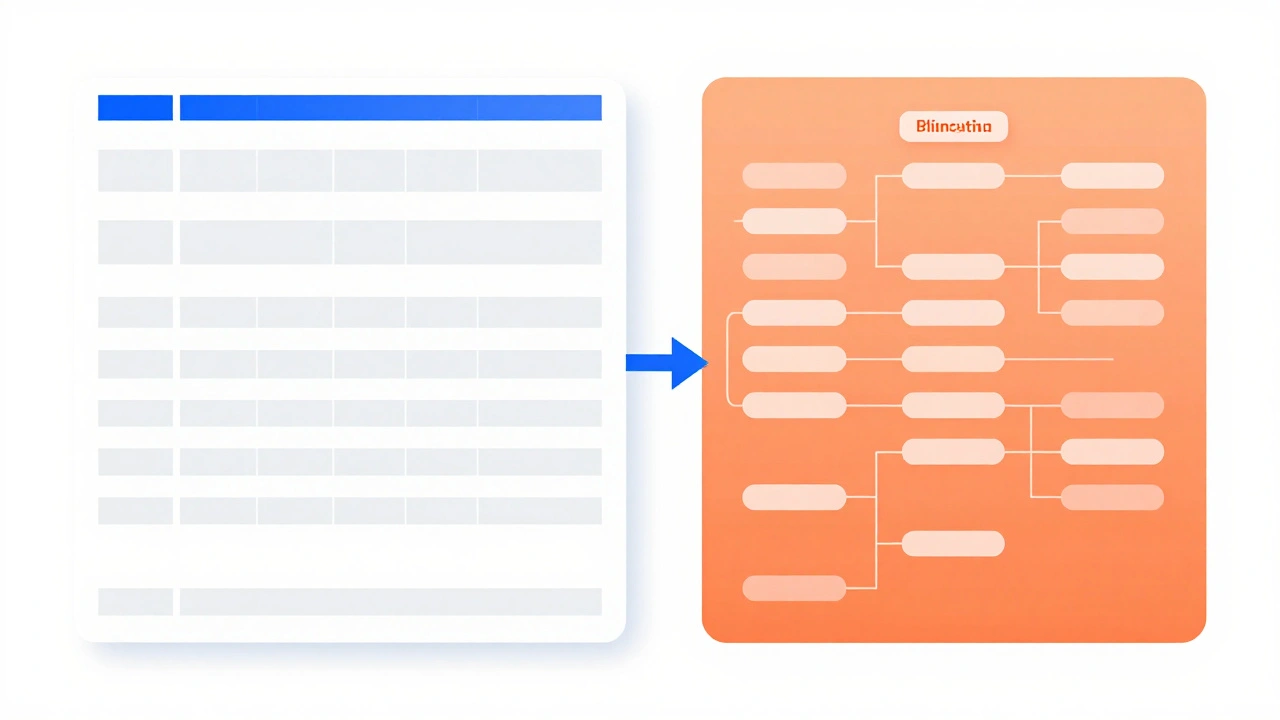
The magic happens in the transition between these two documents. They are not isolated tasks; they are part of a continuous loop of planning and feedback.
Start with the Shooting Schedule is a master timeline that breaks down the entire script into manageable blocks based on location, cast availability, and budget constraints.. The 1st AD and UPM break this down into daily call sheets. As the day progresses, the 2nd AD tracks the actual progress against the planned schedule. At wrap, the 1st AD compiles the final data into the production report.
Here is where many productions fail: they treat the prod rep as an afterthought. Instead, make it a priority. Review the draft prod rep with the UPM before sending it to accounting. Check the overtime calculations. Verify the scene counts. If you spot a discrepancy now, you can fix it before it becomes a payroll nightmare.
Also, share the prod rep insights with the scheduling team immediately. If Day 1 fell behind due to technical issues, Day 2’s call sheet needs to reflect that adjustment. Maybe you drop a complex scene or add more crew members. The call sheet for the next day should be informed by the lessons of the previous day’s report.
Common Mistakes to Avoid
Even experienced professionals slip up. Here are the most frequent errors that cause headaches on set.
- Vague Call Times: Writing "Crew Call: 7:00 AM" is bad. Specify "Grip/Electric Call: 6:00 AM," "Camera Call: 7:30 AM," "Actor Call: 9:00 AM." Different departments have different prep times.
- Missing Contact Info: Ensure the call sheet has the cell numbers for the 1st AD, UPM, and Key PA. If someone gets lost, they need to know who to call immediately.
- Inconsistent Scene Numbering: Use the same scene numbering system throughout the call sheet and prod rep. If you switch from "Scene 1A" to "Sc 1-A," it confuses the editor and the continuity supervisor.
- Ignoring Weather: If you ignore the forecast and don’t prepare for rain, you’ll lose half the day setting up covers. Always include a weather section and a backup plan.
- Failing to Log Overtime: On the prod rep, clearly mark when overtime started. Was it 8 hours straight? Or did you have a meal penalty? Specificity prevents payment disputes.
Another subtle mistake is neglecting the "Notes" section. Use it to communicate important updates, like a change in parking location or a new safety rule. These small details prevent big problems.
Tools and Technology
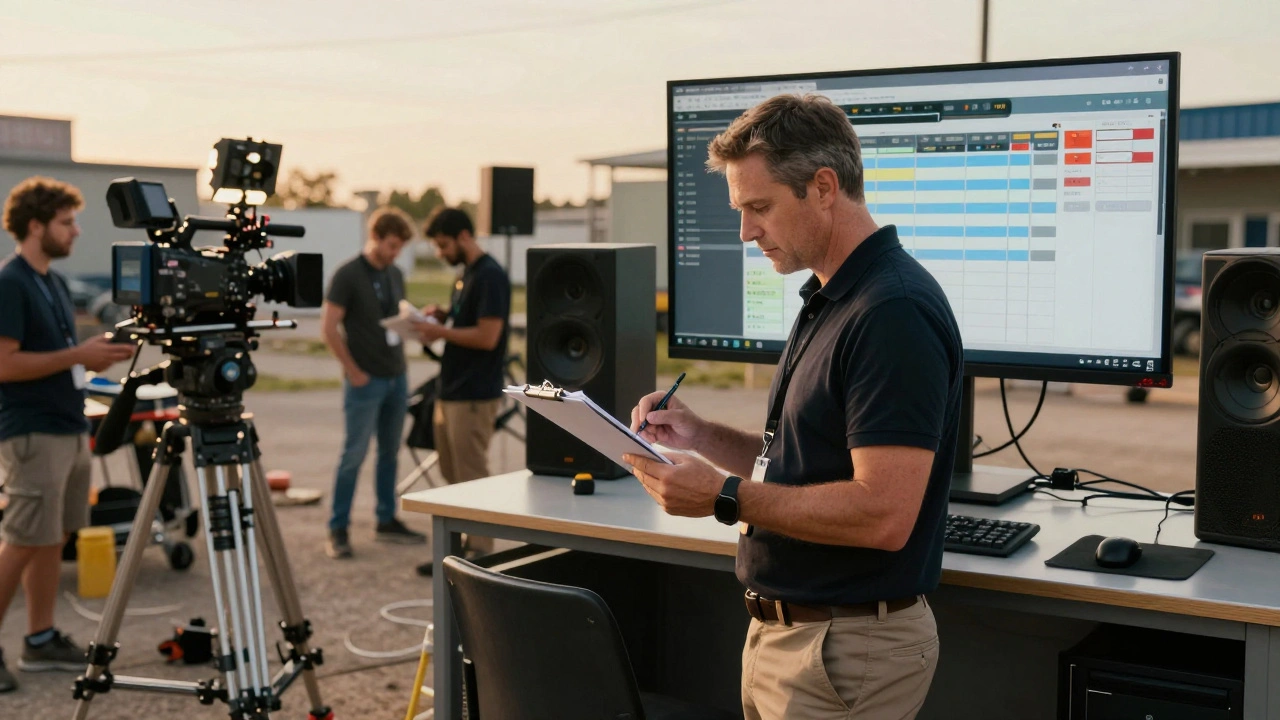
Gone are the days of typing call sheets in Word and emailing PDFs. Modern productions use specialized software that integrates call sheets and production reports.
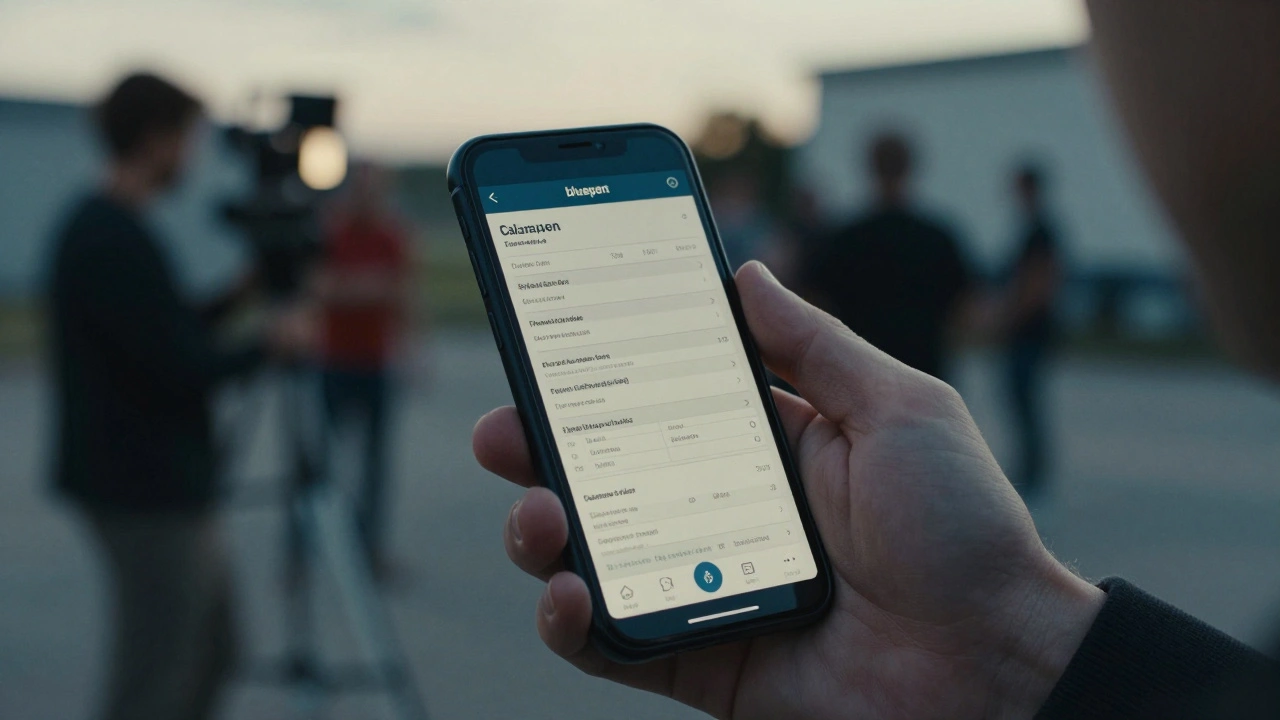
Platforms like Movie Magic Scheduling is industry-standard software used by major studios to create complex shooting schedules and generate automated call sheets. and StudioBinder is a cloud-based production platform that allows teams to collaborate on call sheets, scripts, and reports in real-time. streamline the process. They allow you to update the schedule once, and the call sheet auto-generates. They also sync with mobile apps, so crew members can access the latest version on their phones instantly.
For smaller budgets, even shared Google Docs or spreadsheets can work, provided you have a strict naming convention and version control. But avoid using text messages or group chats for official call sheets. Those get buried in notifications. A dedicated document ensures everyone has the same information.
When choosing a tool, consider ease of use for your crew. If the app is too complicated, people won’t use it. Simplicity wins. Make sure the tool allows easy export of production reports for accounting purposes.
| Feature | Call Sheet | Production Report |
|---|---|---|
| Purpose | Plan the upcoming day | Record the past day |
| Timing | Issued day before shoot | Filed day of shoot |
| Key Audience | Crew, Cast, Departments | Accounting, Legal, Post-Production |
| Primary Data | Call times, locations, scenes | Hours worked, scenes completed, OT |
| Impact of Error | Delays, confusion, missed calls | Payroll issues, legal risks, budget overruns |
Best Practices for Set Managers
If you are responsible for creating these documents, adopt these habits to build credibility and efficiency.
First, double-check everything. A single typo in a zip code can send a truck driver to the wrong side of town. Second, communicate changes immediately. If the director decides to reshuffle the shooting order, update the call sheet and notify the crew via text or app alert, then send the revised document. Third, keep historical data. Save all past production reports. They are invaluable for estimating timelines for future projects. Knowing that a similar scene took four hours last time helps you schedule better today.
Finally, respect the crew’s time. Accurate call sheets mean crew members don’t wait around unnecessarily. Efficient production reports mean they get paid correctly and quickly. When you handle the paperwork well, you earn the crew’s trust, which makes the entire shoot smoother.
Who is responsible for creating the call sheet?
Typically, the First Assistant Director (1st AD) creates the call sheet in collaboration with the Unit Production Manager (UPM). The 1st AD determines the shooting order and timing, while the UPM ensures logistical feasibility and budget alignment. On smaller sets, the producer or director may handle this task.
How long does it take to file a production report?
It should take no more than 30-45 minutes if you track data throughout the day. Delaying until the end of the night leads to memory lapses and errors. Use digital tools to log scenes and hours in real-time to speed up the process.
Can I use a free template for call sheets?
Yes, many free templates are available online for Word or Excel. However, ensure they include all essential fields like weather, contact info, and scene breakdowns. For recurring productions, investing in dedicated software saves time and reduces errors in the long run.
What should I do if the call sheet is wrong?
Notify the 1st AD or UPM immediately upon discovering the error. Do not assume others have noticed. Request a corrected call sheet and distribute it to the affected parties. Document the error in the production report to help prevent recurrence.
Why is the weather forecast important on a call sheet?
Weather impacts lighting, sound, and safety. Knowing the forecast allows departments to prepare appropriate equipment (like rain covers or wind machines) and dress appropriately. It also helps the director decide whether to shoot outdoor scenes first or delay them.