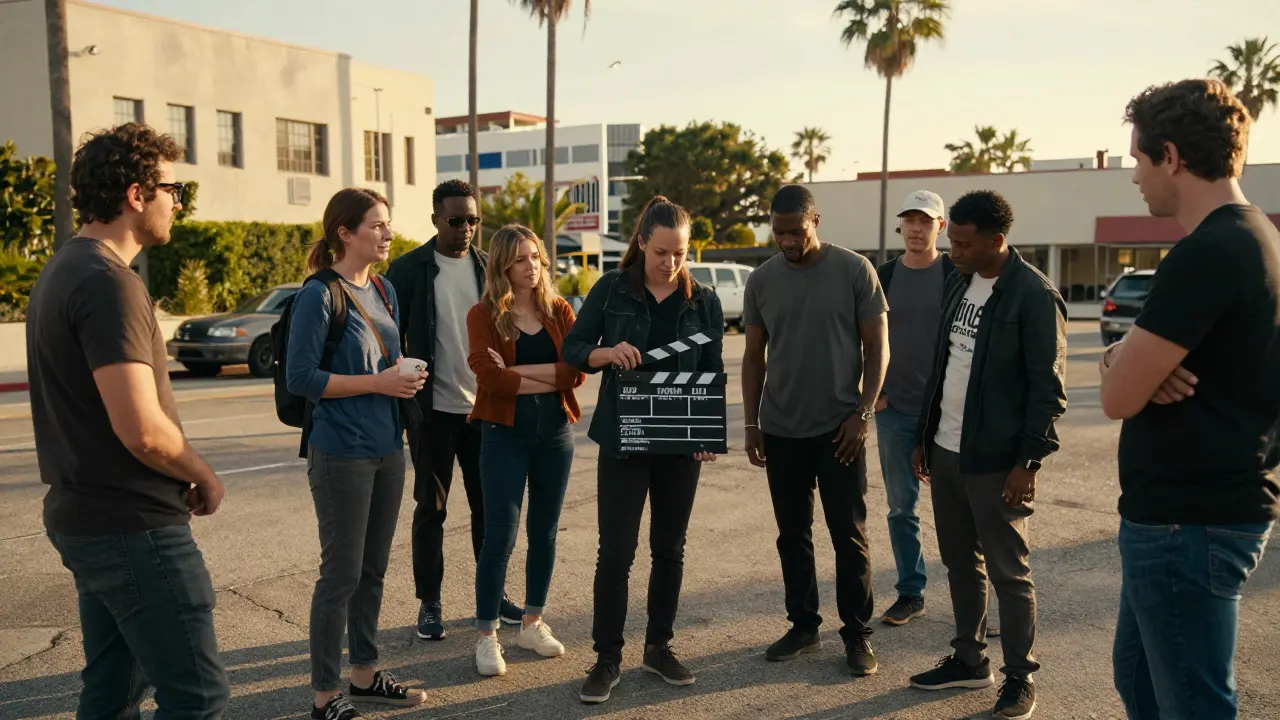
Walk into any major theater chain in the U.S. today, and you’ll see a different landscape than even five years ago. Racial diversity in film is no longer just a talking point at award shows; it’s a measurable shift in who gets cast, who writes the script, and who holds the budget pen. Yet for every record-breaking hit featuring a non-white lead, there’s still a long tail of projects where minority voices are sidelined or tokenized. The tension between genuine progress and stubborn structural barriers defines the current state of cinema. Understanding this duality requires looking beyond headlines to the data, the pipelines, and the economic realities that drive decisions in Los Angeles and beyond.
The Numbers Behind the Narrative
To understand where we stand, we have to look at the hard data rather than anecdotal evidence. The Academy of Motion Picture Arts and Sciences has been tracking on-screen representation since 2013, providing a baseline that reveals both gains and stagnation. In 2024, approximately 46% of speaking roles in top-grossing films went to white actors, down from 70% in 2013. This is significant, but it also highlights how far the gap remains from true parity.
- Lead Roles: Only about 30% of leading roles in top-100 grossing films were played by people of color in 2025, up from roughly 15% a decade ago.
- Behind the Camera: Directors and producers remain less diverse than actors. Women and people of color hold fewer than 20% of key production roles (director, writer, producer) in high-budget features.
- Genre Disparities: Sci-fi and fantasy genres lag significantly behind dramas and comedies in terms of racial variety, often relying on familiar casting tropes.
These figures suggest that while front-of-camera visibility is improving, the power structures that decide what gets made haven’t kept pace. When the same group of executives greenlights projects, the types of stories told tend to reflect their own experiences and risk appetites.
Economic Drivers vs. Cultural Momentum
A common misconception is that diverse films don’t make money. The data tells a different story. Films with racially diverse casts often outperform those with homogeneous casts in domestic box office returns. A 2025 analysis by PwC found that movies with diverse leads earned an average of $8.9 million more domestically than similar films without them. This isn’t just a moral victory; it’s a financial one.
However, the global market complicates the picture. While domestic audiences are increasingly hungry for authentic representation, international markets-particularly in parts of Asia and Europe-can be unpredictable regarding cross-cultural appeal. Studios sometimes hedge their bets by sticking to “safe” casts for global releases, even if domestic data supports diversity. This creates a conflict where local success doesn’t always translate to global confidence, slowing the pipeline for certain types of stories.

Structural Barriers in the Pipeline
The biggest hurdle isn’t usually the final cut; it’s getting the project off the ground. The development process in Hollywood is notoriously opaque, relying heavily on relationships and referrals. If your network consists mostly of white executives, your ideas rarely reach the decision-makers. This is known as the "pipeline problem."
- Access to Financing: Independent filmmakers from underrepresented groups often struggle to secure initial funding compared to their peers with established industry connections.
- Mentorship Gaps: Fewer senior mentors exist for emerging talent from marginalized backgrounds, limiting opportunities for skill-building and career navigation.
- Casting Bias: Even when diverse scripts are written, casting directors may default to familiar faces, perpetuating cycles of exclusion.
Breaking these cycles requires intentional intervention. Programs like the Black List Project and various studio fellowship initiatives aim to bypass traditional gatekeepers by directly connecting writers and directors with producers. These programs have produced several breakout hits, proving that alternative pathways can work.
The Role of Streaming Platforms
The rise of streaming services has reshaped the landscape in ways that benefit diversity. Platforms like Netflix, Amazon Prime Video, and Hulu operate with lower risk tolerance for single-film failures because they rely on volume. This allows them to take chances on niche stories that might not find a theatrical release.
| Factor | Theatrical Release | Streaming Platform |
|---|---|---|
| Risk Tolerance | Low (High upfront cost) | Medium-High (Volume-based model) |
| Global Reach | Limited by distribution deals | Instant global availability |
| Content Volume | Fewer titles per year | Hundreds of titles per year |
| Discovery Mechanism | Marketing spend driven | Algorithmic recommendation driven |
Streaming algorithms also play a role. If viewers engage with diverse content, the algorithm recommends more of it, creating a feedback loop that can amplify underrepresented voices. However, this depends on initial visibility. If a show never makes it onto the homepage, it may never get the data needed to be recommended widely.

Authenticity vs. Tokenism
Progress isn’t just about numbers; it’s about quality. Audiences are savvy. They can tell the difference between a character who feels fully realized and one who exists only to check a box. Tokenism occurs when diversity is added superficially without changing the narrative structure. For example, a film might feature a Black protagonist but keep all supporting characters white, or write dialogue that feels inauthentic to the culture being represented.
True authenticity comes from hiring consultants, reading scripts by authors from those backgrounds, and allowing cultural nuances to inform the story naturally. When done right, these stories resonate deeply with broad audiences, not just specific demographics. The success of films like Everything Everywhere All at Once and Precious demonstrates that culturally specific stories can achieve universal appeal when crafted with care.
What’s Next for the Industry
The path forward involves continued pressure from audiences, unions, and investors. The Screen Actors Guild-AFTRA and other guilds have begun advocating for greater transparency in hiring practices. Investors are increasingly asking studios about their diversity metrics during quarterly earnings calls, signaling that boardrooms are paying attention.
For creators, the advice is simple: build your own community. Don’t wait for permission. Use social media, short films, and web series to build an audience before approaching major studios. The tools for production are more accessible than ever, and the hunger for new voices is real. The barriers are high, but they’re not immovable. With sustained effort from both inside and outside the industry, the next decade could see racial diversity in film move from a trend to a standard.
Do diverse films actually make more money?
Yes, studies consistently show that films with racially diverse casts tend to earn more domestically. A 2025 PwC report indicated an average increase of $8.9 million in box office revenue for diverse-led films compared to homogeneous ones, though global performance can vary based on regional market preferences.
Why are sci-fi and fantasy genres less diverse?
Sci-fi and fantasy often rely on established franchises or original worlds where casting traditions have historically favored white leads. Additionally, these genres require higher budgets, making studios more risk-averse. However, recent successes like Dune and The Witcher are beginning to challenge these norms.
How do streaming platforms support diversity?
Streaming services allow for higher volume and lower individual risk, enabling them to produce more niche and diverse content. Their global reach also helps distribute stories from different cultures to wider audiences, although algorithmic discovery remains a challenge for smaller productions.
What is the difference between diversity and inclusion?
Diversity refers to the presence of different groups within a team or cast, while inclusion ensures those individuals have equal access to resources, decision-making power, and fair treatment. You can have a diverse set without true inclusion if the underlying power dynamics remain unchanged.
Are there specific programs helping underrepresented filmmakers?
Yes, initiatives like the Black List Project, Sundance Institute labs, and various studio fellowships provide mentorship, financing, and networking opportunities specifically designed to help writers and directors from underrepresented backgrounds break into the industry.






Comments(8)