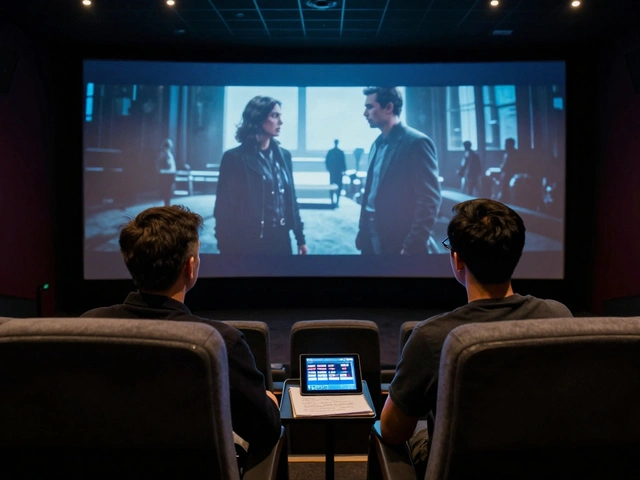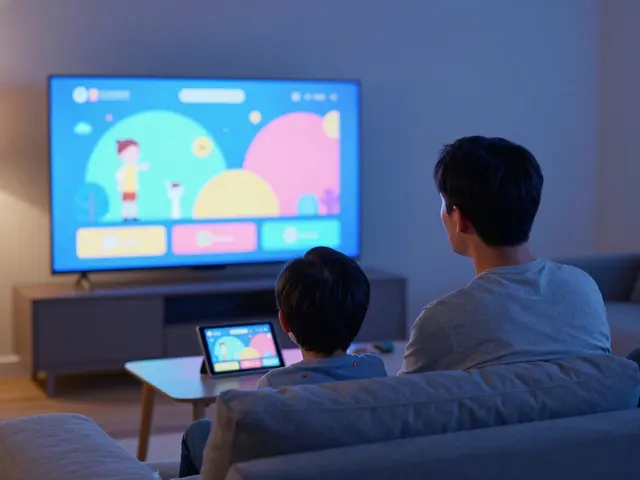
It’s August 2026, and the average American household is making a tough choice every single month. Do you spend $15 on a movie ticket or stick with your $14.99 streaming bundle? This isn't just about preference; it's a direct battle for wallet share that shifts dramatically depending on the season, the release calendar, and economic pressure. Understanding how consumer budgets move between these two formats reveals a clear pattern: audiences aren't abandoning theaters, but they are becoming highly strategic shoppers who treat cinema as an experience and streaming as a utility.
The Core Dynamic: Experience vs. Convenience
To understand the quarterly shifts, we first need to define what each format actually offers the consumer. The theatrical release is no longer just about seeing a film; it is a premium leisure activity. In 2026, the average US ticket price has stabilized around $15.50, often excluding concession costs which can add another $10-$15 per person. Conversely, streaming services have entered a mature phase where prices have risen significantly. A basic ad-supported tier now averages $7.99, while premium tiers sit between $12.99 and $18.99. Most households subscribe to at least two platforms, creating a baseline monthly entertainment cost of roughly $20 to $30 before any movie tickets are bought.
This creates a zero-sum game for discretionary income. When a major blockbuster hits, the "experience" value spikes, pulling money out of the pocket that might have gone toward extra snacks or a second streaming subscription. However, when the slate is weak, consumers default to the convenience of home viewing, effectively pausing their theatrical spending without canceling their streamers. This behavioral shift is the engine behind the quarterly fluctuations we see in industry reports.
Quarterly Spending Patterns in 2026
Let’s break down how the last four quarters played out to identify the rhythm of consumer behavior. Each quarter has distinct drivers that dictate whether money flows to the box office or stays in the digital ecosystem.
Q1: The Holiday Hangover and Superhero Reset
January through March typically sees a dip in theatrical attendance following the holiday rush. Consumers are still processing year-end bills, and the weather often discourages outings. In Q1 2026, box office revenue was down 8% compared to Q1 2025, while streaming churn rates (cancellations) hit a low of 4.2%. People stayed home. However, the arrival of a major superhero film in late February usually triggers a sharp rebound. Audiences view these films as event-based purchases, not weekly habits. If the film performs well, it captures 60-70% of its total lifetime revenue in the first three weeks, proving that when the product is strong enough, consumers will prioritize the theater over their home screen.
Q2: The Summer Launchpad
April through June marks the beginning of the peak season. This is where the real battle for the dollar happens. Families return from school breaks, and the weather improves, making outdoor activities and cinema trips more appealing. In Q2 2026, we saw a 12% increase in box office revenue compared to the same period last year. The key driver here is the "bundling effect." Many theaters offer discounted combos for families, making the per-person cost lower than a single adult ticket. Meanwhile, streaming services often introduce new original content during this period to keep subscribers engaged, but the novelty factor is lower than the spectacle of a big-screen premiere. Consumers in Q2 are most likely to split their budget: one big theatrical outing per week and daily streaming usage for background or family viewing.
Q3: The Mid-Year Lull and Franchise Fatigue
July through September is historically the strongest period for box office, but 2026 showed signs of fatigue. By mid-July, the sheer volume of releases led to audience fragmentation. Instead of everyone going to the same movie, viewers spread out across multiple titles, reducing the per-film impact. This is where streaming subscriptions shine. With fewer dominant blockbusters, consumers feel less pressure to go out. Data from Q3 2026 shows that while box office revenue remained high in absolute terms, the *share* of total entertainment spending dropped by 5% compared to Q2. More people opted to wait for digital releases rather than paying premium prices for mid-tier sequels. This quarter highlights a critical insight: when the theatrical offering is mediocre, the default reverts to streaming.
Q4: The Holiday Surge and Price Sensitivity
October through December brings the highest stakes. The holiday season drives massive theatrical demand, particularly for animated films and prestige dramas. However, this is also the time when general inflation pressures are felt most acutely. Gift-giving, travel, and holidays squeeze disposable income. In Q4 2026, we observed a unique trend: higher attendance but lower concession sales. Consumers went to the movies, but they brought their own drinks or skipped popcorn. This suggests that while the desire for the communal experience remains, the price sensitivity for add-ons is at its peak. Streaming services capitalize on this by offering annual plans or bundling with other services (like music or gaming) to lock in customers who are cutting back on variable expenses like dining out or frequent cinema visits.

Key Drivers of Budget Shifts
Beyond the calendar, several specific factors influence where money goes. Recognizing these helps predict future trends.
- Release Quality: If the top 5 films of the quarter have high critic scores (above 75% on major aggregators), theatrical spending increases by an average of 15%. Poor reviews lead to a quick drop-off, pushing audiences to wait for streaming.
- Economic Indicators: When unemployment rises even slightly, luxury experiences like cinema take a hit first. Streaming, being a fixed cost, is perceived as safer. In 2026, despite stable employment, rising grocery prices led to a 3% reduction in average concession spending per ticket.
- Platform Exclusivity: If a highly anticipated show or movie is exclusive to one major platform, subscriber retention for that service jumps. This reduces the likelihood of users switching to competitors, stabilizing the streaming side of the budget equation.
Comparison: Theatrical vs. Streaming Economics
To make informed decisions, it helps to look at the hard numbers. Here is how the two formats compare in terms of cost, value, and frequency in 2026.
| Attribute | Theatrical Release | Streaming Subscription |
|---|---|---|
| Average Monthly Cost | $60 - $120 (variable) | $15 - $35 (fixed) |
| Cost Per View | $15.50 - $30.00 | $0.50 - $2.00 (amortized) |
| Primary Value Proposition | Spectacle, Social Experience | Convenience, Library Access |
| Frequency of Use | Event-based (1-2x/month) | Daily/Weekly Habit |
| Sensitivity to Content Quality | High (Word-of-mouth critical) | Medium (Binge-watching buffers quality dips) |
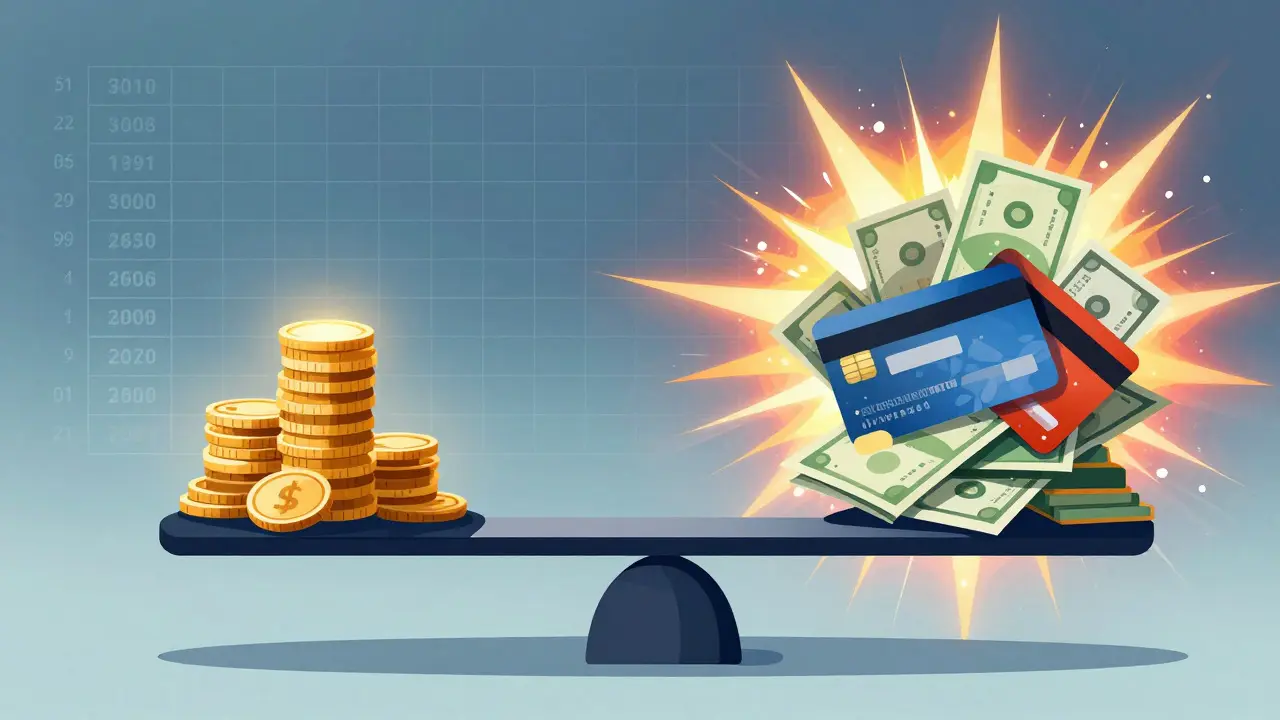
Strategic Insights for Consumers
If you want to maximize your entertainment value for your money, consider these strategies based on the quarterly patterns.
- Wait for the Dip: For non-event films, wait 45 days after release. By then, the initial hype has cooled, and many titles are available on rental or included in existing subscriptions. You save 50-70% compared to a ticket price.
- Budget for Events Only: Treat theatrical visits as special occasions. Allocate a specific "Experience Fund" of $50-$75 per month. Once that is spent, switch to streaming until the next month. This prevents overspending on mid-tier releases.
- Leverage Bundles: Look for streaming bundles that include ad-free tiers or multi-platform access. In 2026, combining two major services often costs less than subscribing to them individually, providing better value for the fixed portion of your budget.
Future Outlook: Where is the Money Going?
Looking ahead to late 2026 and into 2027, the gap between theatrical and streaming is narrowing in terms of pricing power. Studios are testing dynamic pricing for tickets, similar to airline models, where prices rise for popular times and drop for off-peak hours. This could further blur the lines, making the decision more complex. However, the fundamental human desire for shared experience ensures that the box office will remain a vital part of the consumer budget, provided the content justifies the premium. The winner won't be one format beating the other, but rather a balanced portfolio where consumers strategically allocate funds based on the quality and timing of the offerings.
Is it cheaper to go to the movies or pay for streaming in 2026?
For most households, streaming is cheaper if you watch frequently. A single movie ticket ($15.50) plus concessions ($15) costs about $30. A dual-streaming subscription costs about $25-$30 per month for unlimited viewing. Therefore, if you go to the movies more than once a month, streaming offers better value per view. If you only go once or twice a year, the fixed cost of streaming may not be justified unless you use it heavily for other content.
Why do box office numbers drop in the middle of the year?
Mid-year drops often occur due to "franchise fatigue" and audience fragmentation. When too many similar movies release at once, audiences split up, reducing the individual draw for each title. Additionally, summer heat and vacation schedules can reduce consistent weekly attendance, leading to a spike in July followed by a decline in August and September as the novelty wears off.
How does inflation affect movie ticket spending?
Inflation hits theatrical spending harder because it is a variable cost. When general prices rise, consumers cut back on discretionary luxuries first. They may skip the popcorn or choose a cheaper matinee show. Streaming, being a fixed subscription, is less affected by immediate inflation shocks because consumers perceive it as a necessary utility rather than a splurge.
What is the best time of year to buy movie tickets?
The best time to buy tickets is usually on weekdays (Tuesday-Thursday) during off-peak hours (matinees). Prices are often lower, and crowds are smaller. Avoid weekends and holiday seasons if you are price-sensitive. Additionally, checking for digital discount codes or loyalty program rewards can shave 10-20% off the base price.
Will streaming replace the box office completely?
Unlikely in the near term. While streaming dominates daily viewing habits, the box office serves a different purpose: social and experiential consumption. As long as technology allows for large-scale visual spectacles (like IMAX or Dolby Cinema), there will be a segment of the market willing to pay a premium for the shared experience. The two formats are complementary, not mutually exclusive.