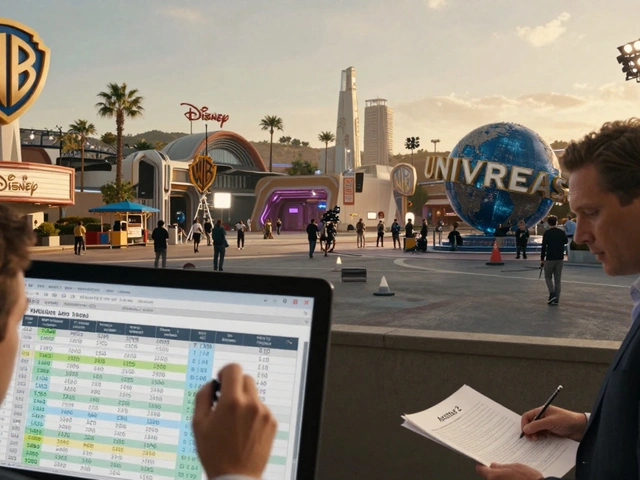
Ever wonder why so many big movies come out in May or December? It’s not random. The box office isn’t just about how good a film is-it’s deeply tied to when it hits theaters. Some months crush it. Others barely scrape by. And the reasons go way beyond marketing budgets or star power.
Summer Is King-But Not Because of Heat
June through August isn’t just the warmest time of year-it’s the most profitable. In 2024, summer movies made up nearly 40% of the total domestic box office. Why? It’s simple: kids are out of school, families have time off, and theaters become the go-to entertainment option. Studios know this. That’s why you get the big action sequels, superhero films, and animated hits all packed into this window.
Think about it: Avengers: Endgame opened in April, but Barbie and Oppenheimer both dropped in July. They didn’t just ride the wave-they built the wave. Studios plan years ahead to make sure their biggest films land when audiences are most available.
It’s not just about free time. Summer also means more group outings. People don’t just go to the movies alone-they bring friends, siblings, parents. That multiplies ticket sales. A single family of four buying tickets on a Friday night adds up fast.
The Holiday Rush: More Than Just Christmas Movies
November and December are the second-biggest box office months. But here’s the twist: it’s not just about holiday-themed films. It’s about opportunity.
People have time off work. Schools are closed. Gift-giving culture extends to experiences. A movie ticket becomes a present. Studios know this. That’s why Avatar: The Way of Water opened in December 2022 and made over $2.3 billion globally. It wasn’t a Christmas movie-it was a spectacle designed to be seen with family.
Even non-holiday films thrive. Oppenheimer made more in December than in July. Why? Because people were looking for something substantial, something to talk about. Awards season is also heating up. Studios release their most serious, critically aimed films in late fall to qualify for Oscars and Golden Globes. That means drama, biopics, and historical epics flood theaters from Thanksgiving through New Year’s.
The Dead Zone: January and September
January is the box office graveyard. After the holiday rush, people are broke, the weather is cold, and there’s no major holiday to drive attendance. Studios dump their least confident films here-low-budget horror, forgotten sequels, or movies that failed to find an audience elsewhere. In 2023, January made just 4% of the year’s total revenue.
September isn’t much better. Summer’s over. Kids are back in school. Fall TV is starting. There’s a lull. But this is also when studios test risky or niche films. Think indie dramas, foreign language releases, or documentaries. These don’t need massive openings-they just need to find their audience. Sound of Freedom quietly grew through word-of-mouth in July 2023, but many similar films fade in September because no one’s paying attention.

Spring and Fall: The Wild Cards
April and October are the surprises. They’re not empty, but they’re not packed either. These months are where studios test the waters. A well-timed thriller like Get Out in February 2017 can become a cultural moment. A sci-fi film like Dune in October 2021 found its audience because there was little competition.
Spring also brings Easter and school breaks. Families look for something light. Animated films often drop in March or April to catch those windows. The Super Mario Bros. Movie opened in April 2023 and made over $1.3 billion. It wasn’t a summer blockbuster-but it was perfectly timed.
October, meanwhile, is the horror sweet spot. People are in the mood. Halloween is coming. Studios release horror films early to ride the wave. It Chapter Two opened in September 2019 and made $328 million. It didn’t need Halloween to succeed-it just needed the right timing.
Why Timing Beats Budget
A movie with a $200 million budget can flop if it opens in January. A $50 million film can explode if it lands in July. Timing matters more than money.
Look at Parasite. It opened in October 2019 in the U.S. It had no fireworks, no superheroes, no giant marketing campaign. But it opened in a quiet month, got strong reviews, and grew slowly through word-of-mouth. By the time it won Best Picture, it had made over $50 million in the U.S. alone.
Compare that to Black Widow, which opened in July 2021. It had a $200 million budget, Marvel branding, and a massive campaign. But it came out during a pandemic recovery. People weren’t ready to return to theaters. It made $370 million globally-strong, but far below expectations.
It’s not about how much you spend. It’s about when you spend it.

The Hidden Rules of Release Dates
Studios don’t pick release dates randomly. They follow a set of unspoken rules:
- Don’t compete with another big film in the same genre. Two superhero movies in the same month? That’s suicide.
- Don’t open against major holidays unless you’re sure you’ll dominate. Christmas Eve? Only if you’re Toy Story.
- Don’t release a drama on Memorial Day. People want fun, not tears.
- Don’t wait too long to release a sequel. Fans forget. Transformers: The Last Knight came out four years after the last one-and it showed.
Even the day of the week matters. Friday openings are standard, but some films do better on Wednesday. Harry Potter and the Deathly Hallows Part 2 opened on a Wednesday in 2011 and made $476 million globally in its first week. Why? Because fans were ready. They didn’t want to wait.
What’s Changing? Streaming, Tickets, and Time
Streaming has changed things. People don’t need to wait for a movie to come to theaters. But theaters still win on scale. Big visuals. Big sound. Big moments. That’s why studios still push for theatrical releases-they want the cultural moment.
But the rules are shifting. More films are now released in early fall to avoid summer competition. More horror films are dropping in September instead of October. More animated films are skipping spring for late winter.
And ticket prices? They’re up. $15 a ticket means studios need bigger crowds to break even. That’s why they’re even more careful about timing. One bad week can sink a film.
The future isn’t about more movies. It’s about smarter timing.
Why do studios release so many movies in summer?
Studios release movies in summer because kids are out of school, families have free time, and group outings increase. This creates the highest demand for theater visits. Big-budget films like superhero sequels and animated movies are timed for this window because they rely on mass attendance to turn a profit.
Why are January and September considered box office dead zones?
January follows the holiday rush, when people are financially drained and weather discourages outings. September is a lull between summer and fall-kids are back in school, TV season starts, and there’s no major holiday. Studios use these months to release low-priority films because they expect low turnout.
Can a movie succeed outside of peak seasons?
Yes, but it needs the right strategy. Films like Parasite and Get Out succeeded by targeting quieter months with strong word-of-mouth, critical acclaim, or niche appeal. They didn’t rely on mass crowds-they built momentum over time.
Do holidays like Thanksgiving or Easter really affect box office numbers?
Absolutely. Thanksgiving weekend is one of the top three box office weekends of the year. Families gather, and movies become part of the tradition. Easter weekend also sees spikes, especially for family-friendly animated films. These aren’t just holidays-they’re built-in audience windows.
Why do awards-season films release in late fall?
To qualify for major awards like the Oscars, films must be released in the calendar year. Studios release prestige films in October through December so they’re fresh in voters’ minds. It’s not just about money-it’s about legacy and industry recognition.