You know the feeling. You walk into an art-house cinema, buy a ticket for a niche foreign film or a restored classic, and then you leave. Maybe you bought popcorn. Maybe you didn't. For most independent theaters, that's where the relationship ends. But here is the uncomfortable truth: ticket sales alone rarely keep the lights on in a way that allows for genuine preservation of the building and the culture it houses.
If you run an art-house venue or just love them enough to care about their survival, you've probably noticed the squeeze. Streaming services have eroded the casual moviegoer base. What remains are dedicated cinephiles who value the experience over the convenience. The opportunity here isn't just selling more tickets; it's increasing the per-patron spend through smarter merchandising and concession strategies that actually match the audience's values.
The Disconnect Between Ticket Buyers and Snack Buyers
Traditional multiplexes operate on a volume model. They need everyone to buy a large soda and a box of candy because they rely on high turnover and low margins on tickets. Art-houses are different. Your average attendee at a screening of a black-and-white French New Wave film isn't necessarily craving high-fructose corn syrup. In fact, many might actively avoid it.
This creates a gap. If your concession stand only offers stale popcorn and generic soda, you're alienating the very demographic that supports your mission. The first step in fixing this is recognizing that concessions in an art-house context must be curated, not just stocked. Think local breweries offering small-batch beers, artisanal chocolates from regional makers, or healthy snack options that align with the lifestyle of urban creatives.
When you align the food and drink offerings with the brand identity of the cinema, you remove the friction between "watching the movie" and "supporting the venue." It stops feeling like a transaction and starts feeling like part of the night out.
Merchandise That Tells a Story
Now let's talk about merchandise. Most theaters fail here because they treat merch as an afterthought. A rack of t-shirts with the theater logo in the lobby usually gathers dust. Why? Because nobody wants to wear a billboard for a business unless it's ironic or exceptionally well-designed.
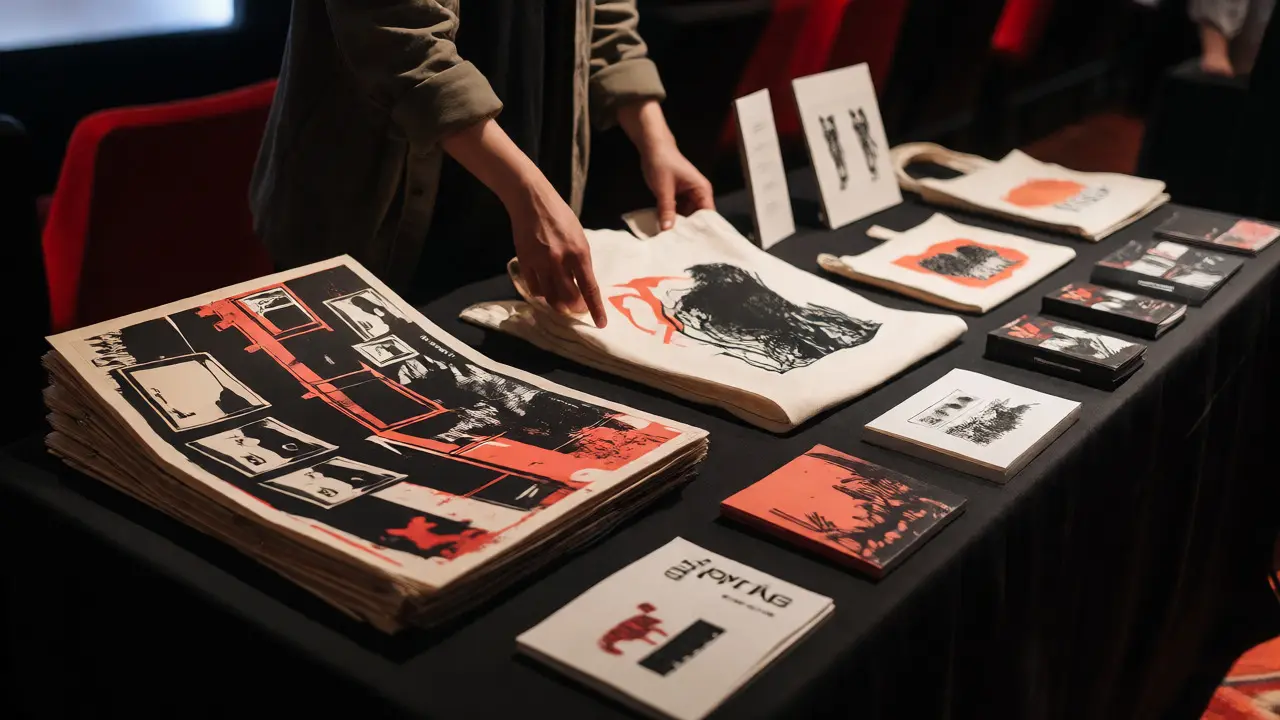
Successful art-house merchandising leans into curation. Instead of generic logos, focus on limited-edition prints, tote bags featuring iconic frames from films currently showing, or zines that explore the themes of the season's lineup. These items aren't just products; they are artifacts of the cultural experience. When a patron buys a screen-printed poster of a rare Hitchcock re-release, they aren't buying paper; they are buying a piece of the moment.
Consider the data from venues that have pivoted to this model. Venues partnering with local artists for exclusive designs often see a 15-20% increase in non-ticket revenue during special events. This works because it taps into the collector mindset. Cinephiles love exclusivity. If you tell them that the tote bag is only available during the three-day run of a specific festival, scarcity drives action.
| Strategy Element | Traditional Multiplex Approach | Curated Art-House Approach |
|---|---|---|
| Concession Focus | High-margin processed snacks (popcorn, candy) | Local craft beverages, artisanal foods, dietary options |
| Merchandise Type | Generic branded apparel, bulk novelties | Limited edition prints, artist collabs, niche publications |
| Customer Motivation | Impulse purchase, convenience | Cultural connection, collectibility, support for local ecosystem |
| Revenue Impact | Volume-dependent, volatile | Higher margin per unit, builds loyalty |
Leveraging the "Third Place" Concept
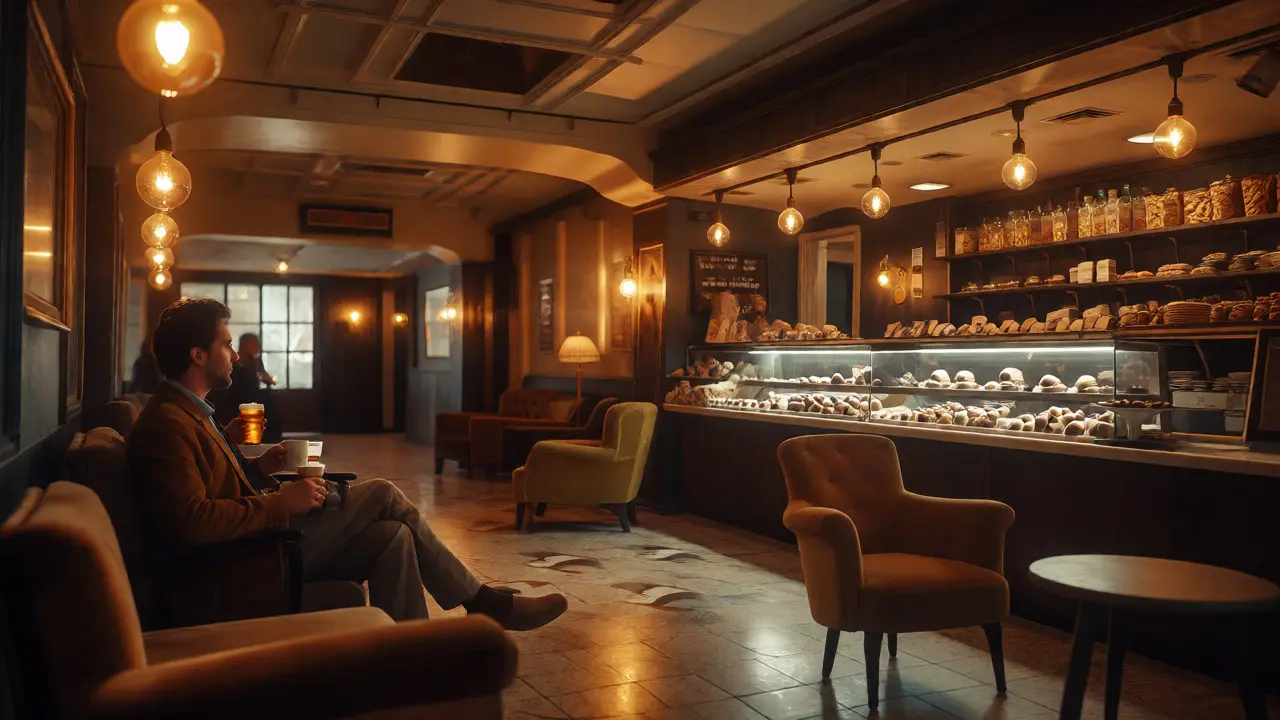
Sociologist Ray Oldenburg coined the term "third place" to describe social surroundings separate from the two usual social environments of home and the workplace. Art-houses have the potential to become premier third places, but only if they offer reasons to linger. This is where the strategy shifts from simple retail to hospitality.
If your lobby feels like a sterile corridor, people rush through it. If it feels like a lounge, they stay. Adding comfortable seating, good lighting, and perhaps a small café setup encourages patrons to arrive early and stay late. Every minute spent in the space is a minute where spending can occur. A patron waiting for a 7:30 PM showing might buy a coffee at 6:45 PM. After the film, they might grab a beer while discussing the plot with friends.
This dwell time directly correlates with increased per-patron spend. It transforms the theater from a dark room you enter for two hours into a community hub. This is crucial for preservation efforts because it builds emotional equity. People fight harder to save a place they feel connected to than a place they merely visit.
Bundling for Value and Experience
One of the most effective tactics is intelligent bundling. Don't just sell a ticket. Sell an evening. Create packages that include admission, a drink token, and a discount code for the merch store. This psychological framing changes the perception of cost. A $20 ticket feels expensive. A $25 "Night Out" package that includes a craft beer and a tote bag feels like a deal.
You can also tie bundles to specific programming. During a horror film marathon, offer a "Midnight Snack Pack" with themed treats. During a documentary series, partner with a local bookstore to offer a book-and-film combo. These cross-promotions reduce inventory risk for the theater while providing unique value to the customer.
Crucially, these bundles should be easy to buy online. If a user has to wait in line to redeem a complex voucher, you lose the impulse factor. Digital integration is key. Use your ticketing platform to upsell these add-ons at the point of purchase, when excitement is highest.

Data-Driven Curation
How do you know what to stock? Stop guessing. Look at your sales data. Which films had the highest attendance? What did those attendees buy? Did the crowd for the anime retrospective buy energy drinks or matcha lattes? Did the audience for the classic Hollywood noir prefer whiskey-based cocktails?
Art-house audiences are diverse, but they are also segmented. Tailoring your inventory to the specific sub-genre or director being celebrated shows respect for the audience's taste. It signals that you understand why they are there. This level of attention to detail is what separates a surviving independent theater from one that closes its doors.
Furthermore, consider membership models that include perks beyond free tickets. Offer members early access to merch drops or exclusive concession discounts. This recurring revenue stream provides stability, allowing you to invest in better equipment and staff training, which further enhances the patron experience.
The Role of Community Partnerships
No art-house exists in a vacuum. Partnering with local businesses reduces your overhead and increases your appeal. Host a post-screening Q&A with a local historian for a period piece. Collaborate with a nearby restaurant for a pre-show dinner special. These partnerships drive traffic from adjacent communities and create a network effect.
For example, if you show a film about climate change, partner with a local sustainability nonprofit. Donate a portion of the concession sales to them. Patrons will pay a premium for their popcorn knowing it supports a cause they care about. This ethical consumption angle is powerful for the modern art-house demographic.
Ultimately, increasing per-patron spend isn't about nickel-and-diming your customers. It's about enhancing the value proposition. By curating experiences that resonate with the specific tastes of cinephiles, you turn passive viewers into active supporters. And that support is the lifeblood of art-house preservation.
Why is per-patron spend critical for art-house cinemas?
Ticket prices are often capped by market competition and consumer expectations, leaving thin margins. Increasing per-patron spend through concessions and merchandise allows theaters to subsidize operational costs, maintain historic buildings, and program risky or niche films without relying solely on blockbusters.
What types of merchandise work best for independent theaters?
Limited-edition items, such as screen-printed posters, tote bags with artistic designs, and locally produced snacks or drinks, tend to perform best. These items appeal to the desire for exclusivity and cultural connection rather than generic branding.
How can theaters encourage patrons to spend more on concessions?
By offering curated, high-quality options that align with the audience's demographics (e.g., craft beer, artisanal snacks) and creating bundles that combine tickets with food/drink. Making the lobby a comfortable "third place" also encourages lingering and additional purchases.
Do digital platforms help increase non-ticket revenue?
Yes, integrating upsell opportunities during online ticket booking captures impulse buys before the patron arrives. It also allows for pre-ordering merchandise, reducing lines and ensuring stock availability for popular items.
How does community partnership impact revenue?
Partnerships with local restaurants, breweries, and artists reduce inventory costs and bring in new audiences. Co-branded events and shared promotions drive foot traffic and increase the perceived value of the theater visit.