Quick Takeaways
- Consistency usually comes from a strong creative vision rather than studio mandates.
- The most successful franchises evolve their themes instead of just repeating the first movie's plot.
- Quality is often tied to the commitment of the original cast and core crew.
- Shorter, tighter series often fare better than endless cinematic universes.
The Gold Standard of Consistency
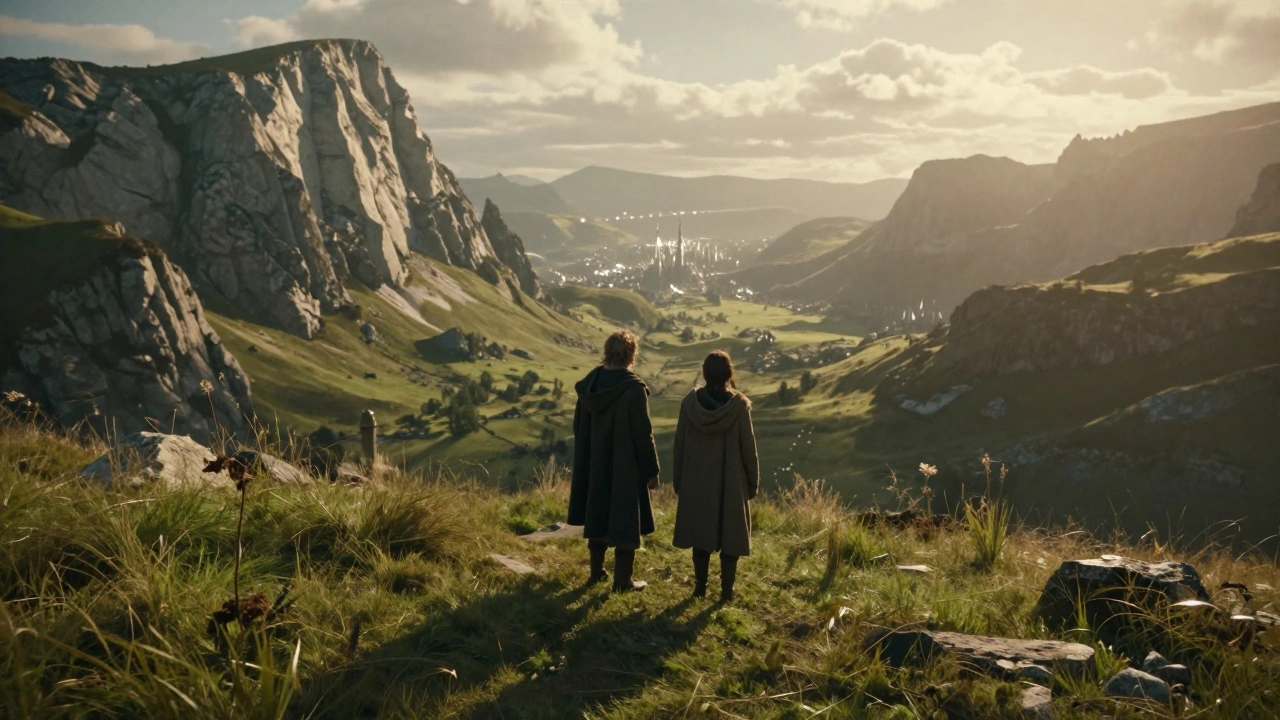
When we talk about quality, we aren't just talking about high Rotten Tomatoes scores. We're talking about internal logic and thematic depth. The Lord of the Rings is a high-fantasy trilogy based on the works of J.R.R. Tolkien that sets the bar for cinematic consistency. Released between 2001 and 2003, these films didn't just maintain quality; they expanded the scale of storytelling. Because Peter Jackson filmed the trilogy almost simultaneously, the visual style, the pacing, and the character arcs feel like one giant, seamless movie rather than three separate projects. You don't get the "sophomore slump" here because the blueprint was already finished before the first frame was shot.
Think about how Frodo and Sam's relationship evolves. It doesn't just stay a "mentor and helper" dynamic. It turns into a gritty study of trauma and loyalty. That's how you maintain quality: you don't just give the characters more things to do; you give them more to feel. When a franchise focuses on emotional stakes instead of just bigger explosions, the quality stays intact.
Mastering the Art of the Sequel
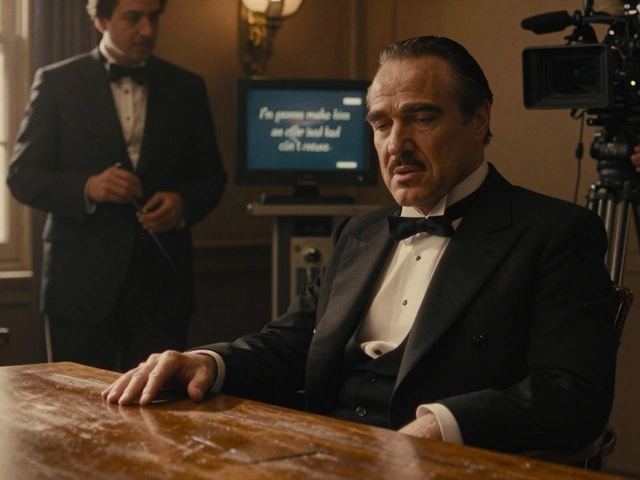
Most series fail because they try to recreate the magic of the first film. The ones that succeed, like The Godfather trilogy (specifically the first two), understand that a sequel should be a commentary on the original. The Godfather is a crime saga focusing on the Corleone family and the American dream. The first movie is about the rise of Michael Corleone, but the second one is a masterful parallel study of how his father, Vito, started the empire while Michael is systematically destroying the family's soul to keep it.
This is a crucial lesson in franchise management. If you just make "The Godfather 2: More Mafia Stuff," it's a bore. By shifting the structure and diving into the past, Coppola managed to make a sequel that many argue is actually better than the original. That's the peak of quality maintenance-not just staying level, but actually climbing higher.
| Franchise Type | Common Pitfall | Quality Driver | Example |
|---|---|---|---|
| Cinematic Universe | Plot Bloat | Shared Continuity | MCU (Early Phases) |
| Linear Trilogy | Repetitive Tropes | Character Arc Completion | The Lord of the Rings |
| Anthology Series | Lack of Connection | Consistent Tone/Theme | Planet Terror / Grindhouse |
| Legacy Sequels | Fan Service | Respect for Lore | Top Gun: Maverick |
The Evolution of the Action Franchise
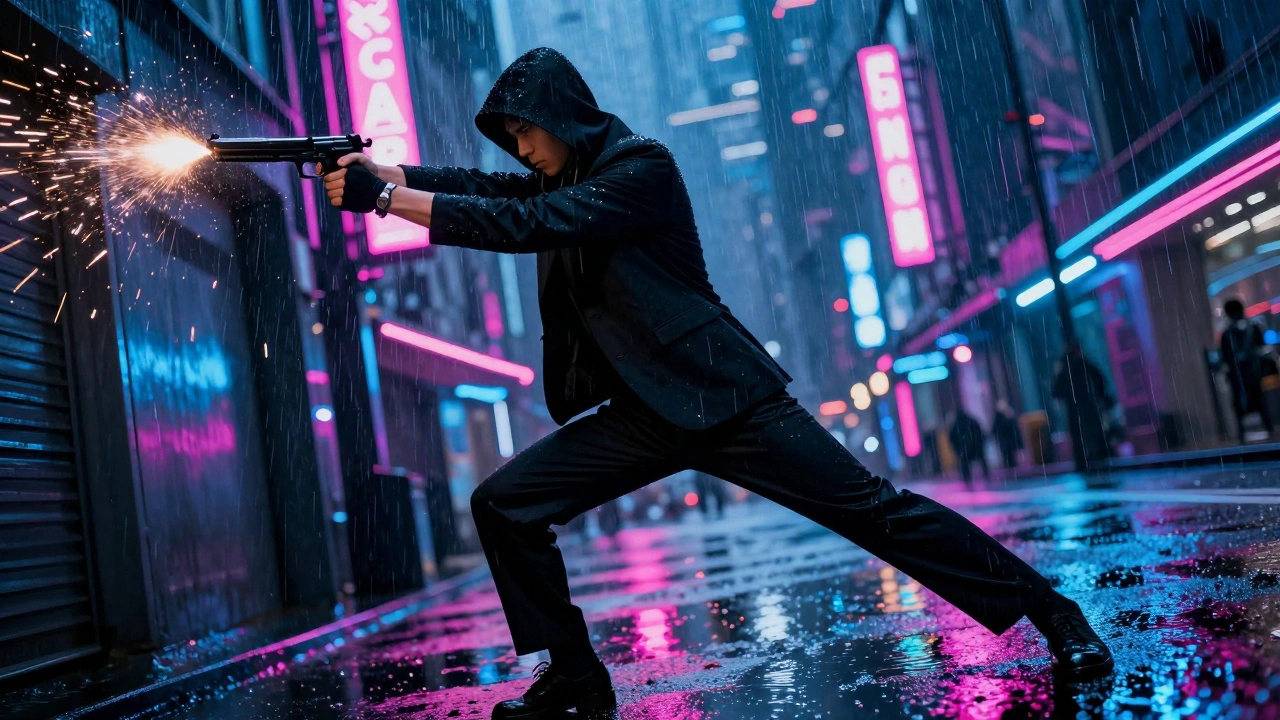
Action movies are usually the first to crash and burn. Why? Because the "stakes" usually involve a physical threat. Once you've saved the world in movie one, how do you make movie four feel urgent? John Wick solved this by leaning into the concept of a secret society of assassins with a rigid set of rules and customs. The world-building in the John Wick series doesn't happen through boring exposition dumps; it happens through action.
The quality remains high here because the filmmakers treat the fight choreography like a dance. They didn't just keep adding more guns; they added more styles-horses in Paris, swords in Osaka, and high-stakes grappling in New York. They understood that the "quality" of an action franchise isn't just the plot, but the technical execution of the stunts. If the fights get lazier, the franchise dies. By doubling down on the Gun-fu style, they kept the audience engaged even as the plot became increasingly thin.
Avoiding the 'Universe' Trap
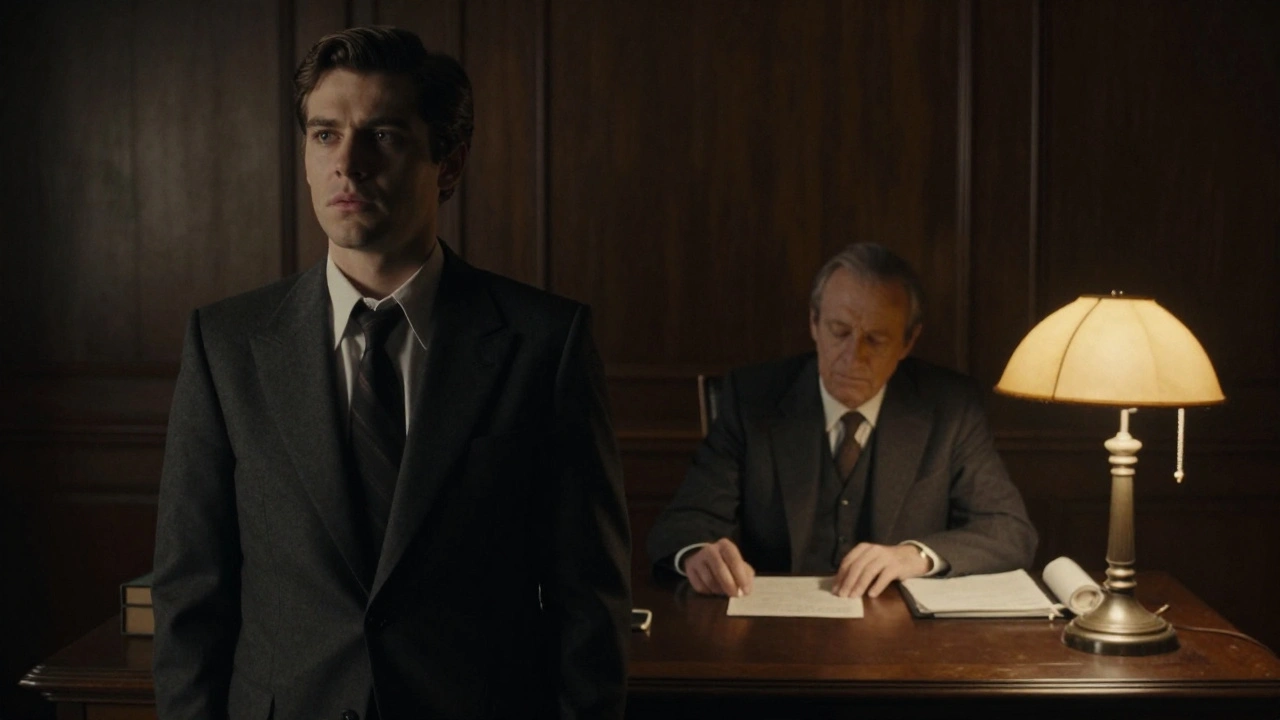
We've seen a massive shift toward the Cinematic Universe model, where every movie is just a two-hour commercial for the next movie. This is where quality usually goes to die. When a film's primary purpose is to set up a character for a movie coming out in three years, the immediate story suffers. However, some have navigated this better than others. The early phases of the Marvel Cinematic Universe worked because each movie was still a standalone story first and a piece of a puzzle second.
The problem starts when the "homework" becomes too much. If you need to watch four Disney+ shows and two spin-off movies to understand why a character is angry in the latest film, the quality of the viewing experience has plummeted. The best franchises avoid this by ensuring that the emotional core of the story is accessible, even if you've missed a few entries. They focus on the Character Arc rather than the lore checklist.
The Role of the Auteur in Long-Running Series
Consistency often boils down to who is calling the shots. When a franchise swaps directors every single movie, you get a tonal mess. Look at the Toy Story series. While different people contributed, the core philosophy of Pixar-prioritizing story over everything-remained the constant. Each film shifted the focus: from the fear of replacement in the first, to the fear of abandonment in the second, and the struggle with identity in the third.
This approach prevents the "more of the same" syndrome. Instead of just adding more toys or more adventures, they asked a new philosophical question each time. That's why people still love these movies decades later. They didn't just maintain a standard; they evolved the conversation. If you're analyzing why some franchises stay great while others fade, look at the creative leadership. Is it a committee of executives, or is there a clear artistic vision?
Red Flags of a Declining Franchise
How do you know when a series has finally jumped the shark? There are a few telltale signs. First, the "villain inflation." This is when the antagonist of the first movie was a local mobster, but by movie four, they're fighting a galactic empire that can erase time. When the scale grows too fast, the human element disappears.
Second is the "recap habit." When a movie spends the first twenty minutes reminding you what happened in the previous film, it's a sign that the writers don't trust the audience or the story's own momentum. Finally, keep an eye on the supporting cast. If the original characters are pushed to the sidelines to make room for a new, younger cast without a meaningful narrative reason, the franchise is usually just chasing a new demographic rather than telling a good story.
Why do most movie sequels fail to maintain quality?
Most sequels fail because they attempt to replicate the original's success through imitation rather than evolution. When studios prioritize profit over creative risk, they often produce "more of the same," which leads to predictable plots, stagnant character growth, and a lack of thematic purpose. Quality drops when the goal shifts from telling a story to maximizing a brand's revenue.
Does a longer franchise always mean lower quality?
Not necessarily, but it increases the risk. The longer a series runs, the harder it is to keep the stakes feeling real and the characters feeling fresh. However, franchises that successfully pivot their themes-shifting from a personal story to a global one, or changing the perspective-can maintain quality over many installments.
What is the difference between a movie series and a cinematic universe?
A movie series typically follows a linear path or a specific set of characters in a chronological order (like the Bourne series). A cinematic universe involves multiple intersecting storylines and different sets of protagonists who inhabit the same world and occasionally cross over, often creating a much larger, interconnected web of stories.
How can a director keep a sequel feeling fresh?
The best directors change the "lens" through which we see the world. This could mean changing the genre slightly (e.g., making a sequel more of a psychological thriller than a pure action movie), introducing a new central conflict that challenges the protagonist's beliefs, or using the sequel to explore a different side of the established lore.
Which franchises are known for the best "third act" (third movie)?
The Lord of the Rings: The Return of the King is widely considered one of the best third installments because it provides a definitive, emotionally satisfying conclusion to every major arc. Similarly, the original Toy Story trilogy managed to stick the landing with Toy Story 3, providing a natural end to Andy's childhood and the toys' journey.
Next Steps for Movie Buffs
If you're tired of disappointing sequels, start looking for "auteur-driven" franchises-series where one person or a small, consistent team has a hand in every script. Look for indie series or international franchises (like the Korean "Train to Busan" universe) that often take more risks than Hollywood blockbusters. Also, try watching a trilogy back-to-back as one long experience; it often reveals the quality of the overarching character arc that you might miss if you watch them years apart.





Comments(7)