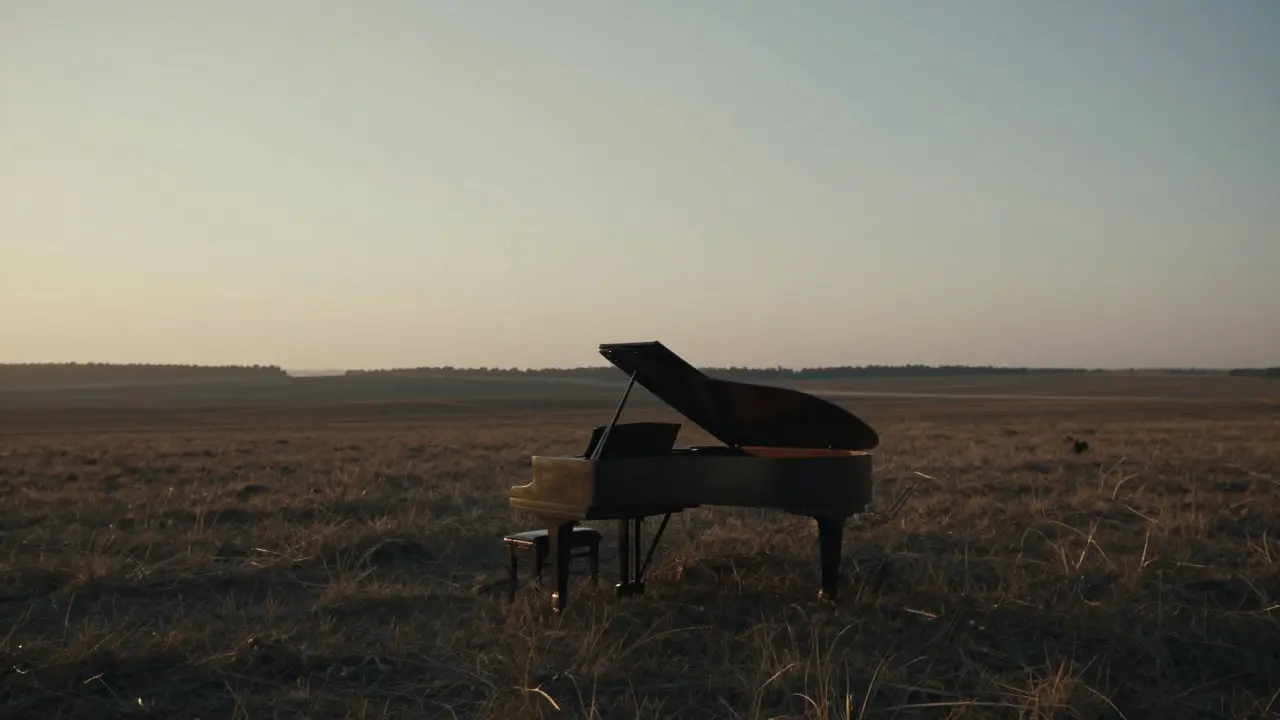
It’s August 2026, and the dust has settled on the summer blockbusters. But for those who care about the pulse of cinema, the real game is just beginning. The race for Original Score and Original Song isn't decided by box office numbers; it’s decided by emotional resonance, composer prestige, and the quiet power of a melody that sticks in your head long after the credits roll. If you’re trying to predict the nominations or just want to know which soundtracks will define this year’s cultural conversation, you need to look beyond the hype. You need to look at the craft.
The landscape for musical awards has shifted significantly over the last decade. Gone are the days when a single pop star could sweep the category with a catchy jingle. Today, voters favor depth, thematic integration, and distinctiveness. A score must do more than accompany action; it must elevate the narrative. A song must do more than sell a product; it must encapsulate the film’s soul. Let’s break down the contenders that have the momentum, the pedigree, and the artistic merit to make the shortlist.
The Architecture of an Award-Winning Score
When we talk about Original Score is the instrumental background music composed specifically for a film, serving as its emotional backbone., we are talking about architecture. It’s not just notes; it’s structure. The Academy and other major award bodies look for composers who take risks. They want to hear something that sounds like no one else. In recent years, hybrid approaches-blending orchestral traditions with electronic textures or world music elements-have dominated. This trend continues into the 2026 cycle.
Consider the work of established giants versus emerging talents. Veterans like Hildur Guðnadóttir or Ludwig Göransson have set a high bar for atmospheric intensity. Their scores often feature minimalism that amplifies tension without relying on heavy percussion. For the upcoming season, watch for composers who are experimenting with spatial audio. As Dolby Atmos becomes standard in home theaters, scores designed with three-dimensional soundscapes in mind are gaining traction. These aren’t just background tracks; they are immersive experiences that pull the audience into the protagonist’s psychological state.
Another key factor is the source material. Adaptations of literary works or true stories often demand a score that feels both timeless and specific. Voters tend to reward scores that respect the source while adding a modern interpretive layer. If a film is set in the past, does the score use period-appropriate instruments? If it’s a sci-fi epic, does it avoid clichéd synth bratwursts? Specificity wins. Generic “epic” swells are out; nuanced, character-driven themes are in.
The Rise of the Narrative Song
While the score sets the mood, the Original Song is a standalone piece of music, usually featuring vocals, that appears within the film's narrative or promotional materials. has become a battleground for lyrical relevance. In 2026, the best contenders are songs that tell a story in under three minutes. They don’t just sing about love or heartbreak; they sing about identity, resilience, or societal change. The lyrics must be tight, memorable, and directly tied to the film’s central theme.
Collaboration is key here. The most successful songs come from partnerships between top-tier songwriters and artists who bring unique vocal colors. Think of the synergy between Lin-Manuel Miranda and various artists in previous cycles. For this year, expect a mix of genre-bending efforts. We’re seeing R&B influences in drama films and indie folk touches in animated features. The goal is authenticity. If a song feels forced-if it sounds like it was written for the radio rather than the character-it gets rejected. Voters can smell inauthenticity from a mile away.
Timing matters too. A song placed at the climax of a film carries more weight than one used in a montage. The “final act” placement is a classic strategy for maximizing emotional impact. When the lights dim and the credits roll, if the song is still playing, it stays in the voter’s ear. That lingering effect is what separates a nominee from a winner.
Key Contenders for Original Score
Let’s get specific. Based on early critical reception and festival buzz, several films are positioning themselves as front-runners for the score categories. First up is a highly anticipated historical drama shot in sweeping landscapes. The composer, a rising star known for minimalist piano pieces, has crafted a score that relies heavily on silence and subtle string harmonics. Critics have called it “hauntingly beautiful.” This approach fits perfectly with the current trend toward introspective storytelling. The film’s visual style is stark, so the music mirrors that austerity. It’s a strong contender because it offers a contrast to the louder, more bombastic scores dominating the blockbuster space.
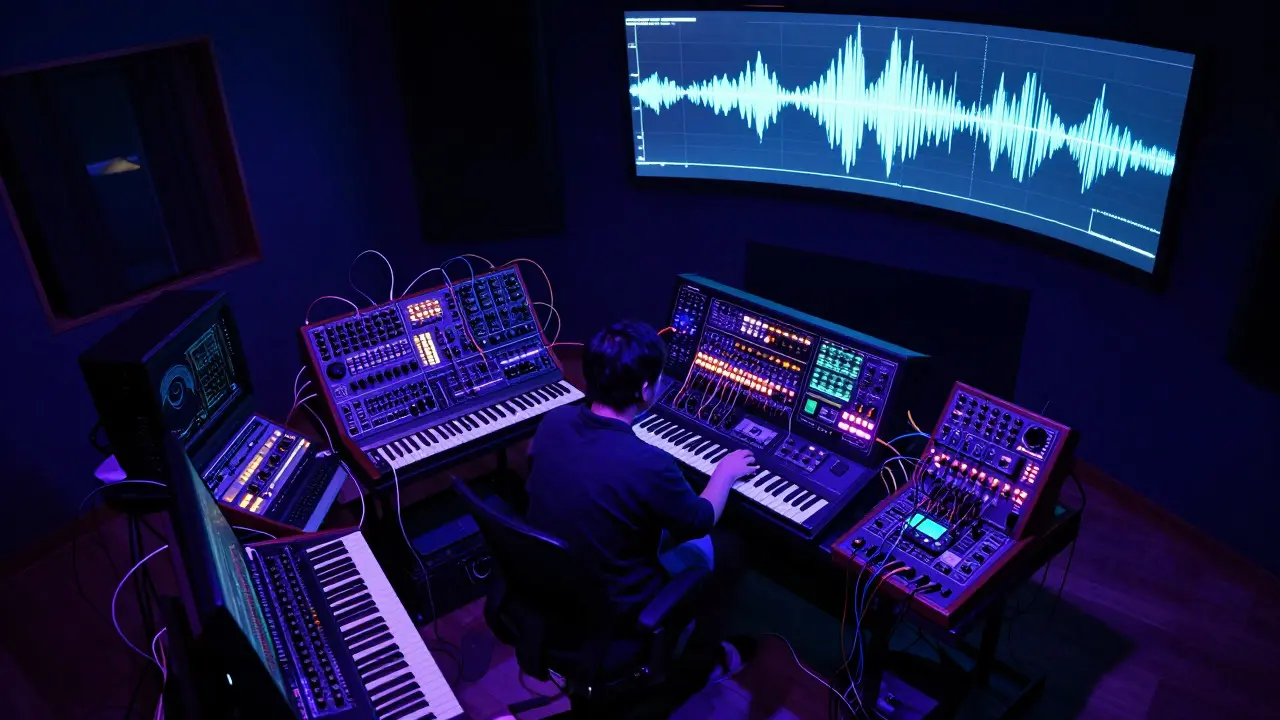
On the opposite end of the spectrum is a massive sci-fi franchise installment. Here, the composer is pushing boundaries with electronic instrumentation layered over traditional orchestral hits. The score uses modular synthesizers to create alien textures that evolve throughout the trilogy. This technical innovation is exactly what award voters love to see. It shows craftsmanship and risk-taking. The film’s scale demands a score that can shift from intimate moments to planet-shaking battles seamlessly. If the execution is clean, this could be a dark horse winner.
Don’t sleep on the animated features either. Animation scores often fly under the radar but consistently earn nominations. This year, a family-friendly adventure film features a jazz-infused score that pays homage to mid-20th-century big bands while incorporating modern production techniques. The swing feel adds a layer of nostalgia that appeals to older voters, while the crisp mixing keeps it fresh for younger audiences. Jazz in animation is a powerful combination, and this particular track list is packed with melodic hooks that are easy to remember.
Leading Candidates for Original Song
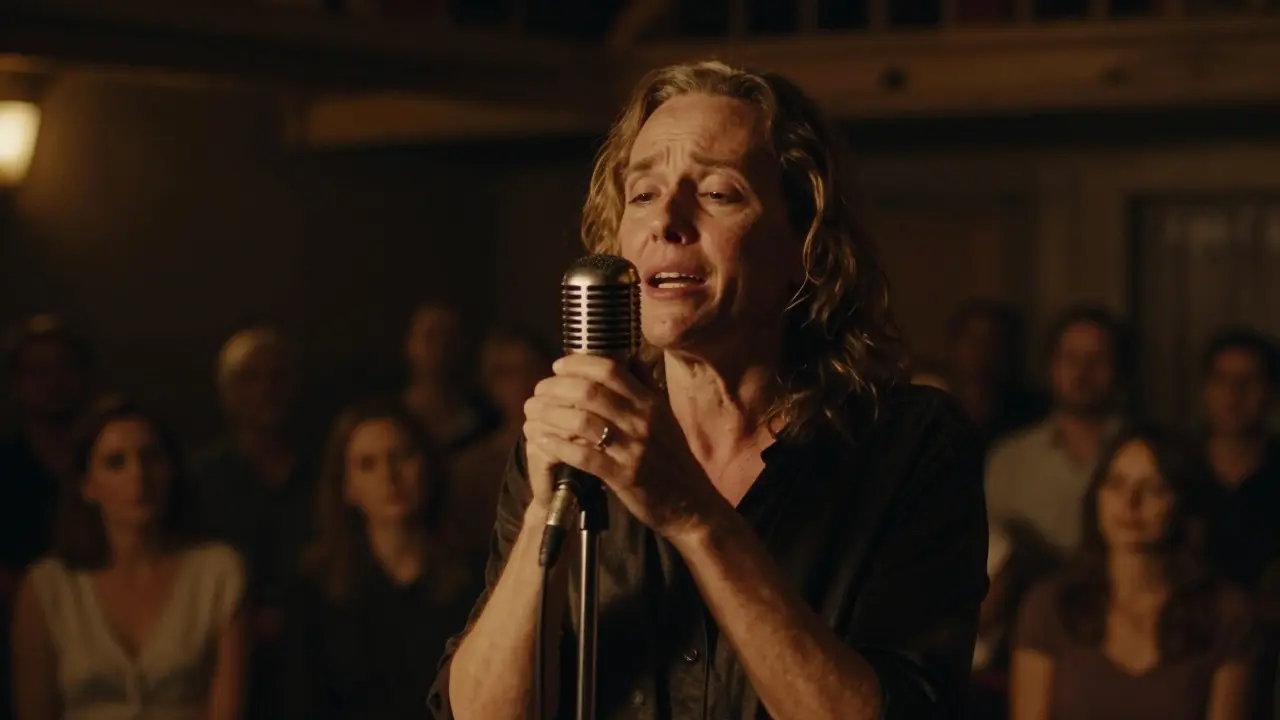
For the song category, the competition is fierce. One standout comes from a biographical drama about a musician’s final tour. The title track, performed by a legendary vocalist, features sparse instrumentation and raw, unpolished vocals. The imperfections are intentional. They convey the fragility of the subject matter. The lyrics speak to legacy and letting go. This song has already gained traction on streaming platforms, suggesting broad appeal. When a song performs well commercially *and* critically, it has a strong chance of making the cut.
Another contender emerges from a romantic comedy-drama. The song, titled “Second Chances,” is a upbeat pop-fusion track that blends acoustic guitar with electronic beats. It’s catchy, yes, but the lyrics address the fear of starting over later in life. This relatability is crucial. Awards voters are human; they connect with universal emotions. The song appears during a pivotal scene where the protagonist decides to leave their comfort zone. The timing is perfect. It’s not just a soundtrack filler; it’s a narrative device.
We also have a surprise entry from an independent thriller. The song is a haunting ballad sung in a minor key, featuring a cello accompaniment. It’s not a typical “pop” song, but its emotional weight is undeniable. The film deals with grief and memory, and the song captures that ache perfectly. Independent films often punch above their weight in the song category because their selections are so carefully curated. This track has been praised for its simplicity and depth, making it a serious threat to the bigger-budget entries.
| Film Title (Placeholder) | Category | Composer/Artist | Key Style Element | Why It Stands Out |
|---|---|---|---|---|
| Historical Drama X | Original Score | Rising Star Composer | Minimalist Piano | Uses silence effectively; contrasts with loud blockbusters |
| Sci-Fi Franchise Y | Original Score | Veteran Electronic Artist | Modular Synths | Technical innovation; seamless transition between scales |
| Animated Feature Z | Original Score | Jazz Ensemble | Big Band Fusion | Nostalgic yet modern; strong melodic hooks |
| Biopic W | Original Song | Legendary Vocalist | Raw Acoustic | Commercial success + critical acclaim; themes of legacy |
| Rom-Com V | Original Song | Pop-Fusion Duo | Acoustic/Electronic Blend | Relatable lyrics; perfect narrative timing |
What Voters Actually Look For
Beyond the music itself, context plays a huge role. How does the film perform at major festivals like Venice, Toronto, or New York? Early buzz can build momentum. If critics rave about the soundtrack, word spreads quickly among industry insiders. Social media trends also play a part. If a snippet of the score goes viral on TikTok or Instagram Reels, it increases visibility. However, don’t mistake virality for quality. Voters are seasoned professionals. They separate the noise from the signal. They listen to the full album, not just the highlight reel.
Also, consider the diversity of the slate. Awards bodies often try to balance their nominations across different genres and styles. If all the front-runners for score are intense dramas, they might include a lighter, comedic score to ensure variety. This balancing act means that a slightly less acclaimed but stylistically distinct film could find itself on the ballot simply because it fills a gap in the lineup. Keep an eye on the broader field, not just the obvious favorites.
How to Follow the Race
If you want to stay ahead of the curve, start listening now. Don’t wait for the official announcements. Dive into the full albums released on digital platforms. Pay attention to the liner notes and composer interviews. Understanding the intent behind the music helps you appreciate its nuances. Join online communities dedicated to film music. Discussions there often uncover hidden gems and provide deeper insights into why certain choices were made. Engage with the content actively. Ask yourself: Does this score enhance the film? Would I miss it if it were removed? If the answer is yes, you’re on the right track.
Finally, keep an open mind. The biggest surprises often come from unexpected sources. An indie film with a modest budget might produce a score that resonates more deeply than a hundred-million-dollar blockbuster. Creativity doesn’t always come with a big price tag. Sometimes, it comes from a single piano in a small room, played with intention and heart. That’s what truly wins hearts-and awards.
What makes a film score eligible for awards?
To be eligible, a score must be original, meaning it wasn't previously released in another medium. It typically needs to comprise a significant portion of the film's runtime, usually around 80% or more. The composer must be credited properly, and the music must be integral to the storytelling, not just incidental background noise.
Do commercial sales affect song nominations?
Yes, commercial performance can help, but it’s not the sole factor. A song that tops the charts but feels disconnected from the film’s theme may struggle to win votes. Conversely, a song with moderate sales but deep narrative integration often performs better with professional voters. The sweet spot is a song that is both commercially viable and artistically relevant.
Which genres are trending for scores in 2026?
Hybrid genres are dominant. Expect to see more blends of orchestral and electronic elements, as well as increased use of world music instruments. Minimalist approaches are also popular, particularly in dramas where subtlety is preferred over grandeur. Pure orchestral scores are still respected but are becoming less common unless they serve a very specific historical or thematic purpose.
Can a song be nominated if it’s only in the trailer?
Generally, no. To qualify for most major awards, the song must appear in the body of the film, not just in marketing materials. However, some smaller awards may have different rules. Always check the specific eligibility guidelines for the award you are tracking, as they can vary slightly between organizations.
How do I support my favorite composers and songwriters?
The best way to support them is to stream their full albums, buy physical copies, and share their work on social media. Attending live performances or concerts featuring their music also helps. Visibility matters. The more people who engage with the music, the more likely it is to gain the momentum needed for award consideration. Your engagement signals to the industry that the work has value.