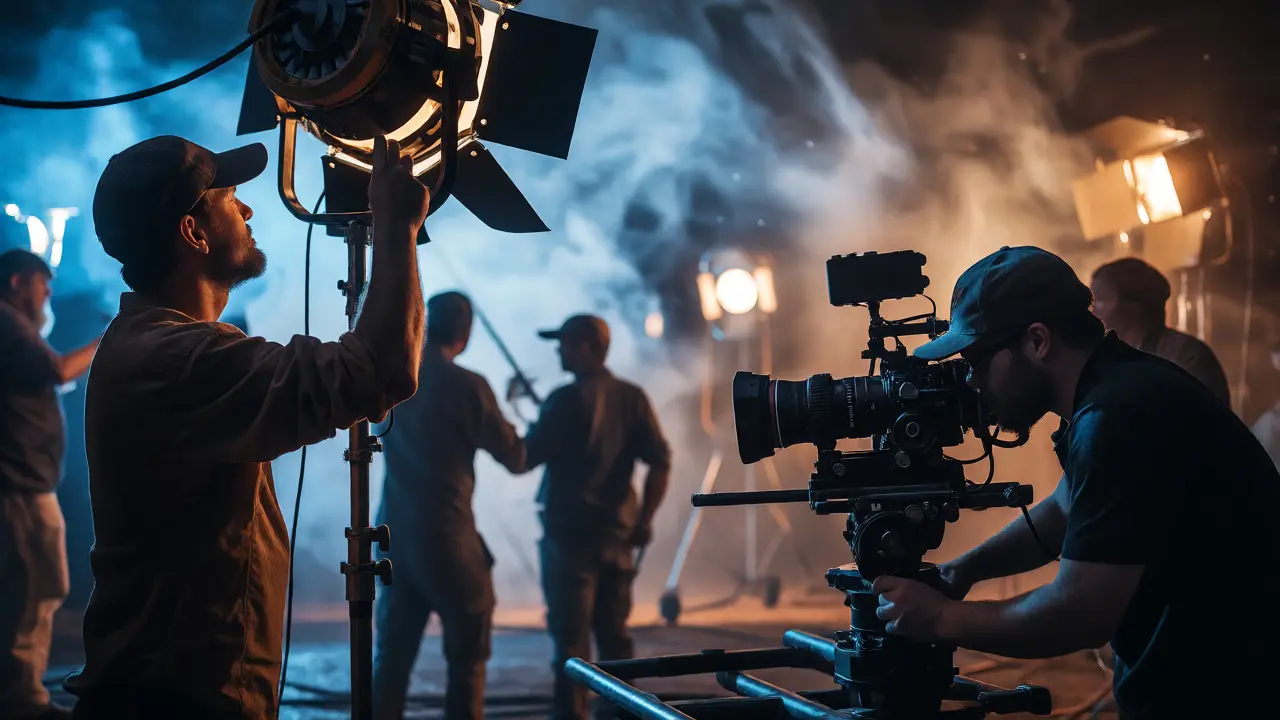
You watch a movie, and the screen goes black. The credits roll. Most people hit "home" on their remote before the list finishes. But if you stick around, you’ll see hundreds of names flashing by-sound mixers, costume designers, visual effects supervisors, stunt coordinators. These are the Below-the-Line crew members who handle the practical execution of filmmaking, distinct from the creative leadership known as Above-the-Line. For decades, these roles were treated like invisible labor. They did the heavy lifting, but the spotlight stayed firmly on the actors and directors.
That dynamic is shifting. The rise of specialized guild awards and expanded recognition at major ceremonies means technical crafts are finally getting their due. This isn’t just about vanity plates for crew members; it’s about acknowledging that modern cinema is an engineering feat as much as an artistic one. If you’re a filmmaker, a student, or just a movie buff who wonders why some films feel more immersive than others, understanding how we recognize these skills changes how you watch movies.
The Divide: What Counts as Below-the-Line?
To understand the awards, you have to understand the budget structure. In Hollywood accounting, Above-the-Line costs refer to the creative visionaries: producers, directors, screenwriters, and principal cast. Their paychecks are negotiated upfront, often tied to box office performance. Below-the-Line costs cover the physical production team required to execute that vision, including camera operators, electricians, grips, and editors.
This distinction matters because the metrics for success differ wildly. An actor’s performance is subjective. Did they cry convincingly? A sound editor’s work is measurable. Did the dialogue cut through the explosion? When we talk about recognizing technical achievements, we’re talking about validating competence in specific, hard-skill trades. It’s less about "interpretation" and more about "execution." A poorly lit scene can ruin a great performance. A bad edit can make a brilliant script feel disjointed. Recognizing these roles acknowledges that film is a collaborative machine, not just a star vehicle.
| Category | Primary Focus | Typical Recognition | Key Guilds/Orgs |
|---|---|---|---|
| Above-the-Line | Creative Vision & Story | Best Picture, Director, Actor | DGA, WGA, SAG-AFTRA |
| Below-the-Line | Technical Execution | Craft Awards (Sound, VFX, Costume) | IATSE, ASC, ADG, HPA |
The Rise of the Craft Guilds
If you want to know where the real respect for technical work lives, look away from the Oscars and toward the guilds. Organizations like the Motion Picture Editors Guild a branch of IATSE representing editors and post-production professionals or the Society of Camera Operators an organization dedicated to honoring the artistry of camera operation host their own annual galas. These events aren’t televised globally, but inside the industry, they carry massive weight.
Why do these matter more than mainstream awards for practitioners? Because peers judge peers. When a sound designer wins a Golden Reel Award, it’s validated by other sound designers who know exactly how hard it was to isolate a whisper in a rainstorm. Mainstream audiences often lump all "technical" work into one bucket. But a gaffer knows the difference between naturalistic lighting and stylized noir setups. These guild awards create a hierarchy of skill within specific trades, helping younger crew members identify mentors and standards.
Consider the Visual Effects Society (VES) the professional association for visual effects artists and technicians. Their awards are so respected that studios use them in marketing campaigns. A "VES Award Winner" badge on a poster signals quality to cinephiles who might ignore a standard "Academy Nominee" tag. This creates a feedback loop: better recognition leads to higher budgets for technical departments, which leads to better films.
Oscars and the Expansion of Technical Categories
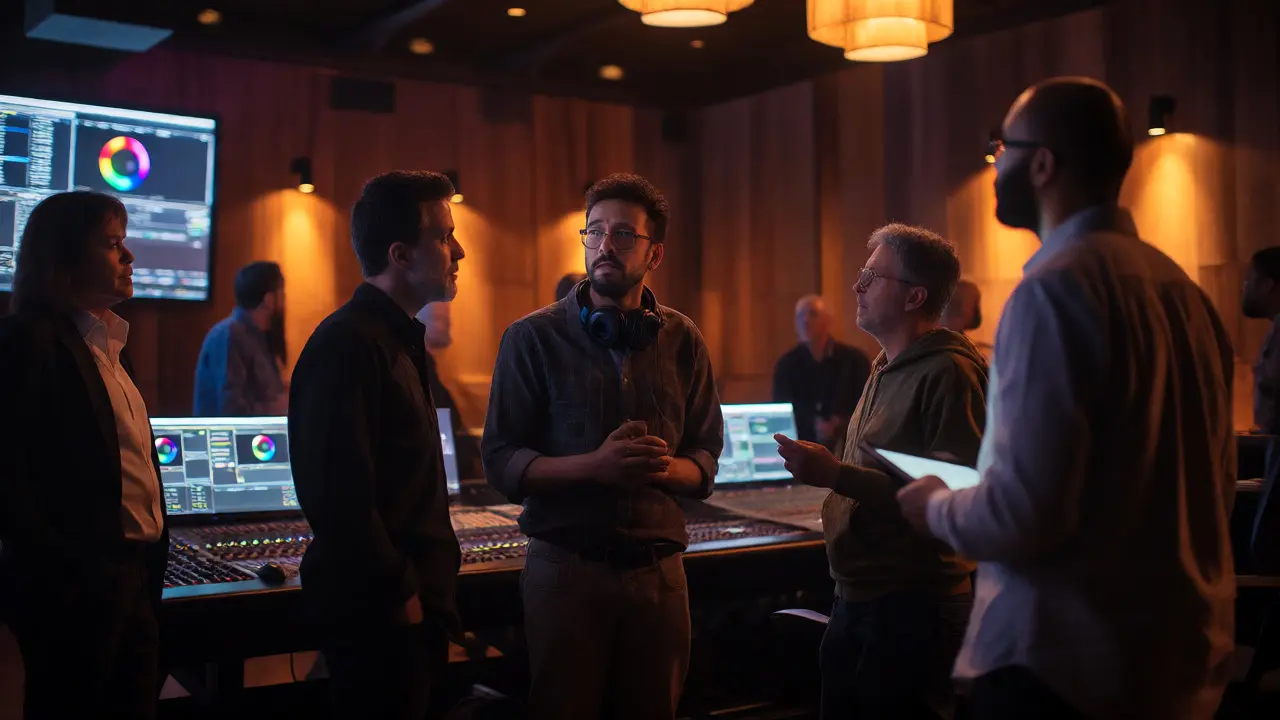
The Academy Awards have historically been slow to adapt. For years, there were only a handful of technical slots. Today, the landscape is broader. While the core categories remain Sound Mixing, Sound Editing, Visual Effects, Production Design, Costume Design, Makeup and Hairstyling, and Cinematography, the conversation has shifted. The introduction of the Popular Film category (now Best Achievement in Popular Film) sparked debate, but it also highlighted that technical excellence exists outside traditional prestige dramas.
More importantly, the voting body has changed. The Academy now includes thousands of new members, many of whom are below-the-line craftspeople themselves. This demographic shift means that voters are no longer just critics or executives guessing what looks good. They are working professionals who understand the labor involved. When Dune swept the technical Oscars recently, it wasn’t just because it looked cool; it was recognized for the specific challenges of shooting in desert environments, the complexity of its sound design, and the seamless integration of practical sets with digital extensions.
However, gaps remain. Stunt performers still lack a dedicated competitive Oscar category, despite the Physical Arts being central to action cinema. Similarly, while casting directors have gained visibility, they don’t have a permanent award slot. The push for a Stunts Award a proposed Oscar category to recognize the physical risk and choreography in action sequences continues, driven by organizations like the Screen Actors Guild and the Directors Guild. Until then, stunts are often subsumed under general acting or directing nods, diluting the credit due to the coordinators and doubles.
How Technical Recognition Impacts Careers
Does winning a craft award actually help your career? Absolutely. In an industry built on networks, a trophy is a trust signal. When a producer hires a colorist or a set decorator, they are taking a financial risk. If that person won a Art Directors Guild (ADG) Award an award recognizing excellence in production design and art direction, the producer feels safer. It reduces perceived risk.
For freelancers, this recognition translates directly to rate increases. Crew members negotiate day rates based on experience and reputation. A "Golden Reel Winner" can command a premium over an equally skilled peer without the hardware. Furthermore, these awards provide leverage during union negotiations. When IATSE (International Alliance of Theatrical Stage Employees) pushes for better overtime rules or meal penalties, they point to the critical nature of these roles, often citing recent award-winning projects as proof that technical staff are essential to the final product, not just replaceable labor.

Beyond the Big Three: Independent and Festival Recognition
Hollywood isn’t the only place technical work gets noticed. International festivals and independent circles have long championed craft. The European Film Awards awards presented annually by the European Film Academy to honor excellence in European cinematic achievements often highlight sound and editing in ways American ceremonies overlook. Why? Because European cinema traditionally places a higher emphasis on atmospheric storytelling, where sound design is a narrative character rather than just background noise.
Additionally, niche festivals like the Fantasia International Film Festival a genre film festival held in Montreal that celebrates horror, fantasy, and sci-fi have dedicated awards for makeup and special effects. These platforms validate genres that mainstream awards often snub. Horror and sci-fi rely heavily on practical effects and creature design. By creating spaces specifically for these crafts, these festivals ensure that a prosthetic artist working on a low-budget indie horror doesn’t get lost in the shuffle of blockbuster CGI comparisons.
The Future of Technical Credits
We are entering an era where technology blurs the lines between roles. Virtual production, popularized by shows like The Mandalorian, uses LED volumes to render backgrounds in real-time. Is the person adjusting the virtual light source a cinematographer, a VFX supervisor, or a game engine developer? Traditional award categories struggle to categorize hybrid roles.
This ambiguity forces institutions to rethink definitions. We may see combined awards for "Immersive Experience" or "Virtual World Building." As AI tools enter the workflow for rotoscoping, upscaling, and even dialogue replacement, the definition of "human achievement" will be tested. Will we award the prompt engineer who guided the AI, or the human artist who refined the output? The current trend suggests a move toward holistic recognition-awarding the team rather than isolated individuals, reflecting the reality that modern technical achievement is deeply interconnected.
Ultimately, recognizing below-the-line achievements isn’t about making crew members famous. It’s about preserving the knowledge and standards of the craft. When we celebrate the sound mixer, we encourage young audio engineers to pursue the trade. When we honor the costume designer, we validate the historical research and textile expertise behind the wardrobe. These awards keep the ecosystem healthy, ensuring that the next generation of filmmakers has the resources and respect needed to push the medium forward.
What is the main difference between Above-the-Line and Below-the-Line?
Above-the-Line refers to the key creative personnel whose contracts are negotiated before production begins, such as the director, producers, writers, and main cast. Below-the-Line refers to the crew members hired to physically produce the film, including camera operators, electricians, sound technicians, editors, and support staff. The distinction is primarily financial and contractual, though it increasingly influences how awards are categorized.
Do technical awards impact a film's box office success?
Directly, maybe not as much as Best Picture or Acting wins. However, technical awards like those from the Visual Effects Society or the Motion Picture Sound Editors serve as powerful marketing tools for genre films (sci-fi, horror, action). Studios often use "Award-Winning Sound Design" in trailers to signal quality to discerning audiences, which can drive word-of-mouth and sustain ticket sales beyond opening weekend.
Why don't stunt performers have a dedicated Oscar yet?
The Academy has debated adding a Stunts category for years but faces logistical hurdles regarding eligibility. Determining whether a stunt is performed by the named actor or a double is complex. Additionally, some argue that stunts are integral to the director's vision or the actor's performance. Despite lacking a competitive Oscar, stunt teams are recognized by guild awards like the Taurus World Stunt Awards.
Which guild awards are considered most prestigious for crew members?
Prestige varies by department. For editors, the ACE Eddie Awards are highly coveted. For sound, the Golden Reel Awards are top-tier. For visual effects, the VES Awards are the industry standard. For cinematography, the ASC Awards hold significant weight. Winning these guild awards is often seen as a stronger indicator of peer respect than mainstream media reviews.
How does virtual production affect technical award categories?
Virtual production blends traditional cinematography with real-time rendering, challenging existing boundaries between VFX and Camera departments. Current awards often split these credits, leading to debates about who deserves credit for the final image. Future categories may need to evolve to recognize "World Building" or "Real-Time Imaging" as distinct disciplines to accurately reflect modern workflows.





Comments(6)