Most viewers watch a movie and see a story. But behind that story lies a complex machinery of visual language, rhythmic pacing, and auditory texture that often goes unnoticed until the trophies start flying. When we talk about craft categories in awards season, we are looking at the technical pillars that hold up the emotional core of any production. These aren't just technicalities; they are artistic choices that define how you feel when the lights go down.
The three most debated non-acting categories are Cinematography, Film Editing, and Sound. Each has its own set of rules, its own history, and its own way of winning hearts (and votes). Understanding these distinctions helps you appreciate not just *what* you watched, but *how* it was made to hit so hard.
Cinematography: The Visual Language of Light
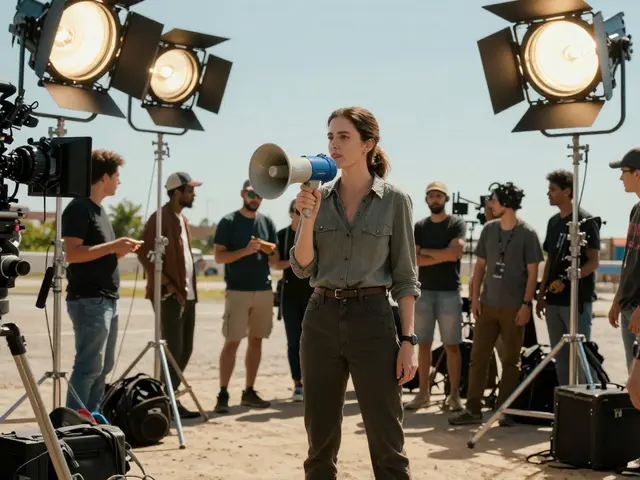
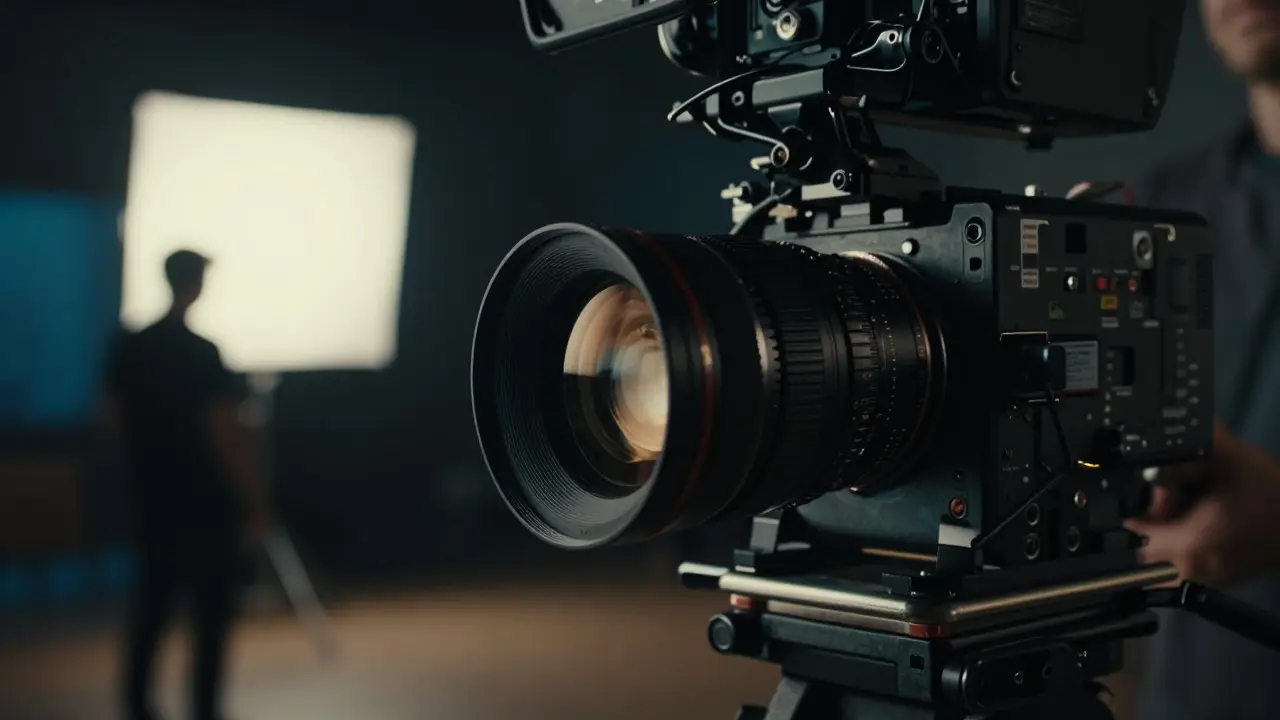
Cinematography is the art and technique of recording live-action motion picture on video, or by using film. It is the first thing your eyes process before you even hear a word of dialogue. A cinematographer, often called the Director of Photography (DP), works closely with the director to translate the script into images. This involves choosing lenses, managing lighting setups, and deciding on color palettes that reflect the mood of the scene.
In recent years, the definition of what wins an award for this category has shifted. It used to be purely about aesthetic beauty-think sweeping landscapes or perfectly lit portraits. Now, it’s often about narrative function. Did the camera movement tell us something the actor couldn’t? Was the lighting choice essential to revealing a character’s internal state? For example, in high-stakes thriller films, handheld camera work might be used to create a sense of instability, while static, wide shots might convey isolation. The Academy looks for innovation in how light and shadow serve the story, not just pretty pictures.
- Lighting: High-key lighting creates brightness and clarity, often used in comedies or musicals. Low-key lighting uses deep shadows to create mystery or tension, common in noir or horror genres.
- Lens Choice: Wide-angle lenses distort perspective slightly, making spaces feel larger or characters more vulnerable. Telephoto lenses compress space, bringing backgrounds closer and isolating subjects.
- Movement: Steadicam shots provide smooth, floating perspectives. Drone shots offer scale. Handheld adds immediacy and chaos.
Film Editing: The Invisible Art of Rhythm
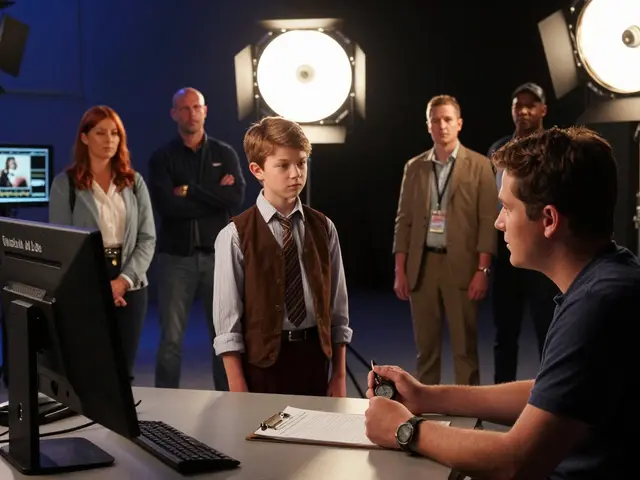
If cinematography is the paint, editing is the brushstroke. Film Editing is the process of assembling footage into a coherent sequence. Many people assume editing is just cutting scenes together. In reality, it is where the film’s tempo, emotion, and logic are finalized. An editor decides how long a shot lingers, when to jump between angles, and how to pace action sequences so they don’t feel rushed or draggy.
The best editing is invisible. You don’t notice the cut; you just feel the flow. However, when editors take risks, it becomes visible and memorable. Think of cross-cutting, where two different storylines are interwoven to build suspense. Or consider match cuts, where the end of one shot visually matches the beginning of another to create a seamless transition. In awards season, editors win not for technical perfection alone, but for how their rhythm enhances the performance and the plot. A well-edited film feels effortless, even if it took months of assembly.
- Continuity Editing: The standard style used in most Hollywood films. It follows strict rules to maintain spatial and temporal consistency, ensuring the audience never gets confused about where characters are or when events happen.
- Jump Cuts: Abrupt cuts within the same shot. Popularized by Jean-Luc Godard, this technique disrupts continuity to create energy or disorientation.
- Montage: A series of short shots edited together to elicit an emotional response or pass time quickly. Think of a training montage in a sports movie.
Sound: The Half of Cinema You Hear
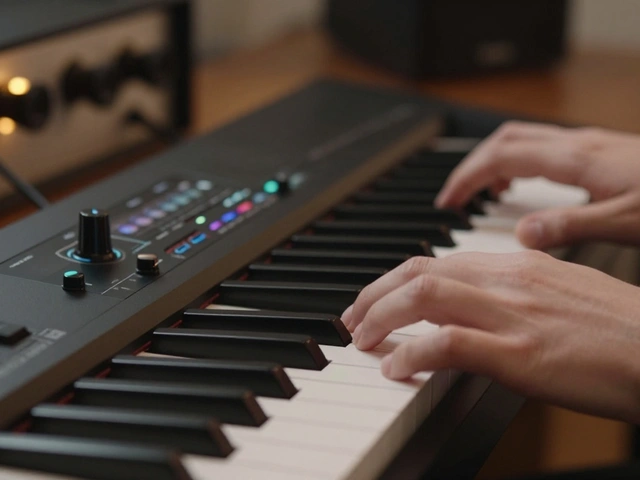
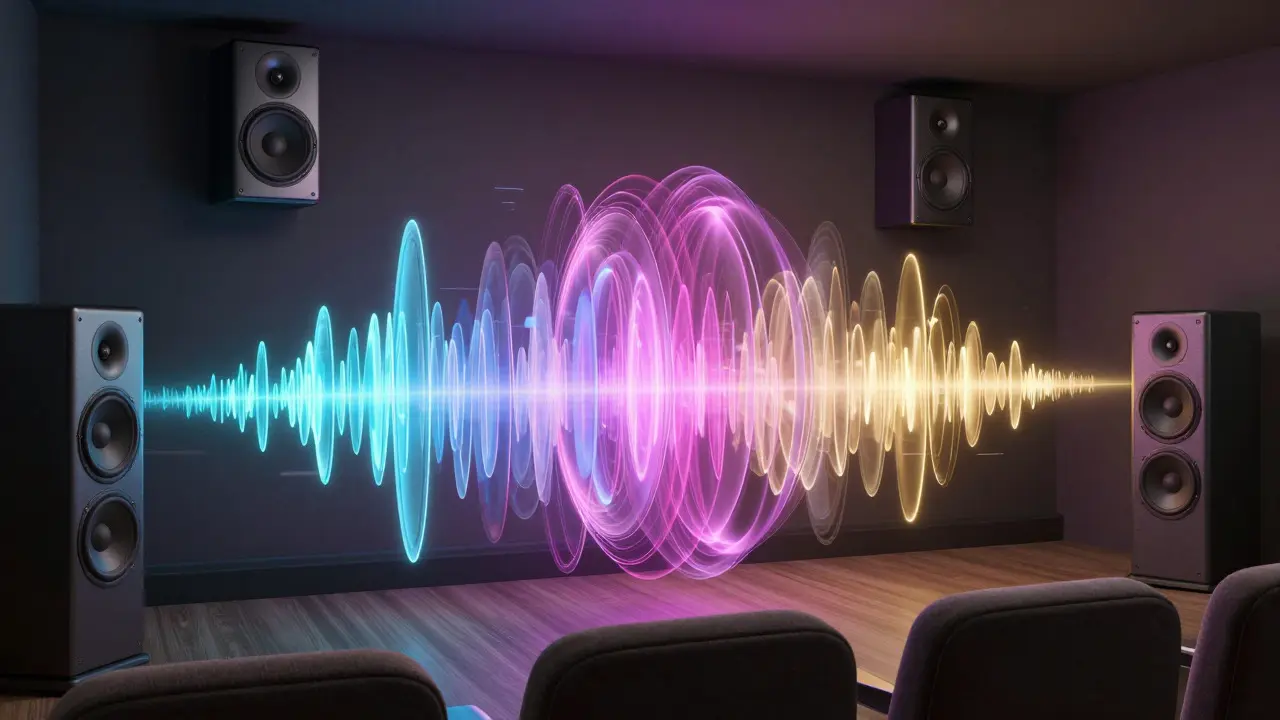
We often say cinema is 50% visuals and 50% sound. Sound Design and Sound Mixing are critical components that shape the auditory experience of a film. While these are sometimes grouped in casual conversation, they are distinct categories in major award bodies like the Oscars. Sound Design focuses on creating specific effects-the whoosh of a sword, the hum of a spaceship, the subtle creak of a floorboard. Sound Mixing deals with balancing all audio elements: dialogue, music, and effects, so that nothing drowns out anything else.
Great sound design can make a quiet room feel threatening or a loud battle feel intimate. It requires a deep understanding of frequency ranges and spatial audio. With the rise of immersive formats like Dolby Atmos, sound is no longer just left-right stereo; it moves around the audience. This changes how composers and mixers approach their work. They are sculpting a three-dimensional soundscape. In awards races, judges look for originality in effect creation and precision in mixing. If you can hear every whisper in a chaotic scene, that’s a sign of excellent mixing.
Comparing the Three Craft Categories
To understand how these fields interact, let’s look at their primary goals and typical challenges. Each discipline requires a different skill set and contributes uniquely to the final product.
| Category | Primary Focus | Key Tools/Techniques | Common Award Criteria |
|---|---|---|---|
| Cinematography | Visual storytelling through light and camera movement | Cameras, Lenses, Lighting rigs, Color grading | Innovation in visual style, narrative contribution of imagery |
| Film Editing | Pacing, rhythm, and logical flow of scenes | Non-linear editing software (Premiere, Avid), Cut points | Seamless transitions, enhancement of performance, structural integrity |
| Sound (Design/Mixing) | Auditory atmosphere and clarity of audio elements | Digital Audio Workstations, Foley, Spatial audio formats | Originality of effects, balance of dialogue/music/effects |
Notice how these categories overlap. A great edit relies on good sound cues to mark transitions. A stunning shot needs proper mixing to ensure the ambient noise doesn’t distract from the visual impact. They are interconnected gears in the same machine.
Why These Categories Matter for Viewers
You might wonder why you should care about the difference between a DP and an editor. Well, because these choices dictate your emotional journey. If a film feels “flat,” it’s likely a lighting or color grading issue. If it feels “rushed,” the editing pace is off. If dialogue is hard to hear, the sound mix failed. By learning to identify these elements, you become a more critical viewer. You stop watching passively and start analyzing actively. This shifts your appreciation from just liking a movie to understanding its craftsmanship.
Moreover, following these races during awards season adds a layer of excitement. It’s not just about who won Best Picture, but which technical team pushed the boundaries. Sometimes, a smaller indie film wins for its unique sound design, while a blockbuster takes home the cinematography trophy for its scale. Watching these debates unfold gives you insight into industry standards and trends.
Common Misconceptions About Technical Awards
One big myth is that these awards are purely objective. They’re not. Taste plays a huge role. What one voter sees as “innovative,” another might see as “gimmicky.” Another misconception is that only big-budget films can win. History is full of low-budget movies winning for exceptional editing or sound because they did more with less. For instance, a clever use of silence in a drama can be more powerful than a massive explosion in an action movie, provided the execution is tight.
Also, many people think the Director wins all the credit. While the Director oversees everything, the Craft Categories recognize the specific expertise of the department heads. The DP controls the look, the Editor controls the flow, and the Sound Supervisor controls the hear. Giving them individual recognition highlights the collaborative nature of filmmaking.
How to Spot Quality in These Areas
So, how do you train your eye and ear? Start by paying attention to specific moments.
- For Cinematography: Watch the shadows. Are they soft or hard? Do they change as the character’s mood shifts? Notice if the camera stays still or moves. Why does it move? Is it following a character or establishing a location?
- For Editing: Pay attention to transitions. Do they feel natural or jarring? In action scenes, count the cuts per minute. If it’s too fast, you might miss details. If it’s too slow, you might get bored.
- For Sound: Listen to the background. Can you distinguish between wind, traffic, and footsteps? In quiet scenes, listen for the “room tone”-the ambient sound of the space. Good sound design makes this invisible but present.
Try watching the same scene twice. The first time, focus on the story. The second time, turn off the audio and just watch the visuals. Then, turn off the visuals and just listen to the sound. This exercise will help you separate the layers and appreciate the complexity involved.
The Future of Craft in Digital Cinema
As technology evolves, so do these categories. Virtual production, where actors perform in front of green screens that display real-time digital backgrounds, is changing cinematography. DPs now have to collaborate with VFX artists in real-time. This blurs the line between practical shooting and digital creation. Similarly, AI tools are starting to assist in editing and sound cleaning, raising questions about what constitutes “human” creativity in these fields. Will an AI-assisted edit still win an award? Probably, as long as the human intent is clear. The tool doesn’t matter; the result does.
Ultimately, the goal of these craft categories is to elevate the medium. They push filmmakers to innovate, to take risks, and to refine their skills. Whether you’re a filmmaker, a student, or a casual viewer, understanding these elements enriches your experience. It turns watching a movie into studying a piece of art. And that’s a reward worth pursuing.
What is the difference between sound design and sound mixing?
Sound design focuses on creating specific audio effects, such as footfalls, vehicle noises, or abstract sonic textures. Sound mixing involves balancing all audio elements-dialogue, music, and effects-so that they are clear and harmonious in the final output. One creates the sounds; the other arranges them.
Who usually wins the cinematography award?
Typically, films with strong visual identities and innovative use of light or camera movement tend to win. It is often large-scale productions or highly stylized dramas. However, smaller films can win if their visual approach is uniquely effective for the story.
Is film editing considered an art form?
Yes, absolutely. Editing is where the film’s rhythm and emotional arc are defined. Great editors make invisible choices that guide the audience’s attention and feeling without drawing attention to themselves. It is a creative discipline as much as it is a technical one.
How does virtual production affect cinematography awards?
Virtual production allows DPs to control lighting and backgrounds digitally in real-time. This introduces new techniques and blends photography with VFX. Award voters are increasingly recognizing films that use this technology creatively to enhance realism or fantasy, rather than just for cost-saving.
Can a movie win for editing without being an action film?
Yes. Dramas, comedies, and documentaries frequently win for editing. The key is how the pacing supports the narrative. A drama might win for its subtle timing of reactions, while a documentary might win for weaving multiple interviews into a cohesive story.