
Ever wondered why some films feel like they are everywhere in January while others vanish after their theatrical run? It is not just luck. It is a calculated machine of PR, screenings, and strategic timing known as the award campaign. For major studios, the path to the Academy Awards is less about artistic merit alone and more about visibility, narrative control, and relationship management. If you have ever asked yourself how a movie becomes "the" movie of the year, the answer lies in the months-long effort that begins long before the red carpet.
The Anatomy of an Award Campaign
An award campaign is a specialized subset of film marketing designed specifically to influence voting bodies. Unlike standard box office marketing, which targets general audiences, these efforts target critics, journalists, industry insiders, and-most importantly-the voters themselves. The primary goal is not just to get people to see the film, but to ensure they remember it when ballots go out in February or March.
These campaigns typically launch six to nine months before the ceremony. Studios hire dedicated publicity firms, often with deep ties to the entertainment press. These teams manage everything from securing interviews with key cast members to organizing private screenings for foreign press and guild members. The timeline is rigid. Miss a window, and you risk being forgotten by the time voting opens.
Key Players and Strategies
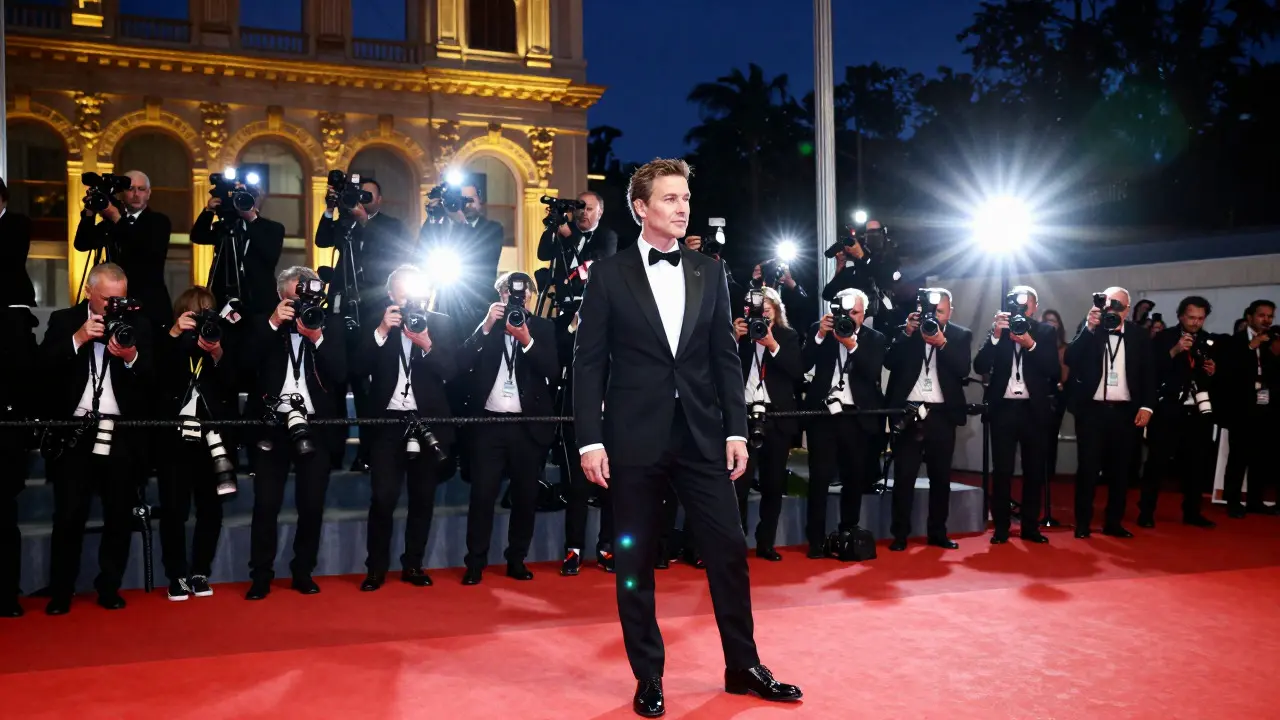
Who actually runs the show? It is a coalition of internal studio executives, external publicists, and sometimes even the talent themselves. Actors often become de facto ambassadors, traveling to cities where major guilds hold their events. Directors might do exclusive interviews with trade publications like Variety or The Hollywood Reporter to shape the critical consensus.
There are three main strategies studios employ:
- The Prestige Play: Targeting high-profile festivals like Cannes or Venice first to build buzz among international critics, then rolling out domestically.
- The Grassroots Approach: Focusing on smaller markets and independent theaters to build word-of-mouth momentum before hitting major metros.
- The Blitz: A sudden, heavy saturation of media coverage in the weeks leading up to nominations, often triggered by a specific catalyst like a major review or actor performance.
Timing Is Everything
In the world of awards, timing is not just important; it is existential. The Academy has specific rules about release dates, but the real game is played in the calendar gaps. Films released too early fade from memory. Films released too late don't have enough time to build support.
For example, a drama released in November gives voters plenty of time to see it, discuss it, and write reviews. A comedy released in December might struggle if it doesn't have strong holiday appeal. Studios analyze historical data meticulously. They know that certain genres perform better in specific quarters. This data-driven approach means that release dates are often chosen not for maximum box office potential, but for maximum awards eligibility and visibility.
| Strategy | Primary Goal | Best For | Risk |
|---|---|---|---|
| Prestige Play | Critical acclaim | Dramas, Foreign Films | Limited domestic reach initially |
| Grassroots | Word-of-mouth growth | Indie Dramas, Documentaries | Slow start, requires sustained budget |
| Blitz | Nomination momentum | Big Budget Blockbusters | Can feel artificial if overdone |
The Role of Digital Media and Social Proof
Gone are the days when print reviews were the only currency. Today, social media sentiment plays a massive role. Studios monitor Twitter (now X), Instagram, and TikTok for organic reactions. If a scene goes viral, publicists amplify it immediately. Conversely, if a negative trend starts, they work to counterbalance it with positive highlights.
Streaming platforms have also changed the landscape. With titles available on demand, voters can watch at their own pace. However, this also means competition is fiercer. You are not just competing with other theatrical releases; you are competing with every series and documentary on a streaming service. To stand out, campaigns now include digital-exclusive content, behind-the-scenes reels, and direct-to-voter messaging via email newsletters.

Common Pitfalls and Why Some Campaigns Fail
Not every big-budget film wins awards, and not every indie darling gets nominated. What goes wrong? Often, it is a mismatch between the film's tone and the campaign's message. Trying to pitch a quirky comedy as a serious prestige drama confuses voters. Or, the campaign starts too late. By the time the publicity team wakes up, the conversation has already moved on to the next hot topic.
Another common mistake is ignoring the "buzz" factor. Awards are driven by momentum. If a film isn't generating headlines or social media chatter, it struggles to gain traction. Publicists need to create news hooks-interviews, premieres, or cultural moments-that keep the film relevant week after week.
What to Watch For in the Next Season
As we look ahead to the upcoming cycle, keep an eye on the release calendars of major studios. Look for clusters of dramas releasing in October and November. Notice which actors are doing extensive press tours. And pay attention to which films are getting early festival premieres. These are the signals that a serious award campaign is underway. Whether you are a fan of cinema or just curious about the industry, understanding these mechanics adds a new layer of appreciation to the films you watch.
How much does an award campaign cost?
Costs vary wildly. For a major studio blockbuster, it can range from $5 million to over $20 million. For an independent film, it might be under $1 million, relying more on grassroots efforts and limited screenings rather than mass advertising.
Do award campaigns guarantee nominations?
No. They increase the likelihood by ensuring visibility and shaping perception, but voter preference ultimately decides. A poorly received film can have a huge campaign and still fail to get nominated, while a well-loved film with a modest push can surprise everyone.
When does the official campaign period start?
While there is no single "start date," most major campaigns begin six to nine months before the ceremony. This allows time for initial releases, critic screenings, and building momentum leading up to the nomination announcements.
How do streaming films compete in award campaigns?
Streaming services use targeted digital marketing, exclusive behind-the-scenes content, and direct communication with voters. They often rely on strong performances by recognizable stars and high production values to justify their inclusion in the conversation alongside theatrical releases.
Is it ethical to manipulate voters through campaigns?
This is a debated topic. Proponents argue it is simply marketing, similar to any other product launch. Critics argue it distorts artistic merit by prioritizing visibility over quality. Most agree that while transparency is increasing, the line between promotion and manipulation remains blurry.






Comments(8)