Imagine watching a movie where every gesture, phrase, and family dynamic feels undeniably real. That sense of immersion doesn't happen by accident. It is the direct result of authentic story consultants working behind the scenes to bridge the gap between creative vision and lived experience. These professionals are no longer just a nice-to-have for big-budget blockbusters; they have become essential partners in the modern film industry. Their role goes far beyond checking boxes on a diversity list. They ensure that stories about specific communities are told with respect, precision, and emotional truth.
The shift toward hiring these experts marks a significant maturation in how Hollywood approaches representation. For decades, scripts were often written in a vacuum, relying on stereotypes or surface-level research. Today, producers recognize that if you get the culture wrong, you lose the audience. Authenticity is the new currency of credibility. By integrating cultural advisors early in the pre-production phase, studios can avoid costly reshoots, mitigate public backlash, and create films that resonate deeply with both niche and mainstream viewers.
Who Are Authentic Story Consultants?
Authentic Story Consultants are specialized professionals who provide expert guidance on cultural, linguistic, and historical accuracy within film and television narratives. Also known as Cultural Advisors, they serve as the primary link between the creative team and the community being depicted. Unlike generalist script doctors who focus solely on plot structure, these consultants bring deep, insider knowledge of specific demographics, traditions, and social dynamics.
These consultants come from diverse backgrounds. Some are academics with degrees in anthropology or sociology, while others are community leaders, linguists, or former actors from the specific culture being portrayed. Their value lies in their ability to identify subtle inaccuracies that an outsider might miss. For example, a consultant might notice that a character’s body language contradicts the social hierarchy of their family background, or that a slang term used in a dialogue is outdated by five years. This level of detail creates a layer of realism that standard editing passes often overlook.
The scope of their work has expanded significantly over the last decade. While they were once primarily hired for period pieces or foreign-language films, they are now standard hires for contemporary dramas, comedies, and even superhero franchises featuring diverse casts. The demand reflects a broader industry trend toward global storytelling, where audiences expect characters to feel like real people rather than caricatures.
The Core Responsibilities in Production
Working with a consultant is not a one-time event; it is an ongoing process that spans multiple stages of production. Their involvement typically begins during the development phase, where they review the initial script or treatment. At this stage, they flag potential issues before expensive sets are built or actors are cast. If a scene relies on a cultural trope that has been debunked for years, it is much cheaper to fix it on the page than on set.
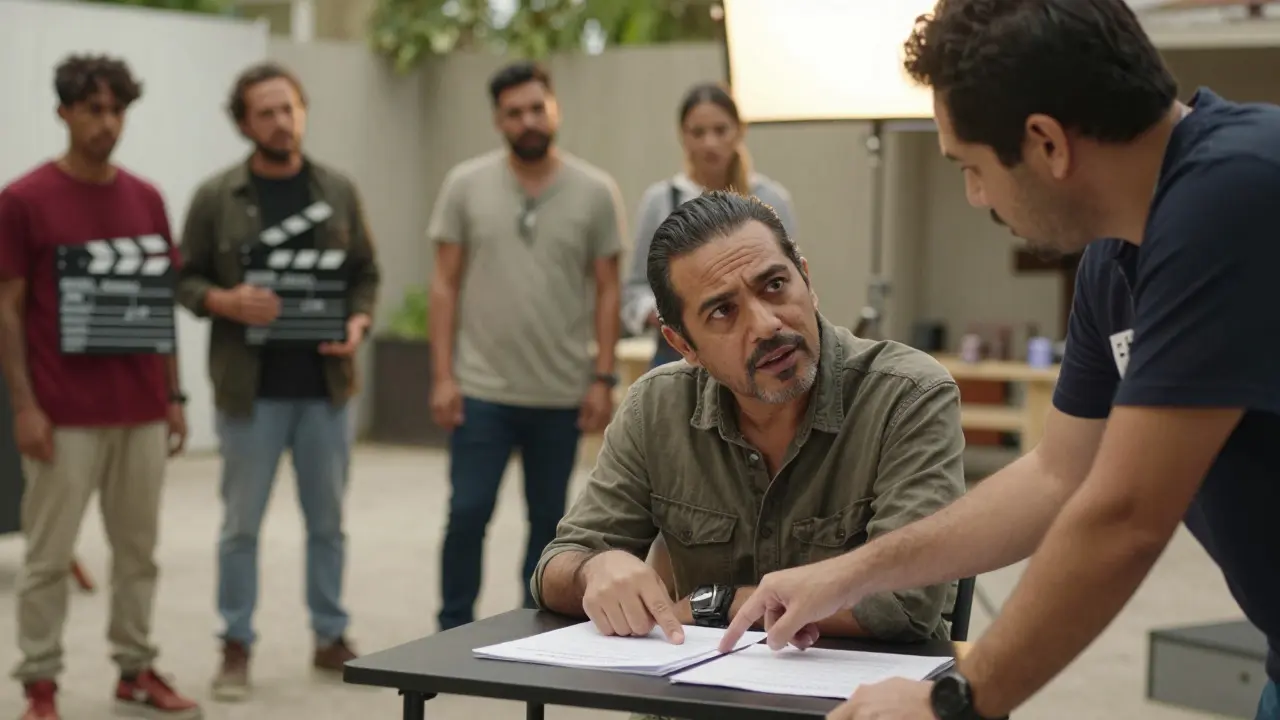
Once filming begins, the consultant often works closely with directors and casting directors. They help select actors who can authentically deliver lines in specific dialects or accents. They also advise on wardrobe, props, and set design to ensure visual details align with cultural norms. For instance, the way a table is set for a dinner scene in a Korean household differs significantly from an Italian one, and getting those details right signals respect to the viewer.
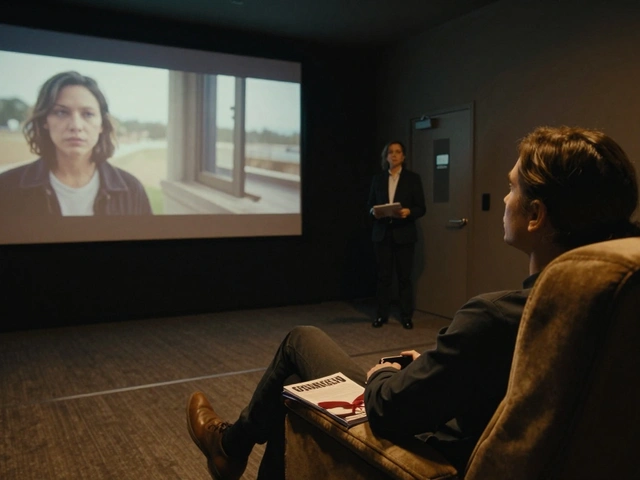
During post-production, the consultant reviews dailies and final cuts. They check for continuity errors related to cultural practices and ensure that subtitles or dubbing scripts maintain the original intent. This final pass acts as a quality control mechanism, catching nuances that editors focused on pacing might ignore. The goal is to ensure that the finished product feels cohesive and respectful from start to finish.

Why Representation Accuracy Matters
Accuracy is not just about avoiding offense; it is about honoring the complexity of human experience. When a story gets the details right, it validates the experiences of the people living those lives. This validation builds trust between the filmmakers and the audience. Viewers from underrepresented groups are highly attuned to missteps. A single inaccurate gesture can break their immersion and lead to critical reviews that highlight the lack of research.
Conversely, when done well, authentic representation expands the market reach of a film. Audiences are increasingly willing to support projects that demonstrate genuine effort in understanding different perspectives. This approach fosters a deeper emotional connection, making the story more compelling regardless of the viewer's background. It transforms a simple plot into a window into another world, offering educational value alongside entertainment.
Furthermore, accurate representation helps dismantle harmful stereotypes. By showing characters in their full humanity-flawed, complex, and relatable-films contribute to a broader societal shift in perception. This impact extends beyond the theater, influencing how people interact with each other in daily life. The ripple effect of good storytelling is powerful, shaping cultural narratives for years to come.
Comparing Consultant Roles and Focus Areas
Not all cultural advisors do the same thing. Depending on the project's needs, different types of consultants may be brought on board. Understanding these distinctions helps production teams hire the right expertise for their specific story.
| Consultant Type | Primary Focus | Key Deliverables | Best For |
|---|---|---|---|
| Linguistic Advisor | Dialects, accents, and language nuances | Dialogue polishing, accent coaching notes | Films with heavy non-English dialogue or regional dialects |
| Sociocultural Expert | Social norms, family structures, rituals | Script notes, set design guidelines | Dramas focusing on family dynamics or traditional settings |
| Historical Researcher | Period-specific customs and events | Factual verification reports, prop lists | Period pieces and historical biographies |
| Community Liaison | Public perception and community relations | Feedback sessions, local talent sourcing | Projects filmed in specific local communities |
Most large-scale productions will employ a combination of these roles. For example, a historical drama set in 1950s Japan might need a historical researcher for the political context, a linguistic advisor for the Japanese dialogue, and a sociocultural expert for the etiquette surrounding business meetings. This layered approach ensures that no aspect of the culture is overlooked.

Common Pitfalls and How to Avoid Them
Even with the best intentions, productions can stumble if they treat the consulting process as a formality. One common mistake is bringing in the consultant too late in the game. If the script is locked and shooting is imminent, the consultant’s feedback may be ignored due to time constraints. To avoid this, integrate them during the outline phase. Treat their insights as foundational, not corrective.
Another pitfall is limiting the consultant’s access to the set. If they only review scripts but never see the actors perform, they miss crucial non-verbal cues. Body language, timing, and tone are vital components of authenticity. Allowing the consultant to observe rehearsals and dailies provides a holistic view of the performance. This visibility allows them to offer nuanced feedback that improves the final cut.
Finally, avoid treating the consultant as a gatekeeper rather than a collaborator. Their role is to enhance the story, not to censor it. Open communication channels where the director can explain their artistic vision and the consultant can explain cultural context lead to the best outcomes. When both sides listen, the result is a richer, more believable narrative.
The Future of Cultural Consulting in Film
As streaming platforms continue to dominate the entertainment landscape, the pressure for diverse content is increasing. Global audiences are consuming content from all corners of the world, which means the bar for authenticity is rising. Audiences are more educated and connected than ever, capable of spotting inconsistencies instantly through social media. This transparency holds filmmakers accountable and rewards those who invest in proper research.
We can expect to see more specialized consultants emerging in niche areas. As stories explore more specific subcultures, professions, or geographic locations, the need for hyper-specific expertise will grow. Technology may also play a role, with digital archives and AI tools assisting consultants in verifying historical facts faster. However, the human element-the ability to understand emotion and nuance-will remain irreplaceable.
Ultimately, the rise of authentic story consultants signals a healthier industry. It acknowledges that storytelling is a collaborative act that benefits from diverse voices. By valuing expertise and respecting lived experience, filmmakers create art that stands the test of time. The result is not just better movies, but a more empathetic society.
What is the difference between a script doctor and a cultural consultant?
A script doctor focuses on plot structure, pacing, and character arcs, regardless of setting. A cultural consultant focuses specifically on the accuracy of cultural, linguistic, and social details. While a script doctor asks "Does this scene move the story forward?", a cultural consultant asks "Does this scene reflect reality accurately?" Both roles are complementary and often work together.
When should a production hire a cultural advisor?
Ideally, as early as possible, during the development or outlining phase. Hiring them early allows for structural changes that are cheaper and easier to implement. Waiting until post-production limits their impact to minor tweaks, missing opportunities to deepen the narrative foundation.
Do independent films need cultural consultants?
Yes, though the scale may be smaller. Independent films often rely heavily on word-of-mouth and critical acclaim. Authenticity can be a major selling point for indie projects. Even with limited budgets, hiring a part-time consultant or conducting community screenings for feedback can significantly improve accuracy and reception.
How does a consultant handle creative disagreements?
Effective consultants present their findings as options rather than mandates. They explain the cultural context and let the director decide what serves the story best. The goal is collaboration, ensuring the director understands the implications of their choices without feeling micromanaged.
Can one consultant cover multiple cultures in a single film?
It depends on the depth required. If a film features three distinct cultures with significant screen time, it is best to hire separate specialists for each. A generalist may lack the depth needed for nuanced portrayal. However, for brief appearances or background elements, a broad-spectrum consultant may suffice.