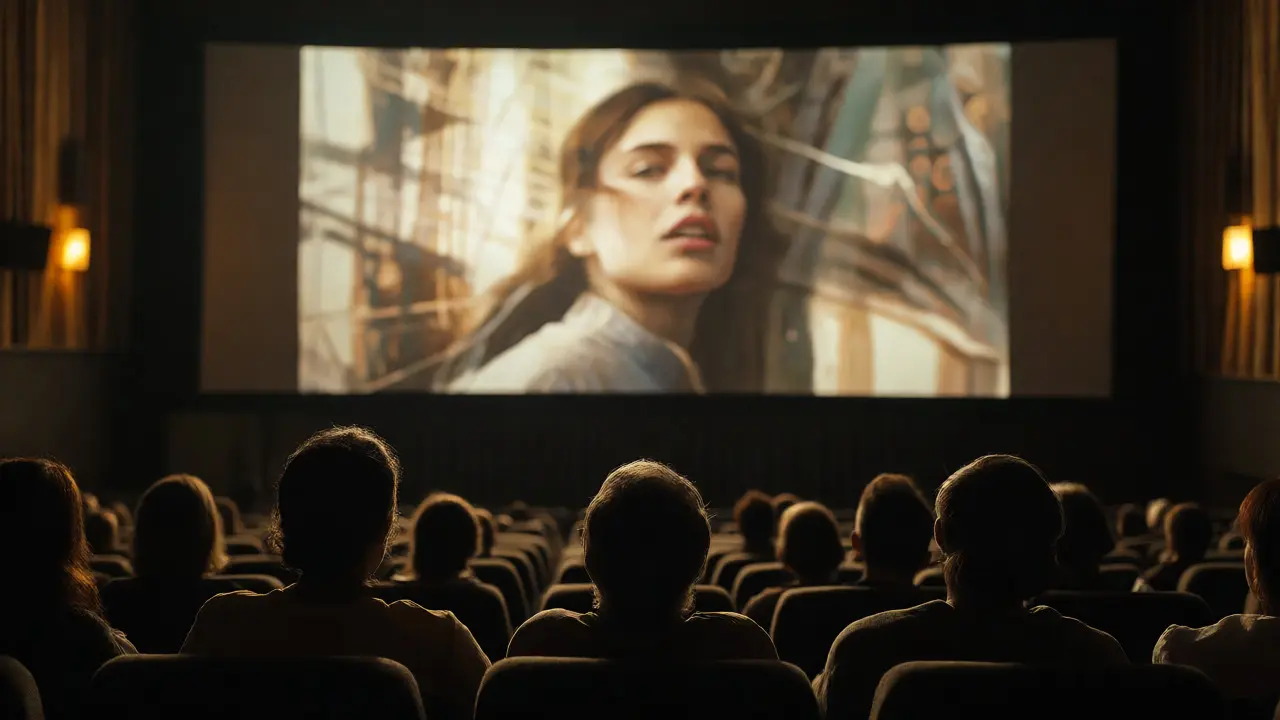
You know that feeling when you leave a blockbuster theater? You’re entertained, maybe even thrilled, but your brain is essentially in neutral. Now compare that to walking out of a screening at a local art house venue like the Asheville Film Festival or the Biltmore Estate’s outdoor cinema. You might feel confused, unsettled, or even bored. But three hours later, you’re still thinking about a specific shot composition or a line of dialogue that didn’t make sense at the time. That friction is the point.
Art house cinema isn’t just a label for movies with low budgets and weird endings. It’s a deliberate rejection of the standard Hollywood formula. While mainstream studios chase four-quadrant appeal-trying to please everyone from teenagers to grandparents-art house directors chase a singular vision. They prioritize aesthetic experimentation over narrative convenience. If you’ve ever wondered why some films feel like moving paintings while others feel like rollercoasters, this guide breaks down what makes independent films challenge our visual expectations.
The Core Difference: Narrative vs. Experience
Hollywood operates on a strict cause-and-effect logic. Character wants something -> Obstacle appears -> Character struggles -> Resolution. This structure is comforting because it’s predictable. Art house cinema often dismantles this chain. Instead of asking "What happens next?", these films ask "How does this moment feel?"
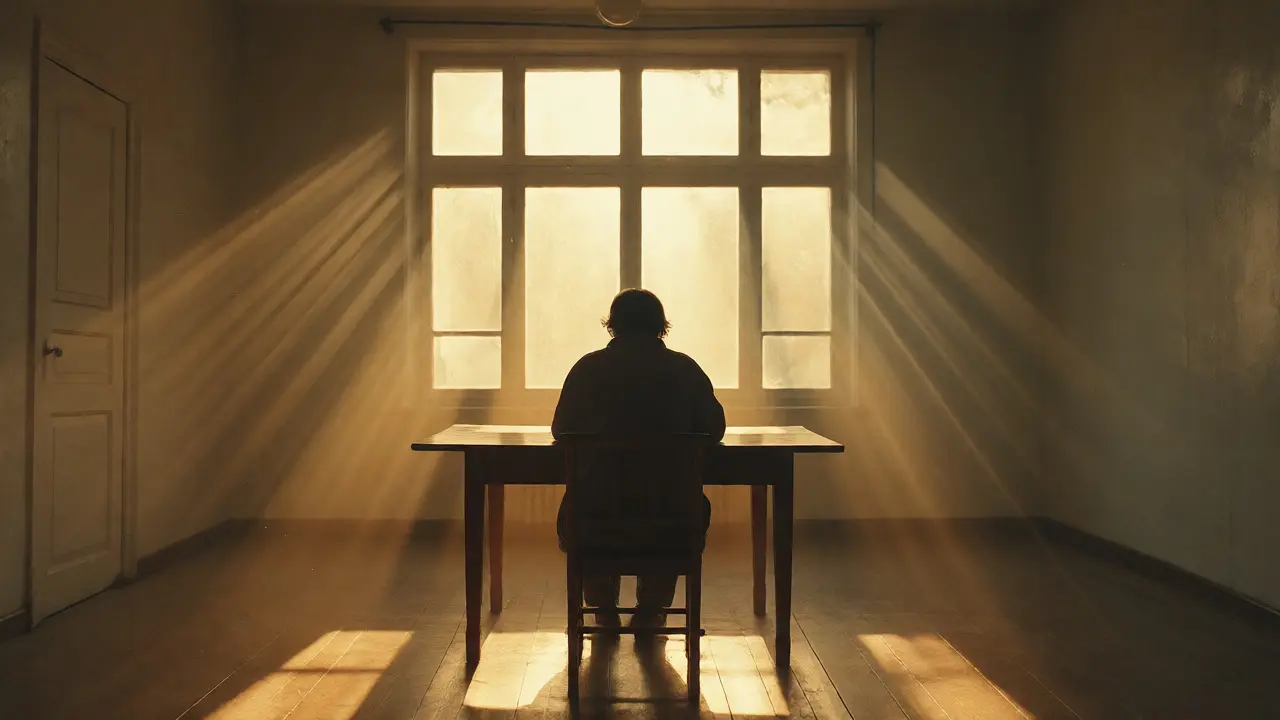
Take the concept of slow cinema. Critics often dismiss long takes as pretentious, but they serve a functional purpose. By holding a camera on a static scene for two minutes instead of cutting every five seconds, the director forces you to observe details you’d normally miss-the way light hits a wall, the subtle shift in an actor’s breathing. It shifts your role from passive consumer to active participant. You have to work to find the meaning, which makes the payoff more personal.
This isn't new. The roots go back to the French New Wave of the late 1950s, where directors like Jean-Luc Godard broke editing rules. But today’s landscape is different. Digital cameras have lowered the barrier to entry, allowing filmmakers in places like Asheville, North Carolina, to create high-concept works without million-dollar budgets. The aesthetic challenge now isn't just technical; it's philosophical. These films question whether traditional storytelling is actually realistic, or if life is more fragmented and ambiguous than a three-act structure suggests.
Key Aesthetic Challenges in Modern Indie Film
If you want to spot an art house film before you buy a ticket, look for these specific aesthetic choices. They aren't random quirks; they are tools used to disrupt your comfort zone.
- Non-Linear Time: Unlike flashbacks in Marvel movies, which usually clarify plot points, art house films use non-linear timelines to mimic memory. Think of how Eternal Sunshine of the Spotless Mind fragments reality to show emotional decay rather than chronological events.
- Ambiguous Endings: Mainstream films resolve conflicts. Art house films often end mid-thought. This isn't laziness; it reflects the unresolved nature of real life. You’re left sitting with the uncertainty, which lingers longer than a tidy bow.
- Visual Minimalism: Notice the lack of score. Many indie films rely on ambient sound or silence. When music is used, it’s often diegetic (coming from within the scene, like a radio) rather than manipulative orchestral swells telling you how to feel.
- Long Takes: Directors like Béla Tarr or Andrei Tarkovsky are famous for shots lasting several minutes. This technique removes the safety net of editing, forcing actors to perform continuously and audiences to endure the passage of real-time.
Why Do We Watch Movies That Make Us Uncomfortable?
It seems counterintuitive. We pay for entertainment, so why seek out difficulty? Psychologists suggest that cognitive effort enhances reward processing. When you have to decode a complex symbol or sit through a tense, silent dinner scene, your brain engages more deeply. This deep engagement creates a stronger memory trace.
Consider the difference between watching a thriller and watching a piece of avant-garde cinema. In a thriller, you are safe. You know the hero will survive. In avant-garde work, nothing is guaranteed. The aesthetic challenge removes the safety rails. This vulnerability allows for a broader range of emotions-not just excitement, but existential dread, melancholy, or profound beauty. For many viewers, especially those tired of algorithm-driven content recommendations, this unpredictability is refreshing.
There’s also a community aspect. Discussing a confusing film builds social bonds. You debate interpretations with friends, creating a shared narrative around the viewing experience. This transforms the movie from a product into a conversation starter.
Spotlight on Contemporary Voices
To understand where art house cinema is going, look at who is pushing boundaries right now. These directors aren't just making "small" movies; they are redefining what film can do visually and narratively.
| Director | Notable Film | Aesthetic Technique | Thematic Focus |
|---|---|---|---|
| Ari Aster | Midsommar | Bright daylight horror, symmetrical framing | Grief, cult dynamics, emotional manipulation |
| Celine Sciamma | Portrait of a Lady on Fire | Painterly lighting, minimal dialogue | Feminist gaze, memory, forbidden love |
| Apichatpong Weerasethakul | Memoria | Sound design focus, dreamlike pacing | Memory, colonial history, sensory perception |
| Kelly Reichardt | First Cow | Static wide shots, naturalistic acting | Capitalism, friendship, American frontier |
Ari Aster challenges the genre of horror by removing darkness. Most scary movies hide things in shadows; Aster shows you everything in bright sunlight, making the horror psychological rather than jump-scare based. Celine Sciamma uses the camera to replicate the act of looking itself, turning the viewer into a voyeur who understands the weight of being seen. Apichatpong Weerasethakul, working primarily in Thailand, uses sound to blur the line between waking life and dreams, challenging Western reliance on visual dominance.
How to Start Watching Art House Cinema
If you’re used to fast-paced blockbusters, jumping straight into a three-hour black-and-white Hungarian drama might be too much. Here’s a practical approach to building your palate.
- Start with Accessible Weirdness: Begin with films that have strong narratives but unusual styles. Parasite by Bong Joon-ho is a great bridge-it’s a thriller but subverts genre expectations constantly. Or try Everything Everywhere All At Once, which mixes absurdity with deep emotional core.
- Watch with Context: Don’t go in blind. Read a brief synopsis or watch a trailer that focuses on tone rather than plot spoilers. Knowing the director’s intent helps you appreciate their choices.
- Embrace the Boredom: If you feel bored during a slow scene, don’t check your phone. Ask yourself: Why did the director keep the camera here? What am I noticing? Often, the boredom is part of the thematic point-life is often boring, and these films reflect that truth.
- Seek Out Local Festivals: Places like Asheville host smaller festivals that showcase regional talent. Supporting local independent filmmakers gives you access to voices that never hit Netflix. Check listings for events like the Black Mountain Film Festival.
The Future of Independent Aesthetics
We are currently seeing a backlash against digital perfection. As AI-generated images become common, there is a renewed appreciation for the imperfections of analog film stock and practical effects. Art house cinema is leading this charge, using grain, lens flares, and natural lighting not as flaws, but as signatures of authenticity.
Furthermore, streaming platforms are struggling to categorize these films. Algorithms favor engagement metrics like completion rates, which penalizes difficult films. However, curated services like MUBI or Criterion Channel thrive on human curation, proving that audiences still crave discovery over convenience. The future of art house cinema likely lies in hybrid models-short-form experimental pieces on TikTok alongside feature-length works in theaters.
Ultimately, art house cinema challenges us to slow down. In a world designed for rapid consumption, taking ninety minutes to stare at a painting-like frame is an act of rebellion. It reminds us that film is an art form capable of nuance, ambiguity, and beauty, not just a delivery system for plot twists.
What is the main difference between art house and mainstream cinema?
Mainstream cinema prioritizes narrative clarity, broad audience appeal, and commercial viability, typically following a three-act structure. Art house cinema prioritizes directorial vision, aesthetic experimentation, and thematic depth, often sacrificing plot coherence for emotional or intellectual impact.
Why do art house films often have slow pacing?
Slow pacing allows viewers to engage more deeply with the visual and auditory details of a scene. It mimics the rhythm of real life and encourages introspection, contrasting with the rapid editing of action films which dictates emotion through speed and cuts.
Is art house cinema always boring?
Not necessarily. While some films require patience, many are intellectually stimulating or visually stunning. What feels "boring" to one viewer may be meditative to another. The discomfort often comes from unfamiliarity with non-traditional storytelling structures rather than a lack of interest.
Where can I watch independent art house films?
Specialized streaming services like MUBI and The Criterion Channel offer curated selections. Additionally, local independent theaters and film festivals, such as Sundance or regional events like the Asheville Film Festival, are primary venues for new releases.
Do art house films need subtitles?
Many do, as international co-productions are common in the independent sector. Even domestic art house films sometimes use subtitles for dialect-heavy dialogue or to emphasize the textural quality of speech, treating language as a visual element.


Comments(6)