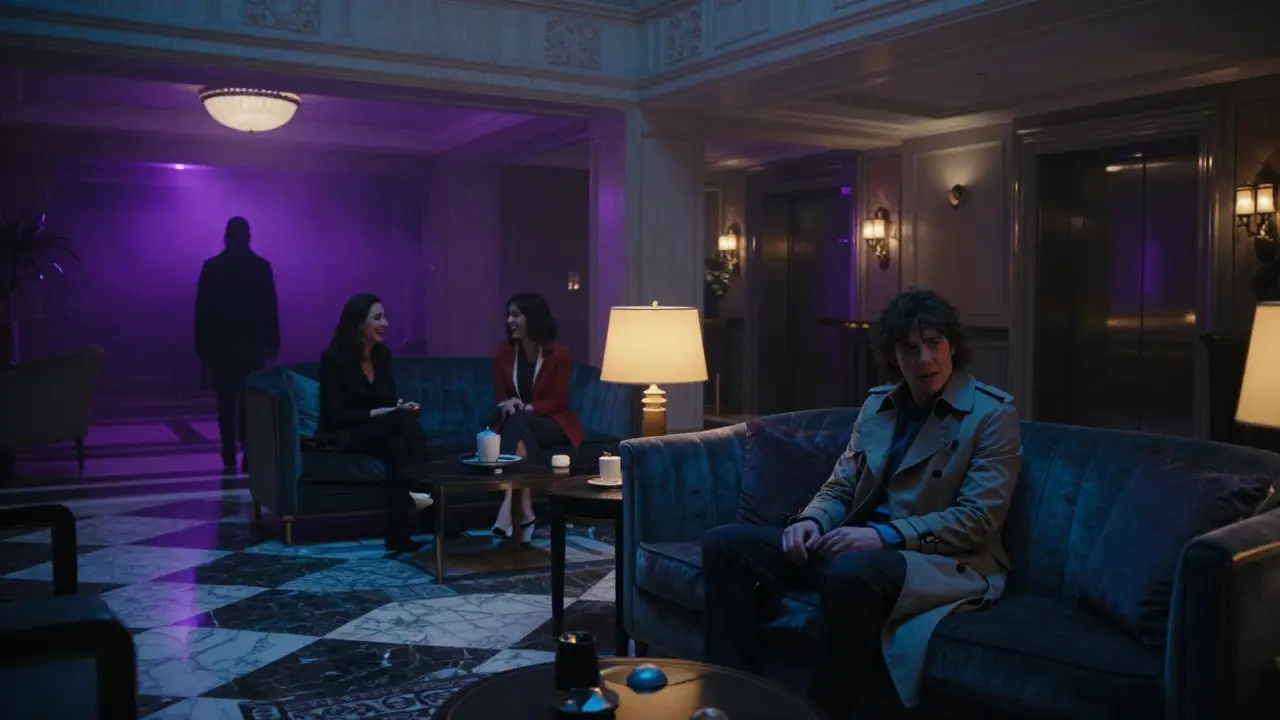
Imagine watching a movie that feels less like a single journey and more like a playlist of distinct emotional experiences. That is the power of anthology films, which are cinematic works composed of multiple short stories or segments, often linked by a common theme, setting, or stylistic element rather than a continuous plot. In recent years, this format has moved from the edges of experimental cinema to the center of mainstream commercial success. Studios now use anthology structures to explore complex genre storytelling in ways that traditional three-act structures simply cannot achieve.
The core appeal lies in variety. Instead of committing to one tone for two hours, an anthology allows filmmakers to shift gears rapidly. One chapter might be a tense thriller, while the next offers a slice-of-life comedy. This flexibility enables a deeper exploration of specific genres by isolating their core mechanics without the burden of long-term character development across a feature-length runtime. For audiences, it means a fresh start every twenty to thirty minutes, keeping engagement high even when the pacing slows down in individual segments.
Defining the Structure of Chaptered Features
At its heart, a chaptered feature relies on modular construction. Each segment functions as a self-contained unit with its own beginning, middle, and end. However, these units are not entirely isolated. They are bound together by what we call connective tissue. This could be a recurring location, like a hotel lobby or a small town, or a shared temporal constraint, such as events happening over a single night. The most effective anthologies balance independence with cohesion. If the chapters feel too disconnected, the film risks feeling like a collection of unrelated shorts. If they are too tightly woven, the audience may lose the refreshing novelty of each new story.
Consider the structural rhythm. A successful anthology often follows a pattern of escalation or contrast. Filmmakers might alternate between high-stakes drama and low-key introspection to prevent fatigue. This rhythmic variation is crucial for maintaining momentum. When you watch a standard feature, the tension builds gradually toward a climax. In an anthology, the climaxes happen frequently and at different intensities. This creates a jagged emotional landscape that keeps viewers guessing about what tone comes next. It is a strategic choice that prioritizes thematic resonance over linear progression.
Genre Hybridization and Narrative Freedom
One of the biggest advantages of the anthology format is its ability to hybridize genres seamlessly. In a traditional horror film, introducing a romantic subplot can feel jarring if not handled carefully. But in an anthology, you can dedicate one entire chapter to pure psychological horror and the next to a grounded romance that serves as a breather. This allows directors to experiment with tonal shifts that would be risky in a standalone feature. You see this clearly in recent productions where sci-fi concepts are blended with family drama in separate segments, allowing the audience to process the speculative elements before returning to the human stakes.
This freedom also benefits actors. Casting a diverse ensemble allows for a showcase of range. An actor known for action roles can take on a quiet, dramatic part in one chapter, while another known for comedies can deliver a terrifying performance in the next. This cross-pollination of talent adds a layer of meta-commentary to the viewing experience. Audiences enjoy seeing familiar faces in unfamiliar contexts. It breaks typecasting and highlights the versatility of the cast, adding value beyond the plot itself.
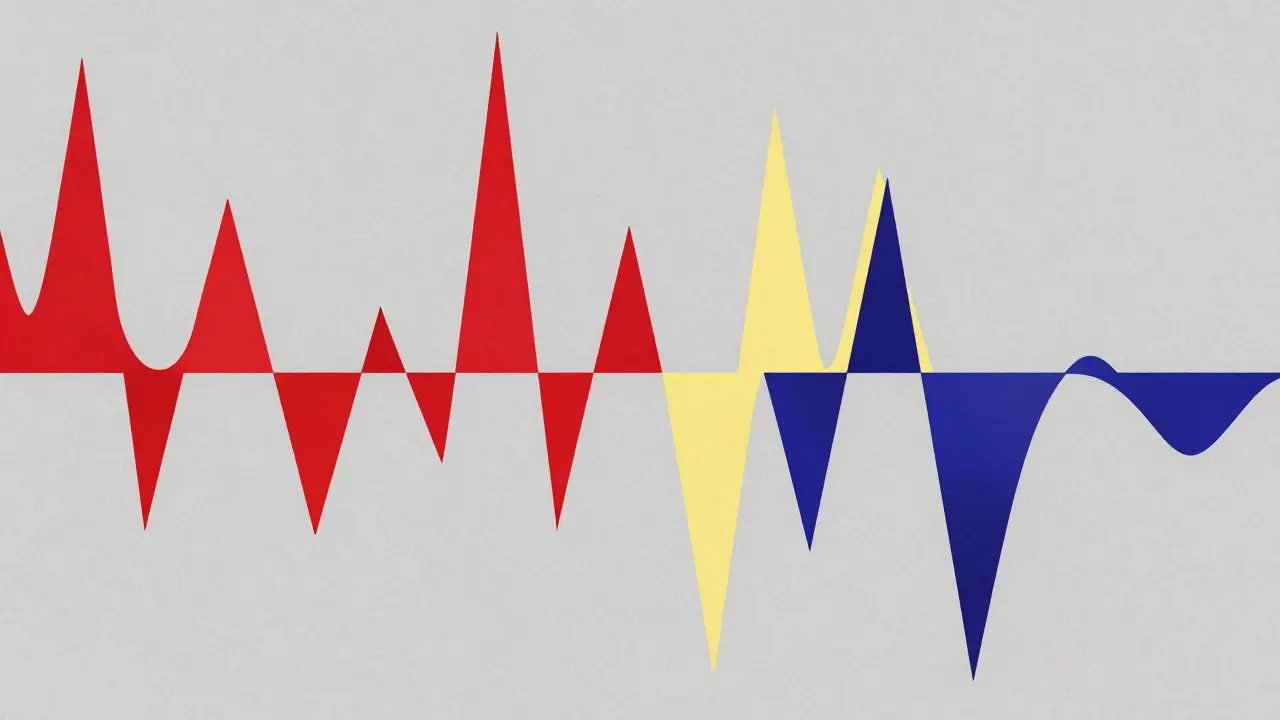
Thematic Cohesion vs. Plot Continuity
A common misconception is that anthology films lack a central plot. While they often lack a continuous narrative thread, they almost always possess a strong thematic core. This theme acts as the glue holding the disparate chapters together. For example, a film might explore the concept of "memory" through five different stories. One chapter deals with literal amnesia, another with nostalgic flashbacks, and a third with digital data storage. The plot points change, but the thematic question remains constant. This approach invites the audience to engage intellectually, connecting the dots between segments to find a unified meaning.
When the thematic link is weak, the film suffers. Viewers may finish the movie feeling like they watched five separate short films rather than one cohesive work. To avoid this, screenwriters must ensure that each chapter answers a different aspect of the central theme. The first chapter might introduce the problem, the second complicates it, and the final chapter resolves it or leaves it open-ended. This thematic arc provides the satisfaction of a complete narrative journey, even if the characters never meet.
| Feature | Traditional Feature | Anthology Film |
|---|---|---|
| Narrative Structure | Linear, continuous plot | Modular, segmented chapters |
| Tonal Consistency | Generally uniform throughout | Varies significantly per chapter |
| Casting Strategy | Lead-focused ensemble | Diverse rotating cast per segment |
| Risk Profile | High risk if pacing fails | Moderate risk; failure isolated to one segment |
| Audience Engagement | Sustained attention on one story | Renewed interest with each new chapter |
Production Considerations and Budgeting
Producing an anthology film presents unique logistical challenges. Unlike a standard feature, which requires a consistent set design and lighting scheme for continuity, an anthology often demands rapid location changes and varied visual styles. This can complicate scheduling. However, it also offers budgetary efficiencies. Because each chapter is shorter, production costs for sets and special effects can be lower per segment. Directors can focus resources on specific visual spectacles in one chapter without needing to sustain that level of production value for two hours straight.
Post-production also differs significantly. Editing an anthology requires careful attention to pacing transitions. The cut between one chapter and the next must feel intentional, not abrupt. Sound designers play a critical role here, using audio bridges or silence to signal the shift in narrative context. Color grading often varies by chapter to reflect the mood, requiring the colorist to create distinct looks for each segment while ensuring the overall film feels visually coherent. These technical decisions are just as important as the script in determining whether the anthology succeeds.
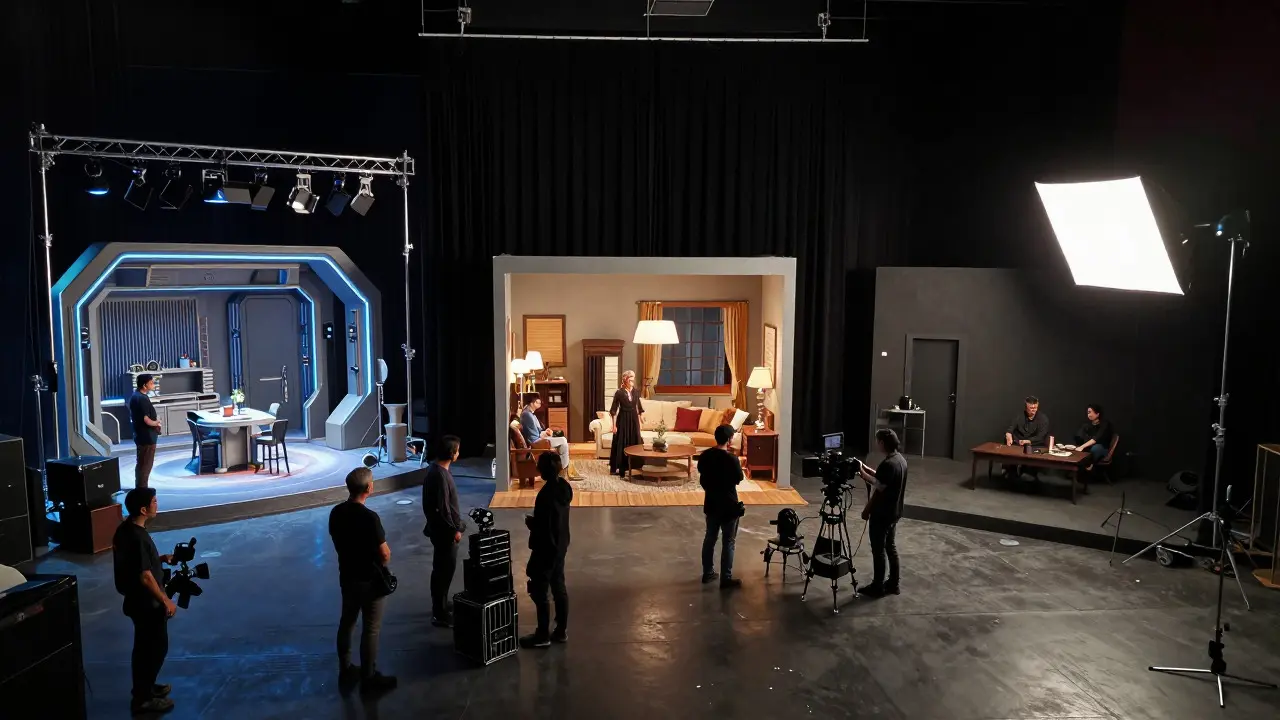
Case Studies in Successful Execution
Looking at recent successes helps illustrate why this format is gaining traction. Films that blend horror with social commentary often use the anthology structure to tackle multiple societal issues without overwhelming the viewer. By isolating each issue into its own chapter, the film avoids becoming preachy. Instead, it lets the horror serve as a metaphor for the specific problem being addressed. This methodical approach allows for deeper critique within a limited runtime. Another example is the crime anthology, where each chapter features a different detective or criminal archetype. This allows for a comparative study of morality and justice, showing how different perspectives interpret the same legal system.
These examples demonstrate that the format is not just a gimmick. It is a robust tool for storytelling that serves specific creative goals. When used correctly, it elevates the material beyond what a single-story feature could achieve. The key is intentionality. Every chapter must earn its place by contributing to the larger thematic statement. If a chapter feels like filler, the entire film suffers. Therefore, rigorous editing is essential during the development phase to ensure every segment drives the home message.
Frequently Asked Questions
What makes an anthology film different from a short film compilation?
An anthology film is produced as a single feature-length project with a unified thematic intent and professional post-production polish. A short film compilation is often a collection of independent works released separately, lacking a cohesive narrative or visual style. Anthologies are designed to be viewed as one continuous experience, whereas compilations are viewed as discrete items.
Can anthology films have a main protagonist?
Yes, though it is less common. Some anthologies use a framing device where a single character witnesses or participates in multiple chapters. This provides a through-line for the audience. However, most modern anthologies rely on thematic links rather than a single protagonist to maintain the freshness of each segment.
Why do studios prefer anthology formats for genre films?
Studios prefer this format because it reduces financial risk. If one chapter underperforms, the others can still carry the film. It also allows for broader audience appeal by catering to different taste preferences within the same genre. Additionally, it showcases multiple directors and writers, attracting fans of various creators to the same release.
How does pacing differ in anthology films compared to standard features?
Pacing in anthology films is faster and more variable. Each chapter has its own mini-climax, so the audience experiences multiple peaks of tension or emotion in a shorter timeframe. This prevents the slow build-up typical of traditional three-act structures, resulting in a more dynamic and energetic viewing experience.
Is the anthology format suitable for all genres?
While versatile, the format works best for genres that allow for tonal variation, such as horror, crime, sci-fi, and drama. Genres that require sustained immersion, like epic historical dramas or intense action sequences, may struggle with the fragmented nature of chapters. However, creative execution can adapt any genre to this structure if the thematic link is strong enough.