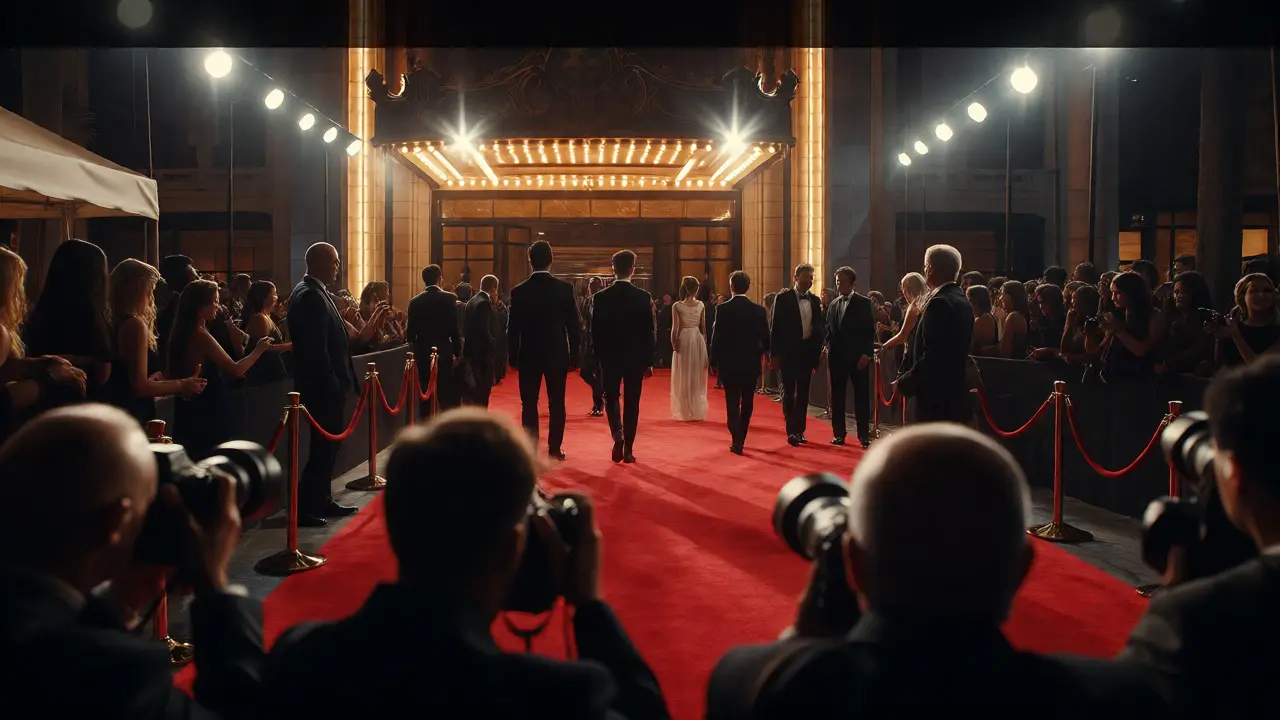
You probably remember when "originals" meant low-budget content that filled gaps in your subscription. That era is dead. Today, Amazon Prime Video isn't just hosting movies; it's competing directly with Disney and Netflix for Oscar gold and box office dominance. But how did a retail giant transform into a serious Hollywood player? It wasn't magic. It was a calculated shift from quantity to prestige.
If you're wondering whether those shiny new titles on your dashboard are worth the bandwidth, or if you're curious about the business mechanics behind films like Air or The Idea of You, this breakdown cuts through the noise. We aren't looking at vague marketing fluff. We're examining the specific strategies, the financial bets, and the theatrical windows that define Amazon's current approach to cinema.
The Shift From Quantity to Prestige
For years, Amazon’s strategy was simple: buy everything, throw it at the wall, see what sticks. This led to a bloated library where finding quality felt like digging for needles in a haystack. But around 2023, the narrative changed. Amazon stopped trying to be the biggest library and started trying to be the most respected one.
This pivot wasn't accidental. It was driven by two major moves. First, they acquired MGM Studios for $8.5 billion in 2021. Suddenly, Amazon owned the James Bond franchise, Rocky, and Legally Blonde. Second, they realized that streaming subscribers churn out if they don't feel exclusive value. A generic rom-com doesn't stop someone from canceling. An Oscar-winning drama does.
So, what does this mean for you as a viewer? It means fewer mediocre releases and more high-stakes gambles. Amazon now acts less like a broadcaster and more like a traditional studio. They greenlight projects based on director pedigree and star power, not just algorithmic predictions. If Ben Affleck directs a sports drama about Nike, Amazon writes the check before the script is even finished. That’s confidence. That’s theatrical thinking applied to streaming.
The Hybrid Release Model Explained
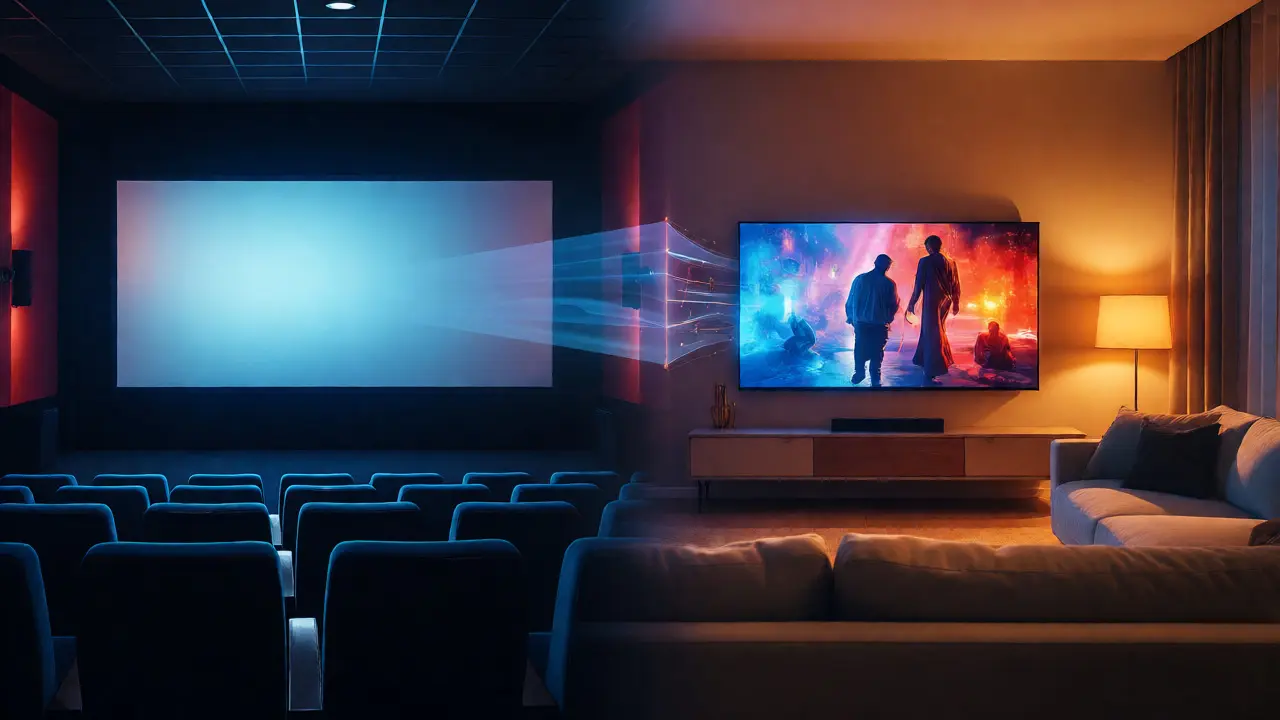
Here is the part that confuses most people: Why do some Prime Video movies hit theaters while others go straight to your living room? The answer lies in the hybrid release model. Amazon no longer treats theatrical and digital as separate worlds. They treat them as a single funnel.
Traditionally, studios had a 90-day window between theater and home video. Amazon smashed that. Now, many of their flagship titles get a limited theatrical run-often just four weeks-to qualify for awards and build buzz. Then, they land on Prime Video. This strategy serves two purposes:
- Award Eligibility: To win an Academy Award, a film generally needs a qualifying theatrical run in Los Angeles. By securing this window, Amazon ensures their films can compete for Oscars, which boosts brand prestige massively.
- Marketing Momentum: Seeing a poster in a theater creates awareness that a thumbnail on a homepage cannot replicate. When the movie hits the stream, people already know about it because they saw the ad campaign in the real world.
However, not every film gets this treatment. Amazon segments its library carefully. Blockbusters and award contenders get the theatrical push. Niche documentaries, international imports, and mid-budget genre films often skip theaters entirely. This tiered approach allows them to manage costs while maximizing impact where it matters most.
MGM Integration: The Hidden Powerhouse
You can’t talk about Prime Video’s film strategy without talking about Metro-Goldwyn-Mayer (MGM). Before the acquisition, Amazon had to license content from competitors. Now, they own the vault. This changes the economics completely.
Owning MGM gives Amazon three distinct advantages that pure-play streamers lack:
- Franchise Continuity: With franchises like James Bond and Rocky, Amazon has built-in audiences. They don't need to spend millions introducing characters; the audience already cares. This reduces marketing risk significantly.
- Library Depth: MGM’s catalog includes thousands of classic films. These titles provide steady, low-cost engagement. They fill out the recommendation engine, keeping users subscribed during months when no new blockbusters drop.
- Production Infrastructure: MGM brings decades of physical production expertise. Amazon didn't have to build a studio system from scratch; they bought one. This allows them to produce complex action sequences and period pieces with a level of polish that early Amazon Originals lacked.
The integration isn't seamless yet. Fans still debate whether Amazon will dilute the Bond brand. But financially, the move makes sense. It transforms Amazon from a distributor into a vertically integrated media conglomerate, similar to Disney or Warner Bros. Discovery.

Financial Strategy: Spending Like a Studio, Thinking Like a Retailer
Netflix spends billions on content. Apple TV+ spends billions. So does Amazon. But Amazon’s advantage is its parent company. Amazon.com Inc. generates massive cash flow from e-commerce and cloud services (AWS). This allows Prime Video to operate with a different profit timeline than Netflix, which relies heavily on subscriber growth and debt financing.
Amazon views Prime Video as a retention tool for the broader Prime ecosystem. If a great movie keeps you subscribed to Prime, you also buy groceries, electronics, and use AWS services. Therefore, the






Comments(8)