You’re staring at your bank statement, and the subscription fatigue is real. You’ve got Netflix, Hulu, Disney+, and maybe Peacock. It’s getting expensive. That’s why ad-supported streaming plans have exploded in popularity. They promise one thing: you get to watch movies without paying a premium monthly fee. But does it actually work? And more importantly, do these cheaper plans have the films you actually want to watch?
The short answer is yes, but with caveats. The landscape of ad-supported video on demand (AVOD) has shifted dramatically by 2026. It’s no longer just about watching old reruns on Pluto TV. Major studios are now putting their recent releases into ad-supported tiers. However, the trade-off isn’t just commercials; it’s about what gets left out. Let’s break down how these plans work, which services are worth your time, and how to navigate the fragmented library landscape.
How Ad-Supported Tiers Actually Work
First, let’s clear up the confusion. There are two distinct types of "free" or low-cost streaming. Don’t mix them up, or you’ll waste an hour hunting for a movie that isn’t there.
- Free AVOD Services: These are completely free. You pay with your attention. Examples include Tubi, Pluto TV, and Crackle. No credit card required. The catch? You can’t choose when the ads run, and they often last 3-5 minutes per hour of content.
- Paid Ad-Supported Tiers: This is where the big players come in. Netflix, Hulu, Disney+, and Peacock offer a cheaper monthly plan if you accept mid-roll ads. For example, Netflix’s basic tier might cost $7.99 instead of $15.99, but you’ll see 4-5 minutes of ads per hour. You still get access to the full library, unlike free AVOD sites.
The key difference? On paid ad-supported tiers, you usually keep the same content catalog as the ad-free version. On free AVOD sites, the catalog is limited to what rights holders agree to share for free. This distinction matters when you’re looking for specific titles.
Comparing the Major Players: Libraries and Limits
Not all ad-supported streams are created equal. Some platforms treat their ad-tier users like second-class citizens, while others give you almost everything. Here’s how the major services stack up in 2026 regarding film availability.
| Service | Ad Tier Cost/Month | Recent Blockbusters Available? | Classic/Indie Library Depth | Ad Frequency |
|---|---|---|---|---|
| Netflix | $7.99 | Yes (after 3-month delay) | Moderate | ~4-5 min/hour |
| Hulu | $7.99 | Yes (same day as broadcast) | High (FX/ABC back-catalog) | ~3-4 min/hour |
| Disney+ | $7.99 | Yes (Marvel/Star Wars) | Very High (Pixar/Lucasfilm archive) | ~4 min/hour |
| Tubi | $0.00 | Rarely (usually 1+ year old) | Massive (Paramount/Viacom library) | ~5-6 min/hour |
| Pluto TV | $0.00 | No | Niche/Curated Channels | Live TV style breaks |
Notice the pattern? If you want to watch the latest Marvel movie or a new horror flick from A24, you’re better off sticking with a paid ad-supported tier from a major studio. Free services like Tubi are incredible for digging up forgotten gems, but don’t expect to find next week’s box office hit there immediately.

The "Windowing" Problem: Why Your Movie Isn’t There
This is the biggest frustration people face. You see a trailer for a movie on Instagram, go to your favorite free streaming app, and it’s not there. Why? Because of release windows.
Studios use a strategy called "windowing." After a theatrical run, a movie goes to Premium Video on Demand (PVOD) for a rental fee ($19.99-$29.99). Then, it hits subscription services like Netflix or Hulu. Only after several months does it drop into the free ad-supported pools like Tubi or Crackle.
In 2026, this timeline has tightened slightly. Studios are eager to monetize their back catalogs through advertising revenue. As a result, you’ll notice that mid-budget films (think R-rated comedies or genre thrillers) appear on free AVOD platforms faster than they did five years ago. However, tentpole blockbusters (the $200M+ productions) still take 12-18 months to reach free tiers. So, if you’re waiting for Dune: Part Three to be free on Tubi, start counting down the clock from its theatrical release date.
Which Plan Fits Your Viewing Habits?
There is no single "best" plan. It depends entirely on what you watch. Let’s map out three common viewer profiles and what makes sense for them.
- The "Blockbuster Chaser": You want to see the newest superhero movie or the latest sequel. Recommendation: Go with a paid ad-supported tier on Disney+ or Netflix. You’ll get the content sooner, and the price difference compared to the ad-free plan is minimal. Avoid free AVOD here; you’ll wait too long.
- The "Binge Watcher": You love series and don’t care much about individual movies unless they’re part of a franchise. Recommendation: Hulu’s ad-supported tier is strong because it integrates live TV and next-day broadcasts. You can catch reality shows and dramas without extra cost.
- The "Budget Explorer": You have no budget for subscriptions and enjoy discovering obscure films, foreign cinema, or classic Hollywood. Recommendation: Stick to free AVOD like Tubi, Plex, or Kanopy (if you have a library card). The libraries are deep, and the lack of financial commitment means you can cancel anytime (which is never, since it’s free).
A pro tip: Mix and match. Many households use one paid ad-supported service for current releases and rely on free apps for everything else. This hybrid approach cuts streaming costs by 40-50% compared to stacking multiple premium subscriptions.
Hidden Costs: Data, Quality, and Patience
We talk about money, but ad-supported streaming has other costs. First, there’s data usage. Ads stream video too. If you’re on a metered internet plan, those 5 minutes of ads per hour add up. A two-hour movie with ads might consume 2-3GB of data, whereas the ad-free version uses less due to optimized encoding for premium tiers (though this varies by provider).
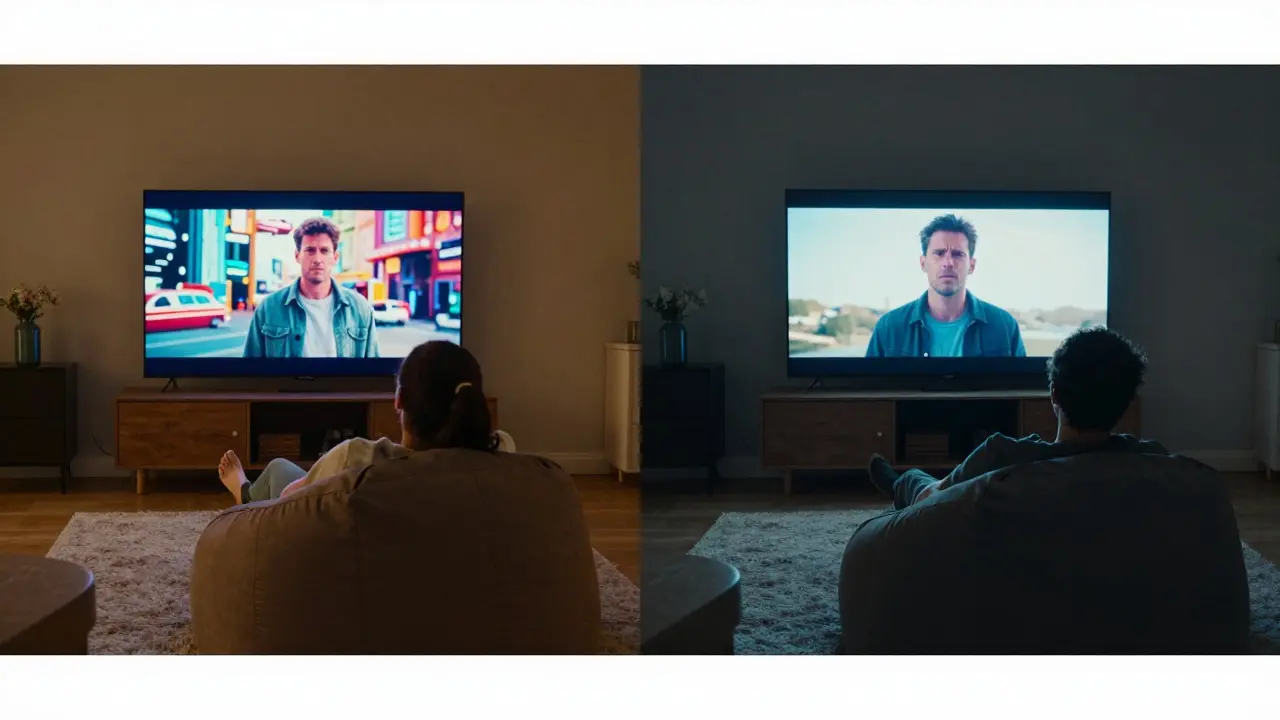
Second, there’s quality. Historically, ad-supported tiers had lower bitrate limits. In 2026, this gap has closed significantly. Most major services now stream 1080p or even 4K HDR on ad-supported plans, provided you have the bandwidth. However, check your specific device settings. Sometimes, the default setting for an ad-supported profile is capped at 720p to save server costs. You may need to manually adjust video quality in your app settings to get the best picture.
Finally, there’s the patience factor. On free AVOD sites, you cannot skip ads. On paid ad-supported tiers, you sometimes can skip intro ads, but mid-roll ads are mandatory. If you hate interruptions, the psychological cost of waiting might outweigh the $8 savings. Be honest with yourself: Do you mind watching a car commercial during the climax of a thriller? If not, ad-supported plans are a win. If yes, stick to ad-free.
FAQ
Is Netflix's ad-supported plan worth it in 2026?
Yes, if you watch Netflix frequently. The ad tier offers the same content library as the standard plan but at roughly half the price. The main downside is that you cannot download content for offline viewing on some devices, and ads are inserted mid-stream. For casual viewers who watch 1-2 hours a week, the ad-free plan might be better value. For heavy users, the ad tier saves significant money annually.
What is the best free streaming service for movies?
Tubi is widely considered the best free option for movies due to its massive library sourced from Paramount, MGM, and Lionsgate. It has a clean interface and fewer intrusive ads than competitors. Crackle is another strong contender, particularly for Sony-owned content. If you prefer curated channels over on-demand selection, Pluto TV is excellent for background viewing.
Do ad-supported streaming plans have 4K content?
Most major services like Disney+ and Netflix now offer 4K HDR on their ad-supported tiers. However, availability depends on your internet speed and device capabilities. Always check the title details before starting playback. Some older titles or licensed content may only be available in 1080p regardless of your plan type.
Can I switch between ad-supported and ad-free plans at any time?
Yes, most major streaming providers allow you to switch plans instantly. If you upgrade from ad-supported to ad-free, the change takes effect immediately. If you downgrade, it typically takes effect at the end of your billing cycle. This flexibility allows you to test the ad experience and decide if the interruption level is acceptable for your viewing habits.
Why are some movies missing from free AVOD sites?
Movies are missing from free AVOD sites due to licensing windows. Studios prioritize higher-revenue models first, such as theaters, rentals, and premium subscriptions. Only after maximizing revenue from these channels do they license content to free ad-supported platforms. Additionally, some independent filmmakers choose to keep their films exclusive to boutique platforms like MUBI or Criterion Channel rather than releasing them to mass-market free apps.





Comments(7)